
Last updated October 9, 2026
Non-destructive entry first, always - and we re-key Schlage, Kwikset, and Baldwin locks on the spot while you watch
You get a price before we start. It does not change when we arrive. No surprises.
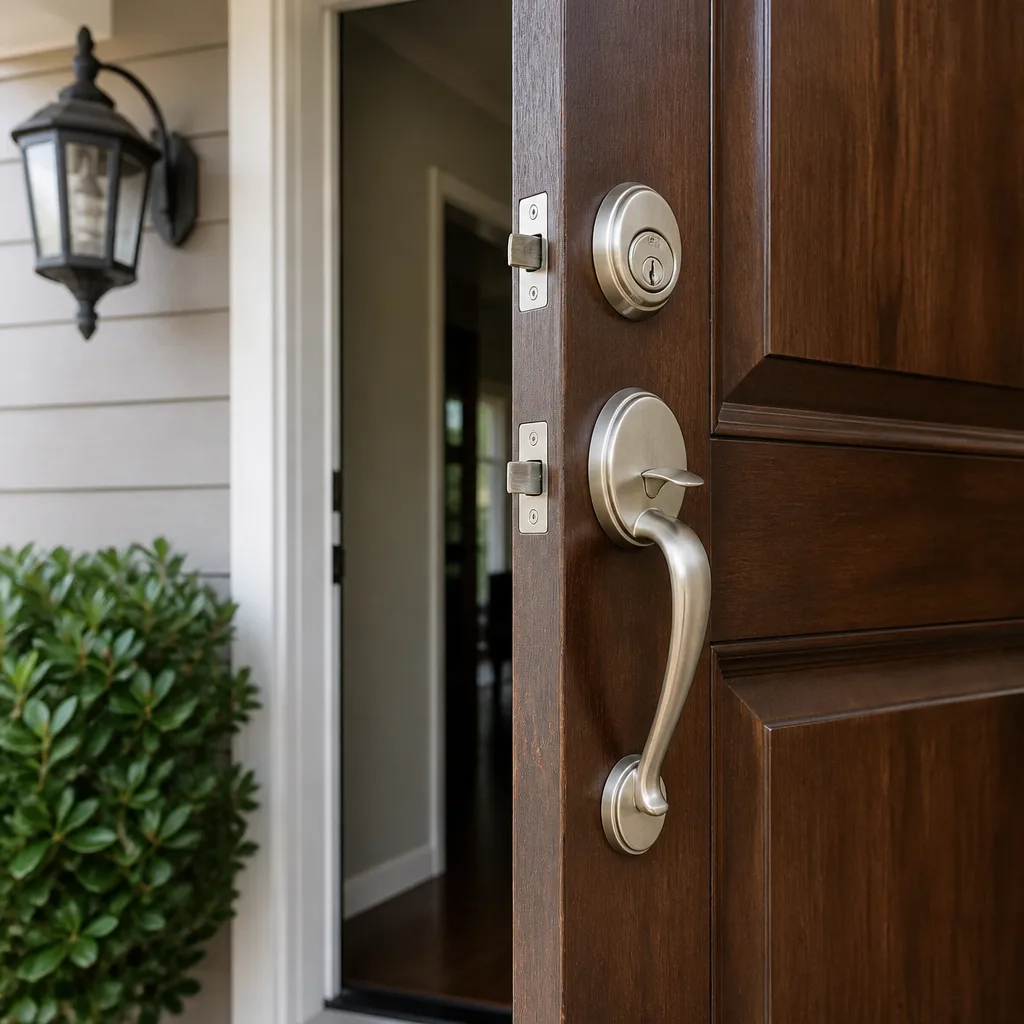
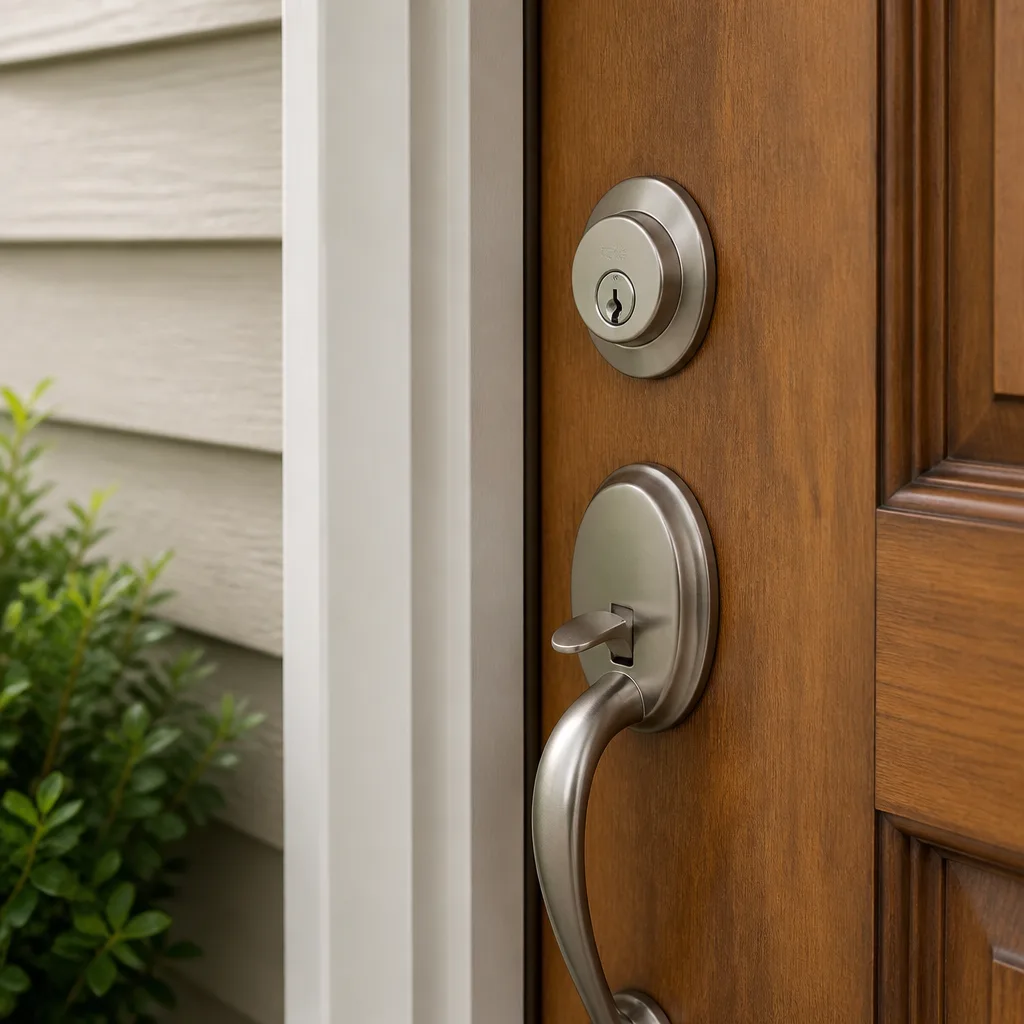
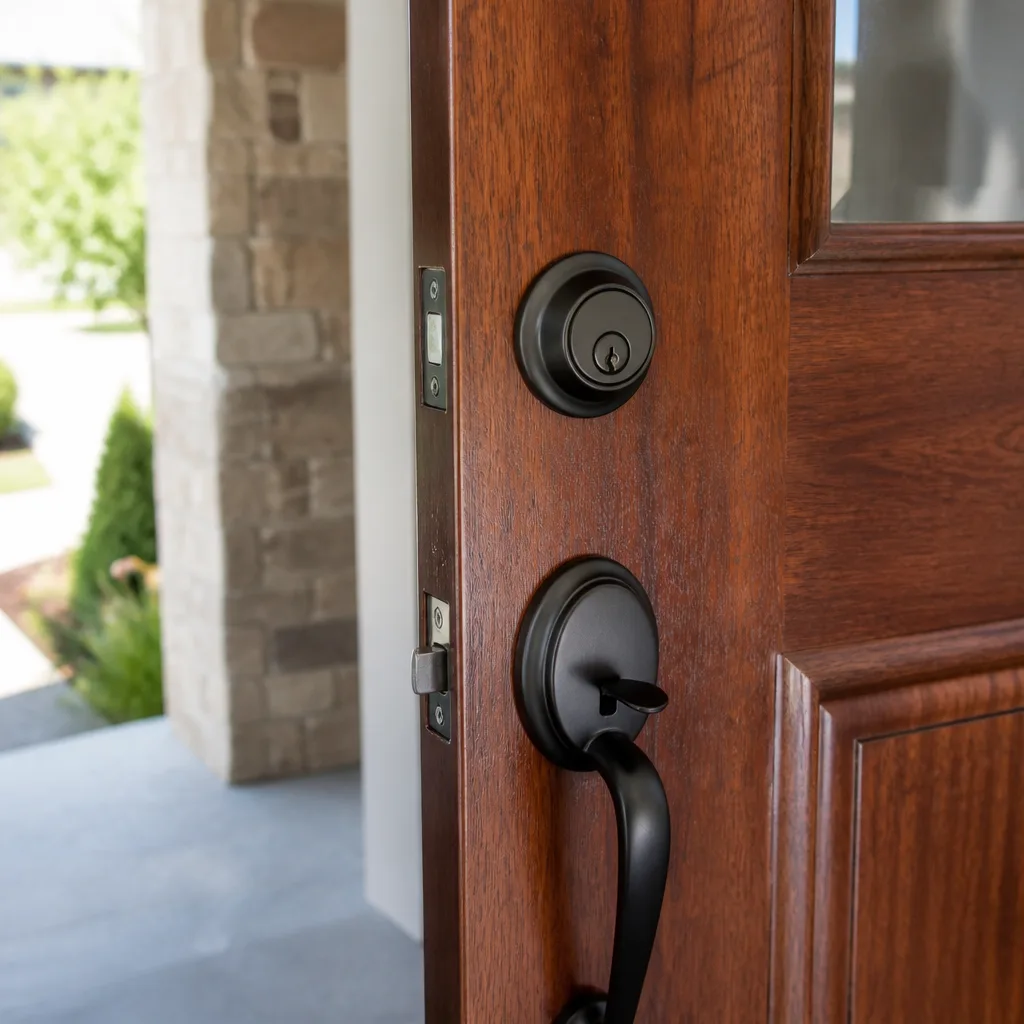
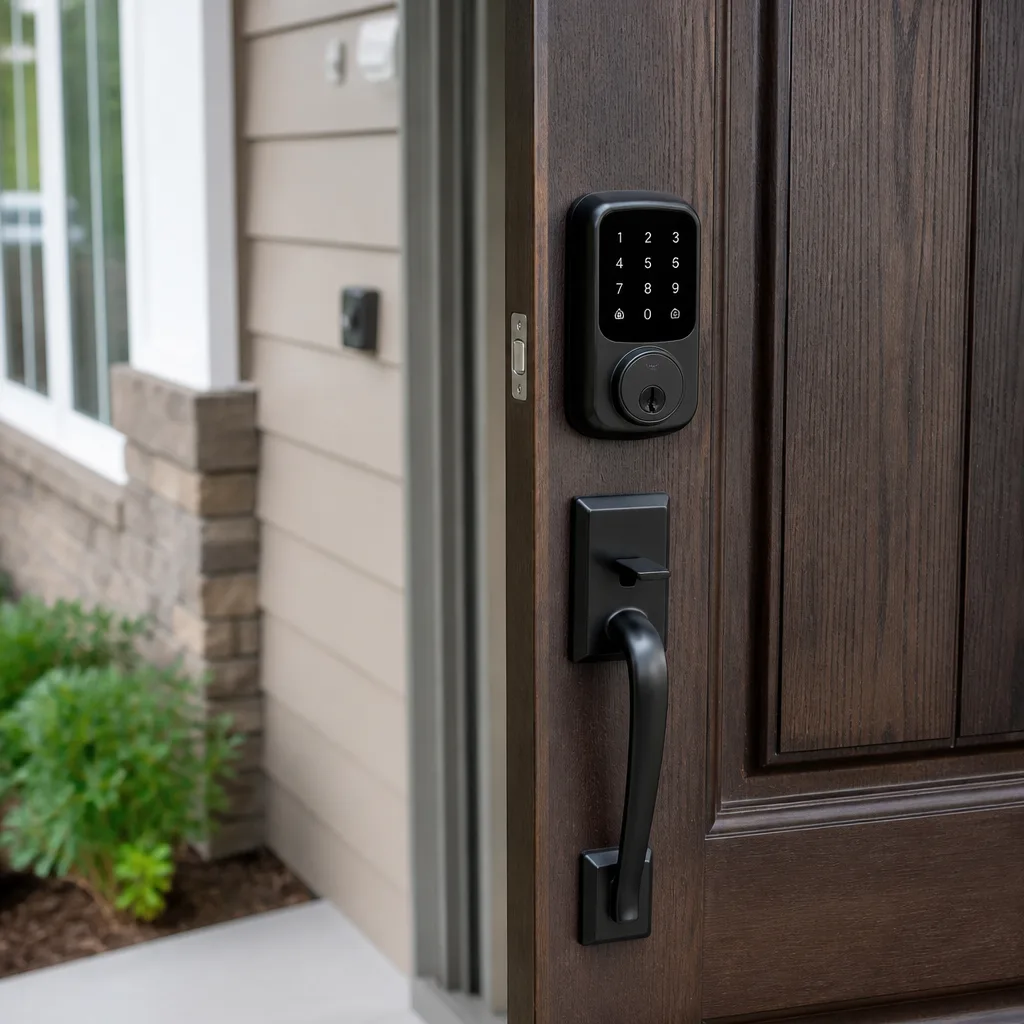
How Long Does Commercial Locksmith Take? Timelines and What to Expect
A 10-door commercial rekey that should take 90 minutes regularly turns into a four-hour job when the building’s master key system records are missing, which is the case in roughly 40% of older Los Angeles commercial properties we’ve opened up since 2008. The timeline for our Commercial Locksmith services has less to do with the locks themselves and more to do with three things nobody warns you about: parts availability, missing documentation from the last guy who touched the hardware, and whether the door frames were installed correctly in the first place. This guide walks through realistic time expectations for every common commercial job, what actually causes delays, how to prepare your space so the quoted time holds, and when a job genuinely needs two visits instead of one. By the time you finish reading, you’ll know exactly what to ask on the phone before booking, which means you can schedule commercial lock work in Los Angeles without shutting your business down for half a day.
Quick Answer
Most commercial locksmith jobs take between 30 minutes and 4 hours on site. A single cylinder rekey runs 8 to 12 minutes per lock, a 10-door suite rekey takes 60 to 90 minutes, installing access control on one door runs 2 to 4 hours, and designing plus implementing a new master key system across a building takes half a day to a full day. The variables that stretch these numbers are almost always parts availability, missing earlier hardware documentation, and unnoticed door frame issues.
Table of Contents
- Common Commercial Job Timelines, Door by Door
- The Three Variables That Blow Up Every Timeline
- Emergency Response vs. Scheduled Arrival: Two Different Clocks
- How to Prepare Your Commercial Space So the Quoted Time Holds
- When a Job Genuinely Requires Two Visits
- Master Key Systems: The Half-Day to Full-Day Reality
- Common Mistakes to Avoid
- When to Call a Professional
- Frequently Asked Questions
Common Commercial Job Timelines, Door by Door
Here’s what we tell business owners in Los Angeles when they ask how long something will take. These numbers assume the door and frame are in decent shape and the existing hardware is something we can work with, not a proprietary system with no documentation.
A single cylinder rekey, which means swapping the internal pins so old keys stop working without replacing any hardware, runs 8 to 12 minutes per lock. We’ve done them faster. We’ve also had a Kwikset cylinder on a warehouse door in Vernon take 25 minutes because the previous owner had stripped the set screw and we had to drill it out without damaging the faceplate. Expect the range, not the best case.
A 10-door suite rekey, where every door gets rekeyed to work on one common key, takes 60 to 90 minutes on site. That’s the number most Los Angeles office managers want to hear, because it means the work fits inside a lunch break. It holds true when the keyway is standard, like a Schlage C keyway or a Kwikset commercial keyway, and when the doors are all accessible without a game of find-the-facilities-manager.
Access control panel installation per door runs 2 to 4 hours, and that’s the honest number. An electric strike, a card reader, a controller, wiring through the frame or a transfer hinge, power supply, programming, testing. Two hours is the floor for a simple single-door setup with a nearby power source. Four hours happens when we’re fishing wire through a block wall in a 1970s building in Mid-Wilshire that was never designed for low-voltage cable.
Master key system design and implementation across a building takes half a day to a full day, and sometimes longer if the system is being designed from scratch. And we mean design as its own task, before touching a single door. More on that below, because this is the job where every locksmith’s timeline promise either holds or collapses.
Door closer replacement or adjustment: 30 to 45 minutes per door. Panic bar installation: 60 to 90 minutes per door when the door is prepped, longer if new holes have to be cut. Fresh installation of a commercial deadbolt on a door that never had one: 45 to 75 minutes.
The Three Variables That Blow Up Every Timeline
Every commercial locksmith in Los Angeles has a mental list of jobs that should have been quick and weren’t. The pattern is always the same three variables. Know them before you book, and you’ll be able to smell an unrealistic quote from a mile away.
1. Missing Earlier Hardware Documentation
The average older commercial building in Los Angeles has passed through multiple owners, several building managers, a handful of tenants, and at least two previous locksmiths. The original master key chart, the one that maps every cylinder and every key level, rarely survives all those hands. When the chart is gone, a locksmith has to reverse-engineer the existing system before adding to it or rekeying around it. That means reading pins in existing cylinders, identifying the keyway, figuring out whether the old cylinders were even pinned correctly, and then deciding what the new system should look like. That process tacks on 45 minutes to 2 hours, and it’s non-negotiable. The work cannot be done correctly without it. A locksmith who ignores your missing documentation and promises the 90-minute rekey anyway is guessing, and the guess will show up later when the grandmaster key doesn’t turn in one of the back doors.
2. Non-Standard Keyways Requiring Special Order Parts
Standard Schlage and Kwikset commercial keyways keep cylinders and pins stocked on the truck. But Los Angeles has a deep bench of buildings fitted with Medeco, Abloy, Bilock, and assorted restricted keyways, and those parts are not sitting on anyone’s shelf. A restricted Medeco cylinder replacement or rekey, for example, requires ordering pin kits specific to that system, and sometimes a signature card or authorization from the original system owner. That’s a 2 to 5 business day wait for parts before the on-site work can even start. On the day of installation, the actual on-site work is still quick. But the total time elapsed from first call to final key turn? That’s a week. Anyone who quotes you a same-day turnaround on a restricted keyway without asking which system you have is not doing the job right.
3. Door Frame Issues Discovered During Installation
This is the one that turns a 2-hour access control install into a 4-hour wrestling match. The latch isn’t lining up with the strike plate because the building settled. The frame is so rusted at the bottom that the new threshold bolt has nothing to bite into. The door was hung out of square in 1987 and has been that way ever since. In older downtown Los Angeles structures and a lot of warehouse districts east of the LA River, we find door frames that have been shimmed, bent, patched, and painted over so many times that the original hardware prep is a distant memory. Fixing the frame is not a locksmith upsell. It’s the difference between a lock that works for years and a lock that fails in six weeks. Budget an extra 30 to 90 minutes per problem door.
Emergency Response vs. Scheduled Arrival: Two Different Clocks
When a commercial door won’t lock at 9pm on a Friday, you don’t care about a 2pm window on Tuesday. You care about the gap between the moment you call and the moment a van pulls up. In Los Angeles, an emergency commercial locksmith response during normal daytime hours should run 30 to 60 minutes depending on where you are relative to the technician. In evening hours or when traffic is doing what LA traffic does, 60 to 90 minutes is realistic. At 2am, you’re looking at 60 to 90 minutes because there are fewer trucks on the road and fewer locksmiths staffing overnight calls. Anyone promising a 15-minute arrival in Los Angeles at rush hour is not telling you the truth.
Scheduled work is different. A scheduled commercial job should come with a narrow arrival window, usually an hour, and it should come with live tracking confirmation once the technician is en route. That’s the standard we work to with The Relay Visibility Guarantee: a live arrival time you can track, before-and-after photos of every job, and a written price before work starts. A scheduled arrival window is a promise about a clock, and that promise should be trackable. If a locksmith can’t tell you where the tech is, that 2pm window is a hope, not a plan.
Emergency calls also have a different price structure than scheduled work. After-hours rates in Los Angeles typically start around $150 to $250 for the dispatch and the first hour, while scheduled rekey work during normal business hours is billed at a standard service rate plus per-cylinder pricing. Knowing which clock you’re on before you call prevents the phone-quote sticker shock that makes the whole experience feel bad.
How to Prepare Your Commercial Space So the Quoted Time Holds
The on-site timeline depends partly on how well the space is prepped before the locksmith arrives. We’ve seen the same job take double the time because nobody had a key to the electrical room, or because the door that needed the new cylinder was behind a stack of inventory, or because the person who signed the work order was out at lunch when decisions needed to be made.
Here’s a prep list that takes you 15 minutes and saves you an hour on the day:
- Confirm access to every door on the work order. Walk the list. Every door that needs work should be unlockable, unobstructed, and identified. Write down the door numbers or locations so the technician isn’t playing detective on arrival.
- Collect any existing keys and key records you have. Even partial records are better than none. If you have an old master key chart, a list of who has which keys, or a labeled key ring, pull it out. Missing documentation is the number one timeline killer.
- Know who can make decisions while the work is happening. If the technician finds a frame issue and needs a yes-or-no on an additional 40 minutes of work, someone with authority has to be reachable by phone. A 20-minute decision delay is a 20-minute timeline extension.
- Clear a working radius around each door. The technician needs room for tools, a drill, sometimes a small vacuum. A three-foot radius around each door is enough.
- Confirm the written price and scope before the technician starts. Every job should come with a written price before work begins. No price in writing, no work. That’s the single biggest protection against the invoice that swells between the estimate and the final bill.
In Los Angeles commercial spaces specifically, one more prep item matters: parking. A technician circling the block in Koreatown or Brentwood for 20 minutes is a 20-minute late arrival that had nothing to do with the locks. If your building has a loading zone or a designated vendor spot, mention it when you book.
When a Job Genuinely Requires Two Visits
There’s an uncomfortable truth in commercial locksmithing that most companies won’t say out loud: some jobs cannot be done in one visit, and any locksmith who promises same-day completion anyway is either cutting corners or overpromising. Here’s how to tell which situation you’re in.
Custom master key system design and implementation is the classic two-visit job. Visit one is survey and documentation: reading existing cylinders, mapping the building, identifying the keyway, deciding on the key hierarchy, and ordering parts if the keyway is non-standard. That visit runs 1 to 3 hours depending on building size. Visit two is installation: rekeying or replacing cylinders, cutting keys, testing every level of the system, and handing over the new key chart. That visit runs 3 to 6 hours for a mid-sized building. Total elapsed time: 3 to 7 business days, because parts for restricted systems like Medeco or Abloy have to come through authorized channels.
High-security cylinder upgrades that require keyway-specific hardware also frequently take two visits. The survey happens, parts are ordered, installation happens on a second visit once the parts arrive. Trying to force this into one day means the locksmith is either reusing old cylinders or substituting generic hardware, and both of those defeat the security purpose of the upgrade.
Access control on older door frames without existing low-voltage prep is another candidate for two visits. Survey first, then a full installation day with wiring and testing without time pressure. Rushing that job means holes drilled in the wrong place and conduit that looks like it was installed during an earthquake.
The honest locksmith tells you upfront when a job needs two visits. The dishonest one books the single visit, starts the work, hits the wall, and then leaves you with a half-finished door and a second bill you didn’t plan for. Ask on the phone: “Is this a one-visit job or a two-visit job, and what between the visits could change the price?” The answer tells you a lot. For more guides & resources on what to ask, explore our blog.
Master Key Systems: The Half-Day to Full-Day Reality
Master key systems deserve their own breakdown because they’re the commercial job with the widest gap between customer expectations and on-the-ground reality. A small office manager in Los Angeles imagines a master key system as “one key opens everything.” That’s the end of the concept. In practice, a properly designed system answers a whole series of questions: Which doors does the janitorial staff need? Which does the property manager keep? Does the tenant on floor three get access to the elevator maintenance room? What happens when a regional manager leaves the company and took the grandmaster key with them?
Designing that system takes 1 to 2 hours on its own, before a single cylinder gets touched. The locksmith maps the building, assigns door groups, plans the key hierarchy, and produces documentation that will be the map for every future rekey. Implementation then runs 3 to 6 hours on a second visit. Total on-site time: half a day to a full day, sometimes split across days depending on building access and parts.
Los Angeles has specific code and access requirements for certain commercial building types, including fire door hardware that cannot be modified without violating the door’s fire rating. A master key plan that touches fire-rated doors, panic hardware, or stairwell access has to account for those constraints. If your building has fire doors, say so on the phone, because it changes the hardware choices and the time budget.
After the system is installed, you should receive a written key chart: a document that maps every key level and every door. Keep it. That chart is the difference between a quick rekey later and another reverse-engineering project. We hand over that documentation with every master key system, along with a written guarantee on the work. If something doesn’t work right, we return and make it right under the 365-Day Done Right Promise. That promise includes a free second visit if the repair fails. No charge, no argument.
Common Mistakes to Avoid
- Booking without confirming the keyway. Commercial properties in Los Angeles run on everything from basic Schlage to restricted Medeco. Finding out which keyway you have takes one phone call and prevents a parts delay you never saw coming.
- Not asking whether the price on the phone is the final price. The commercial locksmith trade has a known bait-pricing problem in Los Angeles. The answer should be yes, in writing, before work starts.
- Assuming the door frame is fine because the door closes. A door can close perfectly while the frame behind the hardware is rusted through. Frame issues are the most common reason a quoted time doubles on installation day.
- Not collecting old keys from former employees before a rekey. A rekey only matters if the keys were actually surrendered. If a departed manager still has a key, rekeying the cylinder to a new key does nothing until that key is accounted for or the cylinder is replaced entirely.
- Choosing a locksmith based on the lowest hourly rate. Hourly rates in commercial locksmithing are often a teaser number that mushrooms with “service fees,” “parts fees,” and “complexity adjustments.” A flat written price beats a low hourly rate every time.
- Scheduling a master key system install on a day when the business is open and busy. Master key work touches every door in the building. Doing it during peak hours means closing doors at the worst possible time. After hours or a low-traffic weekend morning is the play, and it’s the norm for commercial work around Los Angeles.
- Throwing away the key chart after installation. That document is worth hundreds of dollars in future savings. Without it, the next locksmith starts from scratch. With it, a future rekey takes minutes.
When to Call a Professional
Commercial locksmith work is not the place for a DIY attempt. High-security cylinders, master key hierarchy planning, access control wiring, and panic bar installation all carry risks that a general handyman is not insured or trained to manage. A mis-wired access control panel on a fire-rated door can create a code violation. A badly pinned master key system can leave the building with a grandmaster key that opens doors it was never meant to open. If you’re dealing with a commercial property’s security hardware, call a trained commercial locksmith. Preston Locksmith & Security offers free estimates in Los Angeles, and every job starts with a written price before work begins. Call (409) 405-4485 to talk through what you need. A live person answers 24/7, no voicemail tree.
Frequently Asked Questions
A standard single cylinder rekey takes 8 to 12 minutes per lock, assuming a standard Schlage or Kwikset keyway and a door in reasonable condition. Non-standard keyways, missing cylinder documentation, or a door that has shifted in its frame can extend that to 20 to 30 minutes. Call (409) 405-4485 for a written quote specific to your hardware; estimates are always free.
Yes. The price is written before any work starts, and the written price is the invoice price. No dispatch fee added on arrival, no “parts discovery” surcharge, no bill that swells between the estimate and the final invoice. That’s the written-price standard we’ve operated under since 2008, and it’s part of The Relay Visibility Guarantee.
Emergency response typically runs 30 to 60 minutes during daytime hours and 60 to 90 minutes during evenings, rush hours, or overnight shifts in Los Angeles. Scheduled work carries a one-hour arrival window with live tracking so you can see exactly when the technician will arrive. Anyone promising a 15-minute arrival in LA traffic is not being straight with you.
A new master key system across a commercial building generally takes half a day to a full day of on-site work, often split into two visits: one for survey and documentation, one for installation and testing. If the keyway is restricted, like Medeco or Abloy, the parts lead time adds 3 to 5 business days between visits. A locksmith who promises same-day master key installation is either using generic hardware or skipping the design step.
Confirm access to every door on the work order, collect any existing keys or key records, identify who can make decisions during the job, clear a three-foot working radius around each door, and confirm the written price before work starts. For Los Angeles commercial buildings, also arrange a parking spot or loading zone so the technician isn’t circling the block.
Every job is covered by the 365-Day Done Right Promise: if it’s not done right, we make it right, and a free second visit is included if the repair fails. No charge, no argument. Written guarantee on every repair, stamped and included with the invoice. Call (409) 405-4485 and we’ll get a technician back out.
The Bottom Line
Commercial locksmith timelines in Los Angeles range from 8 minutes for a single cylinder rekey to a full day for a master key system across a building, and the gap between the best case and the worst case almost always comes down to three things: missing documentation, non-standard keyways, and door frame condition. Prepare the space, ask the right questions on the phone, get the price in writing before work starts, and the quoted time will hold. Skip those steps and you’ll be explaining to your staff why the front door is still disassembled at 4pm. For commercial locksmith work in Los Angeles with a written price and a live tracked arrival, call (409) 405-4485. A live person answers 24/7. For more on what we do, see our Commercial Locksmith in Los Angeles page, our Rekey Locks in Los Angeles service, or our Door Lock Repair in Los Angeles page. For the full picture on who we are, visit the Preston Locksmith & Security home page.
Written by Kevin Yoon, Owner at Preston Locksmith & Security, serving Los Angeles since 2008.