
Last updated October 9, 2026
Non-destructive entry first, always - and we re-key Schlage, Kwikset, and Baldwin locks on the spot while you watch
You get a price before we start. It does not change when we arrive. No surprises.
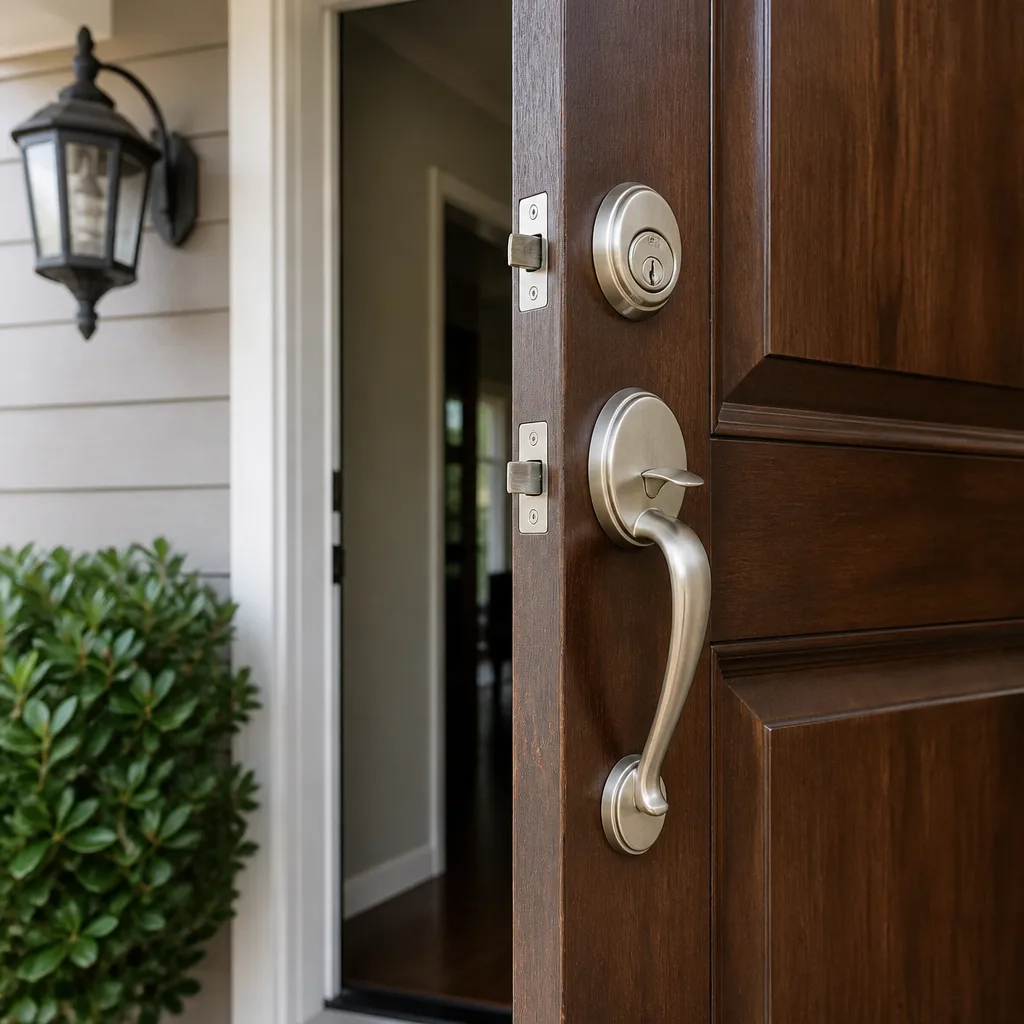
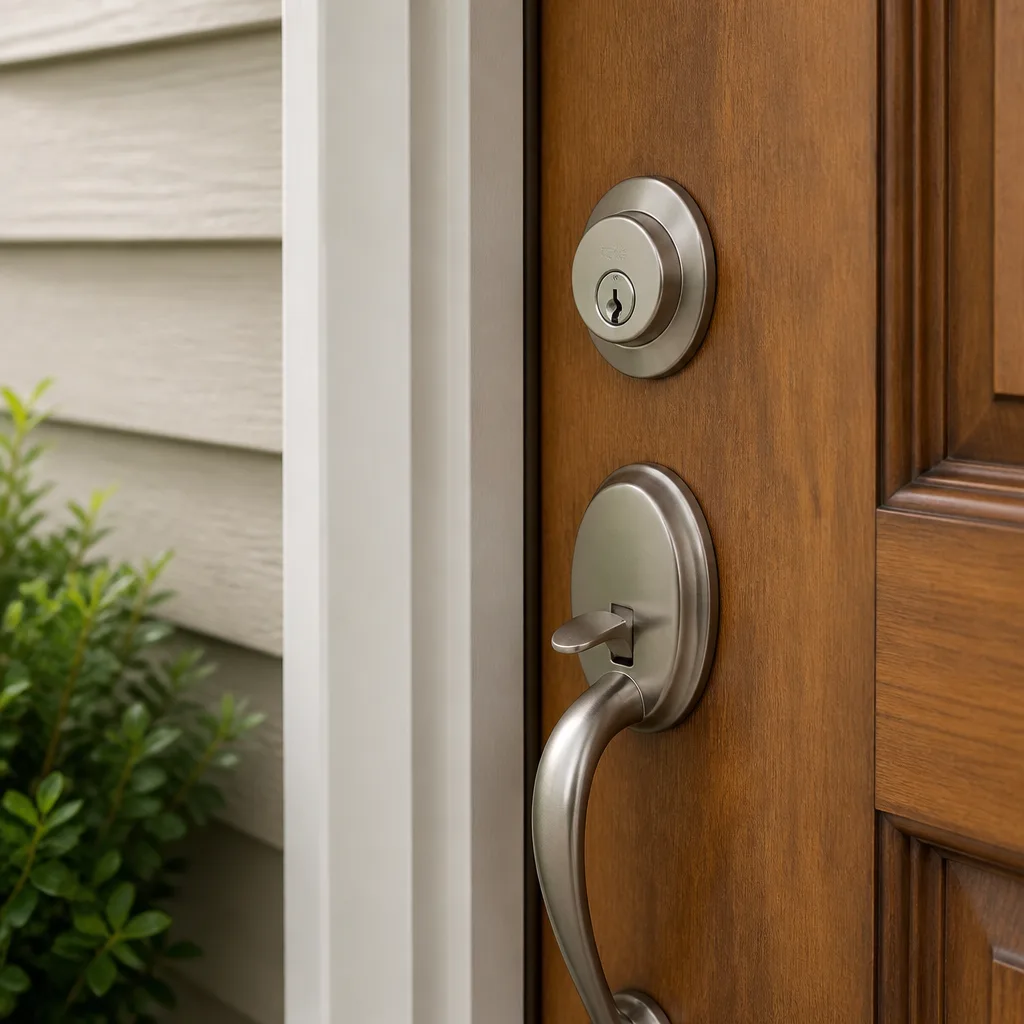
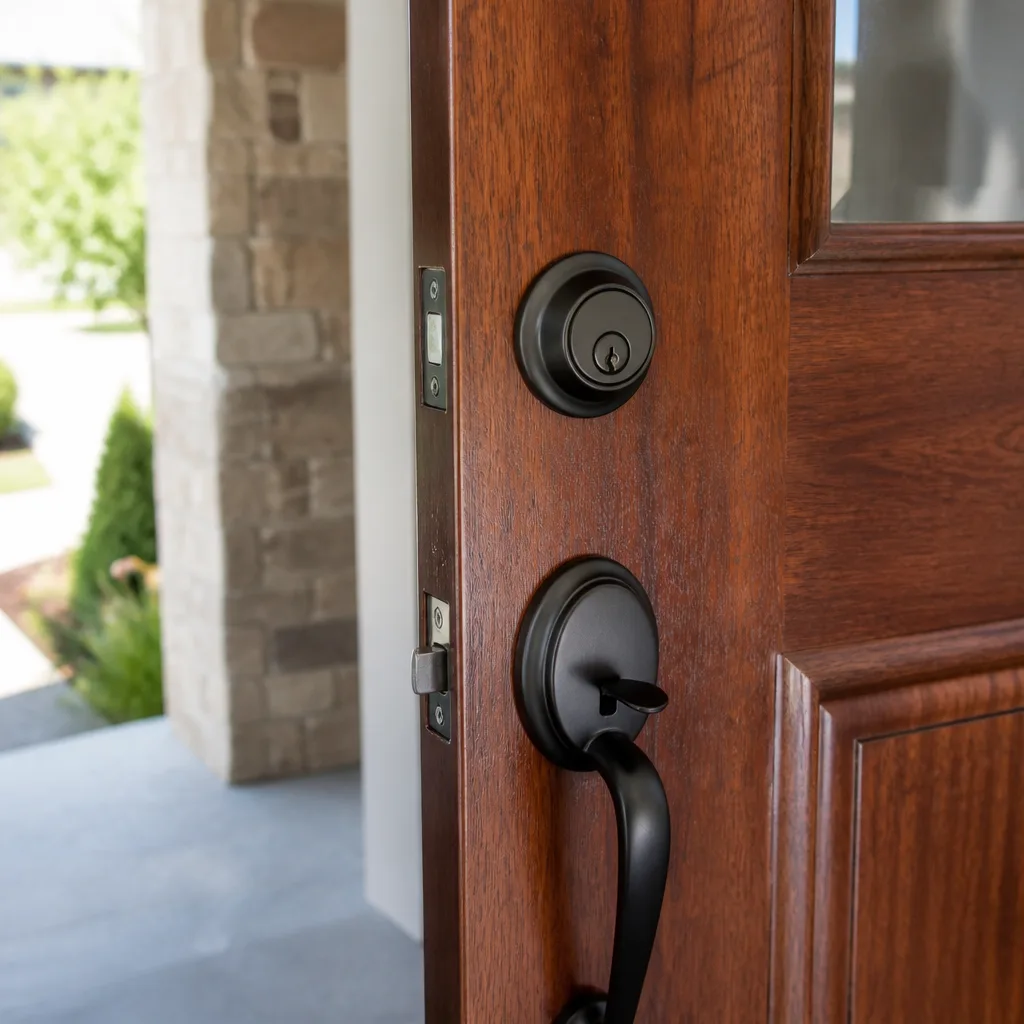
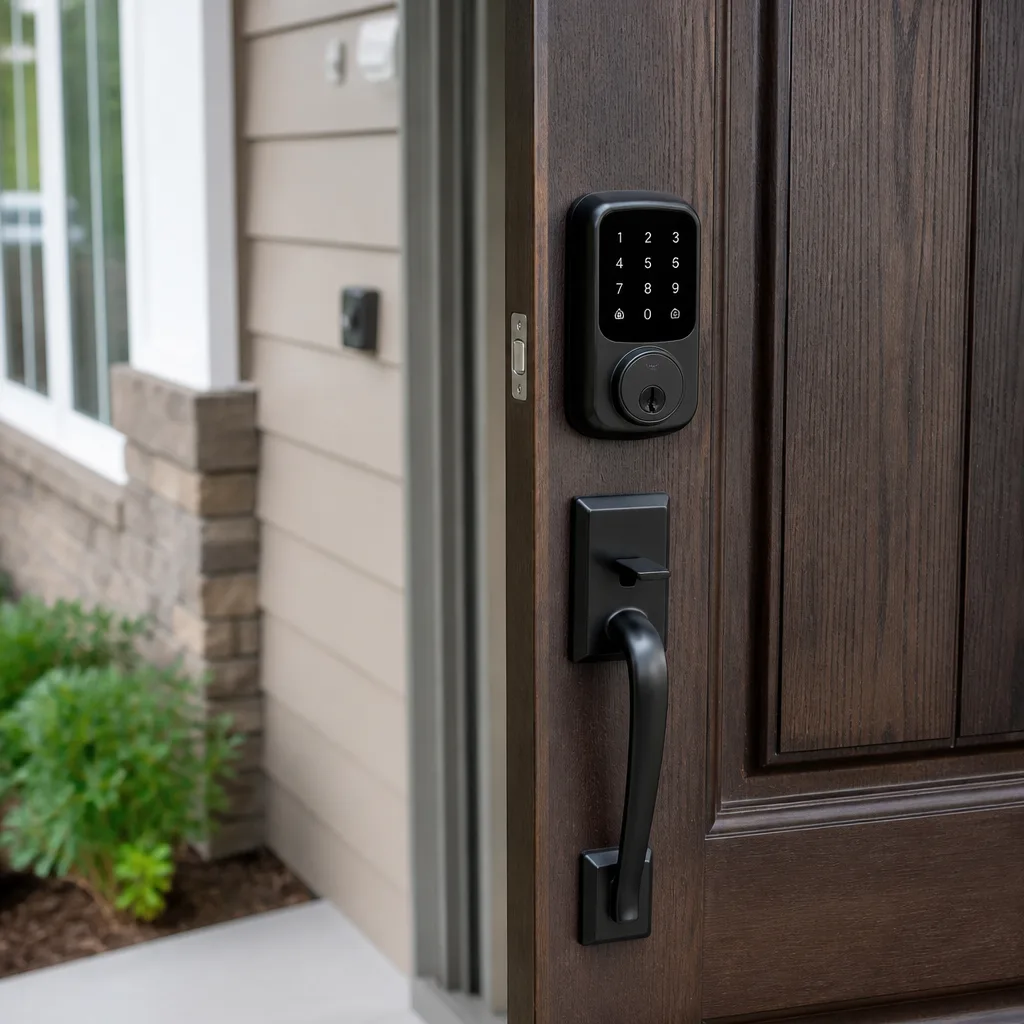
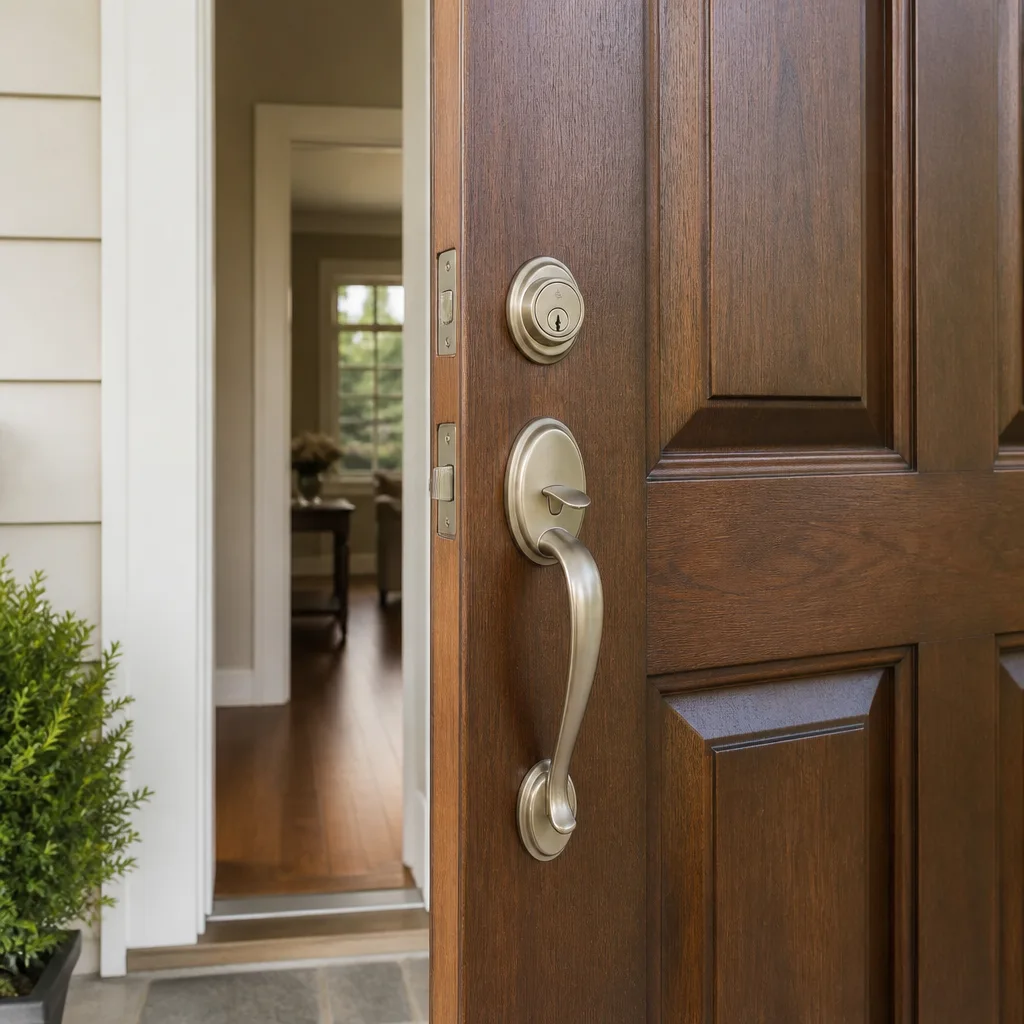
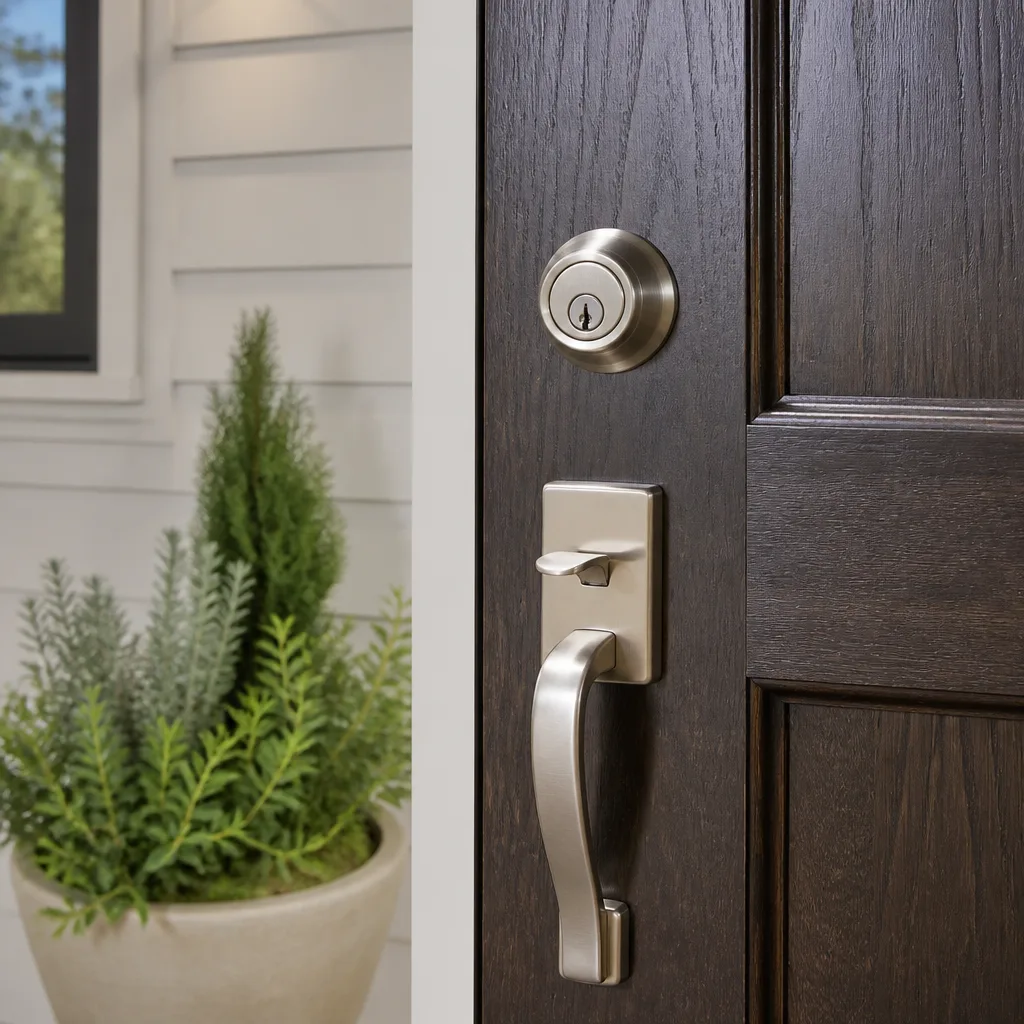
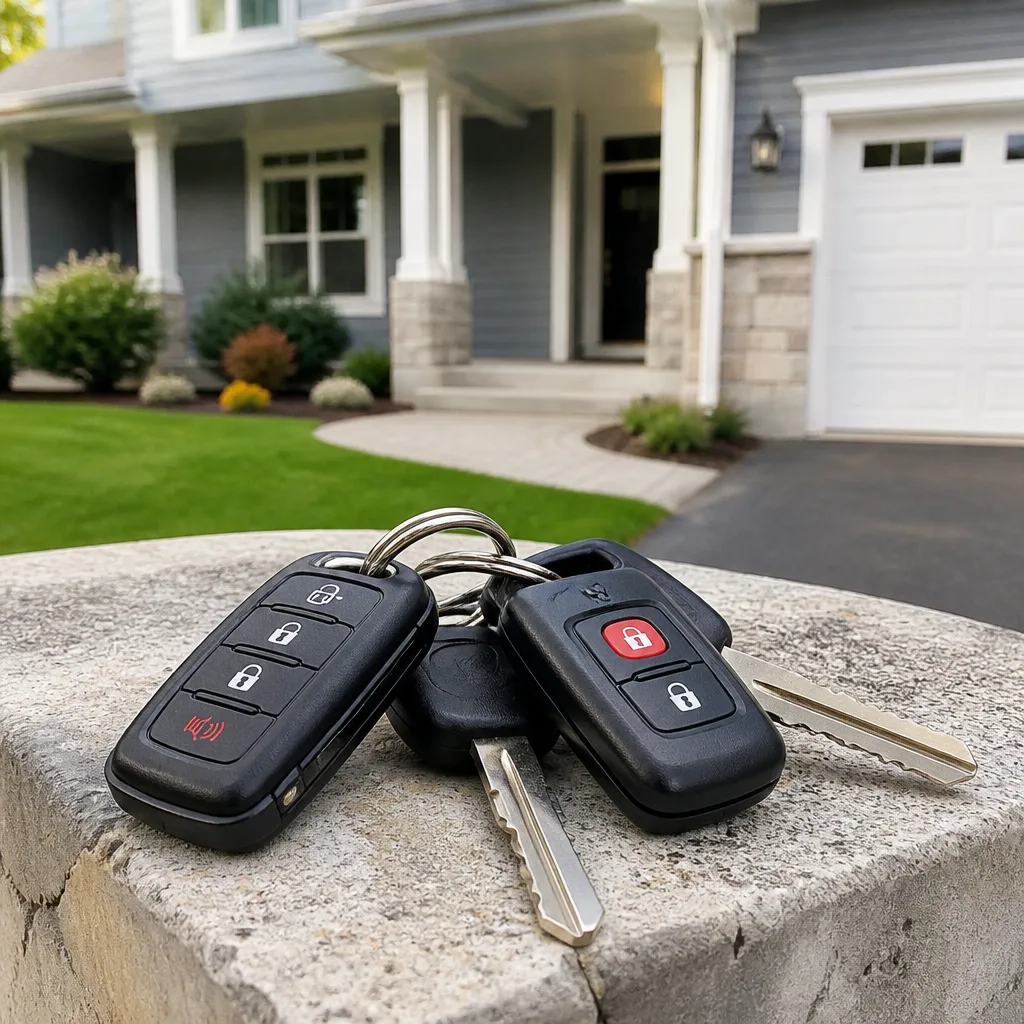
Rekey Locks Warning Signs Every Homeowner Should Know
Your house key has probably been copied by someone you trusted and then stopped trusting, and you haven’t changed the locks since. That’s not paranoia. It’s the most common security gap we see across Los Angeles, where houses change hands, relationships end, contractors finish jobs, and keys quietly circulate far beyond the people you’d happily hand one to today. This guide walks through the warning signs that tell you it’s time to rekey, including several you won’t find in our Residential Locksmith Troubleshooting: Common Problems and How to Fix Them guide. By the end, you’ll know exactly when a rekey solves the problem, when it doesn’t, and what a fair price looks like in the LA market.
Quick Answer
The clearest signs you need to rekey your locks are: someone who once had a key no longer should, you’ve moved into a new home and don’t know who has copies, your key sticks or turns with resistance (indicating pin wear), you see scratch marks or tool damage around the keyhole, or you simply can’t account for every copy of your key. In Los Angeles, our Rekey Locks services typically cost $20 to $45 per cylinder and take about 15 to 30 minutes per lock. The work involves swapping the internal pins so old keys stop working, no new hardware needed.
Table of Contents
- The Warning Sign Most People Miss: Invisible Key Handoffs
- You Just Moved In: The Move-In Rekey Rule
- Physical Warning Signs Inside the Lock Cylinder
- What a Key That Sticks Occasionally Actually Tells You
- You’ve Lost a Key, or a Key Has Gone Missing
- Los Angeles Rental Law: When Landlords Must Rekey
- Rekey vs. Lock Repair: How to Tell the Difference
- What Rekeying Costs in Los Angeles
The Warning Sign Most People Miss: Invisible Key Handoffs
Here’s the thing nobody tells you: the most dangerous moment to skip a rekey isn’t after a break-in. It’s after a key handoff you didn’t even think about as a security event. A dog walker you let go. A housekeeper who had a key for two years. A subcontractor who finished a kitchen remodel six months ago. An ex whose breakup was civil enough that it never occurred to you to collect the key. A family member who borrowed a key once and you’re not sure if they made a copy.
In our experience across Los Angeles, these are the threats homeowners never see coming. A break-in is loud and obvious. You call a locksmith the same day. But a quiet key handoff is invisible, and the risk lingers for months or years. The person with the copy isn’t necessarily malicious. But that copy can be borrowed, pocketed by someone else, or left in a drawer that gets riffled through. A key is a credential. When the trust behind that credential expires, the credential should expire too.
Here’s what to ask yourself honestly:
- Has anyone who no longer works in or around your home ever held a key, even briefly? That includes cleaners, pet sitters, nannies, landscapers, pool techs, and anyone from a previous relationship.
- Did a contractor or subcontractor ever have access to a lockbox, garage code, or hidden key? Codes and hide-a-keys don’t require an actual duplicate to compromise your security.
- Has any family member who shouldn’t have access asked to borrow your key recently, or helped themselves to the spare?
- Did you ever hand a key to a neighbor while traveling and never get it back?
If you answered yes to any of these, a rekey is the right call. Rekeying involves swapping the internal pins inside each lock cylinder so the old keys stop working entirely. The hardware stays in place, but every previous key becomes useless. It’s fast, it’s affordable, and it closes the security gap completely.
You Just Moved In: The Move-In Rekey Rule
Buying a home in Los Angeles is chaotic enough without adding home security to the pile of things to figure out. But here’s the reality: you have no idea how many copies of the previous owner’s key are floating around. Realtors, stagers, contractors, cleaners, pet sitters, extended family, neighbors, the previous owner’s teenagers who handed keys to friends you’ll never meet. Each one represents a set of hands that could walk into your home right now.
The rule we recommend is simple. Rekey on day one, before you move a single box inside. Here’s why:
- You don’t know the full key history. The previous owner might tell you they returned all copies, but they probably don’t actually know. Keys get copied casually. The question isn’t whether the seller was honest. The question is whether a key exists that you can’t account for.
- Apartment renters have the same exposure. In Los Angeles, a rental unit may have gone through a previous tenant who made copies and never returned them. Unless the landlord can show you a recent rekey receipt, assume the key is compromised.
- Real estate agents and contractors used lockboxes. Lockbox codes get shared, written down, and reused across listings. Even if the lockbox is gone, any key that spent time in it is suspect.
- Rekeying is cheap insurance. Expect $20 to $45 per cylinder in LA. Most homes have two to four entry locks. That’s under $200 to know, for certain, that only you and the people you choose have working keys.
We rekey homes after move-in across LA neighborhoods from Eagle Rock to Mar Vista, and the reaction is always the same. Homeowners tell us they feel the difference immediately. It’s not about locking out ghosts. It’s about starting with a clean security ledger.
When a Preston Locksmith & Security home customer books a move-in rekey, we confirm the written price on the phone, send a background-checked technician with a live trackable arrival time, and rekey all cylinders on-site. You get before-and-after photos and a written guarantee on the work. Simple, fast, and done before the moving truck unloads.
Physical Warning Signs Inside the Lock Cylinder
Sometimes the lock itself tells you something’s wrong. You don’t need to be a locksmith to spot the warning signs. You just need to know what to look for, which our Residential Locksmith Maintenance Schedule: What to Do and When covers in detail. Here’s what we look for when inspecting a lock in Los Angeles homes, and what each sign means.
Tool Marks Around the Keyhole
Scratches, gouges, or circular scuff marks around the keyhole are not normal wear. They suggest someone attempted to pick the lock or force the cylinder. A legitimate key doesn’t leave marks. A tension wrench and a pick do. If you see these, someone tried to get in without your permission. Rekeying is a good idea after any tampering attempt, because even if the attempt failed, the key system may be compromised and you want to eliminate any doubt.
Loose or Wobbly Cylinder
Grab the lock face and try to wiggle it. If it moves, the cylinder set screw or retaining pin is failing. That’s a structural issue, not a pin issue, and it means the lock is closer to failing completely. A rekey won’t fix a loose cylinder. That’s a lock repair or replacement job. The good news is it’s easier to catch early than after you’re locked out.
Key Goes In but Won’t Turn Without Jiggling
That jiggle you’ve developed, the little lift-up-and-turn maneuver, is a warning sign. It tells you the pins inside the cylinder are worn, misaligned, or gummed up with years of grime. If you have to finesse your key to get the lock to respond, the lock is telling you it’s near the end of its service life. We’ll explain more below in the sticking key section.
Tarnished or Green Corrosion on the Key
Los Angeles humidity near the coast accelerates brass and nickel corrosion. If your key comes out with green or black residue, the inside of the cylinder is corroding too. That corrosion works its way into the pin chambers and makes the key bind. Coastal neighborhoods like Santa Monica, Playa del Rey, and Long Beach see this more than inland areas like Pasadena or Sherman Oaks, but it shows up everywhere eventually.
What a Key That Sticks Occasionally Actually Tells You
A key that sticks occasionally is not a minor annoyance. It’s a diagnostic signal. Pins and springs inside a lock cylinder wear down over thousands of insertions. As they wear, the key no longer lifts them to the exact right height every time. Sometimes it works. Sometimes it sticks. Sometimes you have to pull the key out halfway and try again. Each of those failures is the lock telling you the pin chambers are losing their precision.
Here’s what’s happening mechanically:
- Every key insertion scrapes metal against metal. Over five or ten years, that friction shaves microscopic amounts of brass from the pins and the key itself.
- The pins drift out of tolerance. Once the pins wear past a certain point, the key can’t reliably push them to the shear line, the point where the cylinder rotates.
- The lock becomes intermittent. The wear isn’t uniform. One pin might be fine while another is marginal. That’s why your key works sometimes and sticks other times.
- Eventually, the key stops working at all. The failure isn’t gradual in a way that gives you a clean deadline. One day it just won’t turn, often when you’re carrying groceries or coming home late.
In coastal Los Angeles, salt air accelerates this wear. In older LA homes with original hardware from the 1940s through 1970s, the underlying cylinders are often decades past their intended service life. A rekey can help if the cylinder itself is still sound and the wear is confined to the pins. But if the cylinder body is worn, a rekey only resets the pins, it doesn’t solve the structural wear. That’s when you need a cylinder replacement or a full lock replacement. A good locksmith will tell you which one you need, not just sell you the cheaper option.
If your key sticks even once a week, don’t wait. The lock is giving you notice. Call a professional, have the cylinder inspected, and get an honest recommendation. Our Door Lock Repair in Los Angeles service exists for exactly this scenario. Sometimes it’s a simple cleaning and rekey. Sometimes it’s a new cylinder. Either way, the written price comes before we start, so you know what it’ll cost before you commit.
You’ve Lost a Key, or a Key Has Gone Missing
A lost key is not the same as a broken key. A broken key leaves a piece in the door and an obvious problem. A lost key leaves a question mark. Where is it? Who has it? Did it fall out of your pocket at the gym, or did someone lift it from your bag? The honest answer is you don’t know. And when you don’t know, you should treat the key as compromised.
Here’s the scenario we hear most often in Los Angeles: someone loses a key or a key ring, and because they still have a spare key, they’re able to get inside and no big deal. But the missing key becomes a standing security liability. Every day that key remains unaccounted for, there’s a possibility that someone found it and knows exactly where it goes. Keys are often found near the car or on the sidewalk near home. If your address is anywhere on that key ring, the finder doesn’t have to guess.
Rekeying after a lost key is the only way to fully close the risk. You can replace the key, but that doesn’t make the lost one stop working. Rekeying changes the internal pin configuration so the lock only opens with the new key. The old key, wherever it is, becomes a useless piece of brass.
If one of your exterior locks uses a premium cylinder, like Medeco or Mul-T-Lock hardware, the rekey process is still straightforward for a trained locksmith. These high-security cylinders use specialized pins and sometimes require a replacement security card, but the principle is the same: old key stops working, new key takes over.
Los Angeles Rental Law: When Landlords Must Rekey
If you’re a renter in Los Angeles, you have specific rights around lock security. Under California Civil Code Section 1941.5, landlords are legally required to rekey or replace locks when a tenant who was a victim of domestic violence, sexual assault, or stalking makes a written request. The tenant must provide a copy of a temporary restraining order, emergency protective order, or police report. The landlord must comply within 24 hours in most cases, and the tenant may be responsible for the rekeying cost.
Beyond that specific law, there is no statewide statute that requires landlords to rekey between every tenant. But here’s what that means in practice: if your landlord skipped the rekey between you and the previous tenant, you cannot know how many copies of your key are out there. The previous tenant’s ex, their cousin, their old roommate, any of them could still hold a working key to your front door.
As a tenant in Los Angeles, you have a few options:
- Ask the landlord for proof of rekey. If the landlord rekeyed between tenants, there should be a receipt or invoice. If they can’t produce one, assume it wasn’t done.
- Request a rekey in writing. Some landlords will agree even if not legally required, especially if you offer to split the cost. A rekey at $20 to $45 per cylinder is a small price for the landlord’s liability protection.
- Know your local protections. Some LA-adjacent cities have local ordinances that impose additional requirements. Santa Monica and West Hollywood, for example, have tenant protection ordinances that may affect lock and security obligations.
If you’re a landlord in Los Angeles, rekeying between tenants should be standard operating procedure. It’s not just about security. It protects you from liability claims if a previous tenant uses an old key to enter. Our Rekey Locks in Los Angeles service handles multi-unit buildings regularly, and the per-cylinder cost drops when you’re rekeying many locks at once. We’ll give you a written quote before the job so you know exactly what you’re paying.
Rekey vs. Lock Repair: How to Tell the Difference
This is the question we answer most often: is my problem a rekey or a repair? They’re different jobs, and paying for the wrong one wastes money. Here’s how to tell which one you need.
Rekeying means changing the internal pins inside the existing lock cylinder so old keys stop working and new keys work. The hardware stays in place. It’s a security measure, not a structural fix. Rekeying is appropriate when the lock is mechanically sound but the key control is compromised: someone has a key who shouldn’t, you lost a key, or you moved in and want a clean slate.
Lock repair or replacement means fixing or swapping out hardware because the lock itself is failing. That includes loose cylinders, broken latch mechanisms, sagging deadbolts, stripped screws, or a key that sticks because the cylinder body is worn beyond service limits. If the lock is structurally compromised, rekeying it is like changing the oil in an engine with a cracked block. The internal work doesn’t solve the real problem.
Here’s a simple diagnostic table:
- Someone has a key who shouldn’t, lock works fine: Rekey. That’s the whole job.
- Key is lost, lock works fine: Rekey. New keys, old keys disabled.
- Key sticks, lock is otherwise solid: May be rekey or cylinder replacement. A technician needs to inspect whether the cylinder body is worn.
- Lock is loose, latch doesn’t catch, deadbolt doesn’t throw fully: Repair or replacement. Rekeying won’t fix structural failure.
- Key broke off in the lock: Repair first. Extract the broken piece, then decide whether the cylinder needs rekeying.
In Los Angeles, homes built before 1980 often have original Baldwin or Schlage hardware that’s been in service for decades. The cylinder might be rekeyable, but the latch and strike plate might also need attention. A good locksmith checks both sides of the equation. We always inspect the full lock set before recommending a rekey, and if the lock is compromised, we’ll tell you. A rekey we can do in 20 minutes isn’t worth doing if the lock fails a month later.
What Rekeying Costs in Los Angeles
Let’s talk numbers, because nobody should call a locksmith without a realistic price range in mind. In Los Angeles, rekeying a standard residential lock cylinder typically costs $20 to $45 per cylinder. Most homes have two to four exterior lock cylinders. So a typical move-in rekey runs $60 to $180 before any additional hardware or service fees. That’s the honest range for standard Schlage, Kwikset, and Yale hardware.
Premium locks cost more. Medeco, Mul-T-Lock, Baldwin, and Abloy cylinders use specialized pins and tighter tolerances, so rekeying them takes longer and the parts cost more. Budget $35 to $75 per cylinder for those, depending on the specific model and whether a replacement security card is required.
Here’s a breakdown of what the price includes and what it doesn’t:
- Per-cylinder rekey labor and pins: $20 to $45 for standard hardware, $35 to $75 for premium.
- Service call fee: This varies by provider. At Preston Locksmith & Security, the full price is quoted on the phone before anyone is dispatched. That price is the price on the invoice. No call-out surcharge added on arrival.
- New keys: Usually $3 to $10 per key depending on the blank. Premium key blanks cost more.
- Additional cylinders: Most homes have a deadbolt and a knob or lever on each entry door. If you want both rekeyed to the same key, that’s two cylinders per door.
Every job at Preston Locksmith & Security includes The Relay Visibility Guarantee. That means the written price is locked before a tool leaves the bag, you get a live trackable arrival time, before-and-after photos of the work, and a written guarantee on every repair. If the rekey isn’t done right, the 365-Day Done Right Promise means we make it right, with a free second visit if it fails. No argument, no charge.
We also service Commercial Locksmith in Los Angeles needs, including rekeys for offices, retail spaces, and multi-unit buildings. Commercial rekeys often involve master key systems and higher security cylinders, and we handle those with the same written pricing and guaranteed work.
Common Mistakes to Avoid
- Waiting until after a break-in to rekey. By then, the damage is done. The smart move is rekeying on the front end, after any event that changes who should have access.
- Assuming the previous owner or landlord rekeyed. Most don’t. Unless you have a receipt, assume every previous keyholder still has a working key.
- Rekeying a lock that’s structurally failing. If the lock sticks, wobbles, or doesn’t latch cleanly, a rekey won’t fix it. You’ll pay for new pins and still have a broken lock.
- Rekeying only the front door. If the back door, garage entry, and side door all use different keys, rekeying one door leaves a gap. Rekey everything to one key and close the whole system.
- Ignoring the sticking key. That intermittent stick is your lock giving you an early warning. Waiting until it fails completely means a lockout call instead of a planned rekey.
- Falling for the bait-pricing game. Some locksmiths quote a low teaser price online, then inflate the bill on-site. Ask for the full price on the phone before anyone drives out, and confirm it’s the price on the invoice.
- Not asking about the guarantee. If a locksmith won’t put the guarantee in writing, walk away. A rekey is either done right or it isn’t, and you should know who’s accountable if it isn’t.
When to Call a Professional
Rekeying is not a DIY job. The process requires disassembling the lock cylinder, removing the plug, replacing the pins, reassembling everything, and testing it. Get it wrong and the lock fails, the key jams, or the cylinder falls apart. High-security locks like Medeco and Mul-T-Lock add another layer of complexity with specialized pins and tight tolerances. If you’ve lost key control, seen signs of tampering, moved into a new home, or noticed your key sticking, call a professional, or check our more guides & resources first. Preston Locksmith & Security offers free estimates in Los Angeles. Call (409) 405-4485 and you’ll speak to a live person who can quote the rekey over the phone before anyone is dispatched.
Frequently Asked Questions
Rekey if the lock is mechanically sound but someone has a key who shouldn’t, you lost a key, or you moved in and want to invalidate all old keys. Replace the lock if the hardware is structurally failing, such as a loose cylinder, a sagging deadbolt, or a latch that doesn’t catch. In our experience, if the key sticks even occasionally and the cylinder body is worn, a rekey alone won’t solve the problem.
Rekeying a standard residential lock cylinder in Los Angeles typically runs $20 to $45 per cylinder. Premium cylinders like Medeco, Mul-T-Lock, and Baldwin run $35 to $75 per cylinder. Most homes need two to four cylinders rekeyed, so a typical job lands between $60 and $180. Call (409) 405-4485 for an exact quote, estimates are free and the price is confirmed before anyone is dispatched.
At Preston Locksmith & Security, yes. The price quoted on the phone is the price on the invoice. There’s no call-out surcharge added on arrival and no bill that swells between the estimate and the work. Every job includes a written price before a tool leaves the bag, as part of The Relay Visibility Guarantee.
Yes. If your locks use different keys and you want one key to open everything, a locksmith can rekey all cylinders to a single key. This is called keyed-alike rekeying and it’s one of the most popular services we perform in LA. If your locks use different brands, like Schlage on one door and Kwikset on another, it may require additional hardware, but a single key is usually achievable.
Preston Locksmith & Security offers same-day service across Los Angeles with a live trackable arrival time. When you book, you get a real arrival window and a technician you can follow on the map. No four-hour waiting windows, no phone tag. Call (409) 405-4485 and a live person will confirm your time slot.
Sometimes, but not always. If the stick is caused by worn pins, a rekey replaces those pins and can resolve the problem. If the stick is caused by a worn cylinder body or corrosion inside the cylinder housing, a rekey won’t fix it and the cylinder needs replacement. A quick inspection tells us which one you’re dealing with, and we’ll recommend the cheaper fix that actually solves the problem.
The Bottom Line
Rekeying is the most underrated security upgrade a homeowner can make. It’s fast, affordable, and completely resets who has access to your home. The warning signs are there if you look for them: a key handoff to someone you no longer trust, a move-in with unknown key history, a sticking key, tool marks on the cylinder, a lost key, or a landlord who can’t produce a rekey receipt. In Los Angeles, where houses change hands constantly and locks face coastal corrosion, the smart move is to rekey early and rekey everything. The price is modest. The peace of mind is real. And the guarantee should be too.
Written by Kevin Yoon, Owner at Preston Locksmith & Security, serving Los Angeles since 2008.