
Last updated October 9, 2026
Non-destructive entry first, always - and we re-key Schlage, Kwikset, and Baldwin locks on the spot while you watch
You get a price before we start. It does not change when we arrive. No surprises.
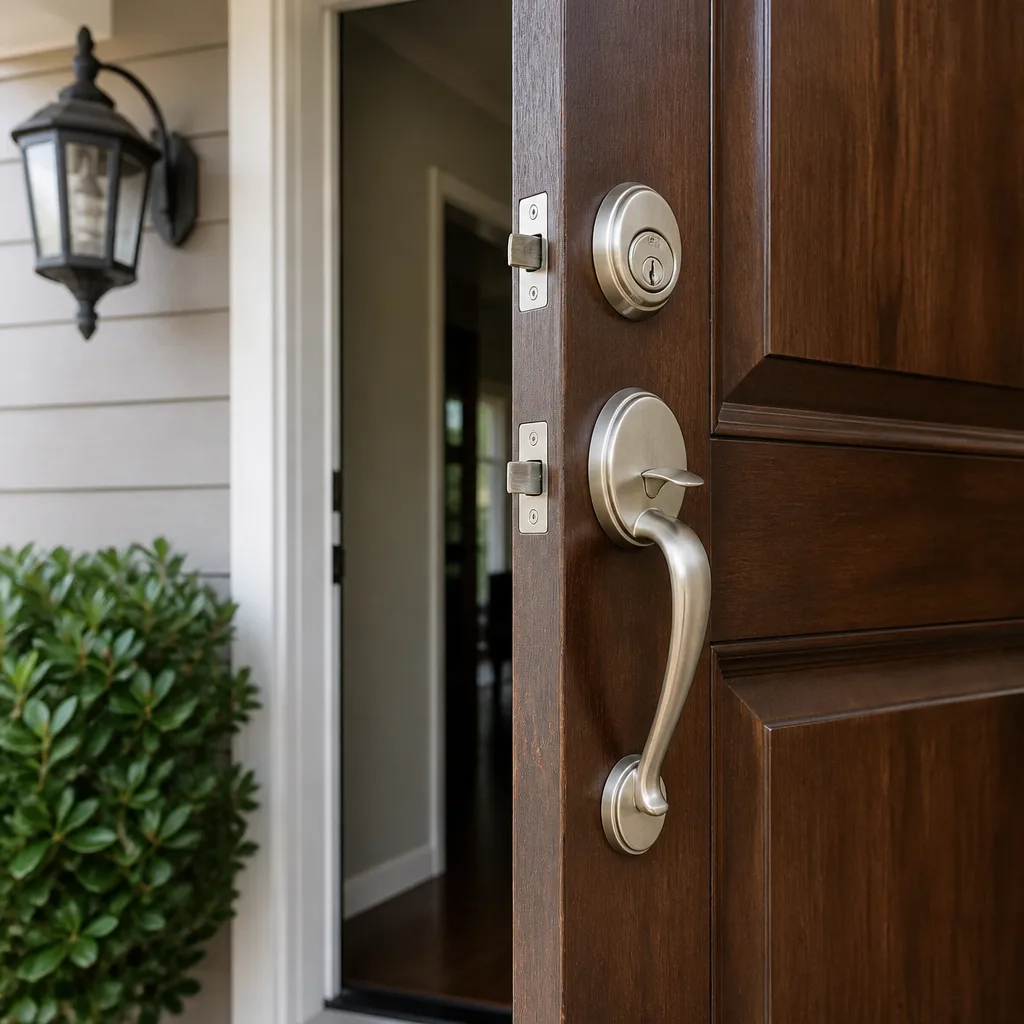
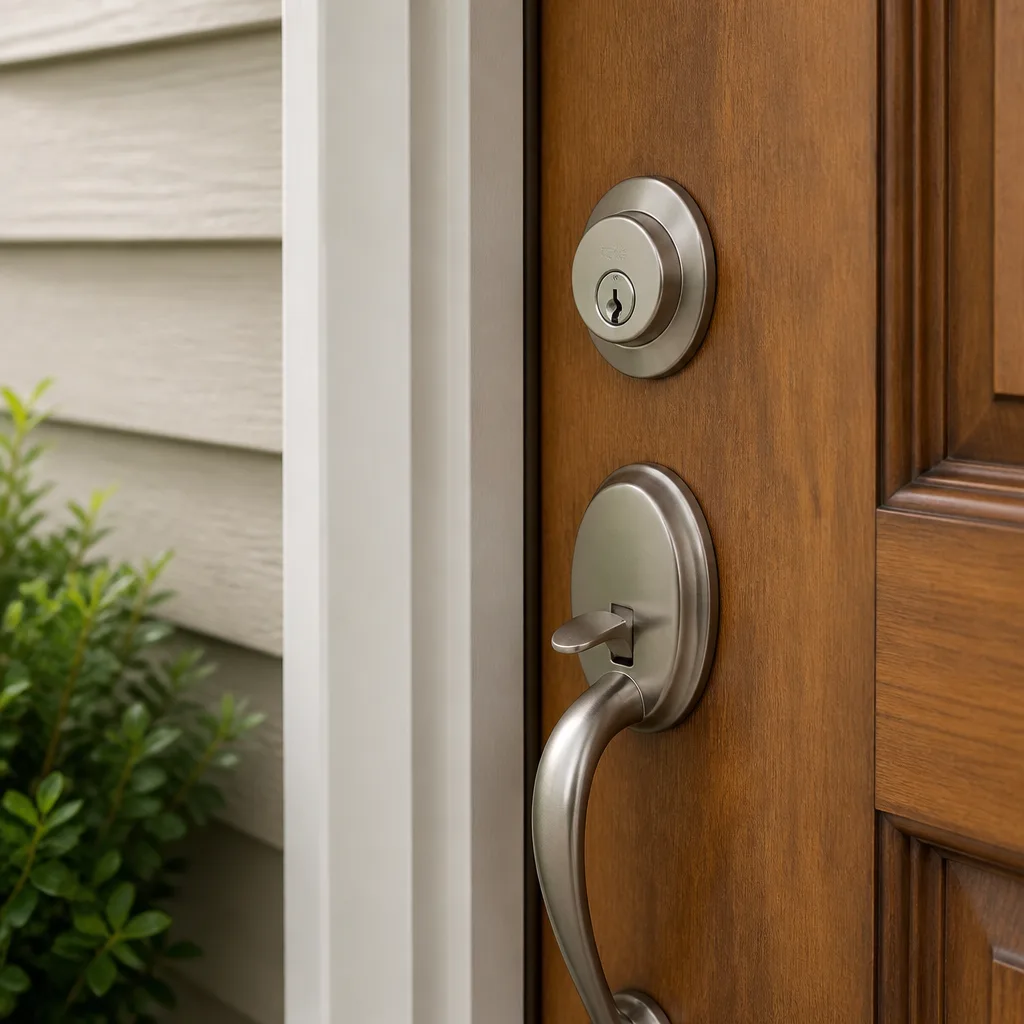
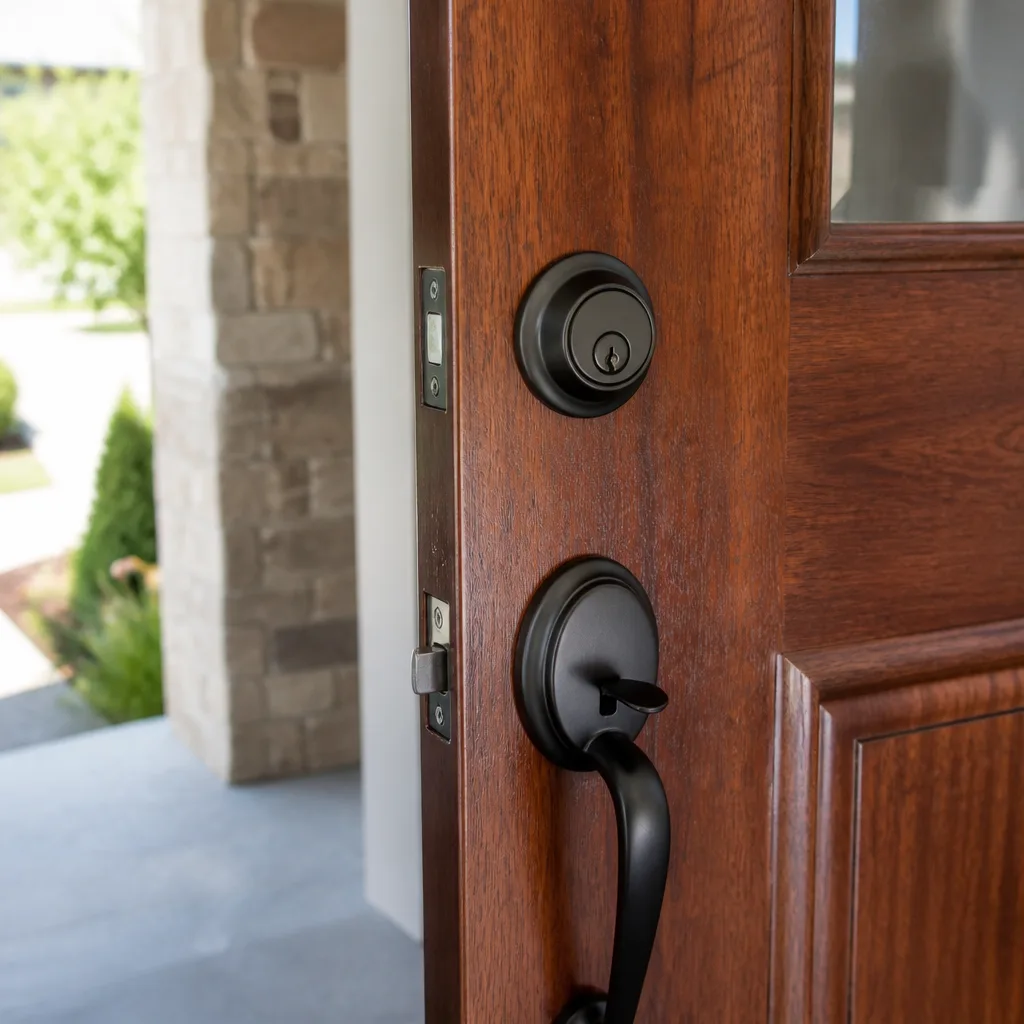
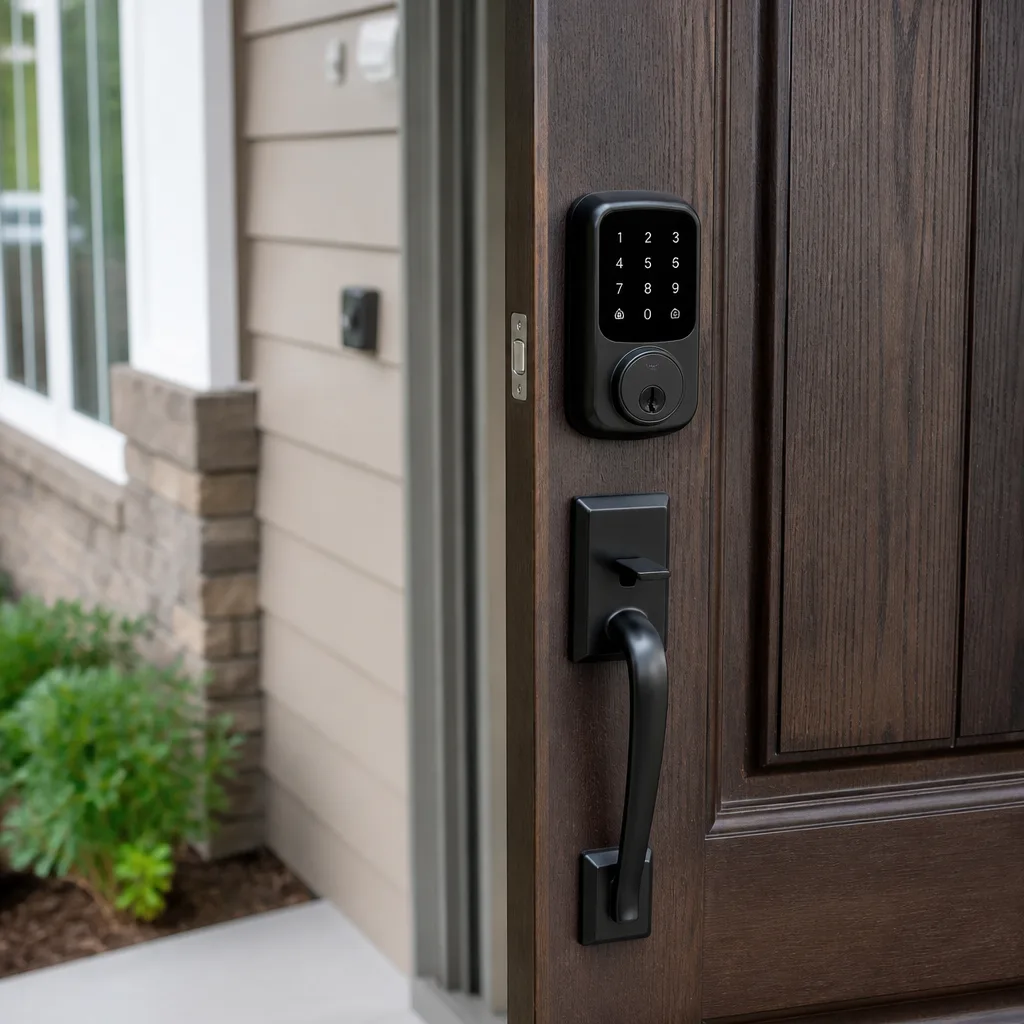
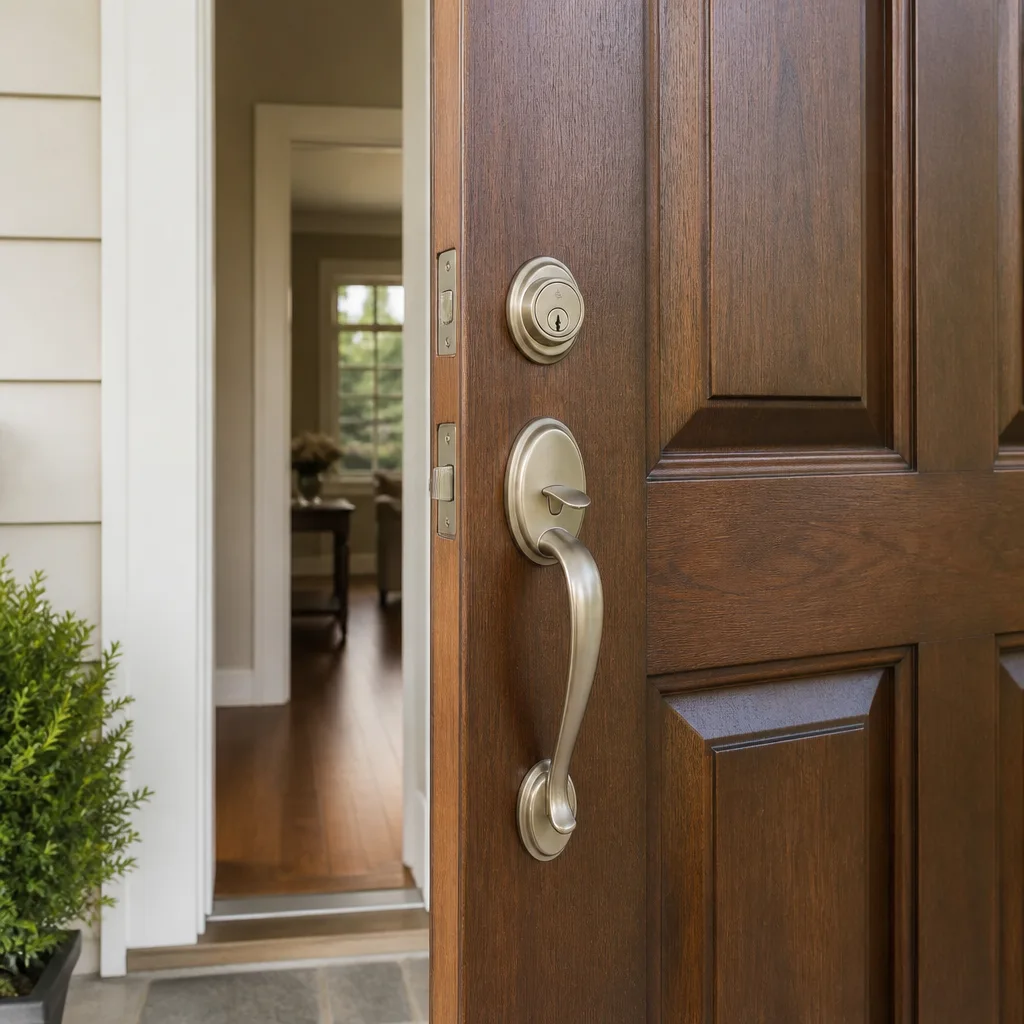
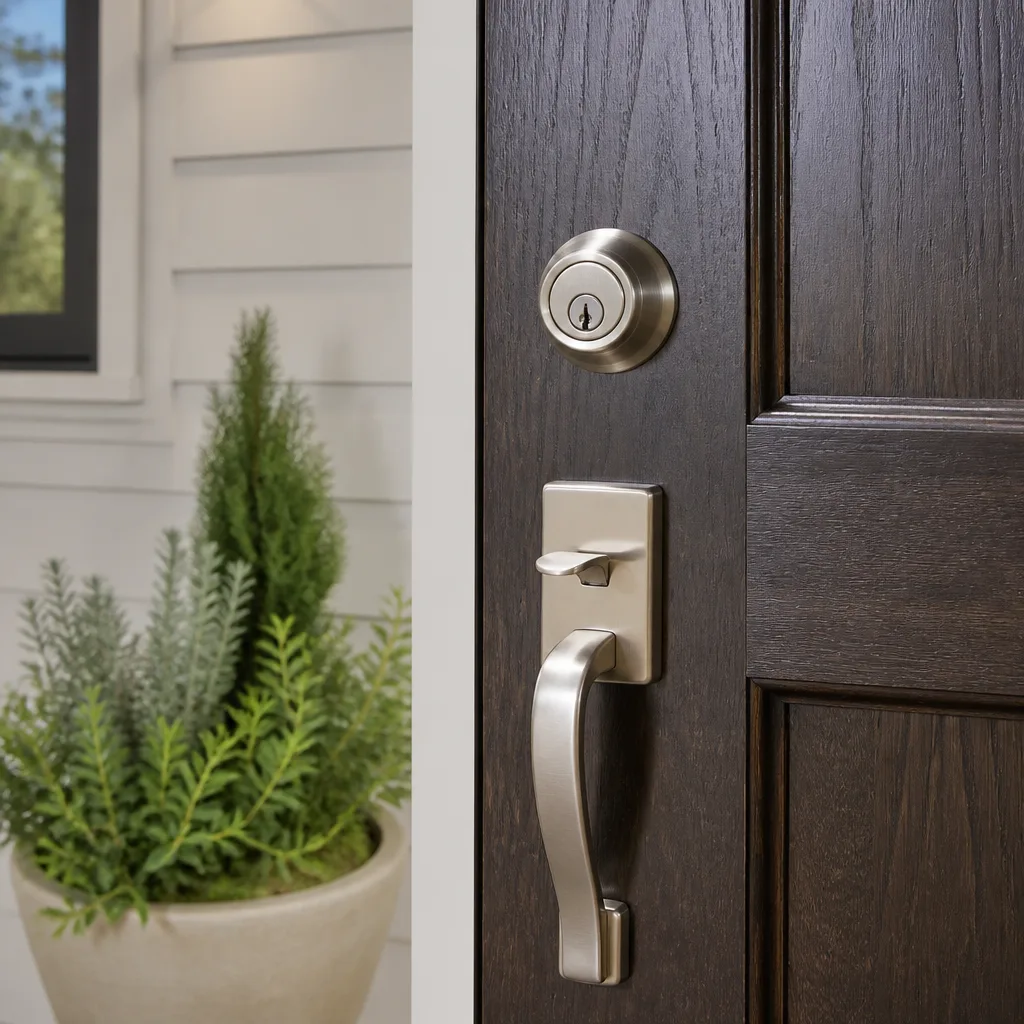
Choosing the Right Locksmith Brand: A Buyer’s Guide for Los Angeles
A Grade 1 ANSI-rated deadbolt is meaningless if the door frame it’s bolted to has a half-inch strike plate with half-inch screws. That setup describes roughly 60% of residential doors in Los Angeles built before 1990, and it’s why we see so many burglaries where the lock held fine but the door frame gave way. This guide cuts through the “military-grade” marketing language and gives you three practical variables to evaluate any lock brand: rekeying cost, local parts availability, and compatibility with your existing door prep. If you’re a Los Angeles homeowner or small-business operator buying a lock this year, you’ll finish this page knowing exactly which brand fits your door, your budget, and your actual security needs, not the ad copy.
Quick Answer
The best lock brand for a Los Angeles homeowner is Schlage for most exterior doors, because rekeying runs $18 to $30 per cylinder with locally stocked parts at nearly every LA hardware supplier, and its standard backset matches most pre-1990 LA door preps without modification. Choose Medeco or Mul-T-Lock only if you run a commercial property or need patented key control, since their rekeying runs $35 to $75 per cylinder and requires a dealer-our Commercial Locksmith Maintenance Schedule: What to Do and When can help you plan these costs. Skip Kwikset’s entry-level line for exterior doors in Los Angeles unless you’re replacing an interior lock, because the SmartKey rekey system is convenient but its Grade 3 versions fail prying tests that matter in a city with 28,000+ annual burglaries.
Table of Contents
- What ANSI Grades Actually Measure (and Why Grade 1 Is the LA Minimum)
- Brand by Brand: Schlage, Kwikset, Medeco, Baldwin, and Mul-T-Lock in Los Angeles
- Smart Lock Brands in LA: WiFi Density, App Longevity, and Door Prep
- Matching a Lock Brand to Your Door Prep: Two Measurements to Take First
- The Total Cost of Ownership Math: Why Cheap Locks Cost More Over Five Years
- Los Angeles Parts Availability: What Actually Gets Stocked Locally
- Common Mistakes to Avoid
- When to Call a Professional
What ANSI Grades Actually Measure (and Why Grade 1 Is the LA Minimum)
ANSI/BHMA grades are not a marketing tier system. They are the result of a physical test: the lock is hit, pried, torqued, and cycled a specific number of times, and the grade reflects what it survived. Grade 3 survived the least, Grade 1 the most. The three grades break down like this:
- Grade 3: 200,000 open/close cycles, and a prying test that a determined teenager with a crowbar can beat in under 30 seconds. Fine for bedroom doors. Not for an exterior door facing a street or alley in Los Angeles.
- Grade 2: 400,000 cycles and double the pry resistance of Grade 3. Acceptable for apartment interior entry doors and some side doors, where the door frame is reinforced and the entry point is not visible from the street.
- Grade 1: 800,000 cycles, a 10-strike impact test, and the highest pry and torque resistance in the ANSI/BHMA test suite. This is what commercial buildings in downtown LA install, and it’s what we recommend for any exterior door on a single-family home or storefront in Los Angeles, where property crime density is 30% above the national average.
Most homeowners don’t realize that the strike plate and screws are not part of the ANSI lock test. The test measures the lock body and cylinder, not the installation. So a Grade 1 deadbolt mounted with the short screws that come in the box, on a door frame with a thin strike plate, still fails in a real break-in. The lock doesn’t get pried open. The strike plate tears out of the jamb. This single gap between what the test measures and what actually fails is the number one reason we recommend pairing any new lock purchase with a strengthened strike plate and 3-inch screws that reach the door’s framing stud. The lock brand matters, but in our experience across Los Angeles neighborhoods from Boyle Heights to Woodland Hills, installation quality is the variable that decides whether a burglary attempt succeeds-see our Commercial Locksmith Troubleshooting: Common Problems and How to Fix Them for related guidance.
Brand by Brand: Schlage, Kwikset, Medeco, Baldwin, and Mul-T-Lock in Los Angeles
Here’s what each major brand actually looks like for a Los Angeles buyer, measured against the three variables that matter: rekeying cost, local parts availability, and door prep compatibility.
Schlage
Schlage is the default recommendation for most LA residential exterior doors. Rekeying a Schlage cylinder typically runs $18 to $30 per cylinder through a locksmith, and replacement pins, springs, and cylinders are stocked at every major LA hardware supplier, which means a same-day rekey is almost always possible. The standard Schlage deadbolt uses a 2-3/4-inch backset on many models, but the adjustable latch fits both 2-3/8-inch and 2-3/4-inch preps, which covers the vast majority of LA doors. The B60N deadbolt is a Grade 1 lock that retails around $35 to $50, and it accepts standard Schlage keyways, so rekeying it later doesn’t require a proprietary kit or dealer visit. We service Schlage hardware every week at Preston Locksmith & Security, and it remains the easiest brand to rekey, repair, and match across multiple doors.
Kwikset
Kwikset dominates the big-box shelf in Los Angeles because the SmartKey system lets a homeowner rekey the lock in 30 seconds with no tools. That’s genuinely useful for a rental property owner who turns units between tenants. The tradeoff is the Grade 3 versions of these locks, which are not meaningfully resistant to prying. The Grade 2 and Grade 1 Kwikset lines, like the Signature Series, are better, but they cost within $10 of a comparable Schlage and don’t offer any advantage for a homeowner who isn’t doing frequent self-rekeying. The rekeying cost on Kwikset’s standard pin-tumbler cylinders is the same $18 to $30 per cylinder as Schlage, but SmartKey cylinders don’t rekey the traditional way, they reset through the SmartKey process, which means a locksmith who didn’t bring the right SmartKey tool can’t rekey it on the spot. Most of us carry those tools, but it’s one more compatibility variable to think about.
Medeco
Medeco is the high-security standard for commercial properties in Los Angeles, and the reason is key control. Medeco keys are protected under patent, so no hardware store can duplicate them without your authorization, and every key blank is tracked. That matters if you run a building with tenants, employees, or a maintenance staff and you don’t want uncontrolled key copies floating around. Rekeying a Medeco cylinder in Los Angeles runs $35 to $75 per cylinder, because the parts are restricted and only Medeco dealers can order them. The lock bodies are exceptionally well made and routinely outlast the building hardware around them. For a single-family home, Medeco is overkill unless you have a specific threat model. For a commercial property in Los Angeles, it’s often the right call.
Baldwin
Baldwin is what we recommend when the homeowner cares about the look of the hardware as much as the mechanical function. Baldwin’s forged brass and solid construction are real, not decorative veneer, and the brand holds up well in LA’s coastal salt air where cheap plated locks corrode within a few years. Baldwin locks use standard Schlage-compatible keyways on many models, which means rekeying runs the same $18 to $30 per cylinder and parts are available, though not as universally stocked as Schlage. The current Baldwin product line, under the Hardware & Homeownership umbrella, is not what the company built its reputation on in the 1980s and 1990s; the premium models are still excellent, but the entry-level Baldwin lookalikes don’t justify their price. If you’re in Los Angeles and considering Baldwin, buy the solid brass lines, not the alloy versions.
Mul-T-Lock
Mul-T-Lock, an Israeli high-security brand, has strong dealer support in Los Angeles and is widely installed in multi-family buildings and commercial properties across the San Fernando Valley and West LA. The keys are telescoping pin systems, which makes unauthorized duplication very difficult, and the brand’s key control is comparable to Medeco’s. Rekeying runs $35 to $75 per cylinder in LA, and because the parts are restricted, only authorized Mul-T-Lock dealers can service them. The door prep requirements are standard, so installation is no more difficult than any other deadbolt, but the lifetime servicing cost is meaningfully higher. For a commercial property or a building where key control is a legal or insurance requirement, Mul-T-Lock is a strong option. For a standard home, the same money is better spent on a Grade 1 Schlage with a reinforced strike and upgraded screws.
Smart Lock Brands in LA: WiFi Density, App Longevity, and Door Prep
Smart locks in Los Angeles face a specific problem that most national reviews ignore: 2.4 GHz WiFi congestion. In a dense apartment building in Koreatown or a street of small-lot homes in Echo Park, a dozen networks are broadcasting on the same channel, and a smart lock at the front door, with its radio antenna inside a metal lock body, is the most likely device to drop off the network. WiFi-connected smart locks routinely fail to reconnect after a router reboot or a power flicker, and Los Angeles gets both during heat waves and Santa Ana wind events.
Our recommendation is to buy a smart lock that operates on Bluetooth or Z-Wave first, with WiFi as an optional bridge, rather than a lock that requires a constant WiFi connection to function at all. Brands like Schlage’s Encode Pro and Yale’s Assure line with Z-Wave modules fit this model. The lock works locally, and the WiFi hub handles remote access without making the lock itself dependent on cloud connectivity.
The second smart lock variable specific to Los Angeles is app longevity. Smart lock companies have been acquired, shut down, or pivoted repeatedly over the last decade. When the app company shuts down, the lock does not become a brick in most cases, because the keypad or key cylinder keeps working, but remote access, schedules, and guest codes disappear. Before buying a smart lock, check whether the brand has a physical key override (a real keyway, not just a keypad) and whether the lock can be operated without the app at all. In our experience, homeowners who skip this check are the ones calling a door lock repair service in Los Angeles two years later asking why their $300 lock stopped responding to their phone.
Door prep for smart locks is the third LA-specific issue. Many smart deadbolts require a 2-1/8-inch cross bore and a specific backset, and LA homes built before 1960 sometimes have smaller bores or non-standard spacing. Measure before you order. We cover the exact measurements in the next section.
Matching a Lock Brand to Your Door Prep: Two Measurements to Take First
Before you spend money on any lock, take two measurements. This sequence saves you a trip to the hardware store with the wrong box and a $75 return visit from a locksmith.
- Measure the backset. The backset is the distance from the edge of the door to the center of the lock’s keyhole or thumb turn. In Los Angeles, the vast majority of residential doors are 2-3/8 inches or 2-3/4 inches. Open the door, pull the deadbolt or knob off, and measure from the door edge to the center of the bore. If it’s 2-3/8 inches, most adjustable latches will fit. If it’s 2-3/4 inches, you need a lock with an adjustable latch that extends, which Schlage and most mid-tier brands include. If your door is a non-standard 5-inch backset, which we see on some 1920s Craftsman homes in Highland Park and Angelino Heights, you’ll need a specific extended latch or a locksmith’s help.
- Measure the cross bore diameter. The cross bore is the round hole through the face of the door. Standard is 2-1/8 inches. Some older Los Angeles doors, particularly in Spanish Revival homes built in the 1920s and 1930s, have 1-1/2-inch or 1-3/4-inch bores. A modern deadbolt will not fit a smaller bore without drilling, and the brands don’t mention this on the box. If your bore is smaller than 2-1/8 inches, you’re looking at door modification or a professional install.
If both measurements are standard, any major brand will fit without modification, and your choice comes down to rekeying cost and local parts availability. If either measurement is non-standard, that single fact overrides brand preference. The lock that fits your existing door prep beats the lock that requires a $150 carpentry project to install. We service every brand in this guide, and the number of locks we replace because the homeowner bought the wrong backset and stripped the door trying to make it work is not zero. Measure first.
The Total Cost of Ownership Math: Why Cheap Locks Cost More Over Five Years
The sticker price on a lock is the smallest number in the total cost equation. In Los Angeles, where a locksmith visit for a rekey or repair runs $85 to $150 on top of parts, the five-year cost of a cheap lock often exceeds a mid-tier lock by a wide margin. Here’s the math on three realistic options:
- Cheap import deadbolt, $12 at a discount store. Lock fails or sticks within two to three years, particularly on west-facing doors in LA where the marine layer and afternoon sun cycle causes cheap brass internals to corrode. Rekeying is often not possible because the cylinder is cast, not pinned. Replacement plus labor: $100 to $160. Repeat at year three and year six.
- Kwikset Grade 3 SmartKey, $25 at a big-box store. The rekey-anytime feature is convenient, but the Grade 3 body fails a basic pry test, and if the lock is on a visible entry door in a Los Angeles neighborhood with property crime, the cost of a break-in is the deductible plus the replacement hardware. Insurance often declines claims if the lock was Grade 3 and the door frame wasn’t reinforced.
- Schlage B60N Grade 1, $35 to $50. Rekeyable for $18 to $30 per cylinder any time you want to change keys, parts stocked at every LA supplier, and the lock body survives prying attempts that destroy cheaper locks. Over five years, even with one rekey, the total cost is lower than the cheap import because nothing fails and nothing needs replacing.
The rekey-ability variable is the one most buyers skip. A lock you can’t rekey means every key change is a full hardware replacement. A rekeyable lock means a $20 to $30 cylinder service instead of a $45 to $60 new lock plus installation. For anyone in Los Angeles who changes roommates, tenants, cleaners, pet sitters, or contractors with any regularity, rekey-ability is worth more than any brand’s marketing claim. This is exactly why we recommend Schlage as the default for LA exterior doors and why we offer rekey locks in Los Angeles as a same-day service with the price quoted before we start.
Los Angeles Parts Availability: What Actually Gets Stocked Locally
Los Angeles is a big enough market that most major lock brands have local distribution, but “available” is not the same as “stocked.” Here’s what we actually see when we need a part same-day:
- Schlage: Pins, springs, tailpieces, latches, and cylinders are stocked at multiple wholesale suppliers across Los Angeles County. A same-day repair is almost always possible, and we can match finishes without ordering.
- Kwikset: Standard pin-tumbler parts are stocked, but SmartKey-specific internal components often require a full cylinder replacement rather than a component repair.
- Medeco: Restricted. Parts are ordered through the Medeco dealer network, and same-day repair is not guaranteed. Plan ahead for Medeco service.
- Baldwin: Finishes and trim pieces are the slowest to source, because Baldwin’s current manufacturing spans multiple product generations and older models have been discontinued. A Baldwin lock from the 1990s may need a full replacement rather than a part repair.
- Mul-T-Lock: Restricted, like Medeco. Parts are available through authorized dealers in LA, but same-day is not always possible.
If you’re choosing a lock for an entrance that you can’t afford to have non-functional for a day or two, choose a brand with deep local parts stocking. In Los Angeles, that brand is Schlage, with Kwikset close behind. The restricted keyway brands are excellent locks, but their servicing model assumes you have time. When a storefront on Melrose Avenue has a deadbolt fail on a Friday afternoon, the business owner doesn’t care about key control. They care about getting the door locked tonight. That’s the context most brand reviews miss, and it’s a big part of why our commercial locksmith service in Los Angeles stocks parts for the standard brands on every truck.
Common Mistakes to Avoid
- Buying a lock online without measuring the backset. We covered the two measurements above. Skipping them means a return trip, a restocking fee, or a stripped door. In Los Angeles, where pre-1960 housing stock is common and bore sizes vary, this mistake is more frequent than in newer markets.
- Installing a Grade 3 lock on a visible exterior door. The lock may say “heavy duty” on the box, but Grade 3 fails the pry test that a basic crowbar attempt applies. Any exterior door visible from the street in Los Angeles should get Grade 2 minimum, Grade 1 recommended.
- Leaving the stock strike plate and screws. The lock is only as strong as the jamb it’s attached to. A $4 reinforced strike plate and 3-inch screws are the highest-value upgrade in residential security, and almost no one does it.
- Buying a smart lock that requires constant WiFi and has no key override. When the router reboots or the app company folds, you’re locked out. Choose Bluetooth or Z-Wave operation with a physical keyway.
- Ignoring rekeying cost when comparing prices. A $12 lock that can’t be rekeyed costs more over five years than a $40 lock that can. Run the total cost math before you buy.
- Buying a restricted-keyway brand like Medeco or Mul-T-Lock for a single-family home unless you genuinely need key control. The lock is excellent, but the rekeying cost and parts lead time are real. Spend the difference on installation quality instead.
- Buying a lock based on a national review that didn’t test Los Angeles conditions. Coastal salt air, dense WiFi, and pre-war door preps are all LA-specific variables that national roundups tend to ignore.
When to Call a Professional
Call a professional when your door prep is non-standard, when the lock is part of a commercial building where key control matters, or when the lock has already failed and the door won’t secure. A broken deadbolt on an exterior door in Los Angeles is a same-day problem, not a weekend project. If you’re not confident about the backset or cross bore measurements, or if the existing lock was installed improperly and the door frame is damaged, a trained locksmith can assess and repair the underlying issue in one visit. Preston Locksmith & Security offers free estimates in Los Angeles, with a written price before any work starts and a live arrival time you can track. Call (409) 405-4485.
Frequently Asked Questions
Schlage is the best default for most Los Angeles exterior doors because its Grade 1 deadbolts run $35 to $50, rekeying costs $18 to $30 per cylinder with locally stocked parts, and the adjustable latch fits the standard 2-3/8-inch and 2-3/4-inch backsets found on most LA doors. Medeco or Mul-T-Lock are better for commercial key control scenarios. Call (409) 405-4485 and we can recommend a specific model for your door after you share the backset and bore measurements.
Rekeying a standard Schlage or Kwikset pin-tumbler cylinder in Los Angeles typically runs $18 to $30 per cylinder, not including the service call, which varies by locksmith. Medeco and Mul-T-Lock run $35 to $75 per cylinder because the parts are restricted. At Preston Locksmith & Security, the full price is quoted in writing before we start, and that’s the price on the invoice.
Yes, but choose a smart lock that operates on Bluetooth or Z-Wave rather than requiring a constant 2.4 GHz WiFi connection, because dense apartment buildings in Los Angeles have severe WiFi congestion that causes WiFi-only locks to drop offline. Also verify the lock has a physical key override so you’re not locked out if the app company shuts down or the router fails.
The Kwikset SmartKey system is convenient for self-rekeying and fine for interior doors, but the Grade 3 versions don’t survive a basic prying attack, and exterior doors in high-property-crime Los Angeles neighborhoods should have Grade 2 or Grade 1 hardware. The Signature Series Kwikset at Grade 2 or Grade 1 is a better choice than the entry-level models.
Some Los Angeles-area insurance policies include language about minimum lock standards, and a Grade 3 deadbolt with an unreinforced jamb can be cited in a claim denial, particularly if the insurer determines the lock was inadequate for a visible exterior door. A Grade 2 or Grade 1 lock with a reinforced strike plate is the safer route. We don’t give insurance advice, but we’ve seen enough claims conversations to recommend upgrading before an incident.
A standard deadbolt installation or replacement on a door with standard prep typically takes 30 to 60 minutes on site, and same-day service is normal for most Los Angeles locksmiths. Preston Locksmith & Security provides a live trackable arrival time, so you know when the technician will show up, and the written price is confirmed before we dispatch. Call (409) 405-4485 for a free estimate.
The Bottom Line
Brand choice in locks matters less than most buyers think, and more in the details they skip. The right lock for a Los Angeles home is a Grade 1 or Grade 2 deadbolt with rekeyable pins, an adjustable backset that matches your door, and a brand with parts stocked locally so you’re never waiting days on a repair. Schlage is the default because it clears all three bars. Kwikset makes sense for interior doors and self-rekeying use cases. Medeco and Mul-T-Lock earn their price in commercial key control environments. And regardless of brand, reinforced strike plates and long screws are the cheapest meaningful upgrade you can make. If you’re not sure what your door needs, explore more guides & resources or call us, we’ll help you sort it out over the phone. No runaround, no vague hourly rate, just a written price before a single tool leaves the bag.
Written by Kevin Yoon, Owner at Preston Locksmith & Security, serving Los Angeles since 2008.