
Last updated October 9, 2026
Non-destructive entry first, always - and we re-key Schlage, Kwikset, and Baldwin locks on the spot while you watch
You get a price before we start. It does not change when we arrive. No surprises.
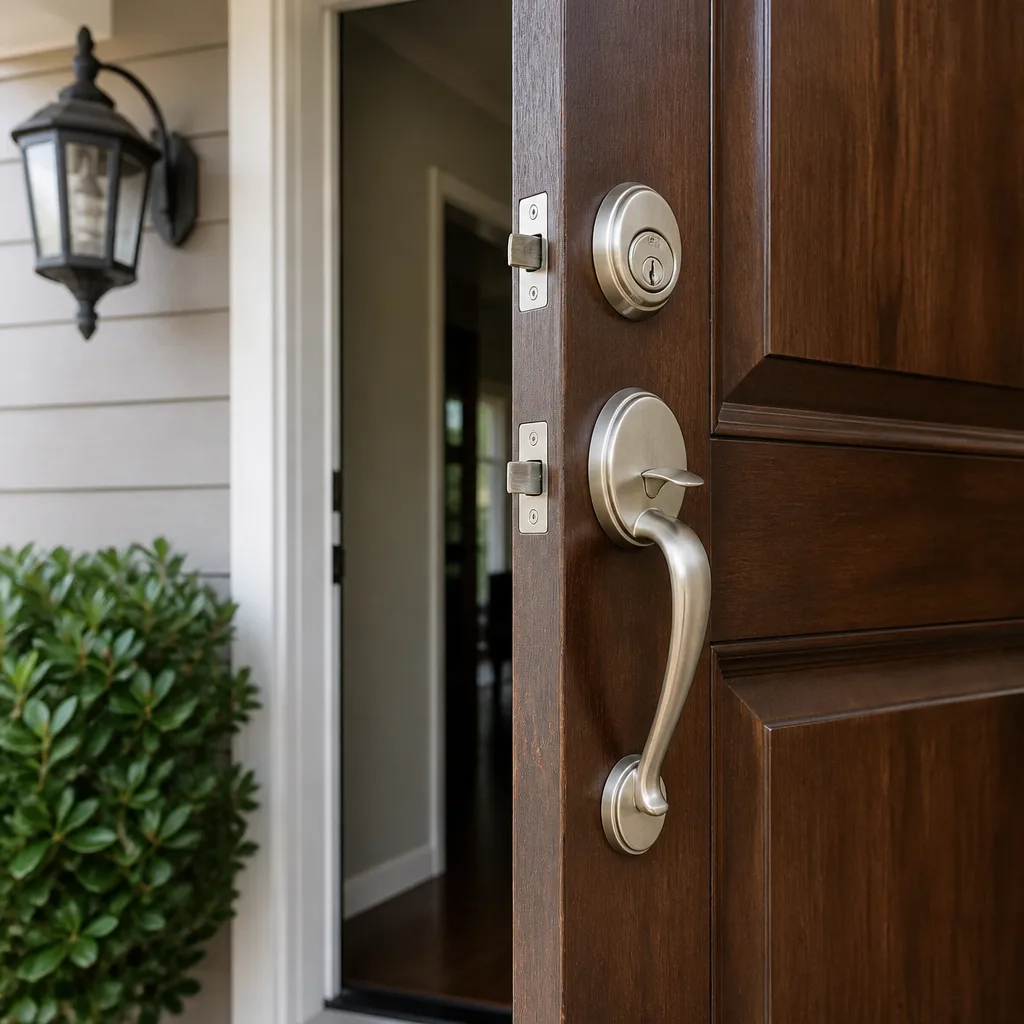
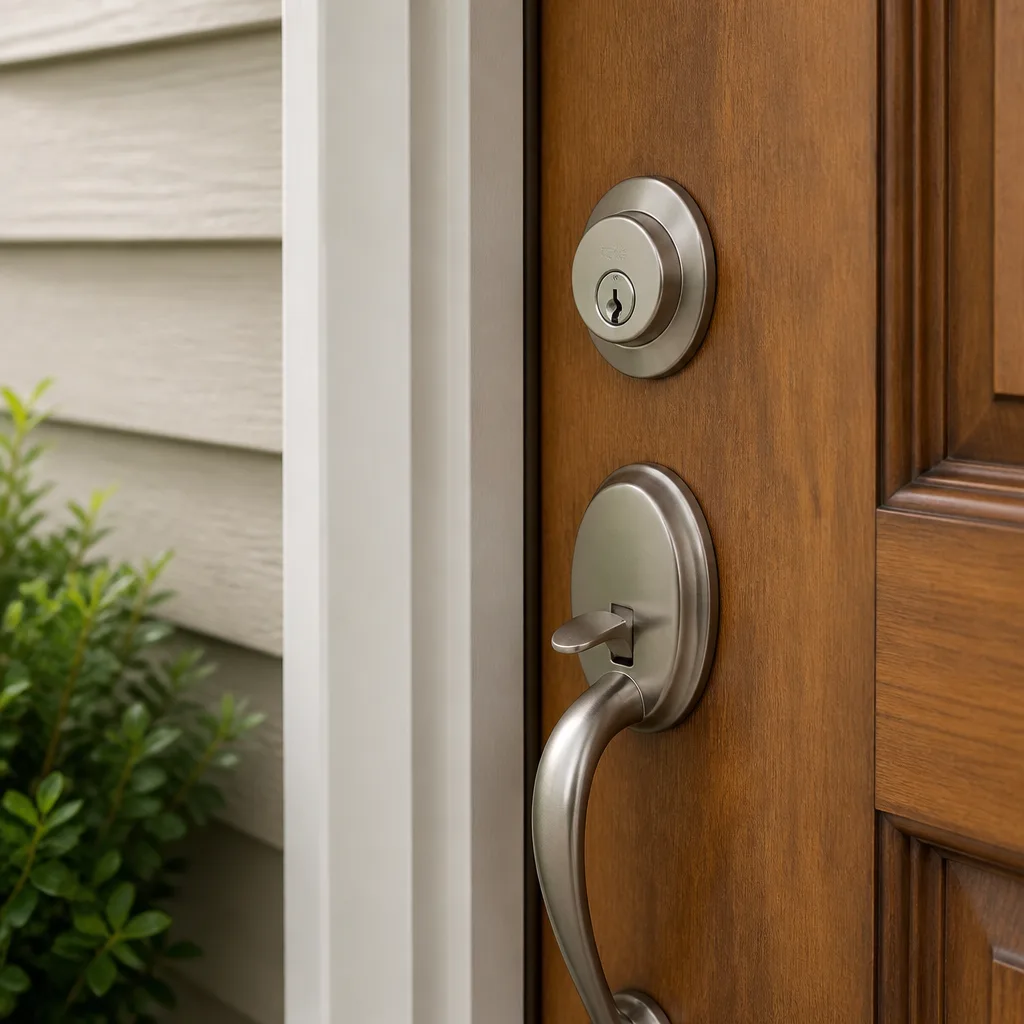
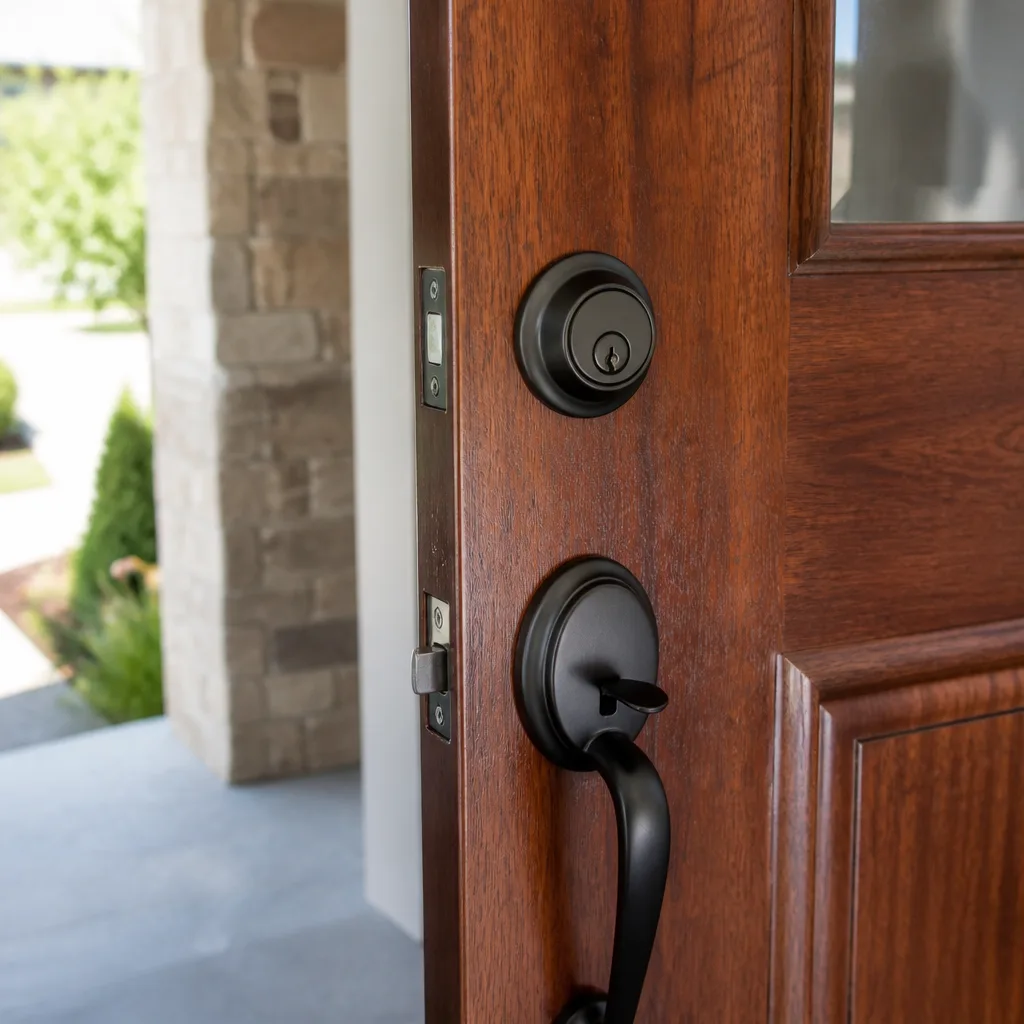
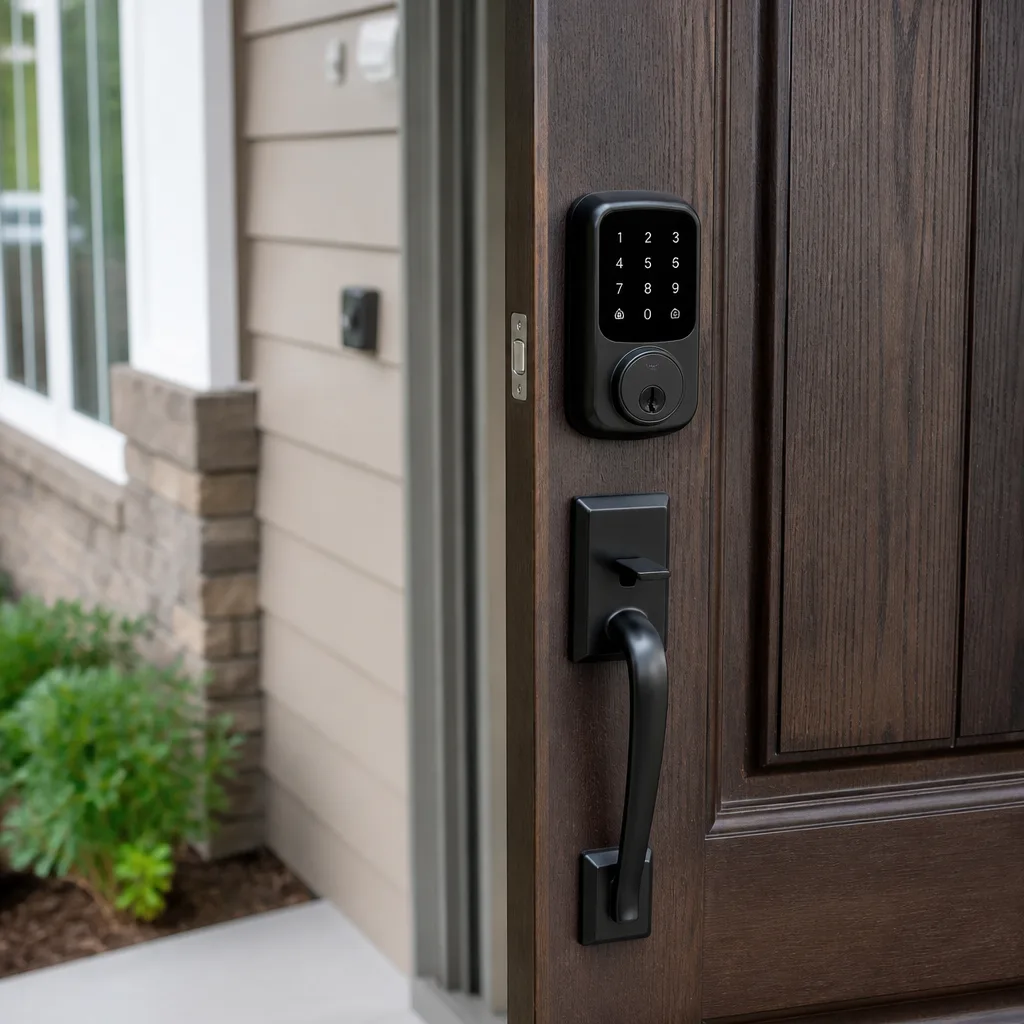
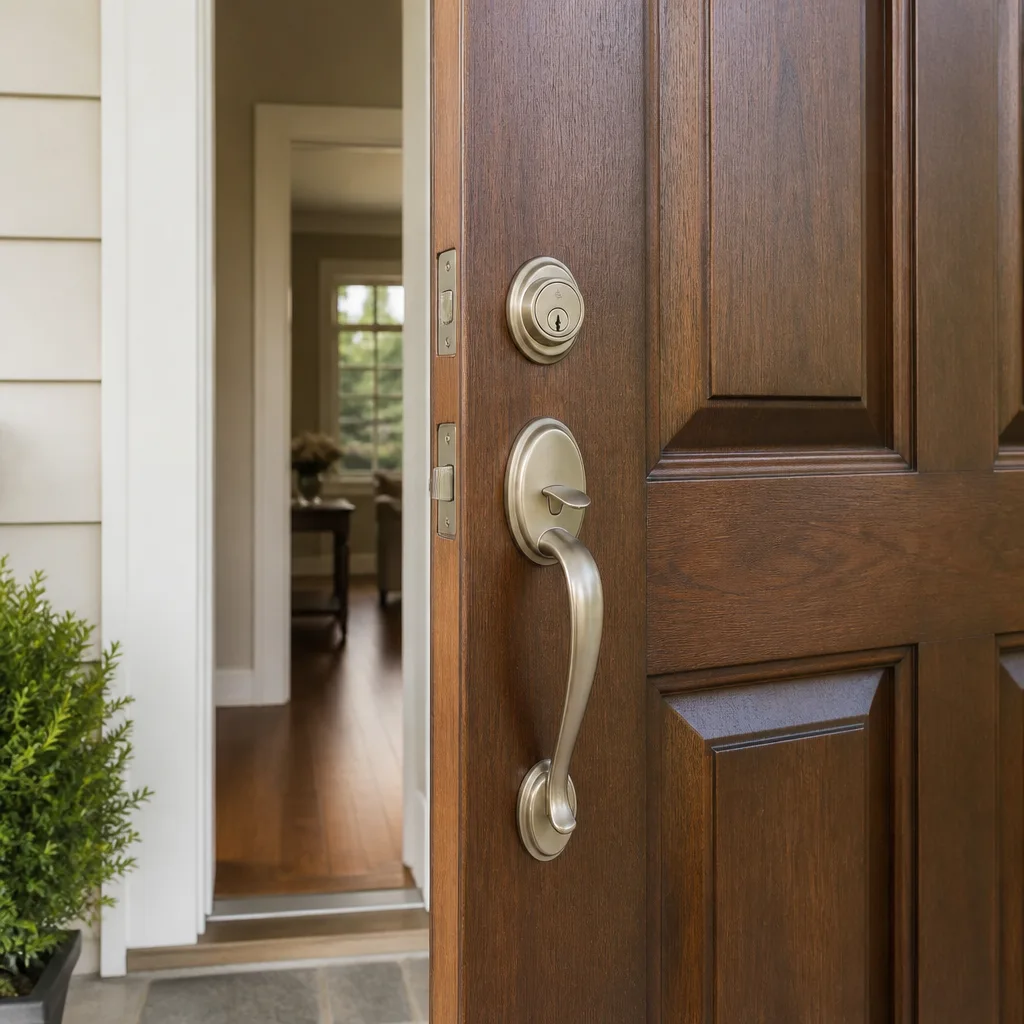
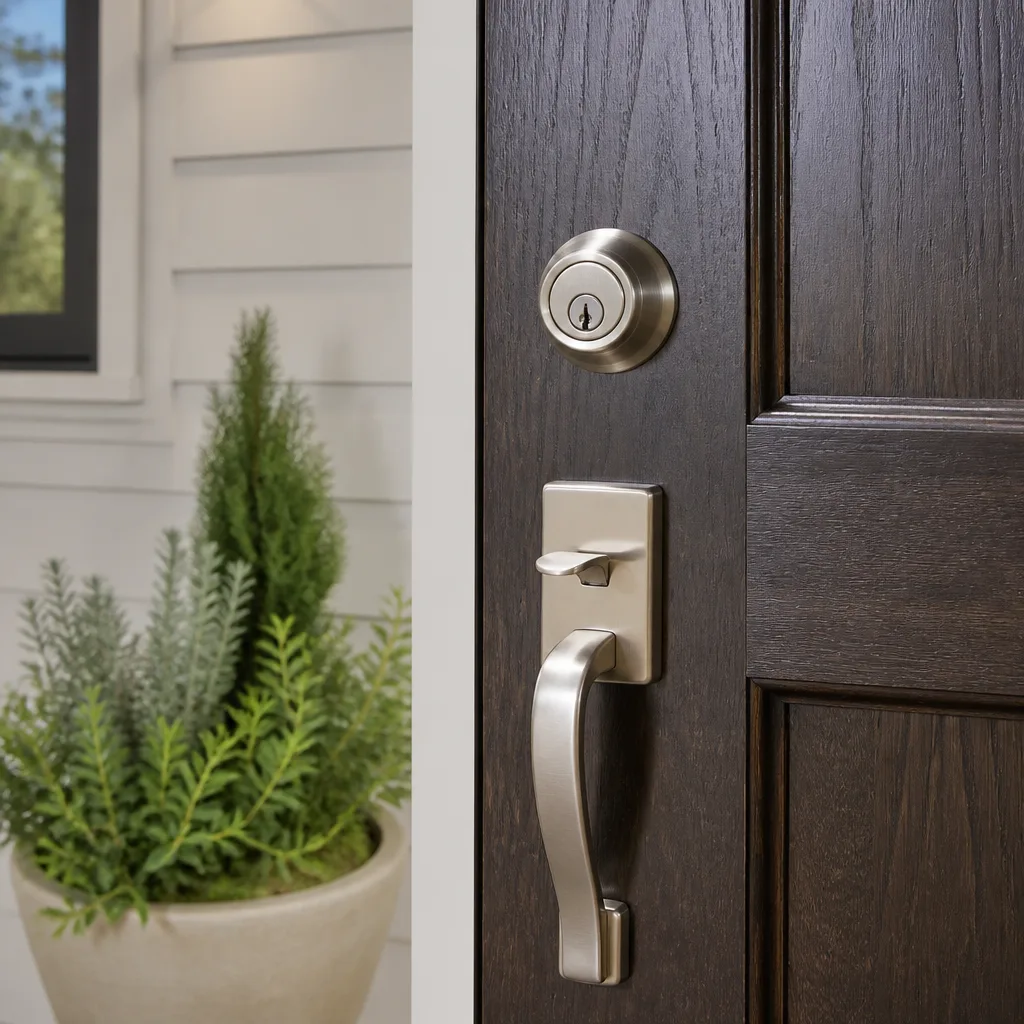
Door Lock Repair Warning Signs Every Homeowner Should Know
The lock that “just needs a good jiggle” is not quirky. It’s a lock that has already failed and is operating on borrowed time. In Los Angeles, where doors get used dozens of times a day between family members, housekeepers, dog walkers, and delivery drop-offs, a degrading lock doesn’t limp along quietly. It announces itself. The problem is that most of those announcements get filed under “minor annoyance” instead of what they actually are: a 30-day security countdown. This guide walks through every signal a failing lock sends, what each one physically means, which ones you can safely monitor, and which ones mean the lock is days away from leaving you locked out or leaving your door unsecured overnight. For more on what happens next, see our Door Lock Repair service page.
Quick Answer
A door lock that is failing will show at least one of seven specific signs: key resistance that changes from smooth to grinding, a handle or knob that wobbles more than an eighth of an inch, a lock cylinder that turns partway without engaging the bolt, visible gaps between the door edge and frame when the lock is thrown, a deadbolt throw that feels “soft” at the end of its travel, unusual sounds like clicking or scraping during normal locking, or a door that no longer sits flush in its frame. Any one of these means the lock should be inspected. Three or more signals at once means the lock is close to complete failure and the repair is urgent.
Table of Contents
- The Key Resistance Pattern That Predicts Failure
- Handle Wobble: Measuring What Your Hand Already Knows
- The Partial-Engagement Problem No One Mentions
- The “Soft” Deadbolt Feel and What It Means
- Visual Gaps: The Door Frame vs. Lock Distinction
- The Sounds That Matter: Grinding, Clicking, and Silence
- How Los Angeles Weather Masks and Accelerates Lock Wear
- The Security Escalation Path: Optional, Urgent, Emergency
- Common Mistakes to Avoid
- When to Call a Professional
- Frequently Asked Questions
- The Bottom Line
The Key Resistance Pattern That Predicts Failure
Most people think a key that suddenly slides in and turns with zero resistance is a sign of a well-maintained lock. It is not. A properly functioning pin-and-tumbler lock, the kind found in Schlage, Kwikset, and Yale residential hardware, should offer a consistent, faint resistance as the key pushes each pin stack into alignment. When that resistance disappears, it usually means the internal springs have fatigued or the pin chambers have worn smooth. The key is no longer “reading” the lock. It is just turning a cylinder that has essentially given up.
The reverse pattern matters just as much. A key that starts requiring a little extra pressure, a slight upward lift, or a jiggle to finally turn is telling you the plug inside the cylinder is seizing. In our experience across Los Angeles neighborhoods from Silver Lake to West Adams, this often shows up first in the morning or late evening, when temperature shifts cause the metal inside the lock body to expand or contract. The tell is not that the key fails. The tell is that the key’s behavior changes over a two-to-three-week period. A lock that was smooth in January and needs persuasion in March is not being temperamental. It is wearing out.
Here is the pattern that predicts a near-term lockout, based on what our technicians see on service calls:
- Week 1: The key inserts cleanly but needs a slight wiggle to turn the final 15 degrees.
- Week 2: The same wiggle becomes a habit. You stop noticing it, but guests mention it.
- Week 3: The key catches on insertion. You have to pull it back a millimeter and re-push.
- Week 4: The cylinder stops turning entirely, usually when you are in a hurry or it is dark out.
This progression is consistent across brand lines. A Kwikset deadbolt and a Baldwin entry set fail in essentially the same sequence because both rely on the same core mechanism: a cylinder plug, a series of springs, and driver pins. When the springs lose tension, the pins do not reset correctly after the key is withdrawn. That is when the key gets balky. The repair at this stage is typically a cylinder replacement or a full rekey, which is a fast job and far less expensive than an emergency lockout call at 11 p.m.
Handle Wobble: Measuring What Your Hand Already Knows
Grab your front door handle and try to move it up and down without turning it. Then try side to side. A healthy handle moves only as far as its spring mechanism allows when you depress the thumb piece or lever. It should not rock in place independent of the lock body. If it does, the mounting screws that secure the handle or knob to the door have loosened, or the internal retention plate has worn.
The threshold that matters is roughly an eighth of an inch of free play in any direction. Less than that, and you are likely feeling normal manufacturing tolerance. More than that, and the handle is physically working its screws loose with every use. The issue is not cosmetic. A loose handle means the lock assembly is shifting inside the door bore. That shifting transfers stress to the latch and the strike plate, which accelerates wear on both. It also widens the door’s bore hole over time, which makes even a brand-new lock fit sloppily down the line.
In Los Angeles rental houses and older bungalows, we see this constantly. Doors have been repainted, hardware has been swapped by three different handymen, and the screw holes in the door are stripped. The fix often involves re-drilling the screw holes, using oversized screws, and re-seating the lock body. It is a straightforward repair for a professional with the right tools, but it is not a job for a screwdriver alone. A stripped screw hole that gets filled with a toothpick and glue is a temporary patch, not a repair. The lock will loosen again, usually within a matter of weeks.
One more thing worth knowing: a wobbly handle is the single most common early warning sign that a door lock is heading toward full failure, because it is the sign most people ignore the longest. It does not stop you from locking the door. It does not make a scary noise. It just feels a little sloppy. But that sloppiness is the lock telling you it is no longer firmly attached to the door, and a lock that is not firmly attached is not doing its job.
The Partial-Engagement Problem No One Mentions
Here is a scenario that happens more than you would think: you turn the key or the thumb turn, you hear the deadbolt slide, and you assume the door is locked. But the bolt has only extended partway into the strike plate. The door is technically closed, but the bolt is not seated fully in the frame. A firm shoulder push or a well-aimed kick opens it. No one talks about this because it is invisible from the inside unless you bend down and look at the gap between the door edge and the frame while the lock is thrown.
Partial engagement happens for a handful of reasons. The most common in Los Angeles is that the door frame has shifted. Older wood framing in neighborhoods like Highland Park and Echo Park expands and contracts with humidity changes, even in a dry climate. When the frame moves, the strike plate moves with it, and the bolt no longer lines up cleanly with the strike hole. The bolt catches the edge of the plate or slides in at an angle, stopping short. The lock itself may be in perfect working order. The problem is alignment, not hardware.
The second cause is a worn latch or bolt. The edge of the bolt face rounds off over years of use. A rounded bolt does not glide cleanly into the strike. It drags and stops. You can see this on the bolt itself if you look closely: a visibly shiny or mushroomed edge where the metal has deformed from repeated contact with the strike plate.
The third cause is dirt and debris inside the strike plate cavity. This is especially common on exterior doors in Los Angeles, where fine dust and grit blow in from the street and settle into every crevice. The strike cavity fills up, the bolt cannot travel its full distance, and the door is left only partially secured.
To check for partial engagement, throw the deadbolt and then push on the door with steady pressure while watching the gap between the door edge and the frame. If that gap visibly widens when you push, the bolt is not seated. A fully engaged deadbolt lets the door move only a tiny fraction of an inch, and the door should feel rock-solid against the frame. Anything else is a warning sign worth addressing.
The “Soft” Deadbolt Feel and What It Means
A deadbolt with a healthy spring mechanism has a distinct end-of-throw feel. When you turn the thumb turn or key to the locked position, the bolt should hit the back of the strike cavity with a firm stop, almost like a dimmer switch clicking into its final position. You can feel the mechanism seat.
A deadbolt that feels soft at the end of its travel, as if the bolt is sinking into mush instead of clicking into place, is telling you something specific: the internal spring that drives the bolt has fatigued, or the linkage between the cylinder and the bolt mechanism has worn. In either case, the bolt is not being held in position by anything except friction. It can drift back toward the unlocked position on its own, particularly on a door that sees vibration from street traffic or a loose-fitting frame.
This signal is easy to miss because most people do not touch their deadbolt slowly. They throw it quickly, hear the sound, and move on with their day. To test for the soft feel, lock the deadbolt very slowly. Pay attention to the last quarter inch of travel. A healthy lock still gives you a slight resistance against the spring, followed by a definitive seat. A worn lock gives you nothing, just a gentle stop. That absence of resistance is the spring telling you it is done.
This is also the warning sign most strongly associated with a lock that fails at the worst possible time. A deadbolt that drifts, even slightly, can wedge itself against the strike plate edge. When you return home, the key will not turn because the bolt is jammed at an angle. The door is locked, but not by the mechanism, by a mechanical obstruction. Getting it open requires drilling or destructive entry. Replacing the deadbolt before that happens is a far better option, and it is a job we complete on a standard service call in Los Angeles, usually in under an hour. Curious about commercial timelines? Read How Long Does Commercial Locksmith Take? Timelines and What to Expect.
Visual Gaps: The Door Frame vs. Lock Distinction
One of the most useful skills a homeowner can develop is learning to distinguish between lock wear and door frame movement, because the fix for each is entirely different, and treating one as the other wastes time and money. The distinction lives in the visual gap between the door edge and the frame when the door is closed and locked.
Stand outside the door, close it, lock it, and look at the seam where the door meets the frame. You are looking for three things:
- Consistency: The gap should be roughly the same width all the way down the door edge. If it is wide at the top and tight at the bottom, or vice versa, the door has sagged on its hinges or the frame has settled.
- Strike plate alignment: The bolt and latch should line up flush with the strike plate openings, not sit high or low in the hole. If the bolt head is visibly off-center in the strike opening, the frame has shifted.
- Width at the lock point: When the deadbolt is thrown, the gap at the lock itself should not be wider than the gap elsewhere on the door. If it is, the door is being held away from the frame by a misaligned bolt.
What these observations separate is this: if the hardware itself is hard to turn, grinds, or feels loose in the door, you have a wear problem inside the lock. If the key turns smoothly but the door still does not lock solidly, you have an alignment problem between the door and the frame. The first is a locksmith repair. The second may be a locksmith repair too, because the fix often involves moving the strike plate, shimming the hinges, or re-boring the strike cavity to let the bolt seat cleanly. But the diagnosis is different, and diagnosing correctly is half the battle.
In Los Angeles, frame movement is especially common in hillside homes, where soil movement subtly changes the geometry of the entire door opening over the course of a season. A door that locks fine in June and sticks in September is not a lock problem. It is a frame problem. Knowing the difference lets you have the right conversation with whoever comes to look at it.
The Sounds That Matter: Grinding, Clicking, and Silence
A healthy lock makes a small number of sounds: the slide of the bolt, the faint tick of the cylinder plug turning, maybe a soft metallic click when the spring seats. Anything beyond that is diagnostic information. The three sounds worth paying attention to are grinding, clicking, and the absence of sound where sound should be.
Grinding is the sound of metal on metal where there should be smooth sliding. In a cylinder lock, grinding when turning the key usually means the pin chambers are packed with dust and grit, or the springs have broken and are dragging inside the plug. In Los Angeles, this is common on doors near busy streets, where brake dust and fine particulate blow into locks continuously. A grinder that gets ignored long enough becomes a seized cylinder. The key will stop turning entirely.
Clicking is different from grinding. A single, sharp click when the key turns is often normal, the sound of a pin stack settling. But a repeated, rachety clicking as you turn the key through its full rotation can mean the plug is jumping inside the cylinder housing. This happens when the retaining clips or tailpiece connecting the cylinder to the bolt mechanism have worn. The key is turning, but the connection is slipping. The result is a lock that feels like it is working but is not fully throwing the bolt.
Silence is the one nobody listens for. When you lock a deadbolt, you should hear the bolt slide and feel it seat. If the throw is silent and soft, that is the “soft deadbolt” signal described above. The spring is no longer doing its job. The bolt is moving because you moved it, not because the mechanism is driving it into position. A silent lock is not a smooth lock. It is a lock that has lost its internal tension.
Here is a quick reference for what you are hearing:
- Metallic scraping during key turn: Dirt in the cylinder or worn pins.
- Ratchet-like clicking during key turn: Worn tailpiece or cylinder retaining mechanism.
- No sound when throwing the deadbolt: Spring fatigue or broken linkage.
- A clunk when the door closes and the latch engages: Normal, provided the door still seals cleanly.
- A rattle when the door is closed but not locked: Loose hardware inside the door bore.
None of these sounds are subtle over time. Once you start listening, you will hear the difference immediately. The key is not to dismiss what you hear as normal wear. A lock should not be making new noises. New noises are new problems.
How Los Angeles Weather Masks and Accelerates Lock Wear
Los Angeles does not get the freeze-thaw cycles that destroy locks in places like Chicago or Minneapolis. But the city has its own lock-wear climate, and it operates in a way that hides problems for months at a time.
The core issue is heat and UV exposure. Exterior locks in Los Angeles bake in direct sun for much of the year. Metal expands. Internal lubricants thin out and migrate away from the pins. Plastics and pot-metal components inside cheaper hardware become brittle. This is why a lock that felt fine in December can suddenly start grinding in July even though nothing about the lock’s use pattern changed. The heat did not create the wear. It just exposed it.
The marine-influenced humidity swings in neighborhoods closer to the coast, places like Venice, Mar Vista, and Playa del Rey, add another dimension. Salt air accelerates corrosion on exposed metal parts, even ones that are inside the lock body but exposed through the keyway. A corroded pin chamber sticks and releases unpredictably. A homeowner might go weeks without noticing it, because the coastal climate also softens the daily temperature variation. The lock never gets hot enough or cold enough to make the seizure obvious.
What this means practically is that Los Angeles homeowners should not wait for a lock to fail before having it looked at. In a climate with four harsh seasons, lock problems announce themselves dramatically when the first cold snap hits. In Los Angeles, problems accumulate quietly. The heat masks them until the moment the lock is under real stress, which is usually the moment you need it most.
Our advice, based on 16 years of service calls across the city, is to do a quick seasonal lock check. Test every exterior lock in January and again in July. Turn each key slowly. Throw each deadbolt and feel for the firm seat. Jiggle each handle. You are looking for changes between those two checkups, not absolute condition. Change is the signal. A lock that was fine in January and rough in July is not going to heal itself by next January.
The Security Escalation Path: Optional, Urgent, Emergency
Not every warning sign is a five-alarm fire. But every warning sign sits on a path, and the path only moves in one direction. Here is how we classify what we see on service calls across Los Angeles, and how you should think about your own doors.
Optional repair, monitor monthly: A handle with very slight wobble under an eighth of an inch. A key that feels mildly sticky on insertion but turns fine once seated. A strike plate that shows minor wear but still holds the bolt firmly. These are early-stage signals. They do not need an emergency call, but they should not be ignored. Mark the door and check it again in thirty days. If the condition has worsened, move it up the list.
Urgent repair, schedule within the week: A deadbolt that throws soft with no distinct final seat. A key that requires a specific jiggle pattern to turn. A visible gap that widens when you push on the locked door. A grinding noise during every key turn. These signals mean the lock is now failing in ways that compromise security. The door is still locking, but the margin between safe and not safe is thin. Call a professional. In Los Angeles, a local Door Lock Repair in Los Angeles service can typically address these in a single visit, often the same day.
Emergency, address immediately: A key that stops turning entirely or breaks off in the lock. A deadbolt that will not throw at all. A handle assembly that comes loose in your hand. A door that will not close far enough to engage the latch. These are not repair situations. These are security failures. The door is not secure, and in the case of a jammed lock, you may be locked out or unable to leave. This is the point where the cost and complexity of the repair jump significantly, because the lock often has to be drilled and replaced rather than serviced.
Here is the escalation path in a single numbered sequence, the way it typically unfolds over weeks or months:
- Stage 1: Slight change in key feel or handle stability. No performance impact.
- Stage 2: Noticeable wobble, grinding, or soft throw on one specific lock. Door still locks, but the movement is no longer crisp.
- Stage 3: Multiple signals at once. The key is hard to turn and the deadbolt throws soft. The door has to be pulled hard to seat the latch.
- Stage 4: Complete failure. Lockout, jammed bolt, or a door that will not secure. This is the emergency.
The jump from Stage 3 to Stage 4 is often surprisingly fast. A lock that lingers in Stage 3 for a month can fail completely the first time the temperature shifts or someone closes the door harder than usual. Catching the signals in Stage 1 or Stage 2 means a standard repair instead of an emergency, and the difference in cost is significant.
Common Mistakes to Avoid
- Lubricating a grinding lock with WD-40. WD-40 is a solvent, not a lock lubricant. It flushes out the remaining grease and leaves the internals drier than before. The grinding gets worse within weeks. Use a dry graphite or PTFE lubricant made for locks, or let a professional clean and re-lubricate the cylinder properly.
- Replacing only the knob when the deadbolt is failing. Many Los Angeles homeowners see a wobbly handle and replace the entry knob, thinking they have solved the problem. The deadbolt is the security anchor of the door. If the deadbolt has a soft throw or a grinding cylinder, a new knob does nothing for your actual security because the knob locks are not what protects the door.
- Ignoring a door that sticks in summer. A door that swells and sticks in July, then closes fine in December, is telling you the frame is moving or the door is warping. That movement eventually misaligns the bolt and strike plate. Waiting for winter to fix the sticking means waiting until the lock has been grinding against the strike for another six months.
- Forcing a balky key. When the key will not turn, the natural instinct is to push harder or jiggle until it gives. That force is what breaks keys inside cylinders and strips the internal plug. A key that needs force is a lock that needs service. The force is only buying you days, and it often turns a $100 repair into a $250 replacement.
- Assuming all locks wear at the same rate. The deadbolt on a front door gets used three times a day and lasts a decade. The same deadbolt on a side gate that gets used once a week but sits in direct sun and salt air may fail in half that time. Locks with different exposure and different use patterns need different levels of attention.
- Treating a noisy lock as a normal aging sound. Locks do not develop new sounds as a natural part of aging. A lock that has operated quietly for years and suddenly starts clicking or grinding has developed a specific mechanical problem. New sounds are never just “how old locks get.”
- Delaying a repair because the lock still works. This is the most common mistake by far. A lock in Stage 2 or 3 still locks and unlocks. It still lets you in and keeps people out. The problem is that you are not saving money by waiting. You are converting a predictable repair into an unpredictable emergency, and emergencies always cost more.
When to Call a Professional
Call a professional when the lock sends a signal you cannot explain, and call sooner rather than later when that signal touches the key entry or the deadbolt mechanism. Specific situations that warrant a call: the key sticks or grinds every time, the deadbolt throws soft with no firm seat, the handle wobbles visibly, the door does not close flush with the frame, or you can see the gap widen when you push on a locked door. Also call if the lock is high-security hardware, including Medeco, Mul-T-Lock, or Baldwin products, because these locks have tighter tolerances and specific service requirements that a general handyman is not equipped to handle.
Preston Locksmith & Security offers free estimates in Los Angeles. We walk you through exactly what the lock needs, the price is in writing before any work starts, and the job is covered by the 365-Day Done Right Promise. Call (409) 405-4485 and tell us what the lock is doing. We will tell you honestly whether it is a repair, a replacement, or something you can safely watch for a while longer. For more guides & resources, visit our blog.
Frequently Asked Questions
The most common early sign is a change in key resistance, either the key becoming harder to insert and turn or becoming suspiciously loose with no resistance at all. Both patterns indicate wear inside the cylinder, and both typically progress to a full lockout within four to six weeks if left unaddressed. For an exact diagnosis on your specific lock, call (409) 405-4485 and describe what you are feeling at the key.
Lock the deadbolt slowly and pay attention to the last quarter inch of travel. A healthy deadbolt gives you a slight resistance against the internal spring, followed by a firm seat. A worn deadbolt feels soft at the end of the throw, as if the bolt is just stopping without clicking into place. That softness means the spring has fatigued and the bolt is not being driven into position properly.
If the wobble is caused by loose visible screws on the interior or exterior handle plate, you can try tightening them with a screwdriver. If the wobble persists after tightening, the screw holes are stripped or the internal retention plate is worn, and that requires re-drilling the screw holes or replacing the hardware. In Los Angeles, we see stripped screw holes on older doors constantly, and the proper fix takes a professional about twenty minutes.
Heat expansion is the usual culprit in Los Angeles. The metal inside the lock body expands in direct sun exposure, which changes the clearances between the cylinder plug and the pin stacks. A lock that is already marginal will show it in the summer even if it behaved all winter. The heat did not break the lock. It revealed a wear problem that already existed.
Do not keep trying to turn the broken piece or push it deeper into the cylinder. Apply a small amount of graphite lubricant to the keyway and try to extract the visible end with needle-nose pliers. If the key is fully seated inside the cylinder, stop and call a locksmith. Broken key extraction requires a trained hand and the right extraction tools; forcing it can damage the cylinder beyond repair. The cost of professional extraction is far less than the cost of replacing a damaged lock.
Door lock repair in Los Angeles typically runs between $95 and $220 depending on whether the repair needs a cylinder cleaning, a spring replacement, a strike plate realignment, or a full cylinder swap. Rekeying a standard lock runs roughly $15 to $25 per cylinder, and full hardware replacement runs higher depending on the brand. The exact price is always in writing before any work starts when you call Preston Locksmith & Security at (409) 405-4485.
The Bottom Line
A failing door lock sends signals long before it fails, and those signals are consistent: a key that changes its feel, a handle that develops free play, a deadbolt that throws soft, a gap that widens under pressure, and sounds that were not there six months ago. Each one means something specific. Ignoring them does not save money; it just moves the cost from a scheduled repair to an emergency, and the emergency always costs more. Check your locks twice a year, pay attention to changes, and when a signal shows up, act on it. The lock that just needs a good jiggle is not quirky. It is already broken.
Written by Kevin Yoon, Owner at Preston Locksmith & Security, serving Los Angeles since 2008.