
Last updated October 9, 2026
Non-destructive entry first, always - and we re-key Schlage, Kwikset, and Baldwin locks on the spot while you watch
You get a price before we start. It does not change when we arrive. No surprises.
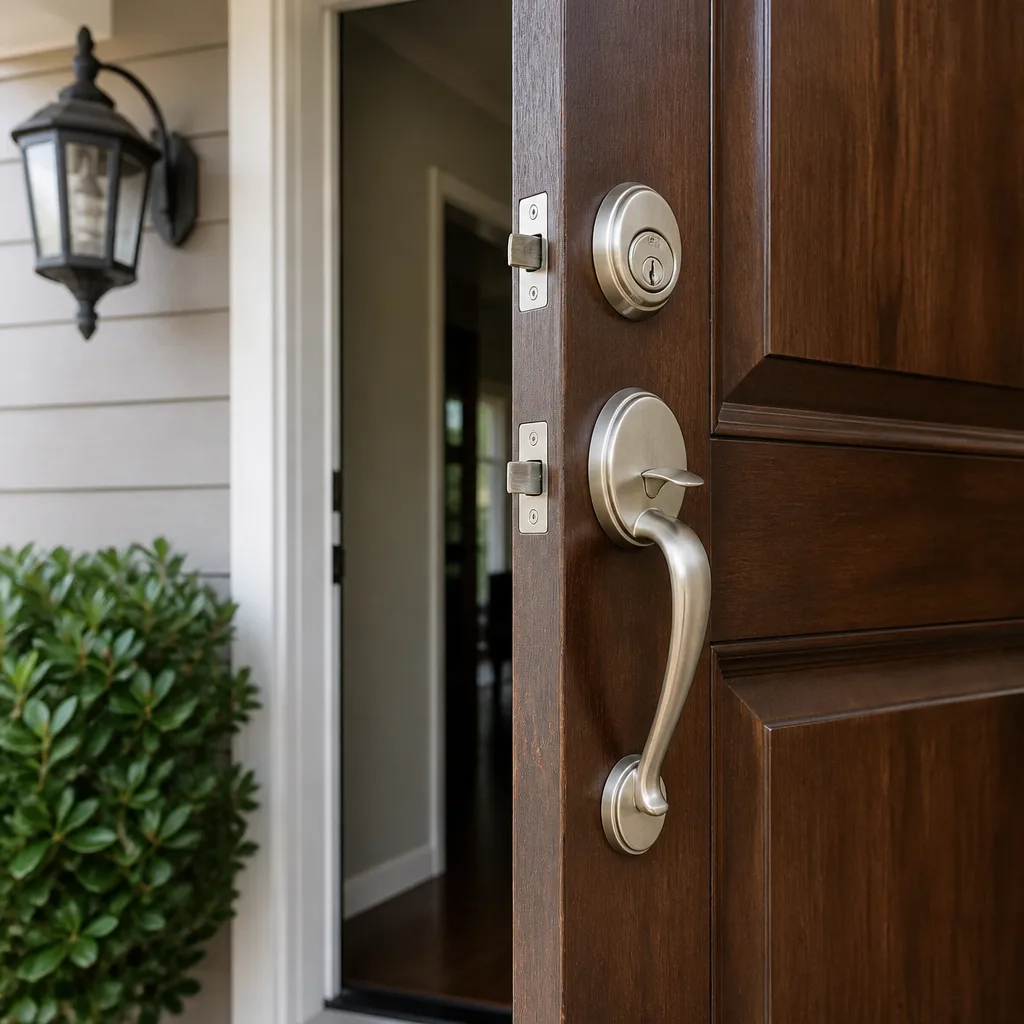
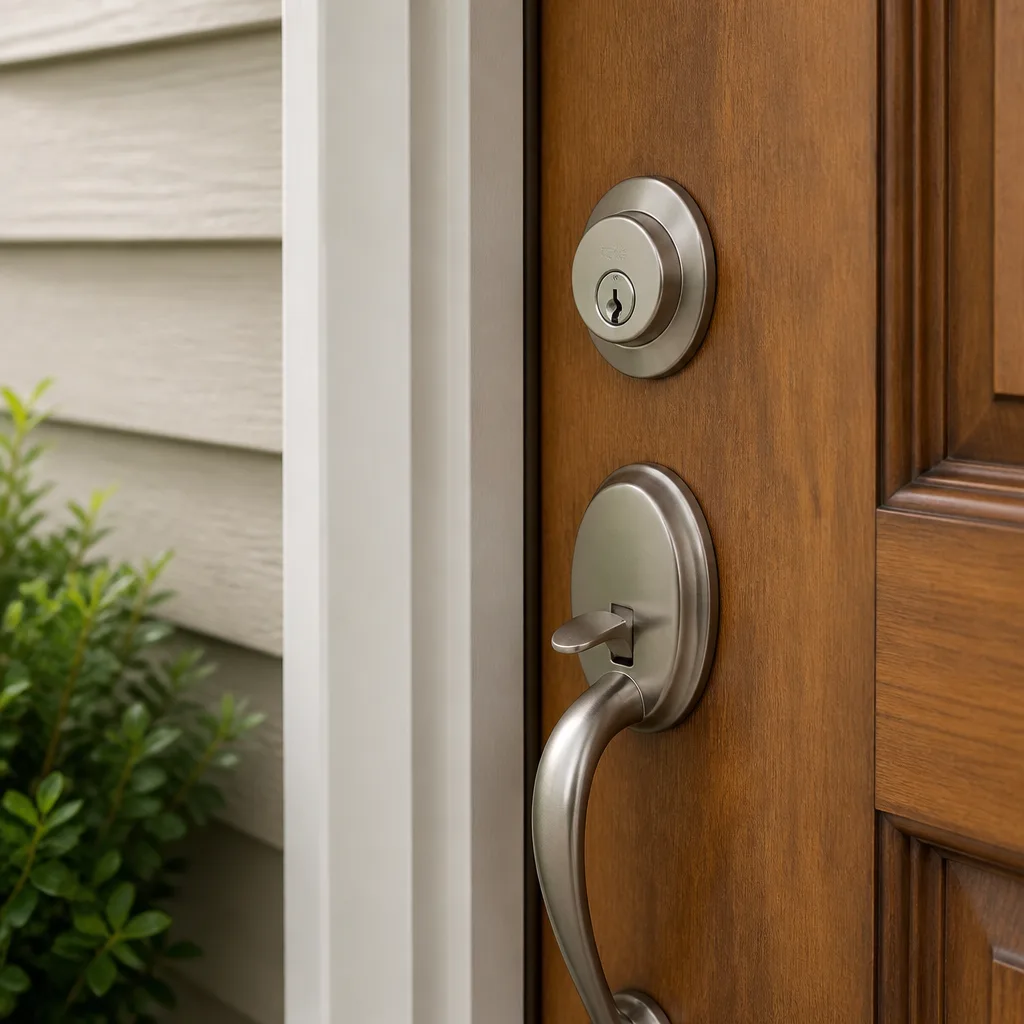
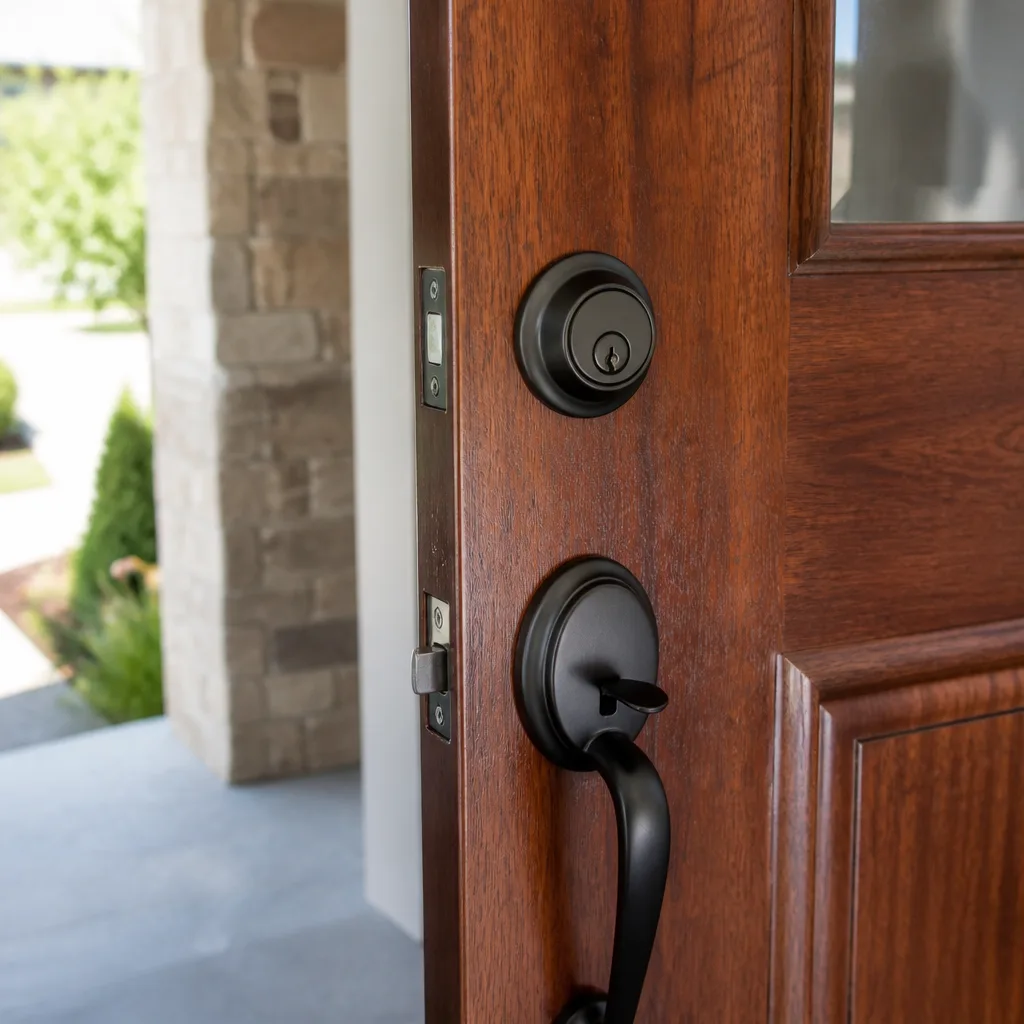
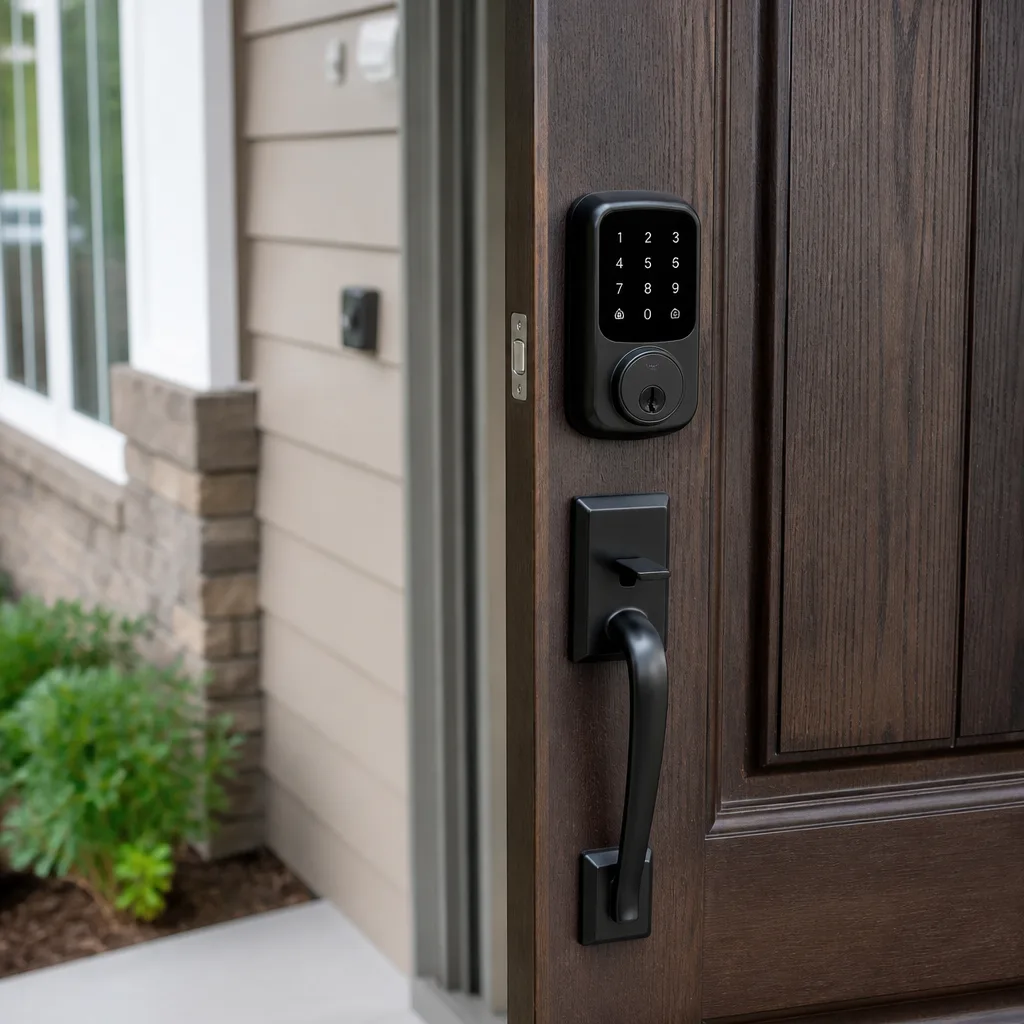
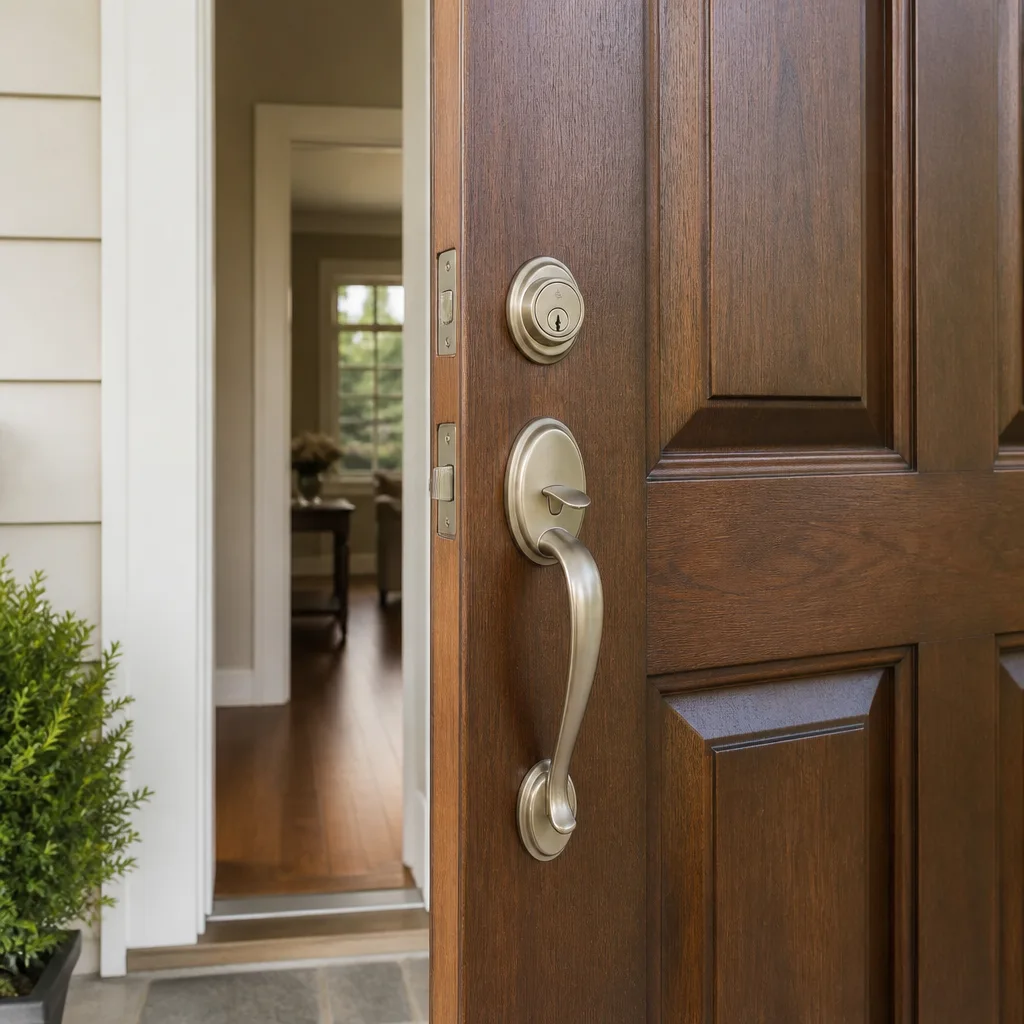
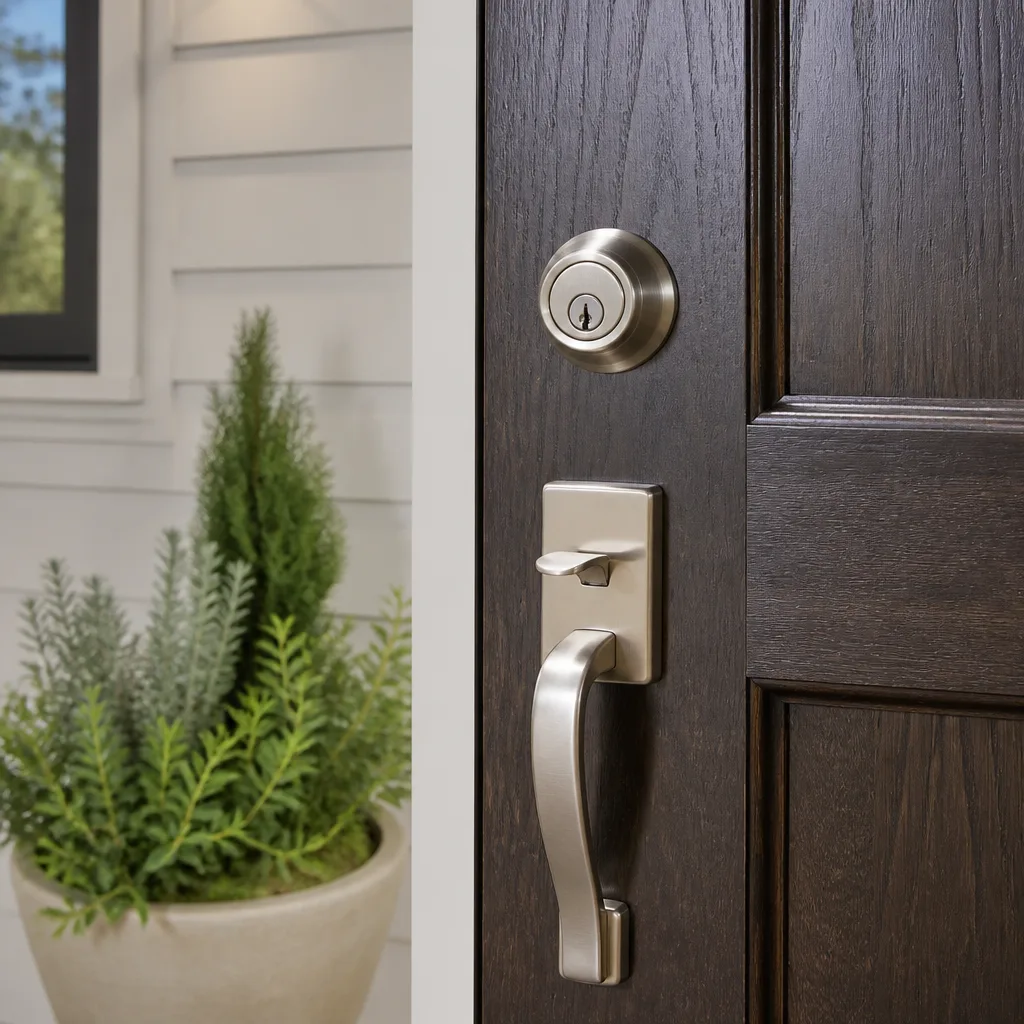
Rekey Locks Troubleshooting: Common Problems and How to Fix Them
Here’s a counterintuitive fact about rekeying: when a freshly rekeyed lock misbehaves, the problem is rarely the lock itself. It’s almost always a pin that’s a single size off, a key cut to a tolerance the cylinder can’t accept, or a cylinder that was too worn to hold new pins in the first place. Homeowners across Los Angeles call us with the same story: the old key worked fine, the new key works “sometimes,” and now they’re standing on the porch jiggling a deadbolt while their groceries go warm. This guide walks through the three specific installation errors that cause most post-rekey failures, how to test a rekeyed lock before the technician drives away, and how to describe the problem so a locksmith arrives with the right parts on the first trip. For professional help, our Rekey Locks services cover every step.
Quick Answer
A rekeyed lock that binds, sticks, or only works intermittently is usually caused by one of three things: a pin stack sized one increment off from the key’s cuts, a driver pin seated incorrectly above the shear line, or a replacement key cut slightly out of spec. The old key still working after a “rekey” means the cylinder was never actually rekeyed, or only partially repinned. Most of these problems are correctable in under ten minutes by a locksmith with the right pin kit. Rekey Locks in Los Angeles typically runs $18 to $35 per cylinder, and a written price should be confirmed before any work starts.
Table of Contents
- Why Your New Key Binds Every Time You Turn It
- What It Means When the Old Key Still Works
- The False Set: A Driver Pin Problem Nobody Mentions
- The Five-Point Test Before the Technician Leaves
- Worn Cylinder vs. Bad Rekey: How to Tell the Difference
- How to Describe a Rekey Problem Over the Phone
- What Rekeying Should Cost in Los Angeles
Why Your New Key Binds Every Time You Turn It
If your new key catches at the same rotation point every single time you turn it, stop turning. You’re feeling a pin that’s too tall for the key cut it’s sitting in. Here’s what happened: the rekeying technician read the key cuts, selected pins from a kit, and one of those pins ended up one size off. A #3 pin where a #2 belongs. The lock still turns because the bottom pin clears the cylinder’s housing, but the slight over-lift creates friction you feel as a catch or grind at the same spot each rotation.
We see this most often with Kwikset and Schlage residential cylinders, and Los Angeles’s dry, dusty environment makes it more likely you’ll notice it immediately. Fine grit that collects inside a cylinder over years acts like sandpaper on pins. When a technician replaces only the pins but doesn’t clear the grit, the new key feels rough even if the pin sizing is correct.
The fix is simple on paper: the oversized pin gets swapped for the correct size. In practice, it requires a plug follower, a pin kit with the right depth increments, and a couple minutes. This is not a fix we’d recommend attempting without the tools. If you catch this before the technician leaves, it’s a two-minute correction. If you catch it after, it’s a callback that a reputable company handles under warranty, no charge.
What It Means When the Old Key Still Works
This is the one that makes our phone ring with a justified amount of anger in the caller’s voice. The new key works. The old key also works. That means the cylinder was never actually rekeyed, or it was only partially rekeyed.
Let’s be blunt about what happened: a rekey means every pin stack inside the cylinder gets reconfigured so that only the new key’s specific cuts align perfectly at the shear line. If the old key still turns, at least one pin stack was left unchanged. In a five-pin cylinder, leaving just one chamber on the old key’s cuts means the old key still operates the lock. That’s not a minor inconvenience. That’s a security failure. Anyone who had a copy of that old key – a previous tenant, an ex-roommate, a contractor, a dog walker – still has access to your home. Learn more in our guide to Rekey Locks Warning Signs Every Homeowner Should Know.
In Los Angeles, where rental turnover is constant and keys get duplicated at hardware stores every day, this matters more than most people realize. We’ve rekeyed locks where the old key was out there on a key ring in someone’s glovebox. The whole point of rekeying is to invalidate every previous copy. If the technician didn’t test the old key before leaving, that point was missed.
What to do: call the company back and state exactly this: “The new key works, but the old key also still turns the lock.” A legitimate locksmith will return and repin the cylinder completely, at no charge, under their workmanship guarantee. At Preston Locksmith & Security, this specific failure falls under the 365-Day Done Right Promise – if it’s not done right, we make it right, and that includes a free second visit.
The False Set: A Driver Pin Problem Nobody Mentions
Sometimes a rekeyed lock turns halfway, the key stops, and the lock feels like it’s in a kind of mechanical limbo. You can feel the plug start to rotate but then everything freezes. That’s a false set, and it points to a driver pin sitting in the wrong position above the shear line.
Here’s the mechanics without the jargon dump: every pin stack has a bottom pin (the one that touches the key) and a driver pin (the one above it, pushed by a spring). When the correct key is inserted, all bottom pins line up at the top of the plug, and the driver pins sit above them in the cylinder housing. The plug rotates. If one driver pin is seated incorrectly – either it crossed the shear line during reassembly or a spring is slightly misaligned – the plug starts to rotate, then hits that pin in the wrong position and stops.
This is often dismissed as “the lock just needs to break in.” That’s wrong. A properly rekeyed lock works smoothly on the first turn. Locks don’t break in. Locksmates.com forums are full of bad advice on this topic. If a technician tells you to jiggle the key or spray WD-40, that’s a red flag. WD-40 is a solvent, not a lock lubricant. It removes the factory grease and leaves the cylinder drier than before.
The correction requires disassembling the cylinder and reseating the driver pin and spring. It’s a five-minute job for a technician with the right follower and tweezers. In our Los Angeles service area, this is one of the most common callbacks we fix from other companies’ work, and the conversation usually starts with the homeowner saying the lock “feels crunchy.”
The Five-Point Test Before the Technician Leaves
You’re paying for a rekey. You deserve to verify it before the van pulls away. Here’s the five-point test every homeowner in Los Angeles should run, and it takes under two minutes-part of a broader Residential Locksmith Maintenance Schedule: What to Do and When:
- Test the new key five times. Not once. Five full insertions, full rotations, full extraction. A single smooth turn can hide an intermittent pin problem. If it binds on turn three, it’s not your imagination.
- Test the old key. The old key should not turn the lock at all. It should insert but the plug should not rotate. If it turns even a few degrees, the rekey is incomplete.
- Test both sides of the door. On a deadbolt, test from outside and inside. On a knob or lever, same thing. Cylinders have different orientation from each side, and a pin that clears from one direction can catch from the other.
- Test the key insertion and removal. The key should slide in without forcing and come out without you having to pull hard. If you have to rock the key to get it out, a pin is over-lifted.
- Watch the technician test it. A good locksmith tests the new key and the old key before packing up. If they only test the new key, ask them to test the old one in front of you. This request alone can reveal whether you’re dealing with someone who knows the standard.
This five-point check catches roughly 95% of rekey failures on the spot. It’s the difference between a five-minute correction and a callback that eats your afternoon.
Worn Cylinder vs. Bad Rekey: How to Tell the Difference
Not every post-rekey problem is a rekey problem. Sometimes the cylinder itself is too worn to hold new pins correctly, and no amount of repinning will fix it. Here’s how to tell the difference.
A cylinder wears in a specific way. The brass or nickel-silver plug develops microscopic grooves where the pins slide in and out over thousands of cycles. Think about a door that gets locked and unlocked four times a day for ten years. That’s over 14,000 cycles. The plug develops slop. When we rekey a cylinder, we’re installing new pins into an old, worn housing. If the housing is too far gone, the new pins seat unpredictably. The lock might work fine on the bench and fail on the door. Or work on Tuesday and stick on Wednesday.
Age markers for concern: if your lock is over ten years old, if the key feels loose in the keyway, if the plug wiggles when you pull the key out, or if the finish is gone and you can see brass beneath. In Los Angeles, locks near the coast age faster because salt air accelerates corrosion. Inland locks deal with dust and grit. Both are rough on cylinder guts.
The test: if a locksmith rekeys the cylinder once and it still misbehaves, a second rekeying attempt on a visibly worn cylinder is often a waste of your money and theirs. The honest recommendation at that point is cylinder replacement. A new Schlage or Kwikset cylinder runs $25 to $60, and the labor to swap and rekey it typically lands in the $75 to $150 range per lock. Compare that to two failed rekey attempts, and replacement is cheaper in money and frustration. We’ll tell a Los Angeles homeowner this directly because we’d rather lose the upsell than send you back to the same failing part.
How to Describe a Rekey Problem Over the Phone
The better you describe the problem, the more likely the locksmith arrives with the correct pin kit, a follower, and spare springs. Most rekey callbacks don’t need a full van rebuild; they need pins in the right sizes. Here’s how to describe it precisely:
- Start with the symptom, not your diagnosis. Say “The new key catches halfway through the turn” rather than “I think you used the wrong pins.” The technician will draw their own conclusion, and it might be different from yours.
- Name the point of failure. Does it catch at the same rotation point every time? Does it insert fine but refuse to turn? Does it turn but the old key also works? Each of these points to a different failure mode.
- Name the lock brand and style. “Kwikset deadbolt” tells us more than “front door lock.” Schlage, Kwikset, Medeco, and Yale cylinders use different pin depths and spacing. Medeco and Mul-T-Lock pins, for example, are much more precision-toleranced than a basic Kwikset, and the wrong pin kit won’t even get the job started.
- Say when the rekey happened. Yesterday versus three months ago matters. An immediate failure suggests an installation error. A failure three months in could mean pin wear or spring fatigue, and we’d bring different parts.
- List what you’ve already tried. If you’ve sprayed lubricant into the keyway, tell us. It changes the diagnosis. If you’ve tried a second copy of the new key and it also fails, that rules out a bad key blank and points to pin sizing.
This kind of description takes 45 seconds to give and saves the technician time on site, which saves you money on a service call. Every Preston Locksmith & Security technician arrives with a written price range confirmed on the phone, so you know the worst-case cost before we roll a van toward your neighborhood in Los Angeles.
What Rekeying Should Cost in Los Angeles
Let’s put real numbers on the table, because too many Los Angeles locksmith listings hide behind “call for pricing” and then change the number when the truck shows up. Rekeying a standard residential lock cylinder – Schlage, Kwikset, Yale, or similar – typically runs $18 to $35 per cylinder. That’s the labor price for the pinning work. If you’re having a locksmith come to you, there’s a service call or trip charge of $45 to $90 in most Los Angeles neighborhoods, from the Valley down to South Bay. A typical job of rekeying three locks on a house lands in the $120 to $200 range, all in. If the lock needs a new cylinder rather than a rekey, add $25 to $60 for the cylinder itself.
Higher-security locks – Medeco, Mul-T-Lock, Abloy, Baldwin with custom cylinders – run more because the pins are precision machined and the key blanks cost more. Expect $40 to $75 per cylinder for those brands. The good news: you’re paying for tighter tolerances, which means fewer of the binding problems described above, assuming the technician is trained on the brand.
Here’s the part that matters for trust: the price quoted on the phone should be the price on the invoice. No “that was for a different lock,” no “we didn’t know it was high security.” A written quote protects you. At Preston Locksmith & Security, the price is confirmed in writing before a single tool leaves the bag. The 365-Day Done Right Promise means if anything about the rekey fails within a year, we return and fix it at no charge. That’s a written guarantee on every repair, no exceptions.
Common Mistakes to Avoid
- Using the new key on a worn keychain. A bent key or a key jammed against other keys can exert lateral pressure inside the keyway, which makes even a correctly rekeyed lock feel rough. Test with the bare key first.
- Spraying WD-40 into the keyway. WD-40 is a solvent. It strips the lightweight grease locksmiths use inside the cylinder. Use a dry PTFE lubricant like Tri-Flow or a lock-specific graphite only if needed.
- Forcing a key that catches. A key that binds at one point should never be forced. Forcing it can bend the key, and a bent key can jam the cylinder so badly the plug has to be extracted destructively.
- Ignoring the old key test. The old key also turning after a rekey is a security failure, not a quirk. If you let it slide, you’re paying for a rekey that didn’t secure anything.
- Accepting “it’ll wear in” as an answer. Locks don’t break in. A correctly pinned cylinder works smoothly from turn one. “It’ll wear in” is locksmith-speak for “I don’t want to come back and fix it.”
- Rekeying a visibly dead cylinder. If the plug wiggles in the housing or the key feels loose, a rekey is a temporary bandage. In Los Angeles’s dust and coastal air, cylinders over ten years old are often at end of life.
- Not asking for a written price before work starts. If a locksmith won’t confirm the price in writing over the phone, that’s not a scheduling conflict. That’s a business model. In Los Angeles, the bait-and-switch locksmith problem is well documented, and the fix is simple: demand the number before the van leaves the shop.
When to Call a Professional
Call instead of DIY-ing when you feel a consistent bind point, when the old key still turns, when the key won’t extract without a fight, or when the same lock has been rekeyed twice and still misbehaves. These are all signs of pin-level problems inside the cylinder, and they require a pin kit, a plug follower, and the calibration to fix without destroying the lock. A pin kit alone costs $60 to $150 – more than a professional rekey. Door lock repair in Los Angeles from a trained tech means the problem gets diagnosed once and solved on the same visit. Preston Locksmith & Security offers free estimates in Los Angeles – call (409) 405-4485 and describe the symptom in detail; we’ll bring the right pin kit and confirm the price in writing before any work starts.
Frequently Asked Questions
If the failure is covered under a workmanship guarantee, the fix should cost you nothing. Most reputable Los Angeles locksmiths warrant rekey work for at least 90 days, and we cover it for a full year under the 365-Day Done Right Promise. If you’re bringing in a new company to fix someone else’s bad rekey, expect $18 to $35 for the rekey labor plus a $45 to $90 service call. If the cylinder needs replacement, add $25 to $60 for the part. Call (409) 405-4485 for an exact quote – estimates are free.
That’s pin friction. Either a pin is one size too tall for the key cut it sits in, or the cylinder is packed with years of dirt and grit that the rekey didn’t clear. If the roughness is at the same point every rotation, it’s pin sizing. If it’s rough throughout the entire turn, it’s likely debris in the cylinder or a worn plug. In Los Angeles, where fine dust gets into everything, debris-related roughness is more common than you’d think.
No. The old key should insert but not turn the plug at all. If it turns even partially, the cylinder wasn’t fully repinned, and every old key copy still in circulation remains a security risk. This is a do-not-ignore situation, and the company that did the rekey should fix it at no charge under their workmanship policy. If they won’t, that’s a signal to never call them again and to find a locksmith who stands behind their pins.
Same-day is realistic in most Los Angeles neighborhoods. The fix itself takes five to ten minutes per lock once the technician is on site – it’s a simple pin swap in most cases. The variable is traffic, not labor. Preston Locksmith & Security gives you a live trackable arrival time so you’re not stuck waiting in a four-hour window. Call (409) 405-4485 and we’ll confirm a time and a written price before dispatch.
You can clean the keyway with compressed air and replace the key if it’s bent, but anything involving the pins requires a pin kit, a plug follower, and practice you probably don’t want to pay for in broken locks. A pin kit for Kwikset or Schlage runs $60 to $150, and if you drop the springs during disassembly – which is easy to do without a follower – you’re buying a new cylinder anyway. For a $35 professional fix, the DIY math rarely works out. We recommend leaving pin-level corrections to someone with the tools and the training. Browse more guides & resources to learn when to call a pro.
Rekey if the lock is mechanically sound – smooth operation with the old key, no wiggling in the plug, no visible damage – and you simply want to invalidate old keys. Replace if the cylinder is over ten years old, the key feels sloppy, the plug rotates loosely, or a rekey has already failed once. In Los Angeles’s climate, locks exposed to direct sun and dust wear faster than you’d expect, and a replacement cylinder is often the cheaper long-term play. Ask for an honest recommendation; a good locksmith will tell you when rekeying a worn cylinder is a waste of money.
The Bottom Line
A rekeyed lock that binds, sticks, or still accepts the old key is almost always a pin-level problem – one pin sized wrong, one driver pin seated wrong, or one key cut out of tolerance. The fixes are fast and inexpensive when caught early, and the five-point test before the technician leaves catches almost everything. The old key still turning is a security failure that deserves immediate attention, not a shrug. In Los Angeles, where locksmith pricing can be a minefield, the real safeguard is a written price confirmed before work starts and a guarantee that actually covers callbacks. If your rekey went sideways or you want it done right the first time, rekeying locks in Los Angeles with us means a written quote, a trackable arrival time, and a 365-day guarantee. Call (409) 405-4485 for a free estimate, or learn more about our Commercial Locksmith in Los Angeles services if you manage a business property. For a broader look at what we do, the Preston Locksmith & Security home page has the full picture.
Written by Kevin Yoon, Owner at Preston Locksmith & Security, serving Los Angeles since 2008.