
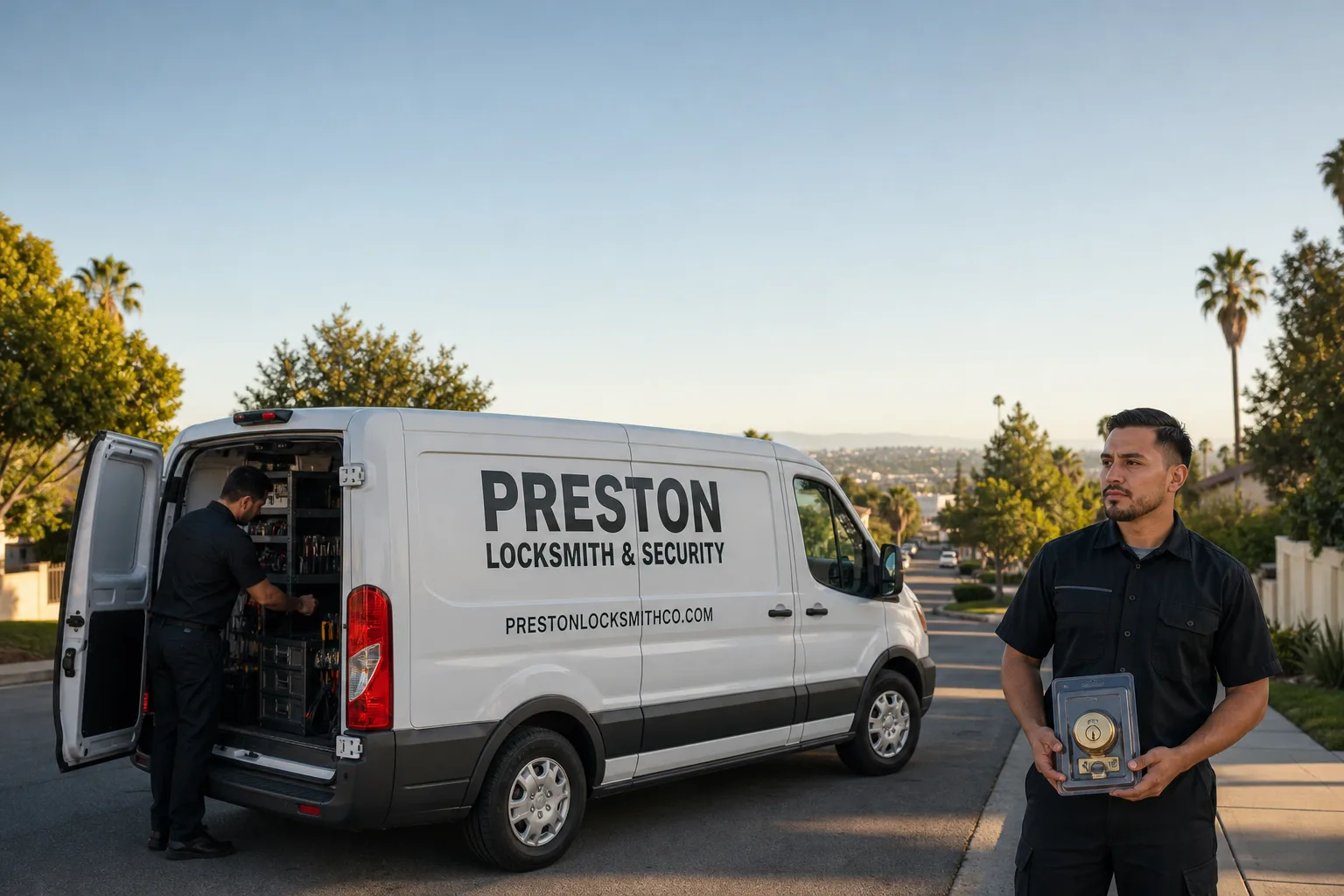
Non-destructive entry first, always - and we re-key Schlage, Kwikset, and Baldwin locks on the spot while you watch
You get a price before we start. It does not change when we arrive. No surprises.
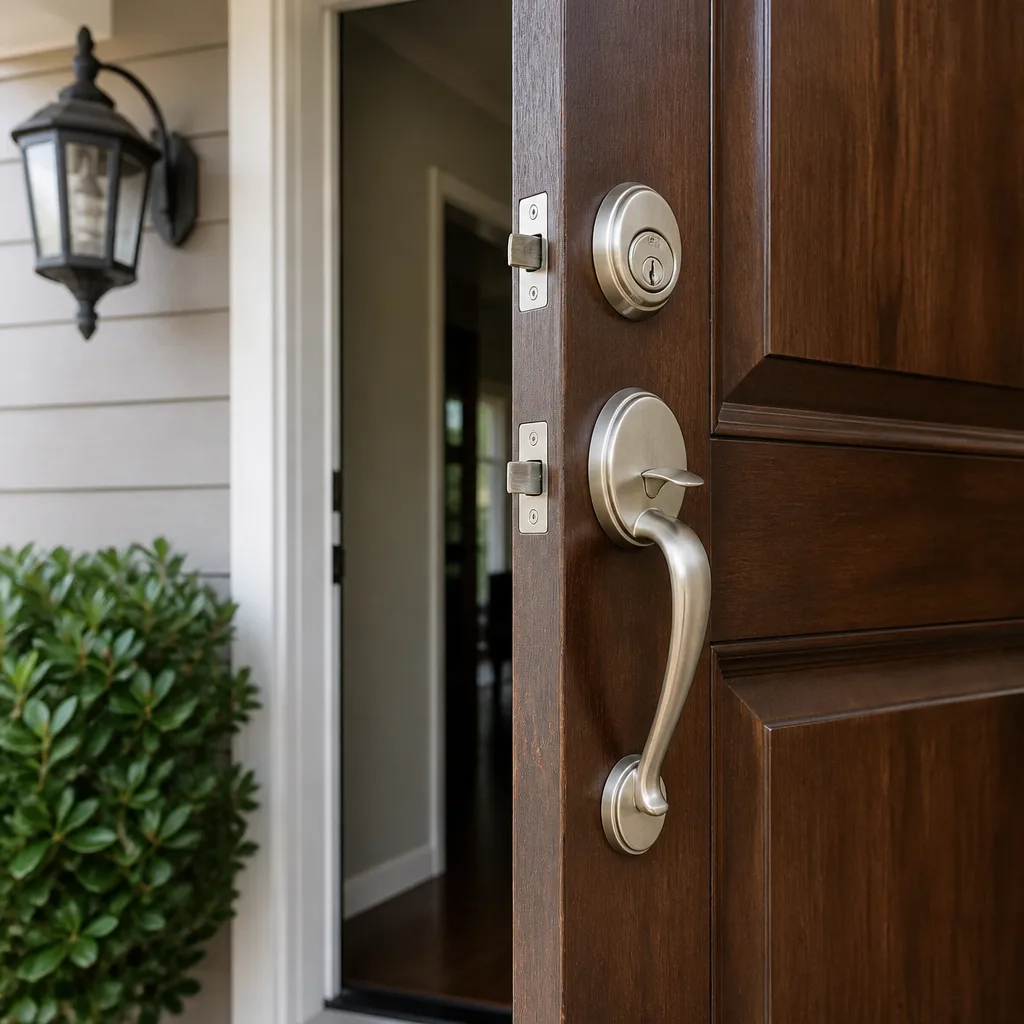
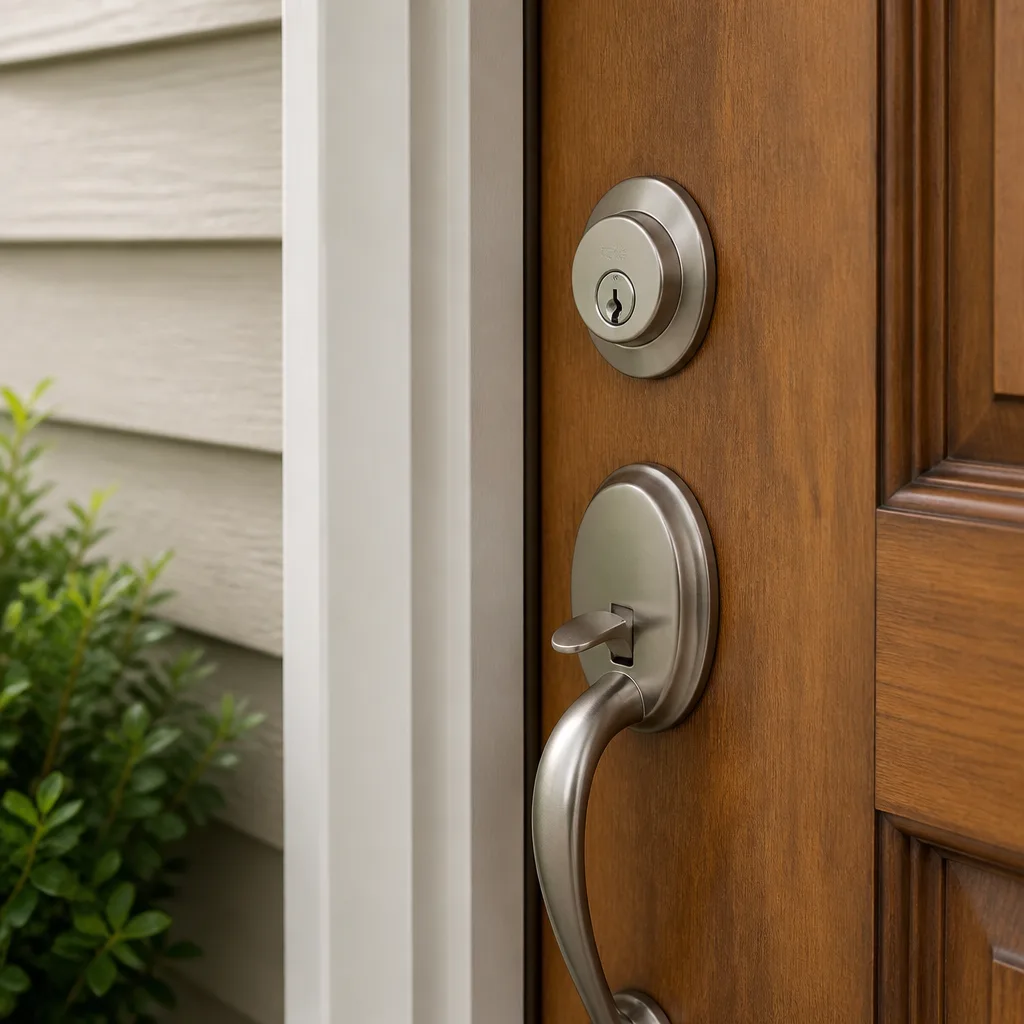
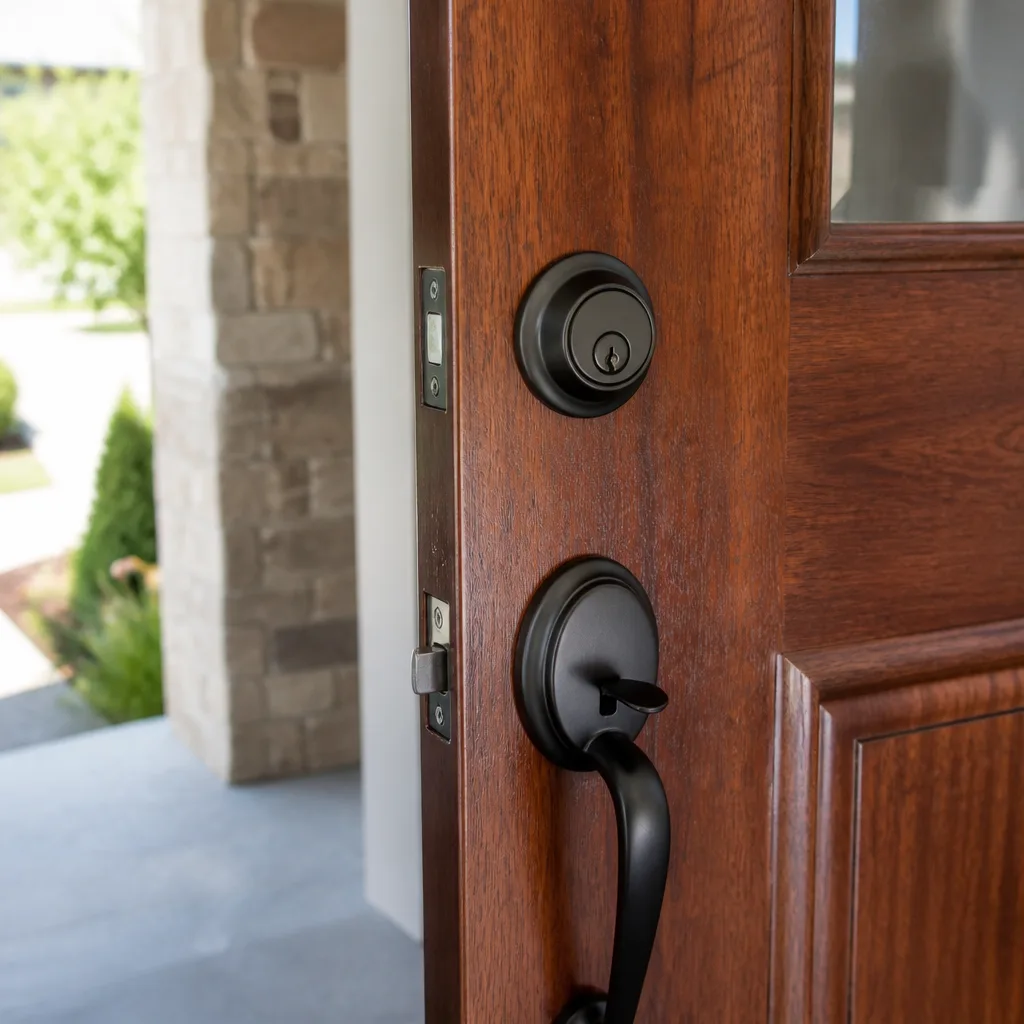
Lock Won’t Turn
A lock that won’t turn almost always comes down to one of three things: a worn or dirty key, a dry or corroded cylinder, or a lock that has shifted out of alignment with its strike plate. In most cases, the mechanism is still intact – it just needs to be diagnosed in person before you force it and break something that was otherwise still repairable.
When a lock stops turning, the temptation is to keep trying. Don’t. Every hard turn you force into a stuck cylinder risks snapping the key inside the barrel, bending the plug, or cracking a wafer that would otherwise cost almost nothing to fix. A lock that won’t turn is usually a lock that can be saved – if you stop early enough. Here’s how to figure out what’s going on, and what to do before your local Preston Locksmith and Security team arrives.
Why It Happens
1. The cylinder is dry or corroded
Lock cylinders need lubrication to work. Over time, the factory lubricant dries out, especially on exterior locks exposed to weather, salt air, or extreme temperature swings. When the pins and springs inside the cylinder run dry, friction builds up until the plug simply won’t rotate. You can usually tell this is the cause if the lock worked fine until recently and feels stiff rather than blocked – the key slides in without protest, but turning it takes real effort or won’t happen at all. On exterior deadbolts that haven’t been serviced in a few years, this is far and away the most common cause.
2. The key is worn
Keys are soft metal and they wear down with every use. The peaks and valleys that push individual pins to the right height get rounded off gradually, until the key can no longer lift every pin to the shear line at the same moment. When that happens, one or two pins stay in the way and block the plug from turning. Look at your key under a light and compare it to a spare if you have one. If the cuts look shallow or the edges look rounded instead of sharp, a worn key is a strong candidate. A new copy cut from the original – not a copy of a copy – often solves it immediately.
3. The lock is misaligned
Doors shift. Houses settle, wood swells in wet weather, and hinges loosen over years of use. When the door itself moves, the deadbolt or latch bolt no longer lines up cleanly with the strike plate hole in the door frame. The bolt tries to extend into a space that is slightly off-center, which puts side pressure on the plug and makes the key feel jammed even though the lock itself is mechanically fine. If your lock is worse in humid months or after rain, or if the door has started sticking before you even touch the key, misalignment is the likely culprit.
4. A broken internal component
Springs, pins, and cams inside a lock cylinder do eventually break, particularly in locks that are ten or more years old or have seen heavy daily use. If the key inserts but turns with a grinding sensation, or if it turns partway and then stops, something inside is likely physically broken. You won’t be able to assess this from the outside – and you shouldn’t try to disassemble the cylinder yourself, since doing so incorrectly will void any repair path and can leave pieces in the mechanism that make a straightforward job much harder. This one needs a technician.
What to Do Right Now
- Stop turning. If the lock has not responded to normal pressure, applying more force risks snapping your key inside the cylinder. A broken key extraction is a separate job – one that is easily avoided by stopping now.
- Try a different key if you have one. If a spare key turns where yours doesn’t, the problem is almost certainly the worn key, not the lock. Hold onto the worn key so the technician can see it.
- Look at the gap between the door and the frame. Run your eye along the latch side of the door. If the gap is uneven – wider at the top, tighter at the bottom, or vice versa – the door has shifted and the lock may be binding against the strike plate.
- Do not spray WD-40 into the cylinder. WD-40 is a water displacer, not a lock lubricant. It will temporarily loosen a dry cylinder, then dry out and attract dust, which makes the problem worse within a few weeks. If you want to try a lubricant, a dry graphite spray is appropriate – but skip this step if you’re planning to call us, since it can obscure what the technician needs to see.
- Take a photo of the lock face, the strike plate, and the door gap before anyone arrives. Your local Preston Locksmith and Security team can often diagnose the likely cause from a photo and arrive with the right parts already in the van.
How We Fix It
When your technician arrives, the first thing they do is diagnose before they touch anything. They’ll test the lock with your key, check cylinder movement, inspect the door alignment, and look at the internal condition if a disassembly is warranted. That diagnostic shapes the repair path – and the written price you receive before any work starts reflects exactly what the job requires, not a flat-rate guess.
A dry or corroded cylinder is typically cleaned, lubricated, and tested – a fast job that often restores a lock to full function without replacing any hardware. A misaligned lock may need the strike plate repositioned or the door rehung slightly, which falls under our door lock repair service. A cylinder with broken internals or a lock that has simply reached the end of its service life gets replaced, and we carry Schlage, Kwikset, Medeco, Yale, Baldwin, and Mul-T-Lock hardware on the van so the job is usually finished in a single visit. For locks that need new keys cut to match a door, rekey locks is often the right call – cheaper than full replacement and effective when the lock body itself is sound.
Every repair is covered by the 365-Day Done Right Promise: if it’s not done right, we make it right. That includes a free second visit if the repair fails – no charge, no argument. The written guarantee goes on the invoice the same day.
Frequently Asked Questions
It depends on which side of the door you’re on. If you’re locked outside and the lock won’t turn from the outside, the door may still be secure – but you need to get in, which makes it urgent. If the lock won’t turn from the inside and you cannot lock the door behind you when you leave, that is a genuine security gap and should not wait. Call (409) 405-4485 and let the team know the situation – they’ll prioritize accordingly.
If you cannot lock the door, it cannot wait. A door you can’t secure overnight is a real risk, and your local Preston Locksmith and Security team takes calls 24/7 – a live person answers every time, no voicemail. If the door is locked and you simply can’t get in, the urgency is the same in practical terms: you need access to your home. Call (409) 405-4485 now so someone can get to you.
The honest answer is: it depends on what the technician finds – a lubrication job costs much less than a cylinder replacement, and a rekey costs less than a full hardware swap. What we can tell you with certainty is that the price for your specific job is written down and handed to you before a single screw is turned. The number on that paper is the number on the invoice. There are no add-ons at the door. Call (409) 405-4485 and we’ll give you a free written estimate on the spot.
Possibly, and it’s not worth finding out. Forcing a stuck cylinder is one of the most common ways a repairable lock becomes an unrepairable one – snapped keys, cracked wafers, and bent plugs all result from keys turned under too much pressure. Stop where you are, photograph the lock, and call. A lock that won’t turn today can almost always be fixed cleanly if it’s left alone until a trained technician looks at it.
Get It Fixed
Call (409) 405-4485 – a live person answers every call, 24/7, no voicemail. Your local Preston Locksmith and Security team will give you a written price before any work starts and a live arrival time you can track. Book online or call now.
Written by Kevin Yoon, Owner at Preston Locksmith and Security, part of the Relay Home Co. family since 2008.
What Our Customers Say
"Showed me how to rekey a lock myself for the next time."
- Omar W."Commercial office lock replacement. Booked in the app, got a confirmation and a text with ETA. Quick and tidy."
- Jake L."Re-pinned the locks at our rental. Convenient and quick."
- Tina D.