
Last updated October 9, 2026
Non-destructive entry first, always - and we re-key Schlage, Kwikset, and Baldwin locks on the spot while you watch
You get a price before we start. It does not change when we arrive. No surprises.
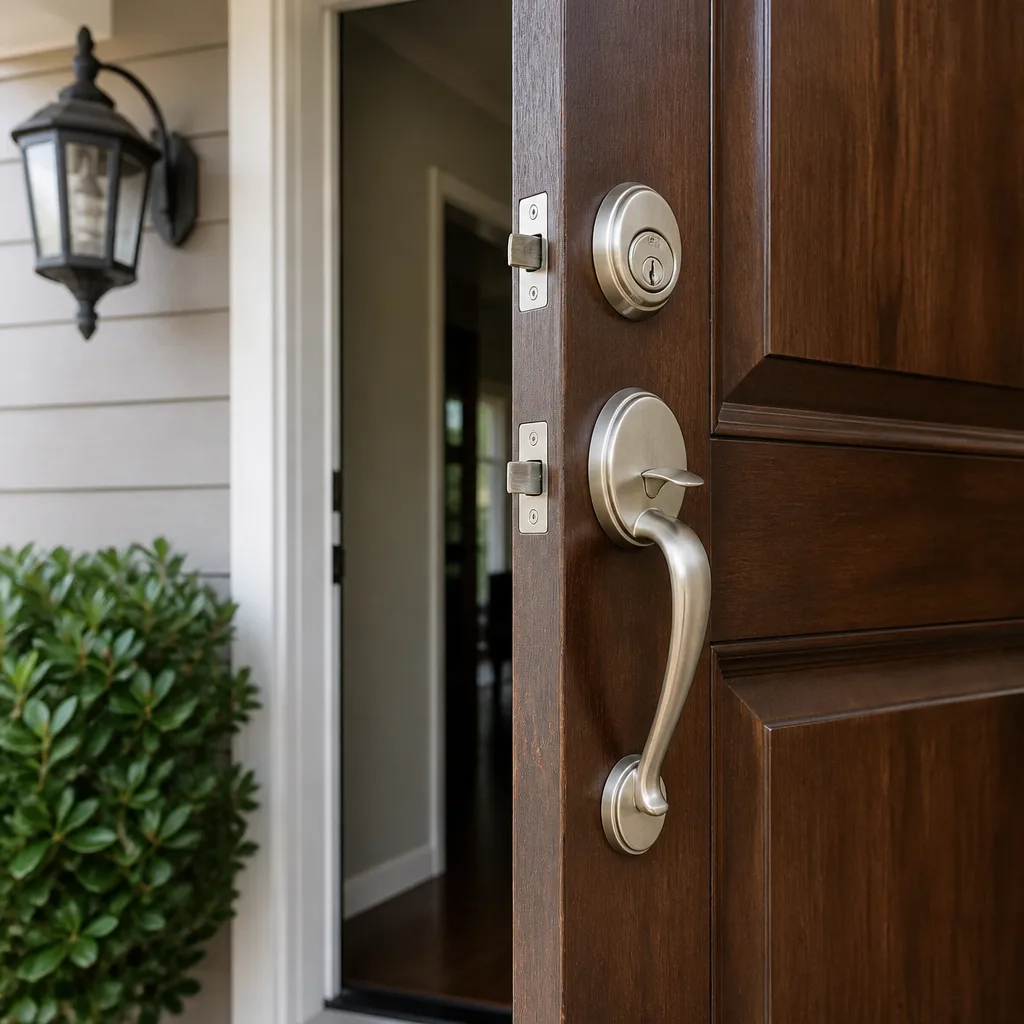
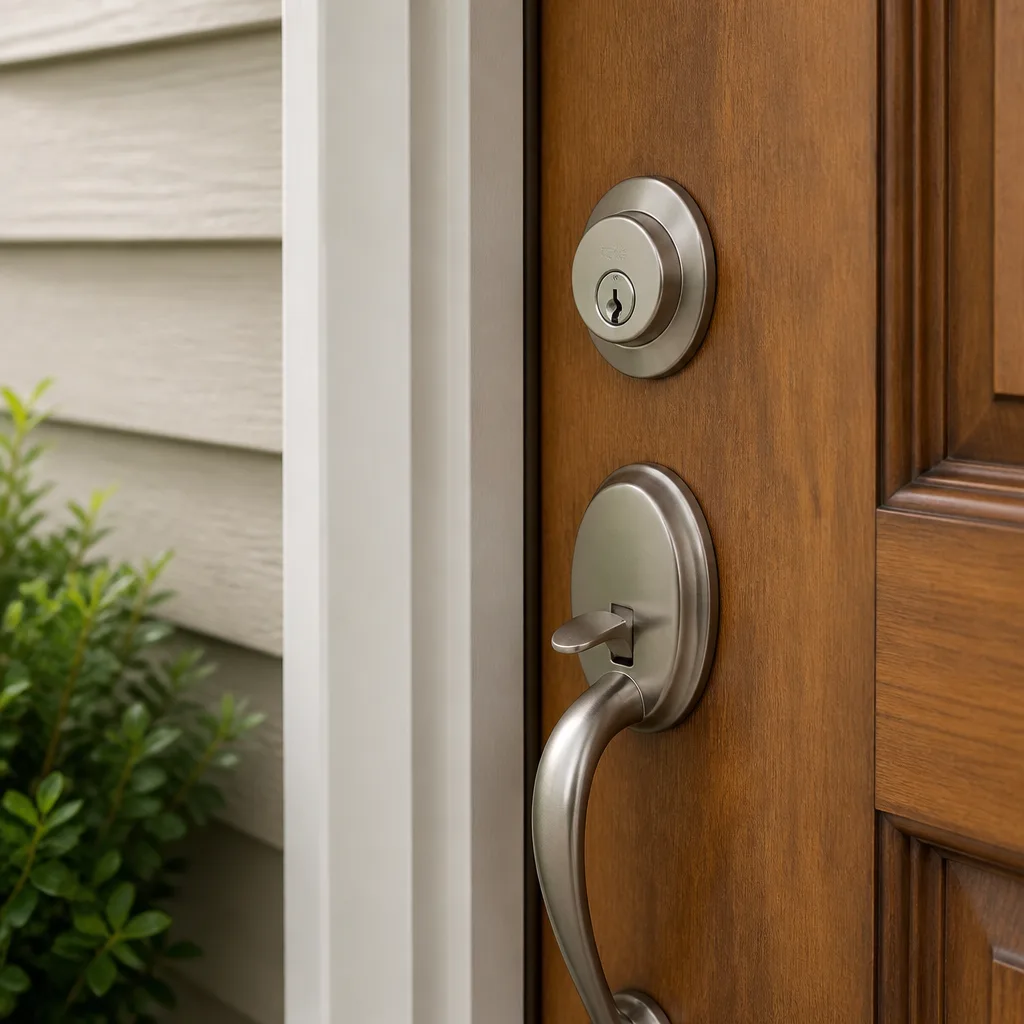
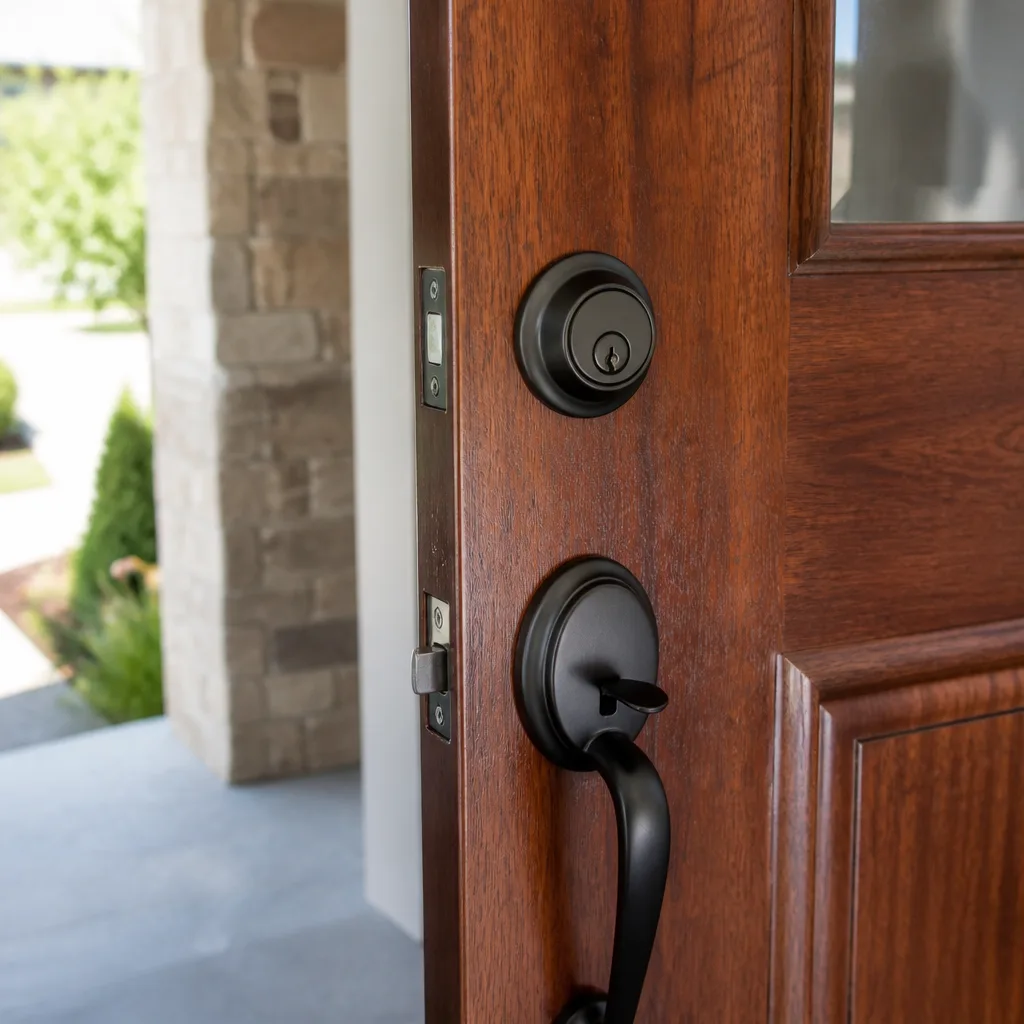
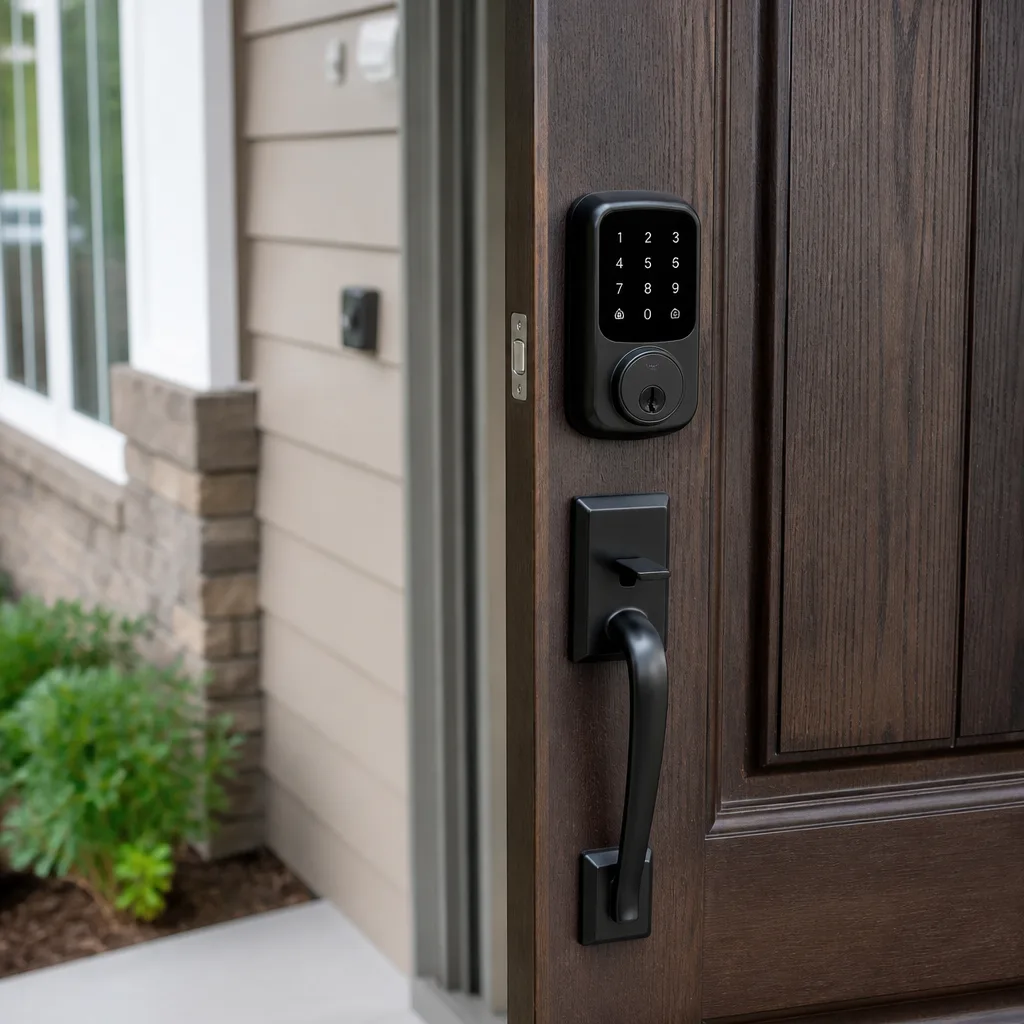
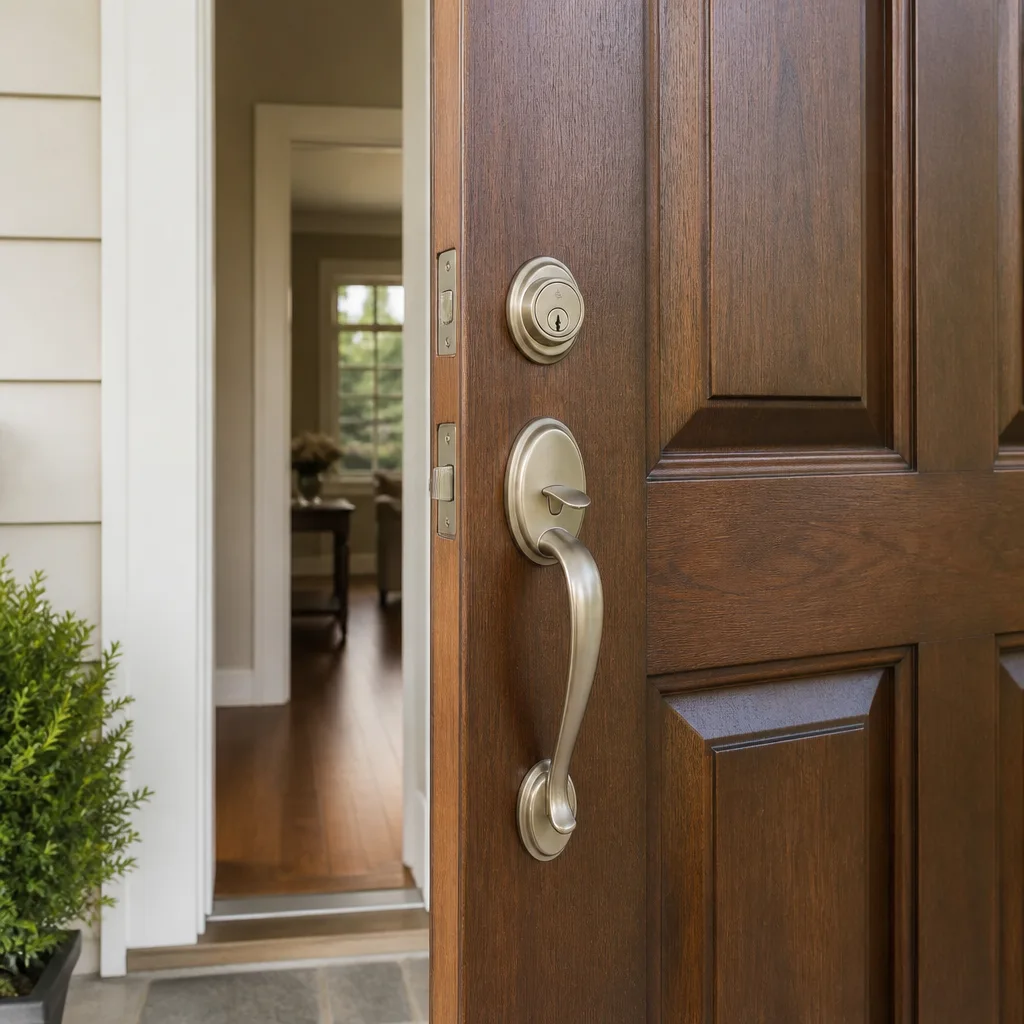
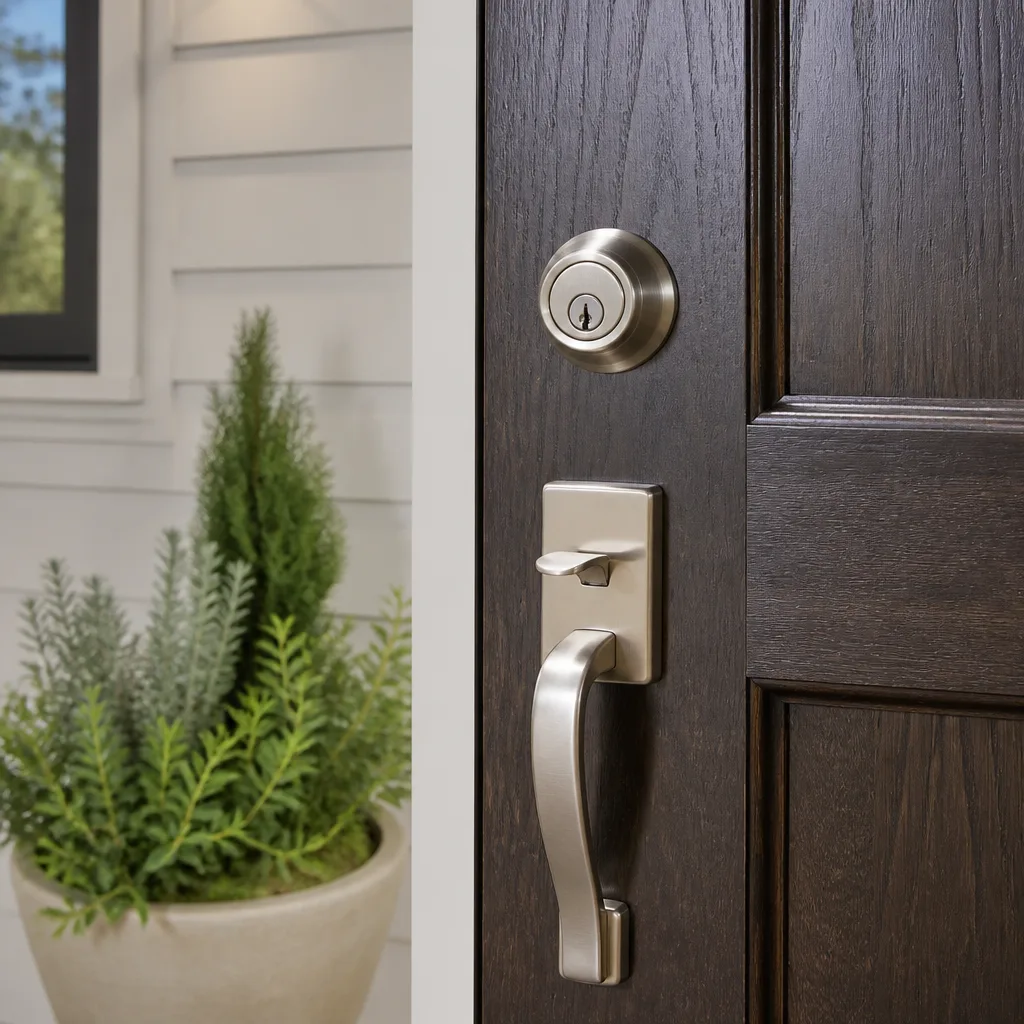
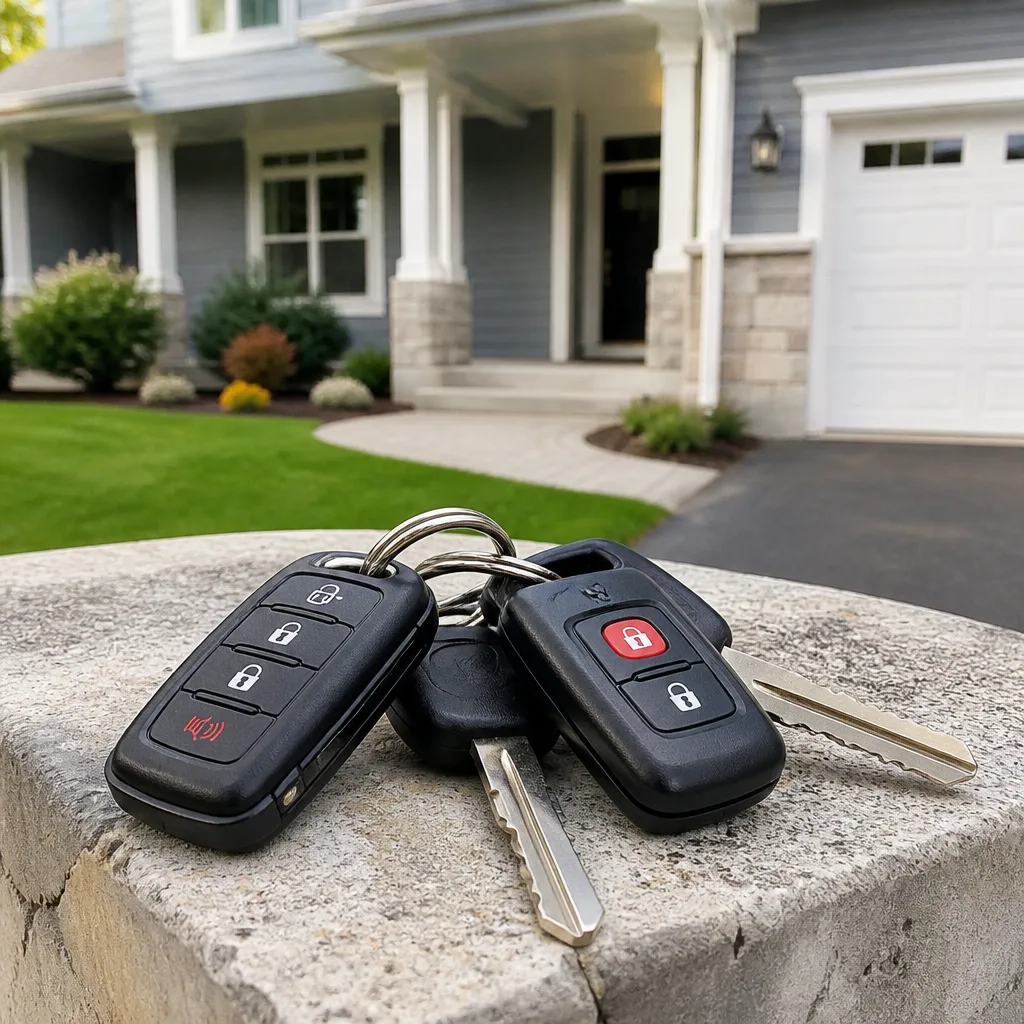
Locksmith Emergency Preparedness Guide for Los Angeles Homes
After the 2023 Maui fires, structural engineers documented something that should shake every Los Angeles homeowner: dozens of residents could not access fire safes, secondary exits, or emergency key boxes because the same event that created the emergency also destroyed their normal access habits. Keys melted inside lockboxes. Electronic deadbolts failed when power cut. Door frames warped just enough to jam deadbolts solid. The lesson is blunt: most families have a plan for surviving a disaster, but almost none have a plan for getting through their own doors afterward. This Preston Locksmith & Security home guide treats your locks as critical infrastructure, because in Los Angeles, that is exactly what they are. You will learn what actually fails, what to check after an earthquake or fire, and how to build a simple emergency access system that works when nothing else does.
Quick Answer
Building a locksmith emergency preparedness plan for a Los Angeles home means having a documented access system that survives earthquakes, wildfires, and power outages: a secure key lockbox in a protected location, copies with at least one trusted neighbor, written records of your lock models and a verified locksmith contact, and a basic hardware kit containing spare deadbolts, strike plates, and 9V batteries. Most lock failures after an LA emergency are door-frame damage, dead electronic lock batteries, or lost keys, not broken lock internals. A verified local locksmith like Preston Locksmith & Security can address all three quickly, but only if you have already documented what you have.
Table of Contents
- The LA Emergencies That Create Lock and Access Failures
- How to Build a Physical Emergency Key System
- What to Have Documented Before an Emergency
- How to Assess a Door Frame for Earthquake Damage
- The 72-Hour Kit Equivalent for Home Security
- Smart Lock Battery Failures and Power Outages
- Before Photos and Insurance Claims: The Access Angle
The LA Emergencies That Create Lock and Access Failures
Los Angeles does not have one kind of emergency. It has several, and each one damages locks differently. Most homeowners in LA prepare for earthquakes with bottled water and fire extinguishers, which is good. But almost no one thinks about what a magnitude 6.5 quake does to a door frame. The shaking changes the geometry of the house. A frame that shifted three millimeters is now pinching the deadbolt against the strike plate. The lock is not broken. The door is not broken. But the deadbolt will not throw, and the door will not open. We see this all over Los Angeles after minor quakes that most people write off as a jolt.
Wildfires create a different failure pattern. Fire approaches, power is cut, and thousands of smart locks with exhausted backup batteries simply stop responding. The lock’s motor cannot turn, and the keypad gives nothing but a dead clicking sound. In neighborhoods like Porter Ranch and the western San Fernando Valley, where wildfire evacuation is an annual conversation, dead smart locks have locked families out of their own entryways at exactly the wrong moment.
Power outages, even without fire, kill electronic locks in Los Angeles. Public Safety Power Shutoffs during Santa Ana wind events cut power to whole communities for days. A smart lock’s backup battery lasts between 4 and 12 hours of active use. After that, the lock is a brick unless a physical key is handy. And here is what most people miss: a classic mechanical key override still requires a frame that is not warped. Emergency preparedness has to account for both the electronics and the physics of the door.
How to Build a Physical Emergency Key System
Once you accept that power and phones will fail during an LA emergency, the solution is surprisingly low-tech: a physical key strategy that works without electricity, internet, or the person who usually holds the keys. The goal is access that survives when everything else does not. Here is the system we recommend to Los Angeles homeowners, and it is the same system we have helped set up across the city for nearly two decades.
- Install a high-quality key lockbox in a protected location. Choose a spot out of direct sun and away from sprinklers. Los Angeles sun and salt air will corrode cheap lockboxes within two years. Look for a mechanical combination lockbox with a solid brass body, not a plastic-shell option. Expect to pay $45 to $140 for a lockbox that will actually last in LA weather.
- Place backup keys with at least one trusted neighbor, not under a mat. We have seen hide-a-key rocks fail more often than any other strategy. A neighbor with a key means you still have access if the lockbox is damaged. In dense Los Angeles neighborhoods, this is a five-minute conversation that returns real security for years.
- Keep one emergency key in a second location further from the house. If you live in a hillside neighborhood with one road in, your lockbox and neighbor may both be unreachable. A family member across town or a close friend in another part of Los Angeles is a smart secondary holder.
- Use high-security keyways where possible. If you have rekeyed locks in a Mul-T-Lock or Schlage high-security cylinder, you can have controlled key blanks that a random hardware store cannot copy. That prevents an emergency key from becoming a permanent vulnerability.
The point of a physical key system is not sophistication. It is redundancy. In an emergency, the family member who never checks their phone will be the one who can open the door.
What to Have Documented Before an Emergency
When a lock fails after an earthquake or fire, the last thing you want is to dig through a junk drawer for a warranty card. A simple folder, digital or paper, keeps insurance claims and locksmith calls moving quickly. Los Angeles homeowners who have this documentation get faster resolutions and avoid paying for work that insurance would have covered; see our Locksmith Warning Signs: A Los Angeles Homeowner’s Reference Guide for more on avoiding unnecessary costs.
- A verified locksmith contact. When an emergency happens, you do not want to search Google and pick the first paid listing. That listing may route to an out-of-state call center that dispatches an unknown technician with no local accountability. Write down a real local Los Angeles locksmith’s name and phone number before you need it. A business that has been in LA since 2008 and answers phones with a live person is the bar.
- Lock model and serial numbers. For hardware from Schlage, Mul-T-Lock, Medeco, or Baldwin, the warranty claim is faster when you have the model and serial. Photograph the face of every lock and the edge of the door where the latch sits. Store those photos in a folder called “Home Access” on your phone.
- Before photos of every door and lock. Insurance companies routinely deny lock damage claims because the homeowner cannot prove the lock was in good condition before the event. Before photos are cheap documentation. Take them now, not after the earthquake.
- Your key code or keyway information. If you use restricted keys, note the keyway type and any key serial numbers. A locksmith can cut new keys from that information faster than you might think.
This documentation should live in at least two places: your phone and a physical folder in a fire-safe location. Phones die. Files burn. Redundancy is the whole game.
How to Assess a Door Frame for Earthquake Damage
This is the distinction that separates insurance claims that get paid from those that get denied. After an earthquake in Los Angeles, a door that will not open is usually not a broken lock. It is a warped or shifted door frame. The lock’s internal cylinder is fine. The deadbolt is not bent. The frame has moved, and now the deadbolt cannot seat.
Here is what to check before you assume the lock failed:
- Look at the gap between the door and the frame. Close the door as much as you can and measure the gap along the latch side. If the gap is wider at the top than the bottom, or wider at the bottom, the frame has shifted. That is structural, not mechanical.
- Look for hairline cracks around the hinge screws. Earthquake energy often cracks drywall or wood near the hinges because that is where the weight of the door concentrates. A crack means the entire door assembly moved.
- Try the deadbolt without the door fully closed. If the deadbolt throws smoothly when the door is open but binds when you close it, the frame is the issue. If the deadbolt is gritty even with the door open, the lock cylinder or bolt mechanism has debris damage.
- Check the strike plate. A shifted frame often marks the strike plate with fresh gouges where the deadbolt now hits a slightly different spot.
Why this matters: if you tell your insurance company “the lock broke,” and the adjuster sees a warped frame, your claim can be delayed or denied for misreporting. If you identify the frame shift first, the claim is documented correctly, and a Los Angeles door lock repair becomes a straightforward covered repair. We have walked many clients through this exact sequence, and the ones who document the frame shift get paid. The ones who blame the lock get bounced.
The 72-Hour Kit Equivalent for Home Security
Los Angeles emergency planners talk about 72-hour kits: food, water, and first aid to survive three days without outside help. Home access deserves the same treatment. If a major earthquake hits Los Angeles, locksmiths will be swamped. Hardware stores will run out of deadbolts and strike plates. You do not want to be the person waiting for a supply run to secure your front door.
Here is the spare hardware kit we recommend every LA homeowner keep in a clearly labeled box in the garage:
- One spare deadbolt of the same brand and backset as your current hardware. For most Los Angeles homes, that is a Schlage or Kwikset deadbolt with a 2-3/8 inch or 2-3/4 inch backset. Check yours. The cost is $30 to $70, which is cheap insurance against a broken bolt in a disaster.
- Two spare strike plates with matching screws. A shifted frame often strips the original strike plate. A spare plate with 3-inch screws lets you re-secure the door to the frame studs instead of the trim.
- Two 9V batteries for keypad deadbolts. If your smart or keypad lock uses 9V batteries, keep spares. If it uses AA batteries, keep a four-pack. This is the single most common lock failure in Los Angeles power outages.
- A tube of graphite or Teflon dry lube, never WD-40. Post-earthquake dust and soot gum up lock cylinders. Dry lube clears them. WD-40 attracts more dust and turns the cylinder into paste.
- A small brass hammer and a flat pry bar. For doors that have shifted, a few gentle taps on the strike plate tab can realign things enough to get the door open. This is for access, not permanent repair.
Total cost: around $120 to $180. Total benefit: your home is securable within minutes of an emergency, instead of days later when a supply run finally happens.
Smart Lock Battery Failures and Power Outages
Los Angeles has more smart locks per capita than almost any other major American city, driven by a renovation market that loves keypad entry. Smart locks are excellent daily conveniences. They are also the first thing to fail in a power outage, and the failure is silent. A lock with a dead backup battery gives no warning beep if the power has already cut.
Most smart lock backup batteries last 4 to 12 hours of active use after the mains power goes down. In a Public Safety Power Shutoff during a Santa Ana wind event, that window may not get you through the first night. The lock’s keypad may still light from residual charge while the motor cannot turn the deadbolt. But the real problem is not the battery at all. The problem is that many Los Angeles homeowners do not know where the physical key override is, or never kept a cut key because they moved in and set up the smart lock digitally.
Our advice for anyone with a smart lock in Los Angeles:
- Replace backup batteries every 6 months, not when the lock beeps. Write the date on the battery with a permanent marker. In LA’s heat, batteries degrade faster than the manufacturer’s rating suggests.
- Have a physical key cut and placed in your key lockbox. A smart lock without a physical key override is not prepared for an emergency. Make sure the key actually opens the cylinder, not just one you assume works.
- If you lose power and the lock dies, plug in a 9V jump battery. Most smart locks have two small terminals on the bottom or front edge. A 9V battery held to those terminals can power the keypad long enough to enter a code and throw the bolt. This is the emergency jump-start for dead digital locks, and it works on most major brands.
Smart locks are not a security weakness if you back them up properly. But in Los Angeles, where the grid cuts during wind events and the heat eats batteries, the backup plan is not optional.
Before Photos and Insurance Claims: The Access Angle
Insurance companies in California do not love paying lock and access claims because they are easy to dispute. The homeowner says the lock was damaged by an earthquake. The adjuster says it was already worn. Without documentation, the adjuster wins. With documentation, the claim is often approved in days. The difference is entirely in what you have before the event.
Take clear, bright photos of every exterior door and lock today. Include the face of the lock, the edge of the door showing the latch and deadbolt, the strike plate on the frame, and one wide shot showing the whole door in context. Store these in your phone, a cloud folder, and a physical print if you have a fire-safe box. When you file a claim, these photos establish the baseline condition. A lock that was clean and unscratched on October 1 cannot be written off as pre-existing wear on October 15.
Also document any previous door lock repair work. If you had a locksmith service the lock six months before an earthquake, that invoice is proof the lock was in working order. We see this regularly in Los Angeles: a claim that would have been denied gets approved because the homeowner had a service record. Most people never think about the insurance angle of locksmith work, and it costs them real money.
Common Mistakes to Avoid
- Hiding a key near the door. Hide-a-key rocks, fake sprinkler heads, and magnetic boxes under the HVAC unit are the first places burglars look in Los Angeles. A lockbox or a neighbor’s key is strictly better and costs about the same.
- Relying on one smart lock as your only entry. Smart locks fail in power outages, heat waves, and after firmware updates. A backup physical key is not a luxury; it is the whole emergency plan.
- Not knowing your door frame’s baseline. If you have never looked closely at your door frame before an earthquake, you cannot prove it shifted during one. Take a photo of the latch gap today.
- Calling an unverified locksmith in a panic. Los Angeles has more locksmith listings than any honest market would support. Many route to out-of-state call centers. Verify a locksmith now, not while standing in the driveway at 2 a.m.
- Replacing a lock without documenting the old one. If a drill-out is required, take photos before and after. Insurance wants to see the damage, and a good locksmith provides before-and-after photos as part of the job.
- Ignoring dead backup batteries in smart locks. A smart lock that beeps “low battery” is already in failure mode. Replace the battery that day, not next week. Los Angeles power shutoffs wait for no one.
When to Call a Professional
Some access problems are fixable with a spare key and a tube of graphite. Others are not, and pushing on the wrong one makes things worse. Call a professional when a door frame has visibly shifted and the deadbolt will not throw, when a smart lock is completely dead with no physical key, when a key breaks off in the cylinder, or when you suspect tampering. A professional can assess whether the problem is mechanical or structural, which matters for insurance. In Los Angeles, Preston Locksmith & Security offers free estimates and is available at (409) 405-4485. Our technicians are background-checked, arrive in uniform, and provide a written price before any work starts, with a 365-Day Done Right Promise on every repair.
Frequently Asked Questions
Emergency lockout service in Los Angeles typically runs $85 to $160 for a standard residential door, with the price confirmed in writing before dispatch. Rekeying a standard lock runs $25 to $45 per cylinder, and installing a new deadbolt runs $120 to $250 depending on hardware. Call (409) 405-4485 for an exact written quote before a technician is sent.
With Preston Locksmith & Security, yes. The price is put in writing before any work begins, and it is the exact price on the invoice. There is no call-out surcharge added on arrival and no bill that swells between the estimate and the work.
Most Los Angeles lockouts are reached in 30 to 60 minutes depending on traffic and distance. Preston Locksmith & Security provides a live trackable arrival time through The Relay Visibility Guarantee, so you know exactly when the technician will arrive, not a four-hour window.
Yes. A locksmith can often realign a shifted door by adjusting the strike plate, replacing hinge screws with longer fasteners, or shimming the frame. If the structural shift is severe, a carpenter may be needed, but the lock itself is usually untouched. A locksmith can assess the difference quickly.
Hold a fresh 9V battery against the emergency terminals on the lock face to power the keypad long enough to enter your code. If that fails, use your physical key override. If you have no physical key, a locksmith can open the lock and cut a new key, typically for $85 to $160 for an emergency call.
California requires a locksmith license issued by the Bureau of Security and Investigative Services; read our full guide on Locksmith Permits, Codes & Inspections in CA: What You Need to Know. Ask for the license number and verify it on the BSIS website. Preston Locksmith & Security sends background-checked, uniformed technicians, and every job is done with The Relay Visibility Guarantee, including written pricing and before-and-after photos.
The Bottom Line
Emergency preparedness in Los Angeles has to include your locks, because earthquakes, fires, and power outages all find the weak points in your access system. The way to fix that is not complicated: install a real lockbox, keep a physical key with a neighbor, document every lock with photos and serial numbers, stock a small hardware kit, and put a verified locksmith’s number in your phone. Most lock failures after a disaster are not broken locks. They are dead batteries, warped frames, and lost keys. All three are solvable in minutes if you prepared, and all three are expensive emergencies if you did not. Preparedness costs about $150 and one afternoon. A post-disaster lockout costs far more.
Written by Kevin Yoon, Owner at Preston Locksmith & Security, serving Los Angeles since 2008.