
Last updated October 9, 2026
Non-destructive entry first, always - and we re-key Schlage, Kwikset, and Baldwin locks on the spot while you watch
You get a price before we start. It does not change when we arrive. No surprises.
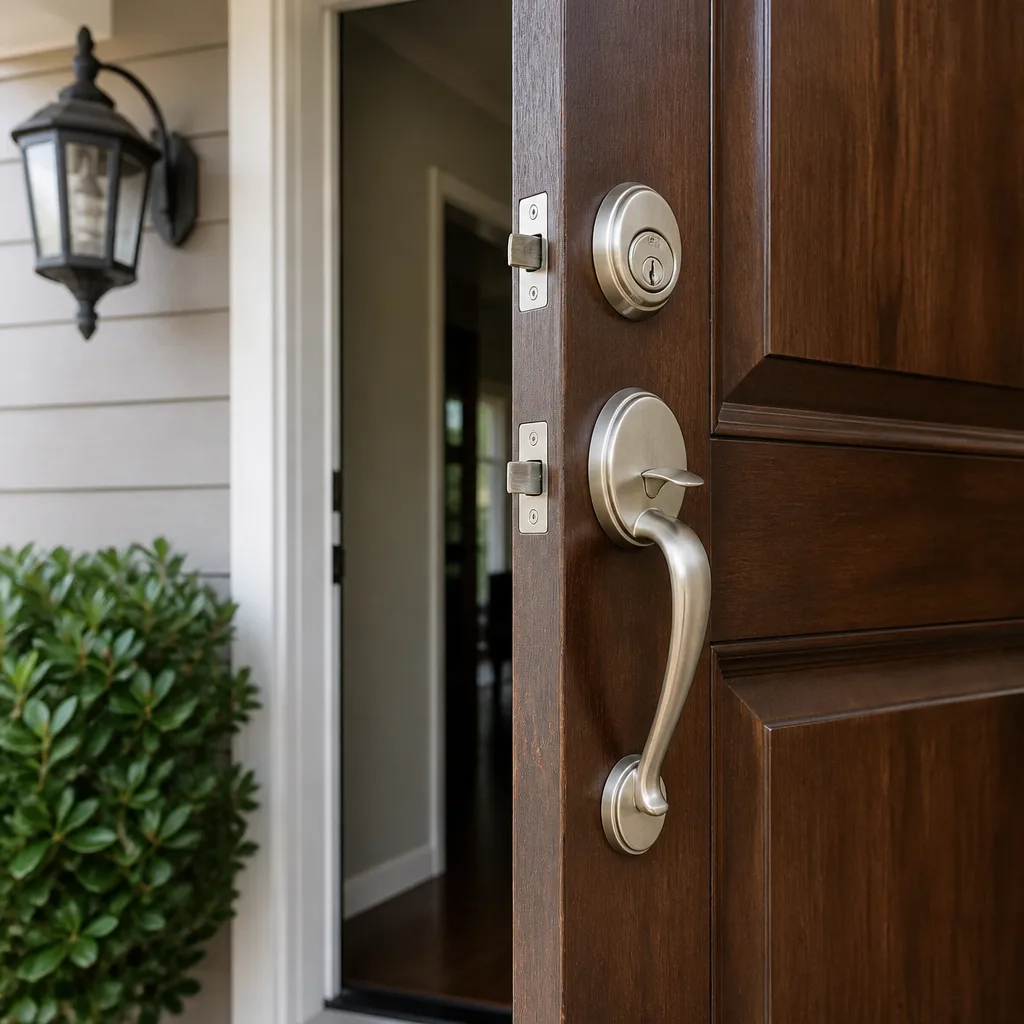
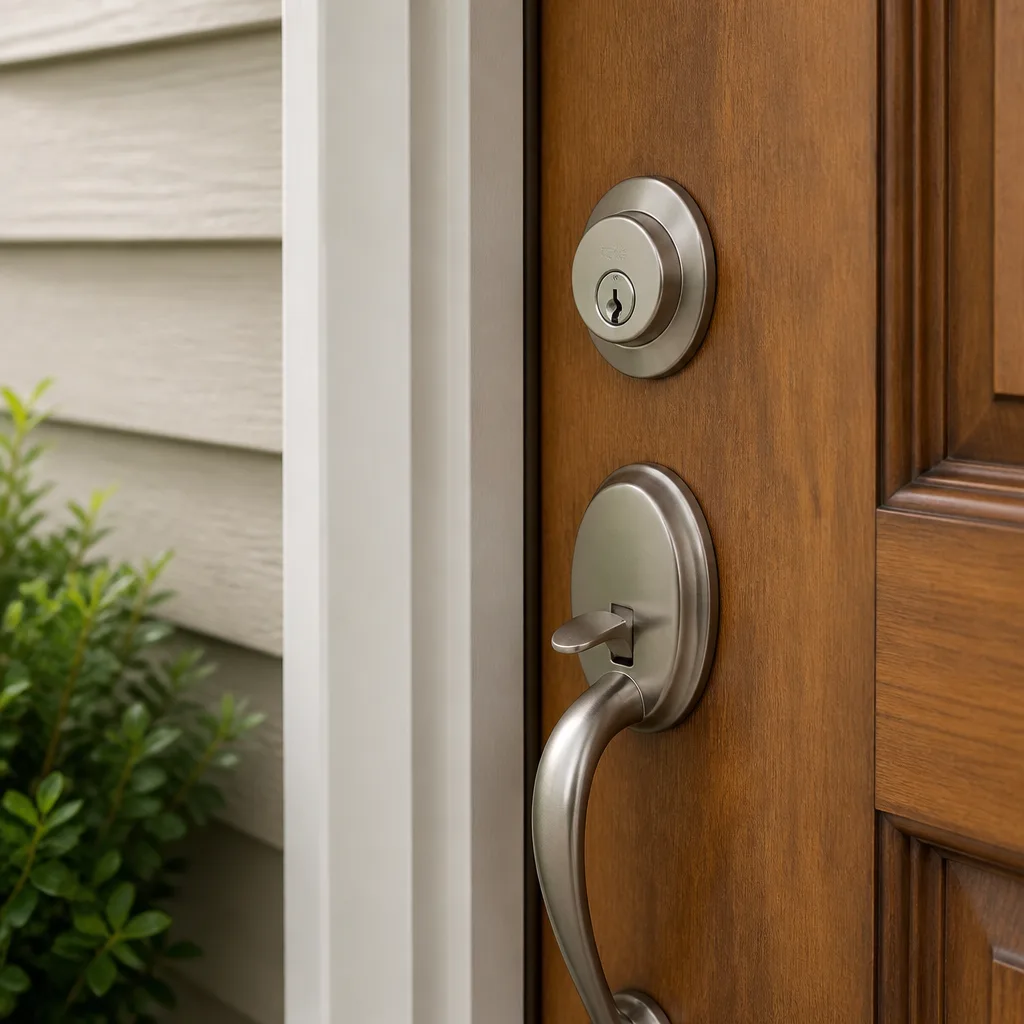
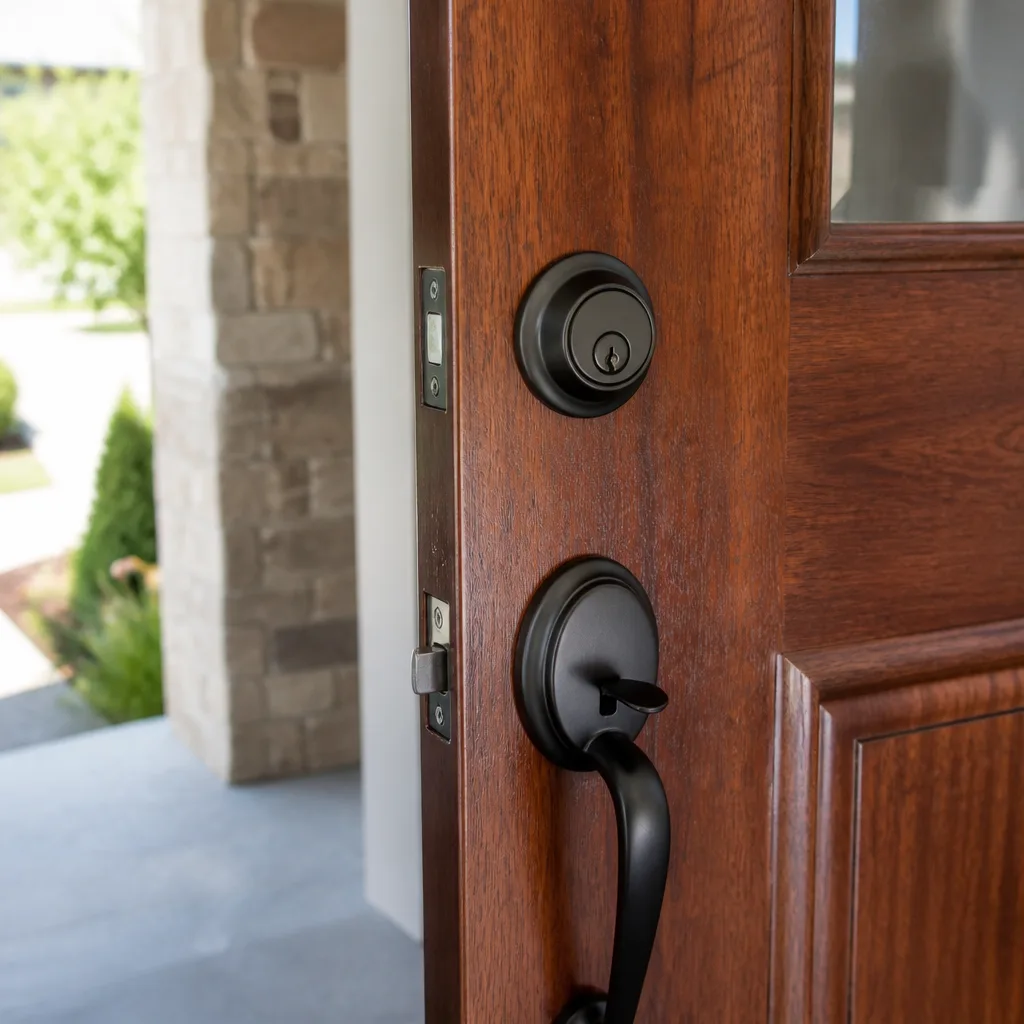
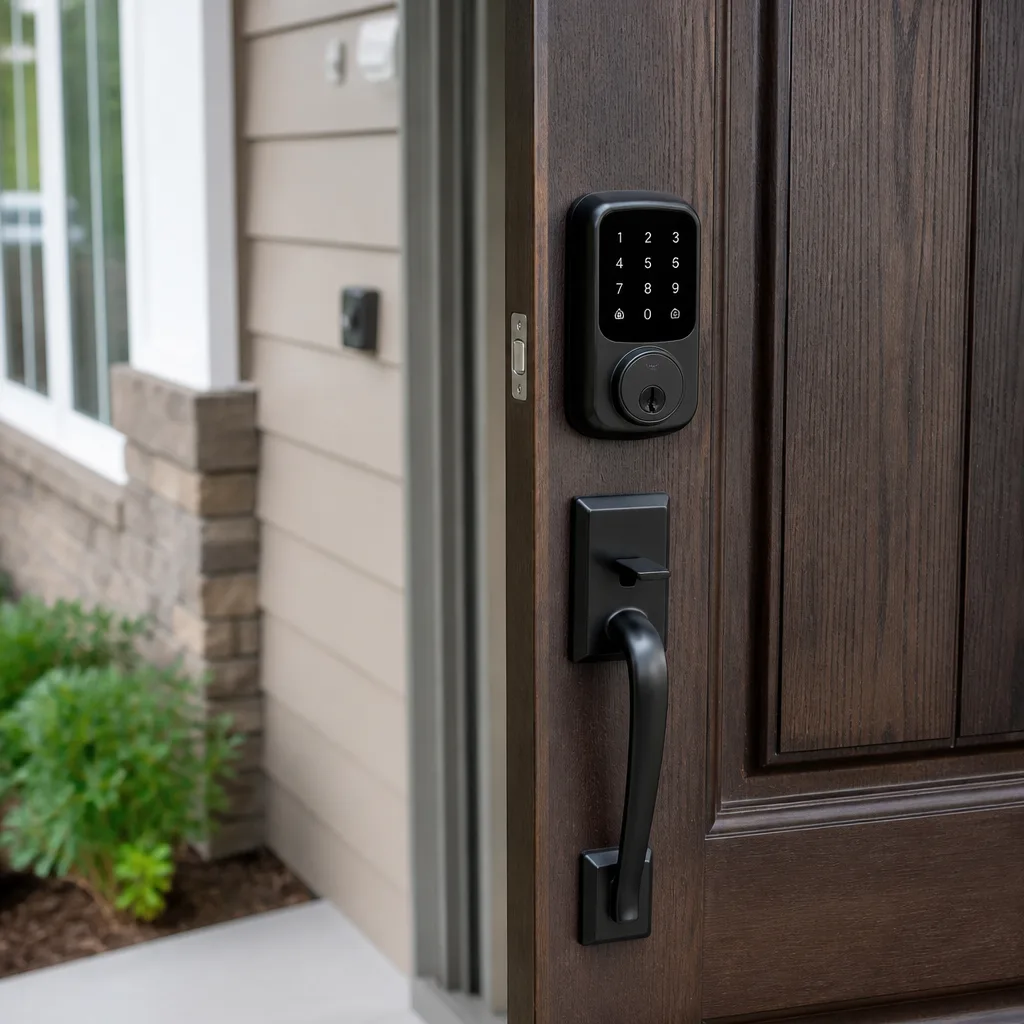
Rekey Locks Maintenance Schedule: What to Do and When
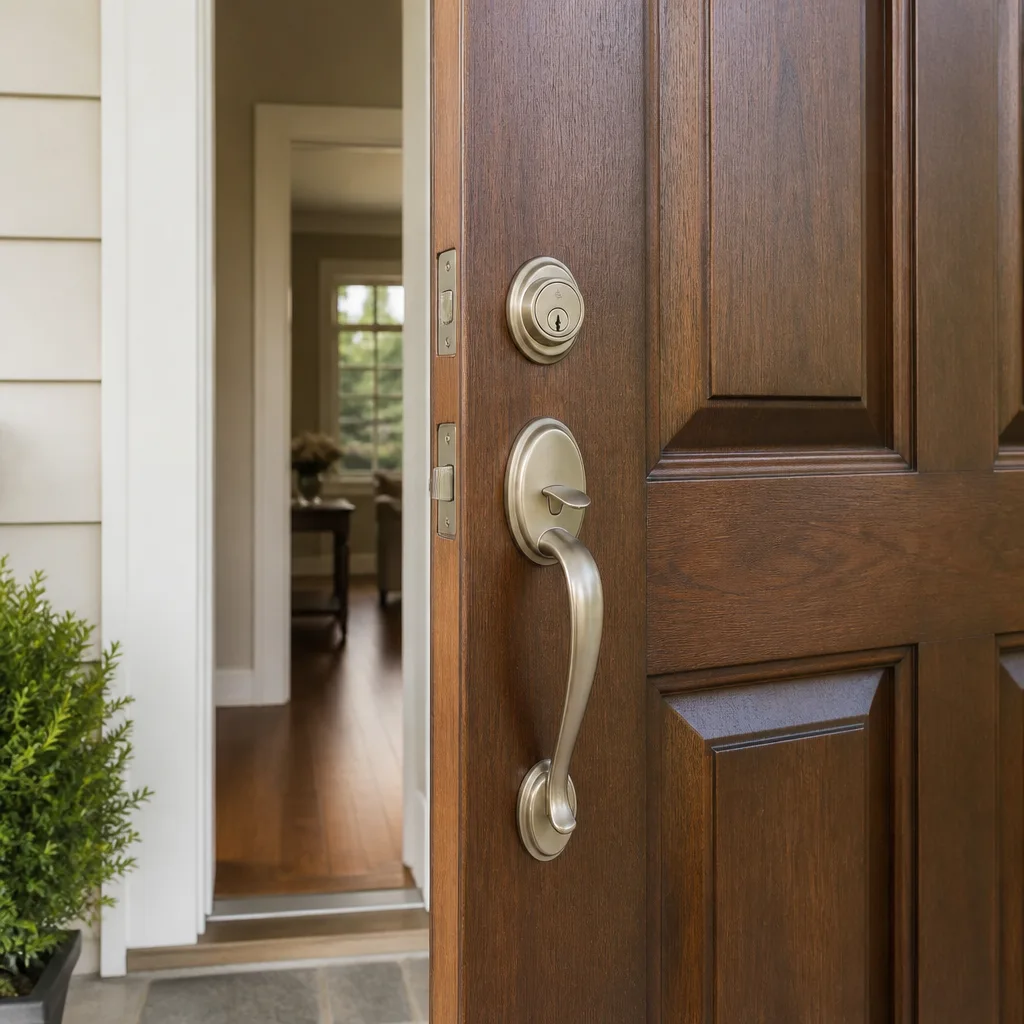
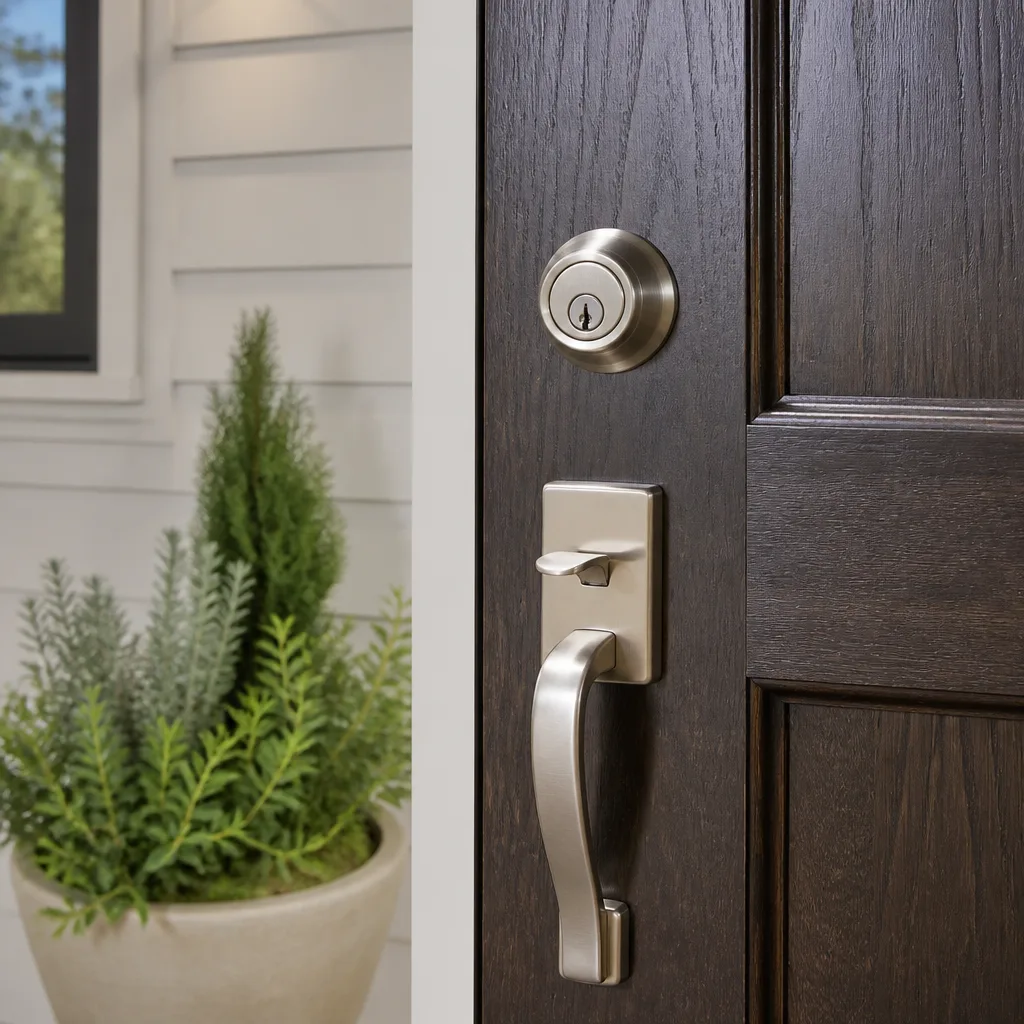
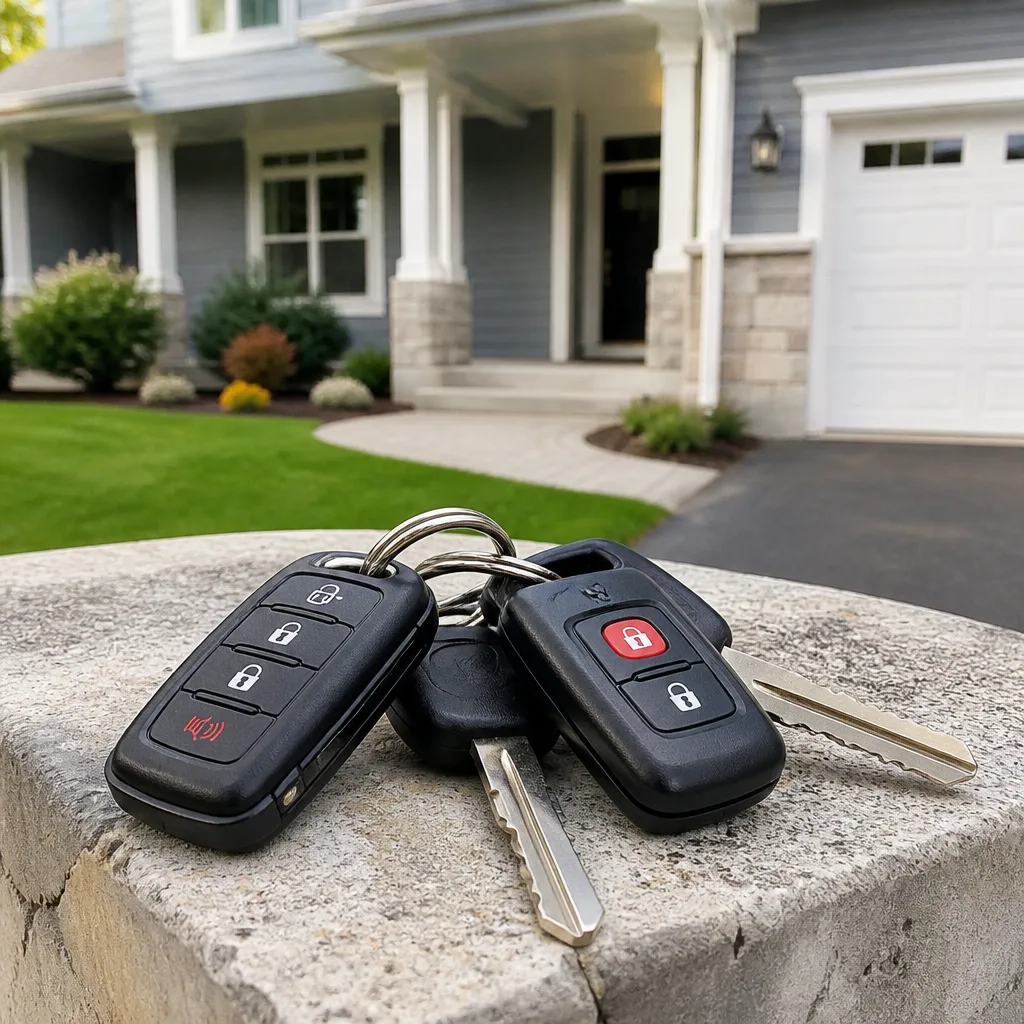
Most Los Angeles homeowners treat rekeying as a one-and-done event: you move in, you call a locksmith, old keys stop working. Then you never think about it again until a key breaks or a roommate moves out. But here’s what 17 years of servicing locks across Los Angeles has taught us: locks that get rekeyed on a schedule, not just after an emergency, cost about 40% less to maintain over a five-year window than locks that get ignored until something fails. The reason is simple. A rekey isn’t just about who has a key. It’s the single best moment to have a trained eye look at cylinder wear, strike plate alignment, and deadbolt throw before small problems become lockouts or forced entries. This guide walks through exactly what to do, when to do it, and how to think about rekeying as a rolling security habit rather than a reactive expense. For hands-on help, see our Rekey Locks services.
Quick Answer
Rekey your exterior locks every 3 to 5 years as routine maintenance, and immediately after any key-related life event: moving into a new home, losing a key, ending a roommate or tenant situation, or finishing contractor work. Pair every rekey with an annual physical inspection of the cylinder, deadbolt, and strike plate, especially in Los Angeles, where seasonal temperature swings shift wooden door frames enough to affect lock alignment between summer and winter.
Table of Contents
- The Event-Based Rekey Calendar: When Life Demands New Keys
- The Annual Physical Inspection Checklist for Rekeyed Locks
- How Los Angeles Seasonal Shifts Change Lock Function
- When to Rekey vs. When to Replace the Whole Cylinder
- How to Keep a Home Security Log That Saves You Money
- What You Can Check Yourself vs. What Needs a Technician
- Common Mistakes to Avoid
- When to Call a Professional
- Frequently Asked Questions
- The Bottom Line
The Event-Based Rekey Calendar: When Life Demands New Keys
Forget the idea that rekeying is only for move-in day. In practice, rekeying should be tied to specific events on your calendar. Here’s the schedule we recommend to homeowners across Los Angeles, from Echo Park bungalows to Sherman Oaks townhouses.
Rekeying in this context means swapping the internal pins inside the cylinder so old keys no longer turn the lock. You keep the hardware. You replace the key. It’s the difference between a $25 to $65 per cylinder rekey and a $150 to $300 full deadbolt replacement, which is why event-based rekeying is the cheapest security upgrade in the business.
Move-in day: the non-negotiable
The day you take possession of a new home or apartment, every exterior lock gets rekeyed. Not the day after. Not once you finish unpacking. That same day. You have no way of knowing how many previous keys are floating around, from the last owner’s dog walker to their ex to a house cleaner hired two years ago. We’ve rekeyed single-family homes in Highland Park where the seller handed over two keys and the buyers later found a third hidden under a patio stone. Within an hour, that hidden key became worthless. This is a rekey locks in Los Angeles job we do daily, often same-day.
Post-contractor access: 48 hours after the final walkthrough
General contractors, electricians, plumbers, painters, staging companies. Every trade that worked in your home while you weren’t there had access to a key, a lockbox code, or an unlocked door. Rekey within 48 hours after the final walkthrough, not because we believe contractors are dishonest, but because keys get copied and codes get shared. One homeowner in Silver Lake handed a key to a tile installer, the installer’s helper copied it at a hardware store for $4, and a laptop went missing six weeks later. The rekey cost $40. The laptop did not come back.
Post-roommate or post-tenant departure: before the last box leaves the house
When a roommate moves out or a tenant’s lease ends, rekey the same day the last box leaves. In Los Angeles, roommate turnover is constant. Every turnover is a fresh key floating in the world. Even if the departing person hands back the key, you have no idea if a copy exists. A rekey removes the doubt entirely. For landlords, this is also a code compliance matter: California Civil Code requires landlords to provide new or rekeyed locks to a new tenant, but that requirement does not protect you from the old tenant’s key until you actually rekey.
After any key loss: same day, every time
Lost keys are the most under-appreciated security hole in Los Angeles. If you drop a key in a parking lot in Culver City with a gym membership tag on the ring, someone now potentially has both your car key and a route to your front door. Rekey that same day if you can. We answer phones around the clock at Preston Locksmith & Security home specifically because lost keys rarely happen at 2 p.m. on a Tuesday. The written price comes to you before we dispatch, so there’s no after-midnight bill shock.
Relationship changes and home staff turnover: within one week
Breakups, divorce, a nanny or house cleaner leaving, a caregiver transition. These are all rekey events. You don’t need to treat every one as an emergency, but within one week, every exterior key should be cycled through a rekey. The emotional side of these transitions matters, and the security side matters more. A rekey is a quick, inexpensive reset that makes the home feel fully yours again.
The Annual Physical Inspection Checklist for Rekeyed Locks
Rekeying once and walking away is like changing your oil once and never checking the dipstick again. Once a year, walk the entire exterior of your home with this checklist. It takes ten minutes and catches 80% of the problems that become lockouts or break-ins.
The four-point annual check
- Cylinder feel test. Insert the key and turn it slowly. It should feel smooth, not gritty or resistant. If it snags or feels like sand is in the mechanism, the cylinder has either collected debris or begun to wear. A rekey includes cleaning and relubricating the pins, which resolves most gritty feelings before they become a key that won’t turn at all.
- Deadbolt throw measurement. Throw the deadbolt and check how far the bolt extends into the strike plate. The bolt should seat fully into the plate, not just press against the front lip. A bolt that only partially extends means the door has shifted and the bolt is binding. In Los Angeles, wood frames shift more than you think. Measure the throw length against the manufacturer’s spec, usually 1 to 1.5 inches. If it’s short, you need a strike plate adjustment, not a new lock.
- Strike plate screw tightness. Most strike plates in older Los Angeles homes are attached with screws barely longer than a fingernail. Grab a screwdriver and check each screw on every exterior door. If the screw spins without tightening, the door frame has stripped. Swap in a 3-inch screw that bites into the wall framing. This single change doubles the kick-in resistance of a standard door.
- Door gap measurement at the latch point. With the door closed and latched, look at the gap between the door and the frame where the latch and deadbolt sit. The gap should be roughly 1/8 inch, enough for a business card to slide but not a butter knife. If the gap is wider in summer than winter, or you can see daylight through the latch area, the weatherstripping or door alignment has degraded. This affects lock performance directly.
Run this checklist every year, ideally in a month you’ll remember: your move-in anniversary, tax day, whatever sticks. We see plenty of Los Angeles homeowners in neighborhoods like West Adams and Atwater Village who run this check in January and find loose strike plates that have been silently loosening since summer.
How Los Angeles Seasonal Shifts Change Lock Function
Los Angeles doesn’t freeze, so people assume locks here don’t care about seasons. That’s wrong. The city swings from dry Santa Ana conditions in the fall to marine-layer humidity in June, and the temperature spread between a January morning in the San Fernando Valley and an August afternoon in the same spot can run 50 degrees. Wood absorbs and releases moisture through every one of those shifts.
Here’s what that means for your locks, season by season.
Winter and early spring: doors contract
Dry, cooler air pulls moisture out of wood door frames. The frame contracts. A deadbolt that was perfectly aligned in October can start binding by February because the strike plate has moved a fraction of an inch relative to the bolt. You’ll notice the deadbolt needs a shoulder push to throw, or the key turns but the bolt won’t slide without force. The fix is usually a strike plate adjustment, not a rekey. But this is the season when people call us thinking they need a new lock when what they need is a 20-minute file-and-shim correction on the plate. The repair cost is lower than a rekey, and a technician can do it while doing the two other things you actually need.
Summer and early fall: doors expand
Heat and the thin coastal moisture that sits over Los Angeles in June and July push moisture back into wood frames. Doors swell. Latch bolts that slid in easily in March start scraping the strike plate. In worst cases, the door won’t latch at all without slamming. This is also when brass keys, carried in pockets and purses, absorb enough body heat and humidity to develop surface oxidation. A gritty key feel in August is often just a dirty key. Clean it, then test the cylinder again. If it’s still gritty, the cylinder itself needs servicing. Kwikset and Schlage cylinders sold in Los Angeles handle the range fine, but older Baldwin hardware can be more sensitive to frame movement because the strike plates were installed thirty years ago with short screws.
The twice-yearly adjustment you should actually book
In our experience servicing Los Angeles properties, the smartest schedule is a spring adjustment in April and a fall adjustment in October. Not a full service. Just a technician walking the doors, checking alignment, tightening or replacing strike plate screws, and cleaning any cylinders that have gotten dirty. That twice-yearly touchpoint costs dramatically less than an emergency call when a swollen door jams a deadbolt at 11 p.m. It’s not a rekey. It’s physical maintenance that extends the life of every rekey you’ve paid for.
When to Rekey vs. When to Replace the Whole Cylinder
Here’s the part most locksmith websites skip: Rekey Locks Warning Signs Every Homeowner Should Know include that rekeying is not always the right answer. A cylinder can be rekeyed many times. But there’s a practical limit, and ignoring it means paying for rekeys that don’t last.
The three-rekey rule
If a cylinder has been rekeyed more than three times, start thinking about replacement. Each rekey involves opening the cylinder, removing the plug, swapping the pins, and reassembling. The cylinder body and plug accumulate microscopic wear through every cycle. After three or four rekeys, the tolerances widen enough that the key sloppiness becomes noticeable, even with new pins. Some people don’t notice. Their keys still work. But the lock becomes easier to pick, and springs lose the crisp rebound that keeps pins in place. Every rekey after the third is a diminishing return.
The seven-year replacement threshold
An exterior lockset in a Los Angeles home takes real abuse: UV exposure, salt air near the coast, dust from the Santa Anas, daily use from every family member. After seven years, even a high-end Schlage or Medeco deadbolt has internals that are simply tired. The cost logic matters here. A cylinder replacement on a standard deadbolt runs $60 to $120 installed, or you can replace the entire hardware set for $150 to $300. A rekey runs $25 to $65. If the lock is seven years old and has been rekeyed twice, you’re looking at spending another $50 to keep aging hardware alive when $100 replaces it with a fresh cylinder and new keys. The math favors replacement.
When rekeying still makes sense
- The lock is under five years old and feels smooth.
- The hardware itself is high-grade, like a Medeco or Baldwin mortise lock, where replacement hardware runs hundreds of dollars.
- You need the key to change quickly after a roommate leaves, and the cylinder is in good physical shape.
- The lock has never been rekeyed and is functioning perfectly.
When replacement is the better call
- The cylinder has been rekeyed three or more times.
- The lock is over seven years old on an exterior door.
- The key is bent or cracked, and the cylinder has visible corrosion from coastal salt air in places like Venice or Marina del Rey.
- The hardware is a cheap big-box brand that’s already showing wobble in the tailpiece or thumb turn.
If you’re not sure, ask. A technician who is honest about when not to rekey saves you money over a five-year horizon. That’s the conversation we have daily in Los Angeles, and the answer depends entirely on the condition of the specific cylinder in your hand, not on a generic service menu.
How to Keep a Home Security Log That Saves You Money
Most homeowners can’t tell us, when they call, whether their deadbolt is a Schlage B60 or a Kwikset from the clearance aisle. They don’t know when the last rekey happened. They don’t remember how many keys they’ve handed out. That missing information costs real money because it forces every new locksmith visit to start from zero.
A home security log is a single page inside a drawer, or a note on your phone, that records four things.
- Key holders. Name every person who has ever been given a key or access to a lockbox, with the date given and the date returned or voided. Include roommates, tenants, dog walkers, cleaners, contractors, caregivers, family members, and neighbors who held a spare.
- Rekey dates. Write down the date of every rekey and which locks were rekeyed. Note the brand and model of each lockset, and if a technician identified wear or alignment issues.
- Hardware brand and grade. Record what’s installed on each door: Schlage, Kwikset, Medeco, Yale, Baldwin, Mul-T-Lock, Sargent, or Abloy, and the grade if you can find it. Grade 1 or Grade 2 on the box means commercial-grade. Grade 3 is residential. This tells any future locksmith exactly what they’re working with before they arrive.
- Service invoices. Keep a digital copy of every locksmith invoice, including what was charged and what the technician found. Future quotes become faster when past work is documented.
Here’s why this log matters in real terms. When you call us and say your front door lock is acting up, we can either ask you to read the brand off the faceplate and guess the age, or we can open your log and know it’s a Schlage B60 installed in 2019, rekeyed in 2022, with a loose strike plate noted in 2023. The second version cuts diagnostic time in half, which cuts your bill. It also means when a key goes missing, you know instantly whether it was a master key, a spare, or the only copy that exists. Homes that keep this log spend less money on locksmith services over five years than homes that don’t. It’s that simple.
What You Can Check Yourself vs. What Needs a Technician
Rekeying a lock is not inherently dangerous the way garage door springs or electrical panels are. But it is easy to do wrong, and a poorly rekeyed lock fails in two ways: the old key still works, or no key works at all. For Rekey Locks Troubleshooting: Common Problems and How to Fix Them, here’s the honest split between what you can handle and what you shouldn’t.
Safe to check yourself
- The four-point annual inspection from above: cylinder feel, deadbolt throw, strike plate screws, door gap.
- Cleaning a key with a dry cloth or mild soap and drying it thoroughly before use.
- Confirming whether a deadbolt fully extends into the strike plate.
- Writing down the brand name from the faceplate or the edge of the door.
- Testing a key in every lock after a rekey to verify it works.
Leave to a trained technician
- Any actual rekeying, which requires removing the cylinder plug and swapping pins. A wrong-sized pin falls out of place and jams the lock, or leaves the old key functional.
- Strike plate adjustment on an exterior door where the plate is so misaligned the door no longer latches. The plate may need to be repositioned and the mortise re-cut, which is a finesse job, not a screwdriver job.
- Cylinder replacement on any high-security brand like Medeco or Mul-T-Lock, where replacement parts are keyed to specific control keys and generic hardware-store parts will not fit.
- Any lock on a door that serves a security function, like a front entry or a door from an attached garage into the living space. A strip mall storage unit door may tolerate a sloppy rekey. Your front door should not.
Every door lock repair in Los Angeles job we take starts with the same sequence: written price, live arrival time you can track, before-and-after photos, and a digital invoice. That’s the standard we apply to commercial locksmith work too. You’ll know exactly what’s being done and what it costs before anyone touches a tool.
Common Mistakes to Avoid
- Rekeying only the front door. The back door, side door, and garage entry door all need the same rekey schedule. A rekeyed front door with an untouched back door is security theater. In Los Angeles, where detached garages are common, the garage side door is the most frequently overlooked entry point.
- Handing out a key to a contractor and forgetting about it. Every temporary key becomes a permanent risk until the lock is rekeyed. Build the rekey into the contract price and schedule it for the day after the final inspection.
- Rekeying a cylinder that should be replaced. Forcing another rekey into a seven-year-old, three-times-rekeyed cylinder wastes the rekey fee. A reputable technician will tell you when replacement is the smarter spend.
- Ignoring the strike plate. The most expensive lock in the world does nothing if the strike plate is held in by half-inch screws in a stripped frame. Check the plate every year, and upgrade to 3-inch screws if it’s loose.
- Not recording the rekey date. Without a log, you’ll forget when the lock was last rekeyed, and you’ll either rekey too often or too rarely. Ten seconds of note-taking saves real money.
- Waiting for a lockout to service locks. By the time a lock fails, the repair is always more expensive than the maintenance that would have prevented it. The four-point annual check costs nothing but ten minutes.
- Assuming a rekey is a one-time purchase. Rekeying is a cycle. Life events trigger it, seasons stress it, wear demands it. Treating it as a calendar item rather than an emergency response is the entire point of this guide.
When to Call a Professional
Call a locksmith when a key breaks off inside a cylinder, when a door won’t latch because the strike plate has shifted past adjustment, when you’ve lost a key and can’t account for who might have found it, or when a lock is seven years old and has been rekeyed multiple times. Also call when you move in, when a roommate or tenant leaves, or when contractors finish major work. Preston Locksmith & Security offers free estimates in Los Angeles, with the price written before work starts. Call (409) 405-4485. The phone is answered by a live person 24/7, no voicemail tree, and every repair is backed by the 365-Day Done Right Promise: if it’s not done right, we make it right, including a free second visit if the repair fails.
Frequently Asked Questions
Rekey exterior locks every 3 to 5 years as routine maintenance, plus immediately after any life event that changes who may have had access: moving in, losing a key, ending a roommate or tenant situation, or finishing contractor work. In Los Angeles, seasonal frame shifts mean you should also inspect lock alignment twice a year even when no rekey is due. Call (409) 405-4485 for a free estimate and a written price before any work begins.
Rekeying a standard lock in Los Angeles typically runs $25 to $65 per cylinder, with most homes needing 3 to 6 cylinders rekeyed, putting the total between $75 and $390. The price is confirmed in writing before we dispatch, and that written price is the price on your invoice: no call-out surcharge, no arrival fee, no after-hours markup buried in the fine print. Call (409) 405-4485 for an exact quote.
Yes. The price is in writing before any work starts, and that written price is the price on the invoice. If the technician finds something unexpected, they stop and get your approval on any additional cost before touching it. No bill that swells between the estimate and the invoice. Call (409) 405-4485 for a free estimate.
Yes, same-day rekeying is available across Los Angeles, and it’s one of the most common jobs we do. After you call, you get a live trackable arrival time, a technician arrives in uniform, and before-and-after photos document the work. Call (409) 405-4485 to schedule.
Preston Locksmith & Security has been serving Los Angeles since 2008. Every technician is background-checked, uniformed, and equipped to service Schlage, Kwikset, Medeco, Yale, Baldwin, Mul-T-Lock, Sargent, and Abloy hardware. Every job is backed by the 365-Day Done Right Promise, which includes a written guarantee and a free second visit if the repair fails. Call (409) 405-4485 for a free estimate.
Yes, rekey within 48 hours after any contractor or service provider who had key access finishes work. The rekey changes the internal pins so copies of the old key stop working. It’s cheap insurance, and in Los Angeles, where home service turnover is constant, it’s the single most common rekey trigger we see. Call (409) 405-4485 for a written price before we dispatch.
The Bottom Line
Rekeying is not a one-time task. It’s a calendar item with three layers: event-based rekeys tied to life changes, an annual four-point physical inspection, and a seven-year replacement threshold for aging hardware. In Los Angeles, where wood frames swell and contract enough to shift deadbolt alignment between seasons, the annual check matters as much as the rekey itself. Keep a simple home security log with key holders, rekey dates, hardware brands, and service invoices, and explore our more guides & resources for ongoing maintenance tips. It makes every future locksmith visit faster and cheaper. And when you need the work done, the price should be in writing before a technician arrives. That’s what we’ve done since 2008. Call (409) 405-4485 for a free estimate, answered by a live person around the clock.
Written by Kevin Yoon, Owner at Preston Locksmith & Security, serving Los Angeles since 2008.