
Last updated October 9, 2026
Non-destructive entry first, always - and we re-key Schlage, Kwikset, and Baldwin locks on the spot while you watch
You get a price before we start. It does not change when we arrive. No surprises.
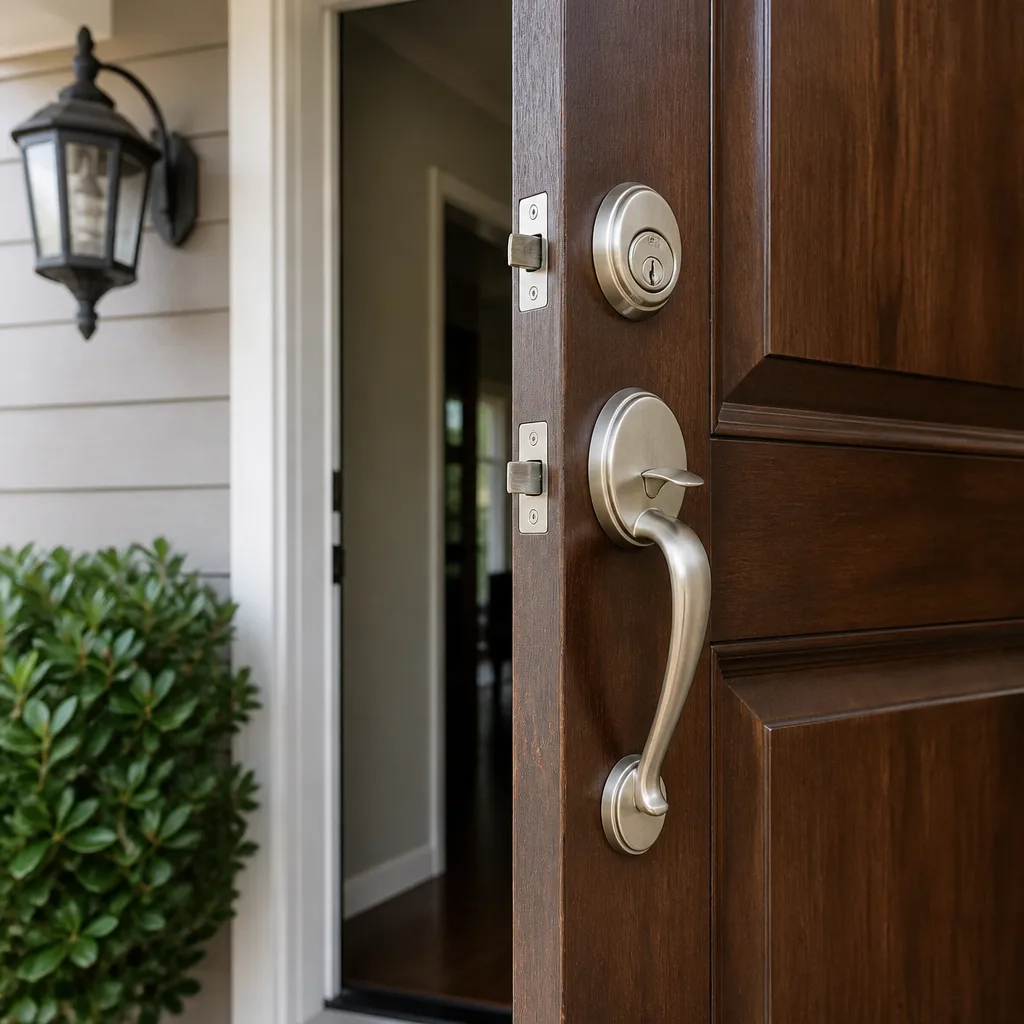
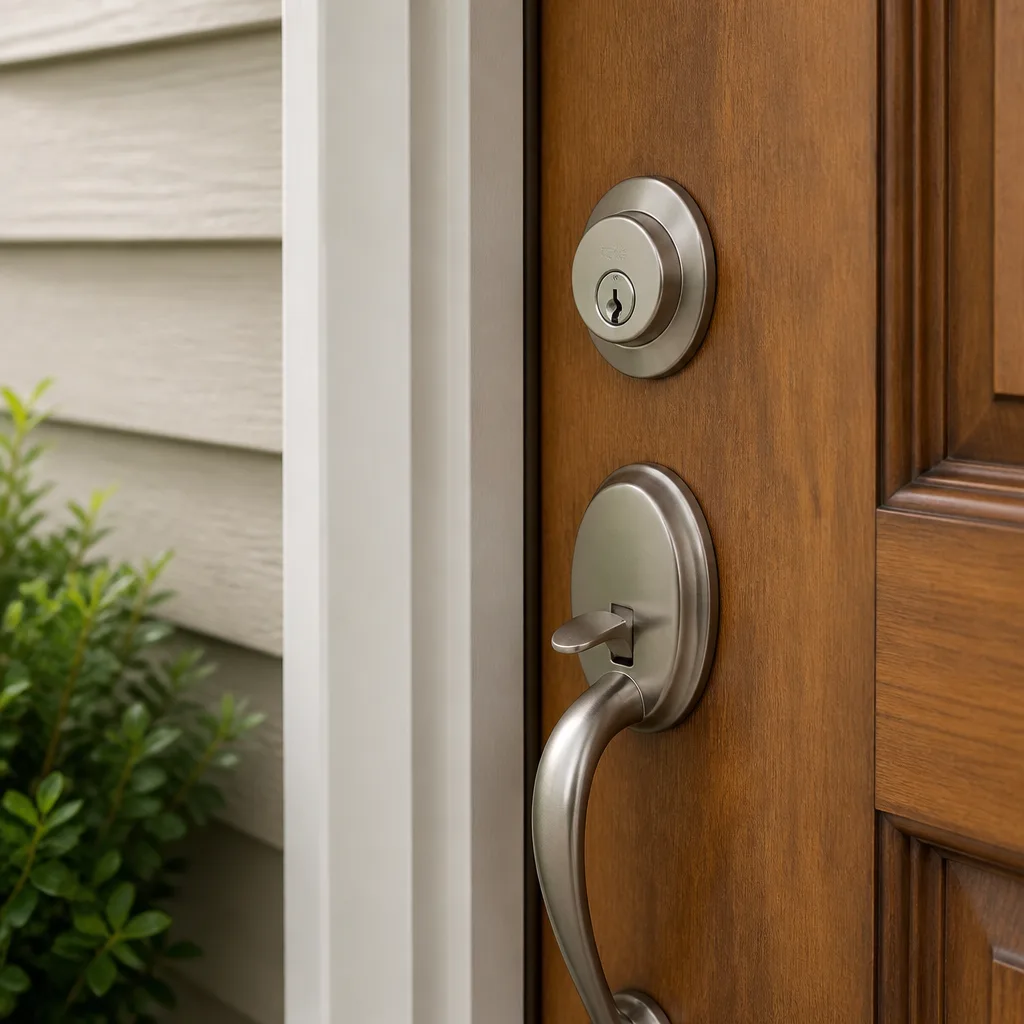
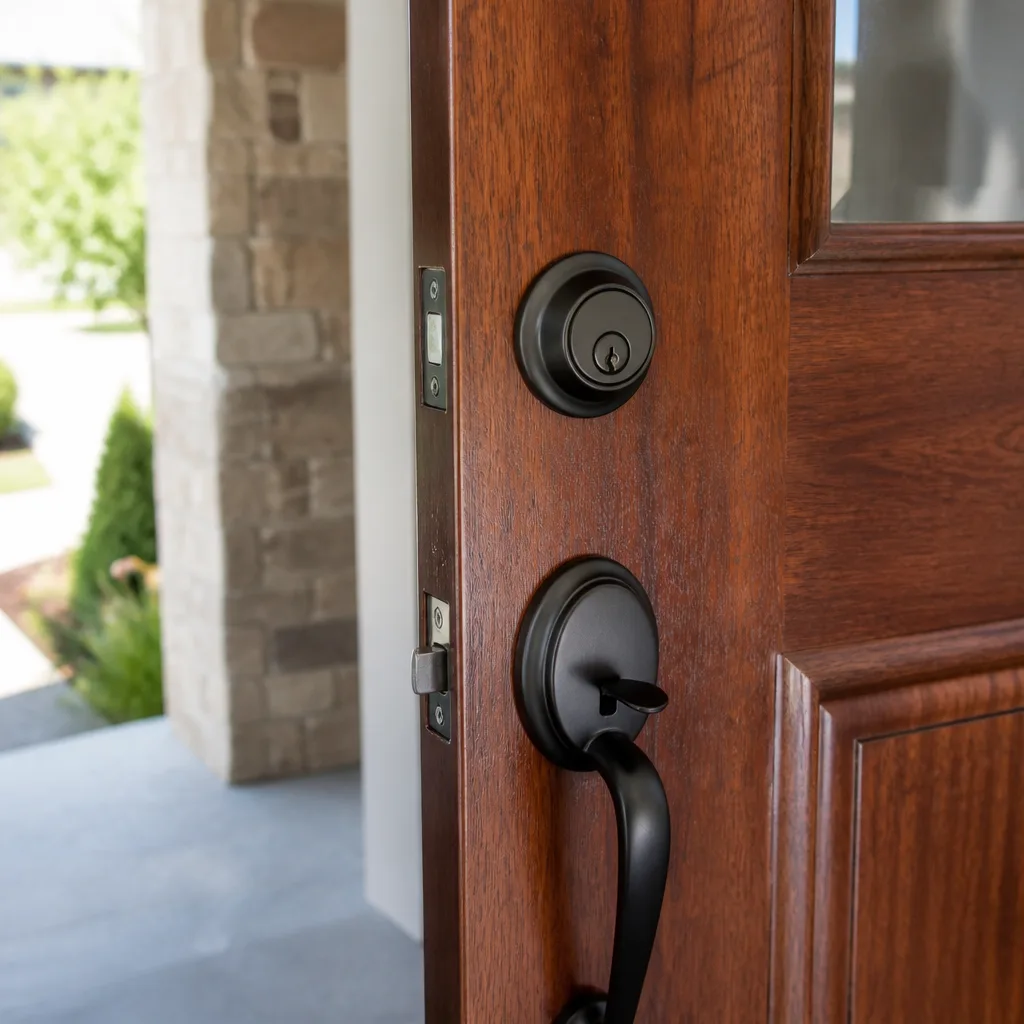
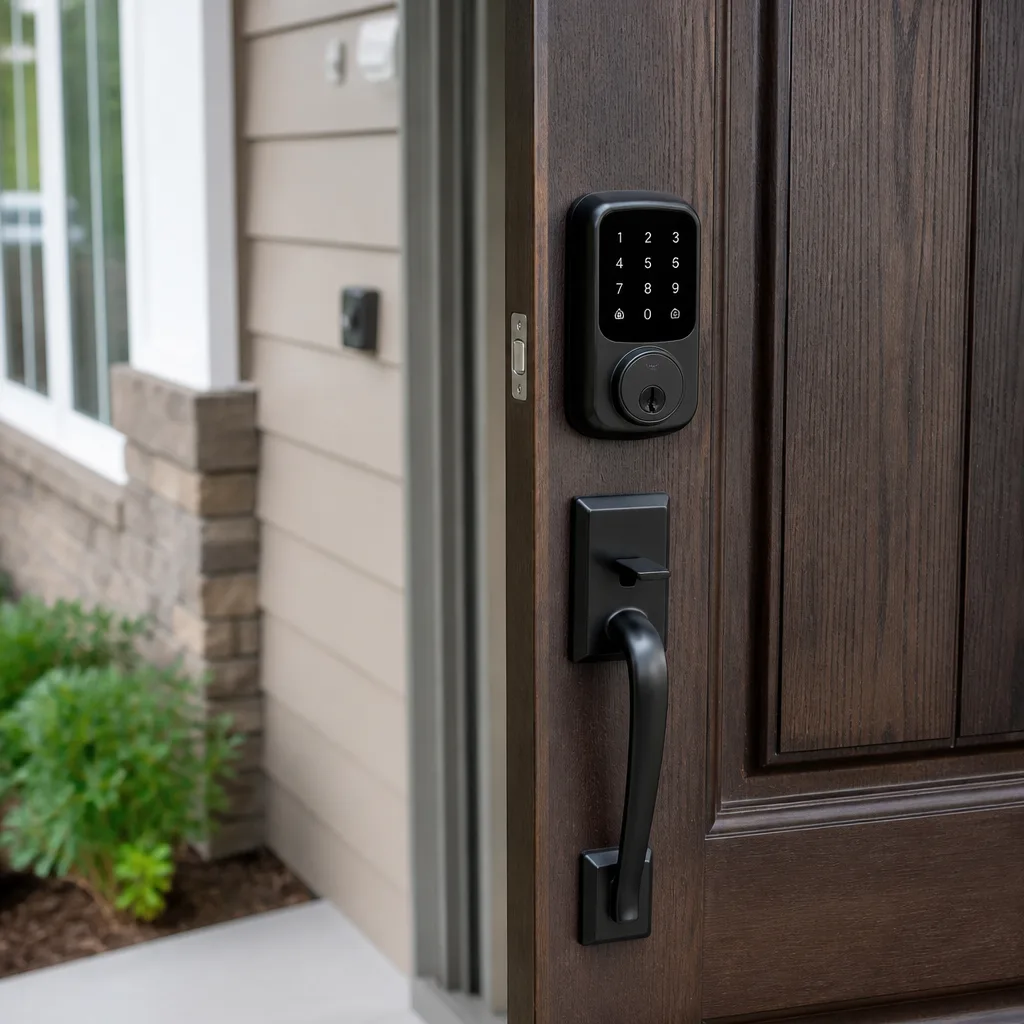
Commercial Locksmith Maintenance Schedule: What to Do and When
The average commercial deadbolt is rated for 250,000 cycles. A busy retail door in Los Angeles hits that in under three years. That means locks installed at lease signing are already overdue for service before most five-year leases expire. This guide gives you a month-by-month maintenance calendar, the right products to use, and the signs that a lock needs replacement rather than another round of maintenance. You’ll learn how to cut emergency service calls by roughly 80% and extend hardware life by years.
Quick Answer
A commercial lock maintenance schedule needs quarterly lubrication and strike inspection, semi-annual cylinder and key audit, and an annual full-system review covering master key integrity, access control logs, and hardware grade adequacy. Most Los Angeles commercial buildings should budget $120 – $300 per year per entry point for scheduled maintenance, far less than the $250 – $600 an emergency repair typically costs.
Table of Contents
- Why Commercial Locks Fail Without a Schedule
- The Quarterly Maintenance Checklist
- The Right Lubricant for Commercial Locks
- The Annual Commercial Lock Audit
- Documentation: Before-and-After Photos and Maintenance Logs
- Signs a Lock Has Reached End-of-Life
- Building Lock Maintenance Into a Commercial Lease
Why Commercial Locks Fail Without a Schedule
Commercial locks are the only life-safety hardware in most buildings that gets zero scheduled maintenance. Fire extinguishers get tagged yearly. HVAC units get filter changes. Sprinkler systems get tested. Locks? They get ignored until a key snaps off in the cylinder or a deadbolt stops throwing.
In Los Angeles, the problem is compounded by two factors. First, the coastal air carries salt and fine particulate that works its way into cylinders over time. Second, many commercial buildings in neighborhoods like the Arts District, Koreatown, and Downtown LA run 12 to 18 hours daily, which means door hardware cycles far faster than the 250,000-cycle rating assumes. A restaurant doing 400 covers a night might cycle its front door lock 200 times in a single shift. That’s 73,000 cycles a year before the side door or back entrance is even counted.
What happens when a lock fails? A commercial locksmith gets called for an emergency. The door might need to be drilled, the cylinder replaced, and a new key cut on the spot. That’s a $250 – $600 call-out depending on hardware grade and time of day. The same lock, caught during a quarterly inspection, might have needed an $18 tube of dry lubricant and ten minutes of work.
This guide is written from the perspective of our Commercial Locksmith services in Los Angeles who has serviced buildings from Westlake to Silver Lake since 2008. We’ve seen the same failure patterns repeat across property types: retail, restaurants, medical offices, and industrial spaces. The good news is that the fixes are consistent and schedulable.
The Quarterly Maintenance Checklist
Every commercial lock should get a fifteen-minute inspection every three months. Here’s what to look at, in order.
- Key insertion and turning: Does the key slide in smoothly, or does it need to be wiggled? Does the plug turn with even resistance? A gritty feel means the cylinder has accumulated dust or the pins are wearing. Catch it now and a dry lubricant fixes it. Ignore it and you’ll eventually snap a key off inside.
- Latch and deadbolt throw: With the door open, watch the latch and deadbolt as they extend. They should move without hesitation. Any stutter or resistance points to a misaligned strike plate or a tired return spring.
- Strike plate alignment: Close the door slowly and watch where the latch contacts the strike. If the latch rubs the edge of the strike plate before seating, the door has shifted or the hinges have settled. A small file adjustment takes minutes. Left alone, the misalignment will destroy the latch over time.
- Hinge inspection: Grab the door handle and lift. Any movement you feel in the hinges means the screws have loosened. Tighten them quarterly. If the screw holes are stripped, a locksmith can re-tap them or install longer screws that bite into the framing.
- Faceplate and cylinder cap security: Check that the screws on the faceplate and the cylinder collar are tight. Vibrating doors work hardware loose. A loose faceplate is an invitation for a pry attack.
- Exit device function: On doors with panic bars or push pads, press the bar firmly. It should retract the latch completely in one motion. Any sticking or partial retraction is a code violation waiting to happen.
For a typical Los Angeles storefront with two entry points, this whole checklist takes under thirty minutes. Schedule it for the first week of every quarter and it becomes routine. Many property managers tie it to their quarterly fire extinguisher inspection for simplicity. If you’d rather have a professional handle it, commercial locksmith work in Los Angeles typically runs $95 – $180 per visit for a multi-door inspection with a written condition report.
The Right Lubricant for Commercial Locks
WD-40 is the single most common mistake we see in commercial lock maintenance. Property managers and handymen reach for it because it’s familiar. Here’s the problem: WD-40 is a solvent-based water displacer, not a lubricant. It flushes grease out of the cylinder, then evaporates and leaves behind a thin, sticky residue. That residue attracts dust and grime, which turns into a paste inside the pin chambers. Six months later, the lock is worse than before.
Pin tumbler cylinders need dry lubrication. The two products we use and recommend are dry graphite powder and Teflon-based lubricant sprays designed specifically for locks. Graphite works well in dry climates, which makes it a reasonable choice for most of Los Angeles. Teflon-based sprays, like Tri-Flow or Houdini, work better in areas near the coast where humidity introduces moisture into the cylinder.
Here’s the correct procedure:
- Insert the key and turn the cylinder to the locked position.
- Apply a small amount of dry graphite or Teflon spray directly into the keyway.
- Work the key in and out five to ten times, turning the cylinder fully each time.
- Wipe the key clean with a paper towel.
- Repeat only if the key still feels rough. Over-lubricating is as bad as under-lubricating.
For commercial doors with access control hardware like Sargent or Abloy electromechanical locks, skip the graphite entirely. Graphite is conductive and can interfere with electrical contacts or sensors. Use only a Teflon-based dry lubricant on any electronic or electrified hardware, and apply it sparingly.
Lubrication should happen quarterly, at minimum. High-cycle doors in restaurants, gyms, and retail stores in busy Los Angeles corridors may need it monthly. In our experience, a door that sees 150-plus cycles a day should be lubricated every thirty days. It takes two minutes and costs pennies per application.
The Annual Commercial Lock Audit
Once a year, the maintenance conversation needs to go deeper than lubrication and alignment. The annual audit looks at the system as a whole, not just individual locks. This is the time to ask whether your hardware still matches your risk profile.
Here’s what a complete annual audit should cover:
- Master key system integrity: How many keys are in circulation? Which employees have left since the last audit? Were their keys returned? Does anyone have a grand master key who should not? In Los Angeles commercial spaces, we regularly find that keys were handed out during onboarding and never tracked afterward. A master key system that has grown organically for several years is almost always compromised in ways the property owner doesn’t know about.
- Access control log review: For electronic access systems, pull the audit logs and look for anomalies. Doors propped open at odd hours, repeated denied access attempts, or cards that were used after the employee holding them was terminated. Log review catches problems that physical inspection misses.
- Hardware grade adequacy: The original builder may have installed Grade 3 residential hardware on a door that now sees commercial traffic levels. A deadbolt that was adequate when the space was a low-traffic office may be dangerously undersized now that the space is a busy retail store. Grade 1 hardware costs more but is rated for 800,000 cycles and carries a longer warranty.
- Cylinder keyway security: Standard keyways are widely available. A Mul-T-Lock or Abloy restricted keyway, by contrast, requires an authorized dealer to duplicate keys. If key control matters to your operation, the annual audit is the time to upgrade the cylinders.
- Perimeter door inventory: Walk the building and document every lockable door, including closets, roof access, and utility rooms. Most businesses can’t produce a complete door inventory. You can’t maintain hardware you don’t know you have.
- Life-safety compliance check: Panic hardware, exit devices, and fire-rated door closers need to meet local code. In Los Angeles, commercial buildings are subject to California Building Code Chapter 10, which governs exit routes and hardware. A hardware audit that includes a compliance check is cheap insurance against a citation.
A complete commercial audit runs $200 – $450 depending on building size and number of doors. It produces a written report, with photos, that property owners can file away for insurance and liability purposes. We recommend scheduling it in January or July, keeping it on a consistent calendar year rhythm.
Documentation: Before-and-After Photos and Maintenance Logs
Insurance claims and liability disputes over door hardware are decided by documentation. When a break-in occurs because a deadbolt failed, the insurance adjuster asks one question: what did the maintenance records show? If the answer is “none,” the claim gets complicated. If the answer is “quarterly inspections with dated photos,” the claim moves smoothly.
Here’s how to build a defensible maintenance log:
- Photograph every lock before and after each quarterly inspection. Use a phone camera. Get close enough to show the faceplate, strike plate, and cylinder. A time and date stamp is built into most phone cameras automatically.
- Log the work in a simple spreadsheet. Columns: date, door location, work performed, lubricant used, technician name, photo file names. Thirty seconds of data entry per door.
- File the annual audit report separately. The audit is the most valuable document you’ll produce. Keep it in a folder with the property’s other compliance records.
- Document condition changes, not just maintenance. If a door is found with a damaged faceplate, photograph it, note it in the log, and schedule the repair. The log should tell the story of the door’s life, not just the days you touched it.
The Relay Visibility Guarantee, which we back on every job at Preston Locksmith & Security, includes before-and-after photos as a standard part of the service. We do this because photos are the only form of documentation that can’t be disputed. A written report says “lubricated cylinder.” A photo shows the condition of the cylinder on the day of service. For property managers handling multiple buildings across Los Angeles, that photo archive becomes the compliance record for every door in their portfolio.
Signs a Lock Has Reached End-of-Life
No amount of maintenance fixes a lock that has simply worn out. The trick is recognizing the difference. Learn the Commercial Locksmith Warning Signs Every Homeowner Should Know. Here are the signs we look for during inspections:
- Key turns but the latch doesn’t fully retract: This usually means the tailpiece or cam inside the lock body has worn to the point of slipping. Lubrication won’t help. The mechanism is done.
- The deadbolt wobbles when extended: A properly functioning deadbolt should feel rigid when thrown. Wobble means the internal guide surfaces have worn, which compromises the lock’s resistance to prying.
- Keys must be jiggled to turn the cylinder: If the pins are worn to the point where the key needs a wiggle to align them, the cylinder is past its service life. A new cylinder in the same door is a $45 – $90 part, far cheaper than an emergency repair when the key finally snaps.
- The faceplate or cylinder collar no longer sits flush: This indicates the door material has compressed or the mounting surfaces have worn. The lock may still function, but it’s a security vulnerability and will only get looser.
- Panic hardware requires force to activate: Exit devices should operate with a light push. If a panic bar takes significant pressure or feels crunchy mid-stroke, the device has internal wear that maintenance can’t reverse.
Here’s the practical question: is it cheaper to replace the hardware now or wait for failure? A commercial-grade deadbolt from a brand like Baldwin or Sargent runs $90 – $210 for the hardware, plus $75 – $120 in labor for installation. An emergency call when the same deadbolt fails during business hours runs $250 – $600 and may include a drilled cylinder replacement. The math favors early replacement nearly every time, especially when the alternative is a door that won’t lock overnight.
Building Lock Maintenance Into a Commercial Lease
Tenant turnover is where commercial lock maintenance falls apart. A tenant occupies the space for three to five years, does whatever they do with the locks, and leaves. The property owner has no idea what hardware was added, removed, or modified during the lease term. The next tenant inherits a door system of unknown condition.
The solution is to put lock maintenance into the lease agreement from day one. Here’s what we recommend including:
- Mandatory quarterly lock inspection clause: The tenant agrees to have all exterior and interior door hardware inspected by a licensed locksmith every three months, with written records provided to the property owner.
- Key return and rekey clause: Upon lease termination, the tenant must return all keys, key cards, and access credentials. The lease should state that the property owner will rekey all locks at the tenant’s expense or from the security deposit if keys are missing.
- Hardware modification approval: The tenant may not install, replace, or modify any door hardware without written approval from the property owner. This prevents tenants from replacing Grade 1 hardware with cheap residential locks from a big box store.
- Exit inspection documentation: At lease end, a locksmith performs a walkthrough of all hardware, documenting condition with photos. The report is attached to the tenant’s move-out file and becomes the baseline for the next tenant.
This approach protects both parties. The tenant gets working, well-maintained hardware. The property owner gets a documented chain of custody for every lock in the building. We’ve worked with property managers in Los Angeles who manage dozens of commercial units, and the ones with these clauses in their leases are the ones who don’t get 9 p.m. emergency calls from new tenants whose deadbolt just failed.
If you’re a tenant negotiating a lease in Los Angeles, the quarterly inspection clause also protects you. It means the hardware is being evaluated consistently, and any pre-existing wear is documented before you take possession. That documentation matters when the landlord tries to deduct door hardware repairs from your security deposit.
Common Mistakes to Avoid
- Using WD-40 or penetrating oil on pin tumbler cylinders. These products flush out the internal grease and leave a sticky residue that attracts grit. Use dry graphite or Teflon-based lock lubricant only. This mistake alone accounts for a significant share of the binding cylinders we see across Los Angeles.
- Lubricating electronic locks with graphite. Graphite is conductive and can short out electromechanical hardware from brands like Sargent and Abloy. Only Teflon-based dry lubricants belong anywhere near electronic access control components.
- Ignoring the strike plate. The strike plate carries the load every time the door closes. A misaligned strike destroys latches over time and is the most common cause of “the lock works but the door won’t stay closed.”
- Treating all doors the same. The front door of a busy restaurant and the back door of a storage room have completely different maintenance needs. Build the schedule around cycle count, not a one-size-fits-all calendar.
- Skipping the annual master key audit. Keys walk away. Employees leave. Rekeying a commercial space in Los Angeles typically runs $25 – $60 per cylinder, and the annual audit is the right time to decide whether it’s needed. A master key system that hasn’t been audited in years has unknown key distribution, which is a real security gap.
- Failing to photograph hardware during inspections. If a lock fails and there’s an insurance claim, written notes without photos are weak documentation. Photos taken on the same date as the inspection are the strongest evidence you can have.
When to Call a Professional
Some maintenance tasks are DIY-friendly: lubrication, hinge tightening, basic visual inspection. Others need a professional. If a key snaps off inside a cylinder, if a deadbolt won’t throw even after cleaning and lubrication, if a strike plate needs to be re-aligned, or if you’re considering a rekey or hardware upgrade, get a locksmith involved. Master key systems, access control integration, and life-safety compliance checks are all professional territory. For more guides & resources, visit our blog. Preston Locksmith & Security offers free estimates in Los Angeles, with a written price before any work begins, a live trackable arrival time, and before-and-after photos on every job. Call (409) 405-4485 and a live person handles your call, 24/7.
Frequently Asked Questions
Quarterly lubrication is the minimum for commercial locks, and monthly is better for high-cycle doors in busy Los Angeles retail or restaurant settings. Use dry graphite for mechanical cylinders and Teflon-based spray for electronic or electrified hardware.
A quarterly multi-door inspection typically runs $95 – $180 per visit in Los Angeles, while a complete annual audit with a written report and photos runs $200 – $450 depending on door count. Scheduled maintenance costs far less than emergency repairs, which typically run $250 – $600 per call-out.
Yes. Rekeying locks in Los Angeles typically runs $25 – $60 per cylinder, and it’s the standard response when an employee leaves with keys or key cards. Rekeying swaps the internal pins so old keys stop working; the hardware itself stays in place.
If the key turns but the latch doesn’t fully retract, if the deadbolt wobbles when thrown, or if keys need to be jiggled to turn the cylinder, the lock is at end-of-life. Door lock repair in Los Angeles can address minor wear, but advanced wear usually warrants replacement with Grade 1 or Grade 2 commercial hardware.
Yes. A clause requiring quarterly inspections, key return upon lease termination, and hardware modification approval protects both landlord and tenant. It creates a documented chain of custody for hardware that would otherwise be unknown condition after tenant turnover.
Property managers and operators with several buildings typically contract a single commercial locksmith for all locations. That keeps maintenance records consistent and gives the locking system a single source of truth. Preston Locksmith & Security’s home page explains the service area and booking process; we’ve handled multi-property commercial portfolios throughout Los Angeles since 2008.
The Bottom Line
Commercial locks fail because nobody schedules maintenance for them. The fix is simple: inspect quarterly, audit annually, lubricate correctly, document everything, and replace hardware before it fails. A fifteen-minute quarterly check catches problems while they’re still $18 fixes instead of $600 emergencies. The schedule works best when it’s written into the lease, tied to the calendar, and backed by photos. In Los Angeles, where commercial doors cycle hard and coastal air adds grit, the schedule isn’t a luxury. It’s the difference between a door that locks every night and a call at 9 p.m. to a locksmith who has to drill your cylinder out.
Written by Kevin Yoon, Owner at Preston Locksmith & Security, serving Los Angeles since 2008.