
Last updated October 9, 2026
Non-destructive entry first, always - and we re-key Schlage, Kwikset, and Baldwin locks on the spot while you watch
You get a price before we start. It does not change when we arrive. No surprises.
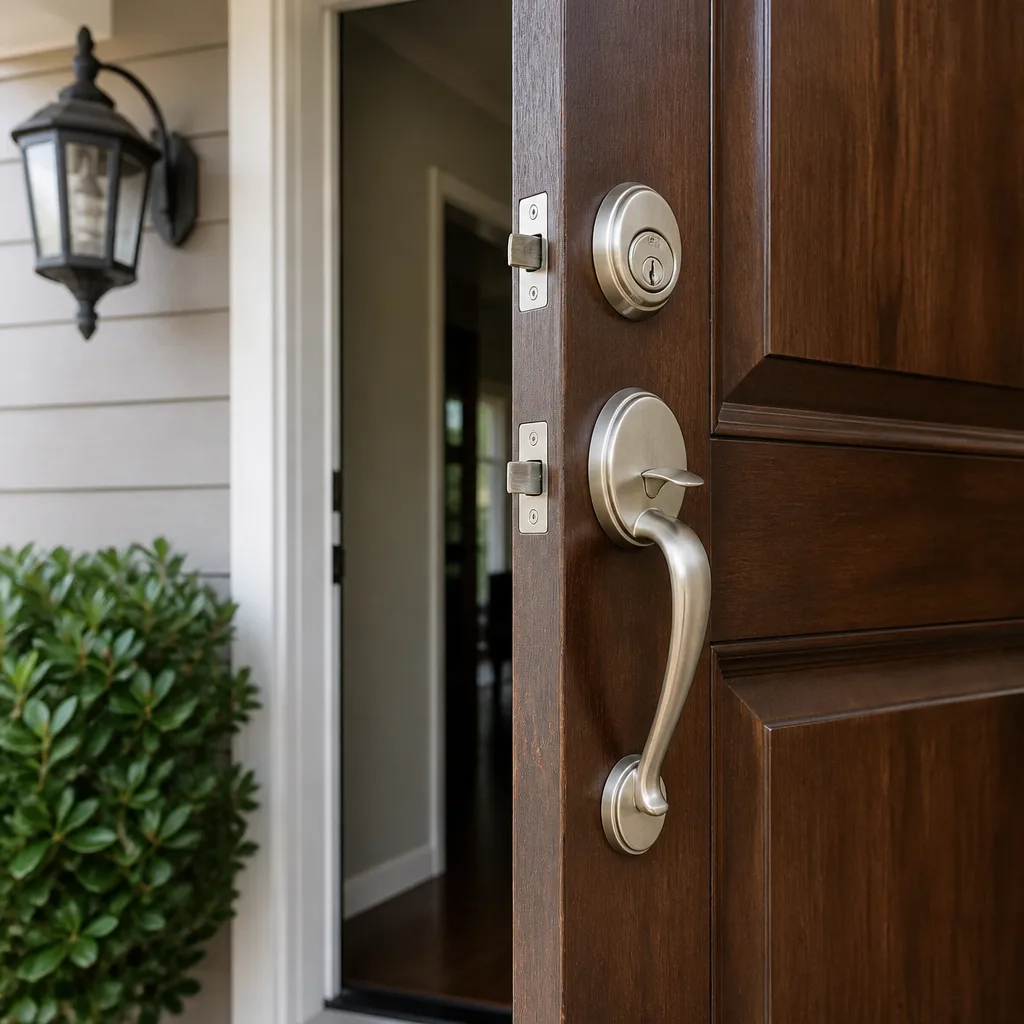
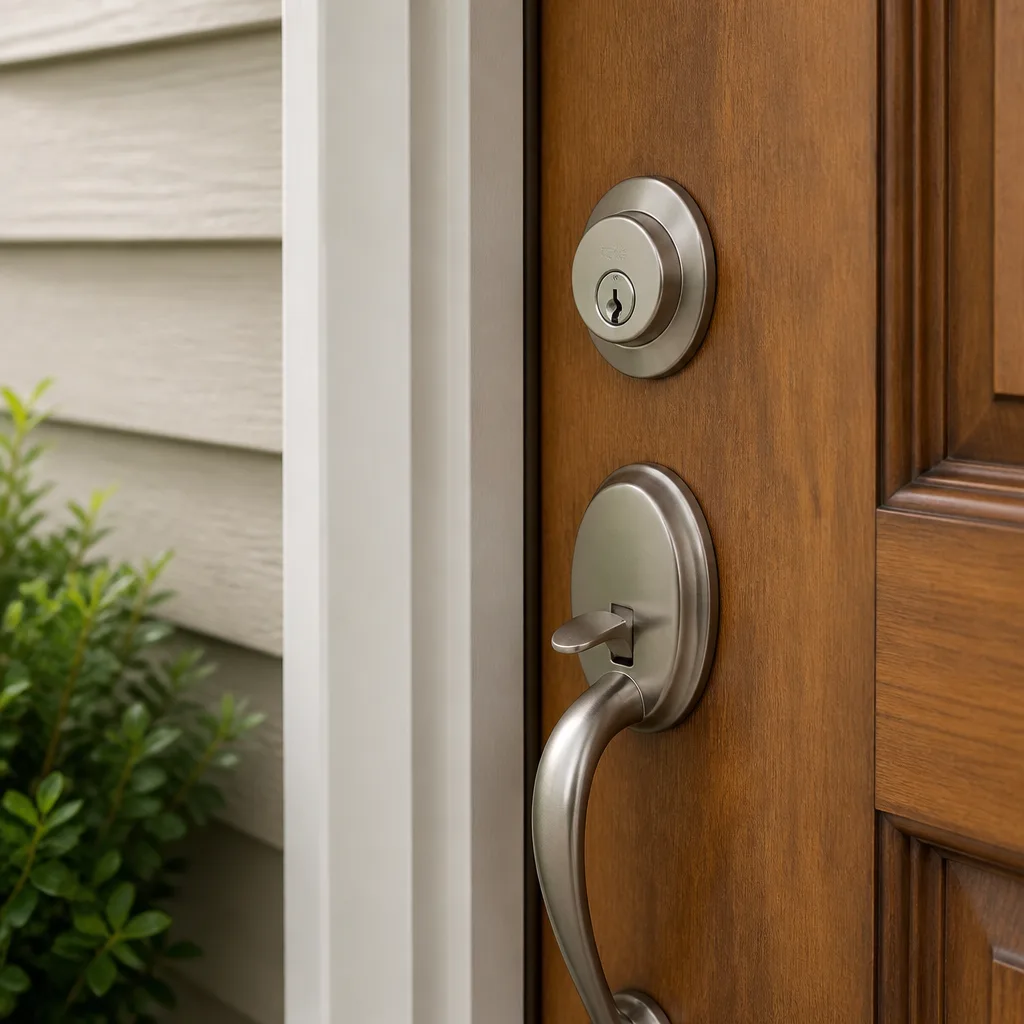
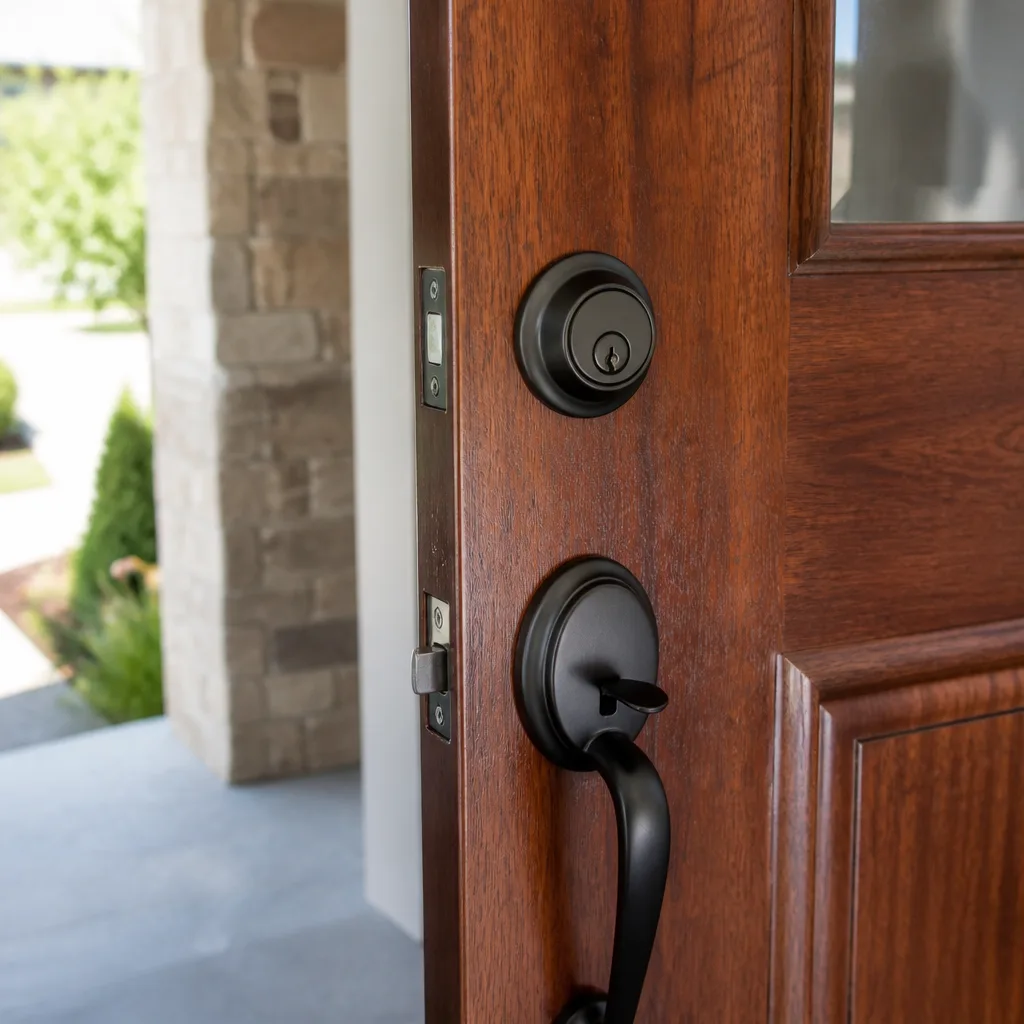
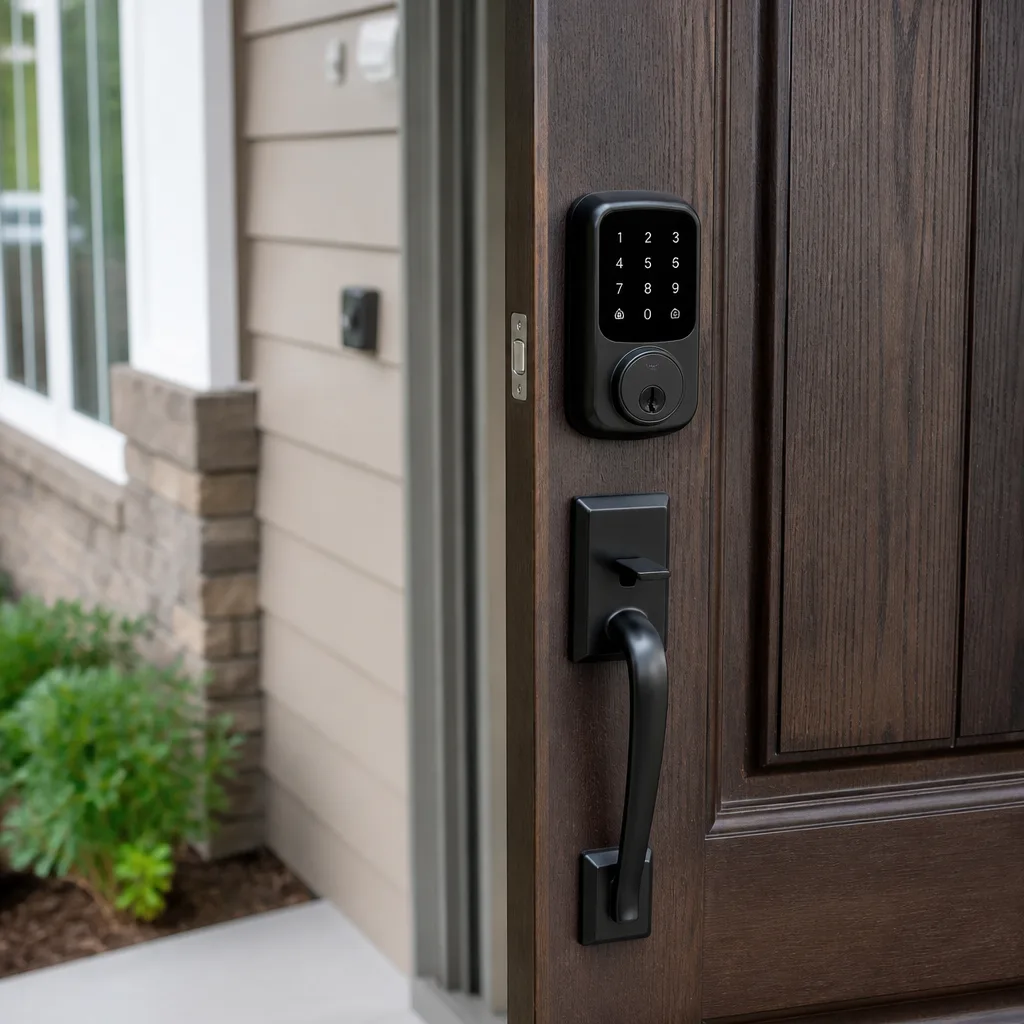
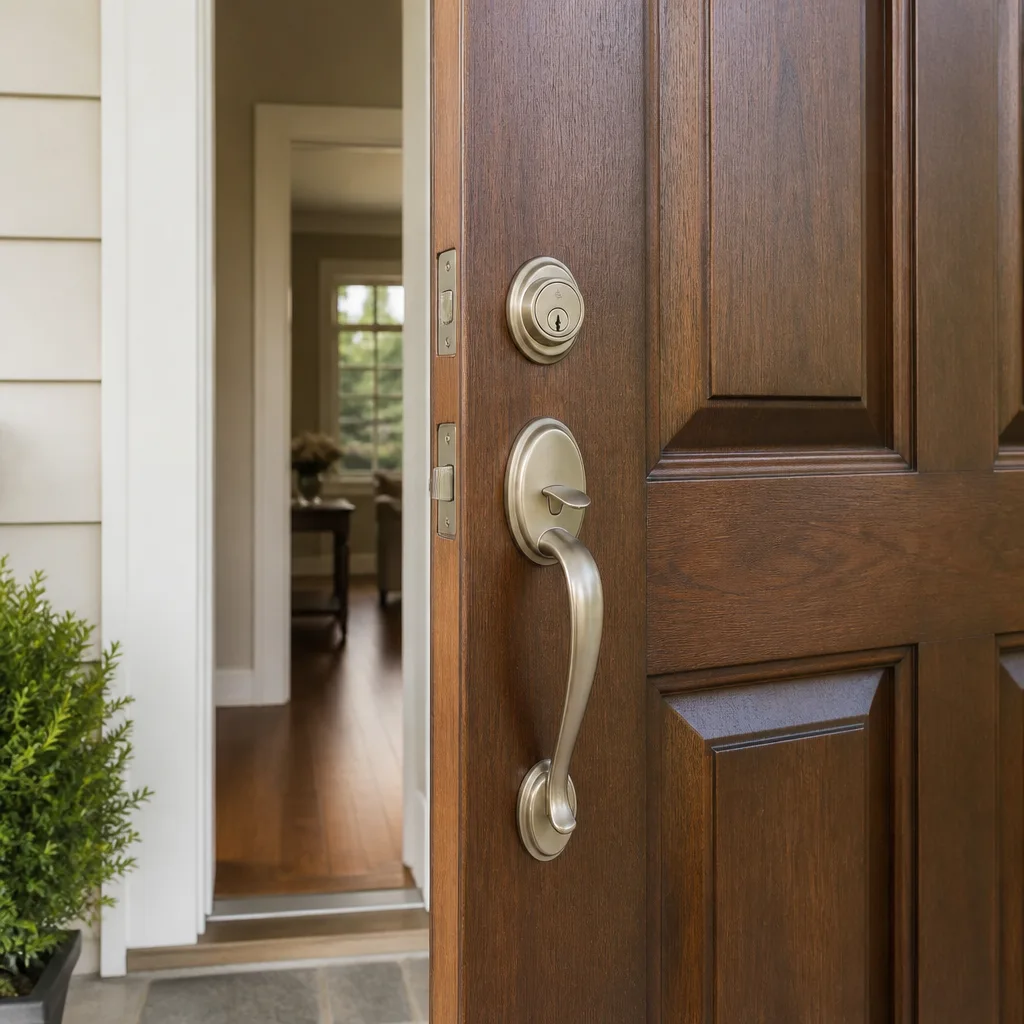
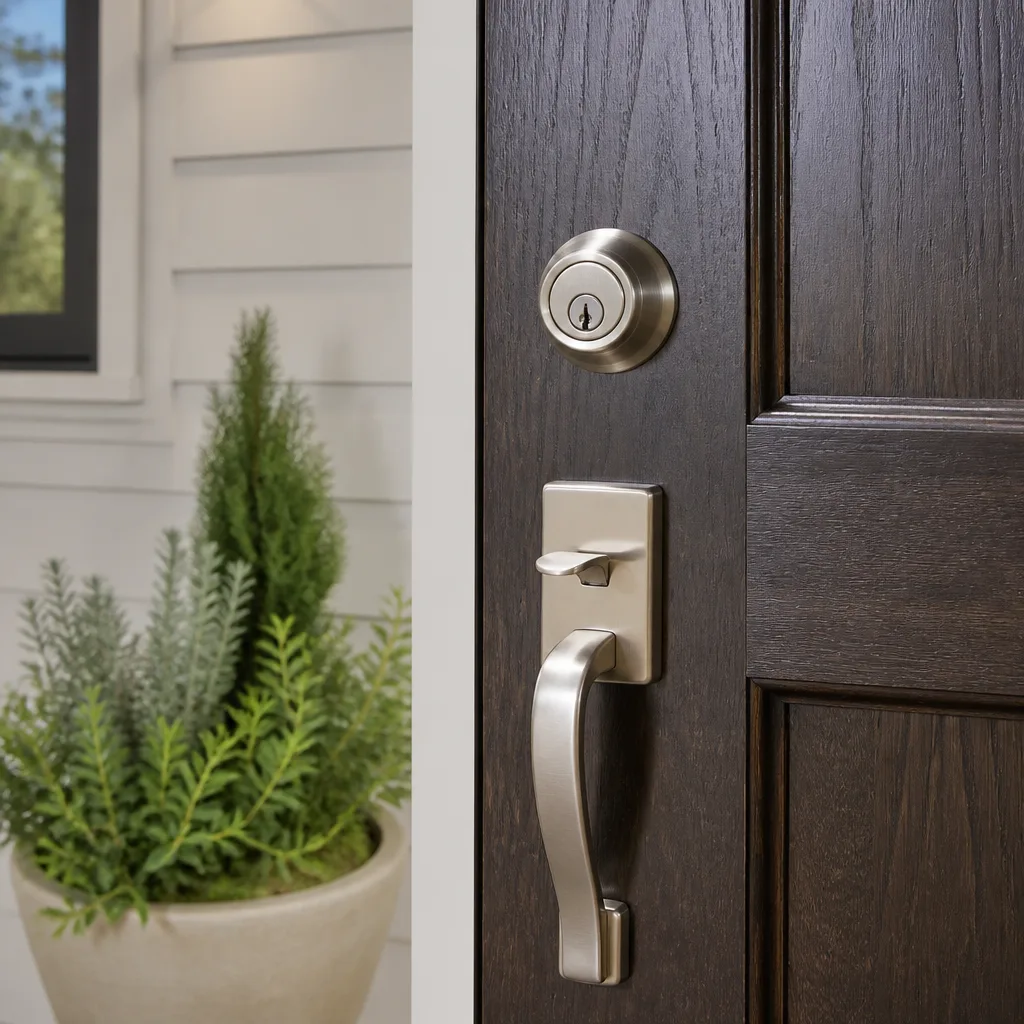
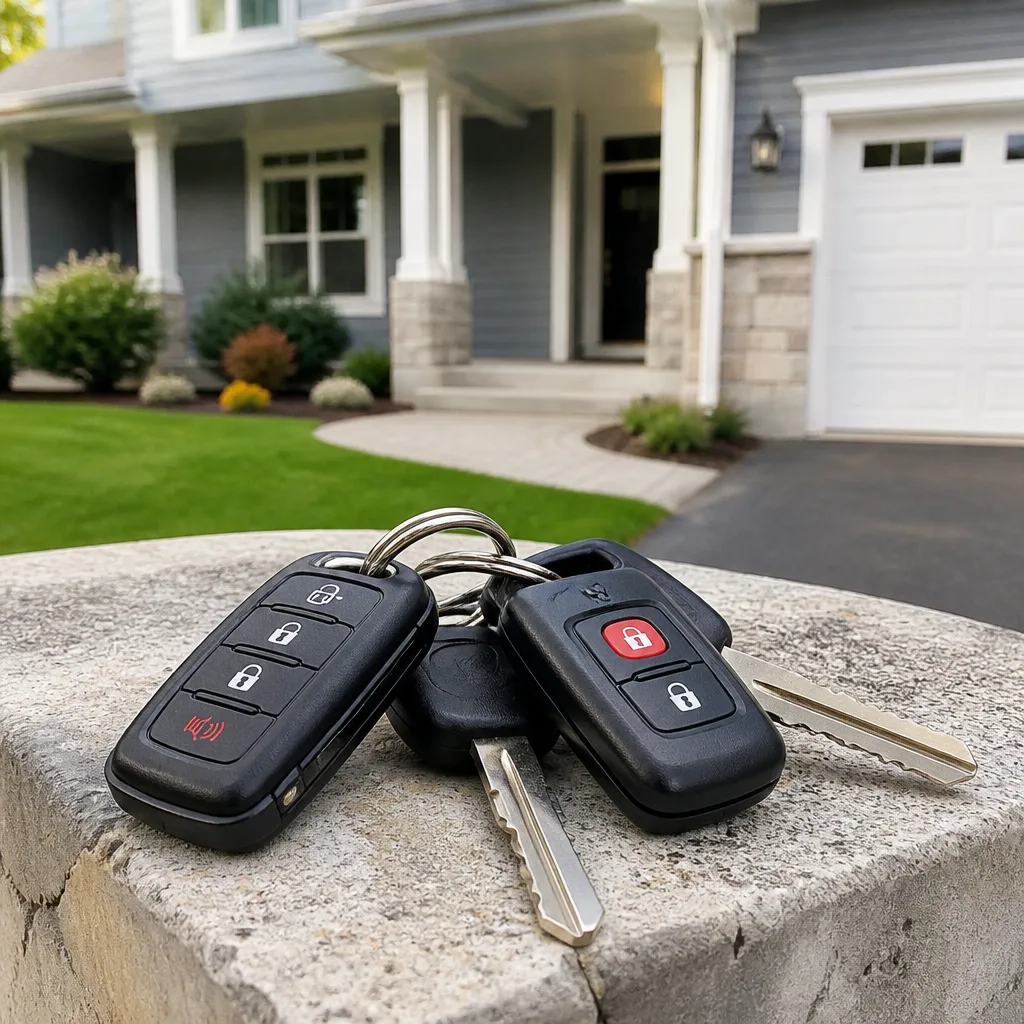
The Complete Commercial Locksmith Guide for Los Angeles Homeowners
Here’s a stat that surprises most Los Angeles property owners: roughly a third of commercial break-ins we respond to involve a door that was never rekeyed after the previous tenant left. Not a picked lock. Not a smashed window. Just an old key that was still floating around in someone’s pocket. This Complete Guide to Locksmith in Los Angeles is the exact playbook we wish every LA landlord, office manager, and strip-mall owner had before something goes wrong. It covers what city code actually requires, what commercial-grade hardware really costs, what to ask before signing a service contract, and the rekeying schedule that prevents the most common and most preventable break-in in Los Angeles.
Quick Answer
A Commercial Locksmith in Los Angeles installs, repairs, and rekeys locks rated for business use, and the job is governed by California’s Title 24 accessibility code, local fire marshal egress rules, and the lock’s ANSI/BHMA grade. Most LA commercial rekeying runs $25 to $50 per cylinder, master key systems run $300 to $800 and up, and access control installation starts around $500 per door. Before hiring anyone, confirm the hardware grade they plan to install, the warranty on labor versus hardware, and that the price is in writing before work begins.
Table of Contents
- What LA and California Codes Actually Govern Commercial Locks
- Grade 1, Grade 2, Grade 3: What They Mean and Who Needs What
- The Rekeying Schedule Every LA Landlord Ignores Until It’s Too Late
- What Commercial Locksmith Services Cost in Los Angeles
- Master Key Systems Explained Without the Jargon
- Access Control for LA Commercial Buildings: What to Expect
- What to Ask Before Signing a Commercial Locksmith Contract
- Tenant Turnover and Rekeying: The LA Lease Cycle Reality
What LA and California Codes Actually Govern Commercial Locks
The short answer is that four overlapping rulebooks dictate what lock hardware belongs on a Los Angeles commercial door: California Building Code (which incorporates Title 24), the local fire marshal’s egress requirements, the city’s municipal code amendments, and the ADA Standards for Accessible Design. None of these are suggestions, and a failed inspection usually means paying to remove brand-new hardware and install compliant hardware in its place.
Title 24 is the one that catches most people off guard. In California, it sets accessibility requirements that go beyond the federal ADA in some categories. For commercial doors, that typically means lever handles rather than knobs, specific operable force limits (an interior door should not require more than 5 pounds of force to open), and hardware positioned at heights that work for someone in a wheelchair. A knob on an office entry door in Los Angeles is not just inconvenient. It is a citation waiting to happen at the next accessibility review.
Then there are the egress rules enforced by the Los Angeles Fire Department. Commercial exit doors along a fire escape route generally must open with a single motion, no key required on the interior side, and many require panic hardware: that horizontal push bar you see on restaurant back doors and gym fire exits. In our experience, the most common violation we see in older LA buildings is a deadbolt that was added to an emergency exit after hours, which creates a locked exit door and a serious fire code violation the moment an inspector sees it.
UL listings matter too. Commercial fire-rated doors typically require fire-rated hardware, and the listing needs to match the door’s rating. Swapping a lockset on a fire-rated door with a non-listed lock can void the door’s rating and fail a city inspection. This is one of the areas where hiring a locksmith who does only residential work for commercial jobs becomes an expensive gamble in Los Angeles, as covered in our Complete Door Lock Repair Guide for Los Angeles Homeowners.
Grade 1, Grade 2, Grade 3: What They Mean and Who Needs What
Commercial locks are graded by ANSI/BHMA standards, and the grade tells you how many duty cycles the lock is rated to survive. The difference between grades is not cosmetic. It is a measurable durability spec, and installing the wrong grade is the single most common hardware mistake we see on Los Angeles commercial properties.
The Three Grades at a Glance
- Grade 3: Rated for about 200,000 cycles. This is residential-grade hardware, built for a home’s front door that gets used maybe 10 to 15 times a day. It has no legitimate place on a commercial door in Los Angeles, but we still find it on small office suites and retail back doors.
- Grade 2: Rated for about 400,000 cycles. This is light commercial, fine for an interior office door, a storage closet, or a private office inside a suite. It handles moderate traffic but is not built for a main entrance that sees hundreds of openings a day.
- Grade 1: Rated for about 800,000 cycles plus, depending on the manufacturer. This is true commercial hardware, built for high-traffic entries, public buildings, schools, and any door that gets pounded on daily. It costs more up front and lasts dramatically longer under real use.
The practical rule in Los Angeles is this: any door accessible to the public gets Grade 1, any door used by staff more than a few dozen times a day gets Grade 2 at minimum, and Grade 3 stays at home. Some tenant types are legally required to have Grade 1 hardware: schools and childcare facilities, medical offices with high traffic, and public buildings under state jurisdiction. If a building has a certificate of occupancy that specifies fire-rated hardware, Grade 1 is almost always the default requirement.
Brands matter at this tier. We regularly install Sargent and Schlage Grade 1 hardware on Los Angeles commercial doors, and both hold up well to constant abuse. For specialized high-security applications where key control is a priority (meaning keys cannot be duplicated at a hardware store), Abloy and Medeco cylinders are the standard. A Baldwin lockset looks beautiful on a boutique retail door in Silver Lake or Melrose, but beauty does not change the grade requirement. Know the duty cycle needs first, then pick the finish.
The Rekeying Schedule Every LA Landlord Ignores Until It’s Too Late
In Los Angeles’s commercial lease market, the typical small retail or office lease runs three to five years, and tenants churn constantly. A coffee shop that opened in Atwater Village in 2021 is a yoga studio by 2023 and a nail salon by 2025. Every one of those transitions involved keys that went to former employees, contractors, distributors, cleaning crews, and who knows who else. Yet in our experience, the majority of LA commercial landlords do not rekey between tenants. They wait until a break-in happens and then wonder how the burglar had a key.
Here is the schedule that actually prevents those break-ins:
- At tenant move-out, same day if possible: Rekey every cylinder that the outgoing tenant had access to, including the front entry, back door, office door, storage, and any gate locks. This is the single highest-return locksmith expense in commercial property management.
- At any termination of an employee with keys: If a manager with a key to everything gets let go, rekey that day. Not next week. Same day. The cost is trivial compared to what a former employee with access can do.
- After any lost or unreturned key on a shared key ring: A missing key is a compromised lock. No exceptions. Rekey the cylinders that key operated.
- Annually, as a preventive audit: Have a commercial locksmith inspect hardware, test all locks, confirm fire egress compliance, and document everything. For multi-tenant buildings in Los Angeles, this audit catches problems before they become emergency calls.
Rekeying (swapping the internal pins so old keys no longer work, no new hardware needed) is the cheapest commercial locksmith service there is, and it is the one most landlords skip. In a city where the turnover cycle is as fast as LA’s is, skipping it is a business decision that reliably produces break-ins.
What Commercial Locksmith Services Cost in Los Angeles
Commercial locksmith pricing in Los Angeles varies by hardware grade, cylinder type, and the age of the door, but the ranges below reflect what we see across the city in 2024 and 2025. Every Preston Locksmith & Security job comes with a written price before any work starts, and the number on the estimate is the number on the invoice.
Typical LA Commercial Locksmith Price Ranges
| Service | Typical LA Price Range | Notes |
|---|---|---|
| Rekey a standard commercial cylinder | $25 to $50 per cylinder | Price depends on lock type and number of cylinders; old keys stop working immediately |
| Rekey a high-security cylinder (Medeco, Mul-T-Lock, Abloy) | $50 to $85 per cylinder | Requires specific key cutting and pinning; offers key-control protection |
| Master key system setup | $300 to $800+ | Depends on number of doors, number of access levels, and cylinder type |
| Access control installation (single door) | $500 to $2,000+ per door | Varies widely with hardware, wiring, and whether it’s cloud-based or on-premises |
| Commercial grade deadbolt install (Grade 2) | $175 to $300 per lock | Labor and hardware; does not include repairs to the door or frame |
| Commercial grade deadbolt install (Grade 1) | $275 to $475 per lock | High-traffic hardware built for public entryways |
| Panic bar / exit device install | $450 to $900 per door | Fire code compliance; must meet LA egress requirements |
The single most important pricing question to ask any commercial locksmith in Los Angeles is this: “Is the price you quote on the phone the final price I pay?” Bait pricing, where a locksmith advertises a $19 service call and then bills $400 after the lock is opened, is common enough in LA that it has its own public warnings from the city. A legitimate commercial locksmith gives you a firm written price before work begins, and that written price includes labor, hardware, and any service call fee. There is no call-out surcharge added on arrival.
Master Key Systems Explained Without the Jargon
A master key system is a hierarchy of keys where certain keys open only specific doors and one or more master keys open many or all doors. Think of a Los Angeles office building: the property manager holds a master key that opens everything, each floor manager holds a sub-master that opens only their floor’s doors, and each employee holds a change key that opens only their own office.
The value is control. When an employee leaves, you rekey only the change keys they held. You don’t have to rekey every door in the building. When a floor manager departs, you rekey that floor’s sub-master level, not the whole building. For a multi-tenant building in Downtown LA or Koreatown, a well-designed master key system saves thousands of dollars in rekeying costs over the life of the building, because you isolate key access to the smallest possible group.
Master key systems cost more to set up because the cylinders must be pinned to accommodate multiple shear lines, and the key cutting is exact. Installation runs $300 to $800 and up depending on the number of doors, the number of access levels, and whether you choose standard or high-security cylinders. High-security cylinders like Medeco, Mul-T-Lock, and Abloy offer key control, meaning the key blanks are patented and cannot be duplicated at a hardware store or a big-box home center. Every copy requires a signed authorization from the system owner. For a landlord in Los Angeles with high tenant turnover, that key control alone often justifies the cost.
Access Control for LA Commercial Buildings: What to Expect
Access control is the broad term for any system that manages who can open a door and when, typically using a keycard, fob, keypad code, or phone-based credential instead of a traditional metal key. In Los Angeles, access control has moved from luxury amenity to standard expectation in many commercial buildings, especially multi-tenant office suites, medical practices, and anything with sensitive inventory or regulated privacy requirements.
The cost ranges from about $500 per door for a basic standalone keypad or card reader up to $2,000 or more per door for a networked, cloud-managed system with remote management, audit trails, and integration with cameras or alarms. The spread is huge because hardware choice, wiring, door construction, and whether the building already has an internet-capable door controller all change the price.
Here is what an access control installation typically involves, in order:
- Site walkthrough and door assessment: We inspect each door, frame, and hinge set, confirm power availability, and measure for hardware fit. This determines what equipment works and what the honest price is.
- Written scope and price: A line-item list of hardware, labor, programming, and any door repairs needed before we touch a single tool. You approve it in writing before work starts.
- Hardware installation: The electric strike or magnetic lock, reader or keypad, and controller are installed and wired. Door frame modifications may be necessary on older LA buildings.
- Programming and credential setup: We program the access levels, issue cards or fobs, and test every door from every credential type.
- Before-and-after photos and a digital invoice: You see exactly what changed, and the invoice matches the written quote.
Access control is also where code compliance gets especially tangled in Los Angeles. Fire egress rules still apply: an electronically locked door must still allow free exit from the inside, typically via a mechanical push bar or a sensor that unlocks on approach. We’ve seen unlicensed installers create fire hazards by wiring doors that lock people in during a power failure. That is a serious life-safety issue, not just a code violation, and another reason commercial access control is not a handyman job.
What to Ask Before Signing a Commercial Locksmith Contract
Most Los Angeles commercial property managers sign whatever estimate a locksmith hands them without reading the warranty terms, and that is exactly where problems hide. Before you sign anything, here are the questions that separate a legitimate commercial locksmith from a liability, with more guides & resources available on our blog:
- What exactly does your labor warranty cover, and for how long? A real commercial locksmith warranties labor for at least a year, often longer. If the language is vague or the warranty is 30 days, keep shopping.
- What is the manufacturer’s warranty on the hardware you’re installing? Grade 1 hardware from Sargent or Schlage typically carries a multi-year warranty, but that warranty is only as good as the installer’s willingness to handle the replacement process. Ask who processes warranty claims.
- Does your written price include the service call, labor, and all hardware? If the answer is anything but “yes,” get the full breakdown in writing before you sign.
- Are you licensed and insured in California, and can I see proof? A legitimate commercial locksmith shows proof without hesitation. If they deflect, that is your answer.
- What happens if the lock fails within the first year? At Preston Locksmith & Security, the answer is the 365-Day Done Right Promise: if it’s not done right, we make it right, and every repair includes a written guarantee and a free second visit if the repair fails.
- Who is responsible if the lock fails and someone gets hurt or property is stolen? This is the liability question most people skip. A professional locksmith should be able to explain their insurance coverage and what it does and does not cover.
Tenant Turnover and Rekeying: The LA Lease Cycle Reality
Los Angeles has one of the fastest commercial tenant churn rates in the country, driven by the city’s density of small retail and food-service businesses. Restaurants, boutiques, and small offices change hands constantly. A building that housed a juice bar on Abbot Kinney in 2022 could be a Pilates studio today and a dental office in 2027. Every changeover creates a window where keys from the old tenant are still in circulation among ex-employees, ex-contractors, and friends who helped with the move.
That window is when property crimes against commercial spaces spike. Burglars know that a recently vacated storefront or office often has functioning locks with keys circulating in pockets all over town. A rekeying that costs $25 to $50 per cylinder closes that window immediately. It is the cheapest insurance in commercial property management, and it takes a locksmith less than an hour to complete on most small commercial suites.
Here is what the responsible turnover sequence looks like for an LA commercial landlord:
- Day of move-out: Walk the space, collect all keys, confirm whether any are missing.
- Same day or next day: Rekey every cylinder the tenant might have had access to, including exterior doors, interior doors, and any utility or storage locks.
- Same week: Have a locksmith inspect all door hardware for wear, confirm fire egress compliance, and test that every lock operates smoothly.
- Before new tenant move-in: Issue new keys, document who received them, and file the rekeying certificate. For a master key system, carve out the new tenant’s access level so they only open their own space.
We’ve walked into Los Angeles buildings where the previous tenant’s key opened a shared hallway door years after they moved out, because nobody ever rekeyed it. The building had a functional security system in theory and an open door in practice. That is the operational playbook this guide exists to replace.
Common Mistakes to Avoid
- Installing Grade 3 residential hardware on a commercial door: A $20 Kwikset deadbolt will function for a few months on a busy LA restaurant back door and then fail, usually when someone’s arms are full and the door gets slammed. Commercial doors need commercial-grade hardware.
- Skipping the rekey between tenants: As covered above, this is the single most common cause of commercial break-ins we see in Los Angeles, and it’s the cheapest problem to fix.
- Adding a deadbolt to a fire exit: It seems like a smart security upgrade until the LAFD inspection fails and the citation arrives. Emergency exits must open with one motion from the inside, no keys.
- Choosing hardware by finish instead of by grade: We get it, a brass Baldwin lever looks right on a Melrose boutique. But if the door gets 500 openings a day, you just bought a beautiful paperweight.
- Hiring a residential locksmith for a commercial job: Commercial work involves code compliance, fire ratings, egress requirements, and hardware grades that a residential call does not. In Los Angeles, a residential locksmith who does not know Title 24 can install a lock that fails inspection.
- Accepting a verbal quote, then paying a different invoice: In Los Angeles, bait-pricing locksmith scams are common enough to be a recognized consumer fraud pattern. Always get the price in writing before work starts, and never pay a price that changed between the quote and the invoice.
- Ignoring the door and frame while upgrading the lock: The strongest Grade 1 lock in the world will not secure a door with a sagging hinge or a frame that is pulling away. The door, frame, and hardware work as one system.
When to Call a Professional
Call a commercial locksmith when a commercial tenant moves out and keys may still be in circulation, when a lock is damaged or sticking, when an employee with key access is terminated, when a key is lost, when the building needs a code-compliance hardware audit, or when you are setting up or replacing an access control system. Also call before a city inspection if the door hardware has been modified or the building has changed use categories. Preston Locksmith & Security offers free estimates in Los Angeles, call (409) 405-4485 for a written price and a live arrival time before any work begins.
Frequently Asked Questions
In Los Angeles, rekeying a commercial cylinder typically costs $25 to $50, master key system setup runs $300 to $800 and up, and access control installation starts around $500 to $2,000 per door depending on hardware and wiring. Call (409) 405-4485 for a written quote specific to your doors; estimates are free.
Yes. Preston Locksmith & Security provides a written price before any work starts, and that written price is the price on the invoice. There is no call-out surcharge added on arrival and no price that changes between the estimate and the invoice.
Yes. California’s Title 24 code and the Los Angeles Fire Department’s egress rules impose specific requirements on commercial door hardware, including lever handles, maximum opening force, and panic hardware on certain exit routes. Installing the wrong grade or type of lock can fail a city inspection and cost more to correct than the original install.
Rekeying swaps the internal pins so old keys no longer work, and it costs $25 to $50 per cylinder. Replacing a lock means removing the old hardware and installing new hardware, typically $175 to $475 per lock for commercial grade deadbolts. Rekeying is almost always the right choice when the lock itself is in good shape.
Preston Locksmith & Security answers phones live 24/7, and every job includes a live trackable arrival time through The Relay Visibility Guarantee. For non-emergency commercial work like rekeying and access control surveys, we schedule a written scope of work and a flat per-lock price.
A master key system lets one key open many doors while other keys open only specific doors, and it is worth considering for any Los Angeles building with multiple tenants, multiple floors, or multiple access levels. It costs $300 to $800 and up to set up, but it isolates access so you rekey only the affected cylinder group when a key is lost or an employee leaves.
The Bottom Line
Commercial locksmith work in Los Angeles is governed by state code, city fire rules, hardware grades, and the relentless churn of the local lease market. The most common and most preventable commercial break-in involves an old key that was never rekeyed away, and the fix costs as little as $25 per cylinder. Know your hardware grade, rekey on every tenant departure, get your price in writing before work starts, and demand a written warranty on labor and hardware. That is the entire playbook, and with the Commercial Locksmith in Los Angeles service from Preston Locksmith & Security, every job comes with The Relay Visibility Guarantee: a written price, a live arrival time, before-and-after photos, and a 365-Day Done Right Promise. You can see how we handle Rekey Locks in Los Angeles or Door Lock Repair in Los Angeles for more on what those services involve, or start with the Preston Locksmith & Security home page for the full picture.
Written by Kevin Yoon, Owner at Preston Locksmith & Security, serving Los Angeles since 2008.