
Last updated October 9, 2026
Non-destructive entry first, always - and we re-key Schlage, Kwikset, and Baldwin locks on the spot while you watch
You get a price before we start. It does not change when we arrive. No surprises.
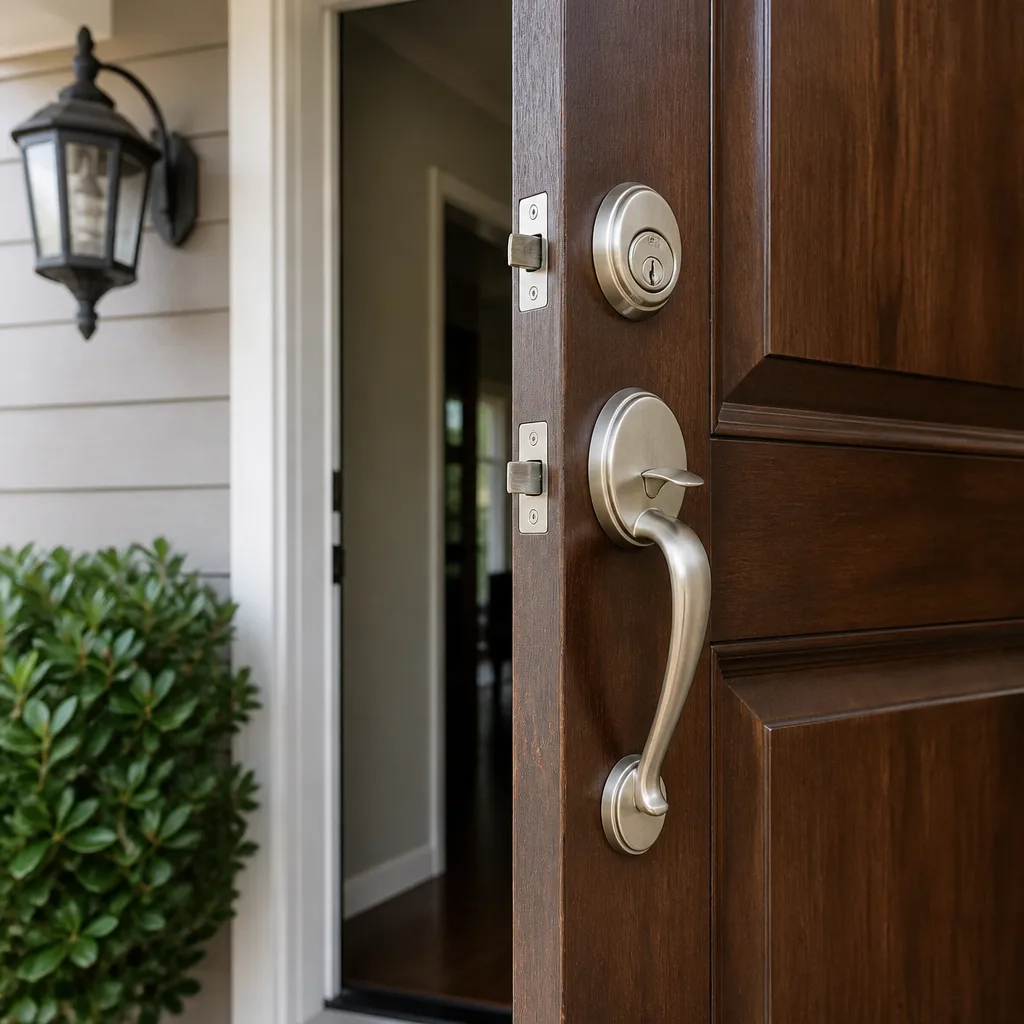
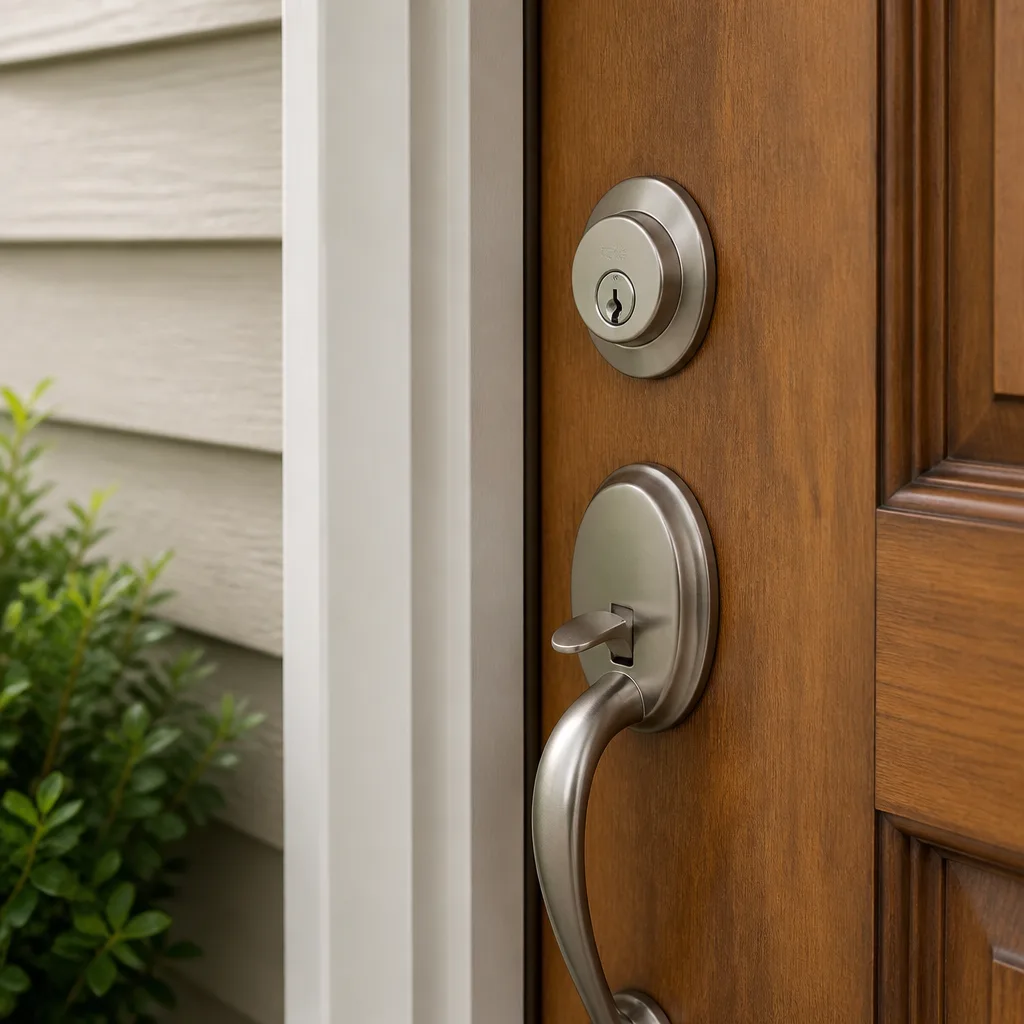
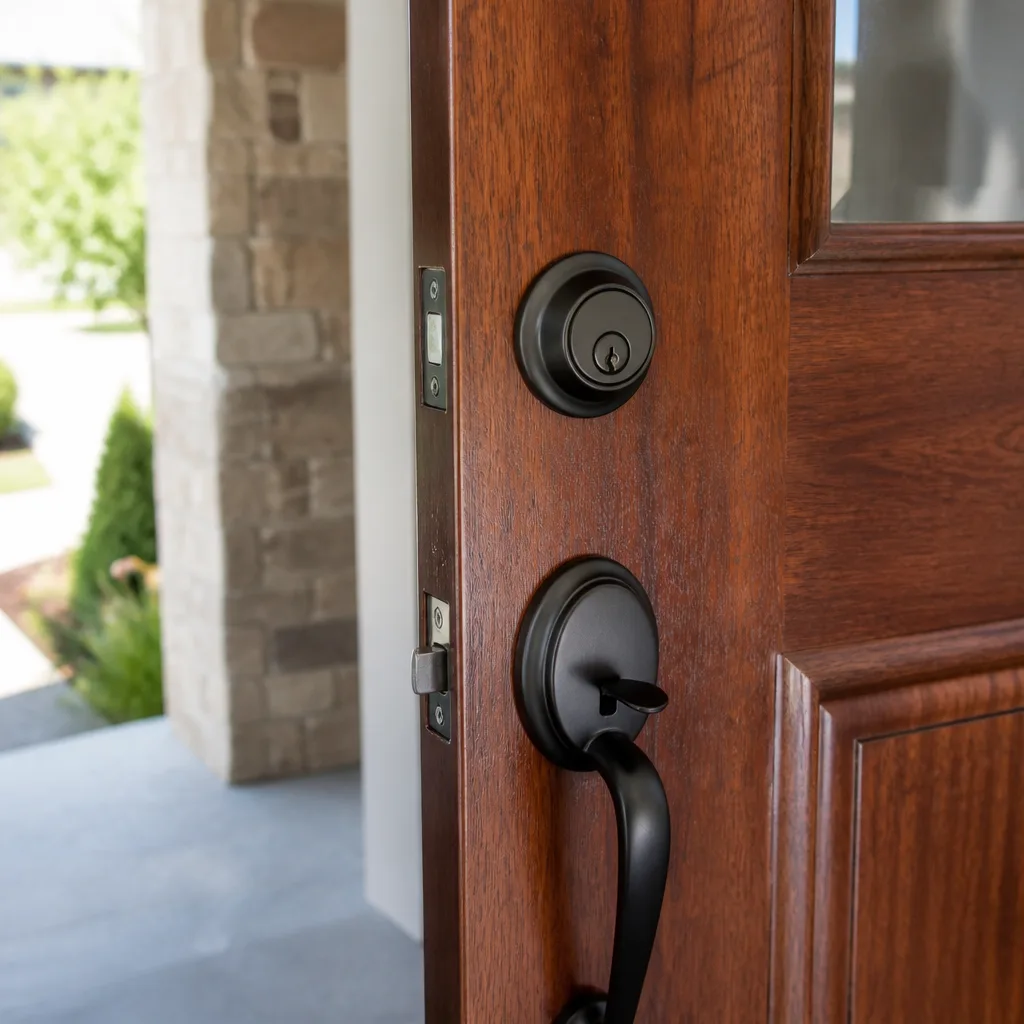
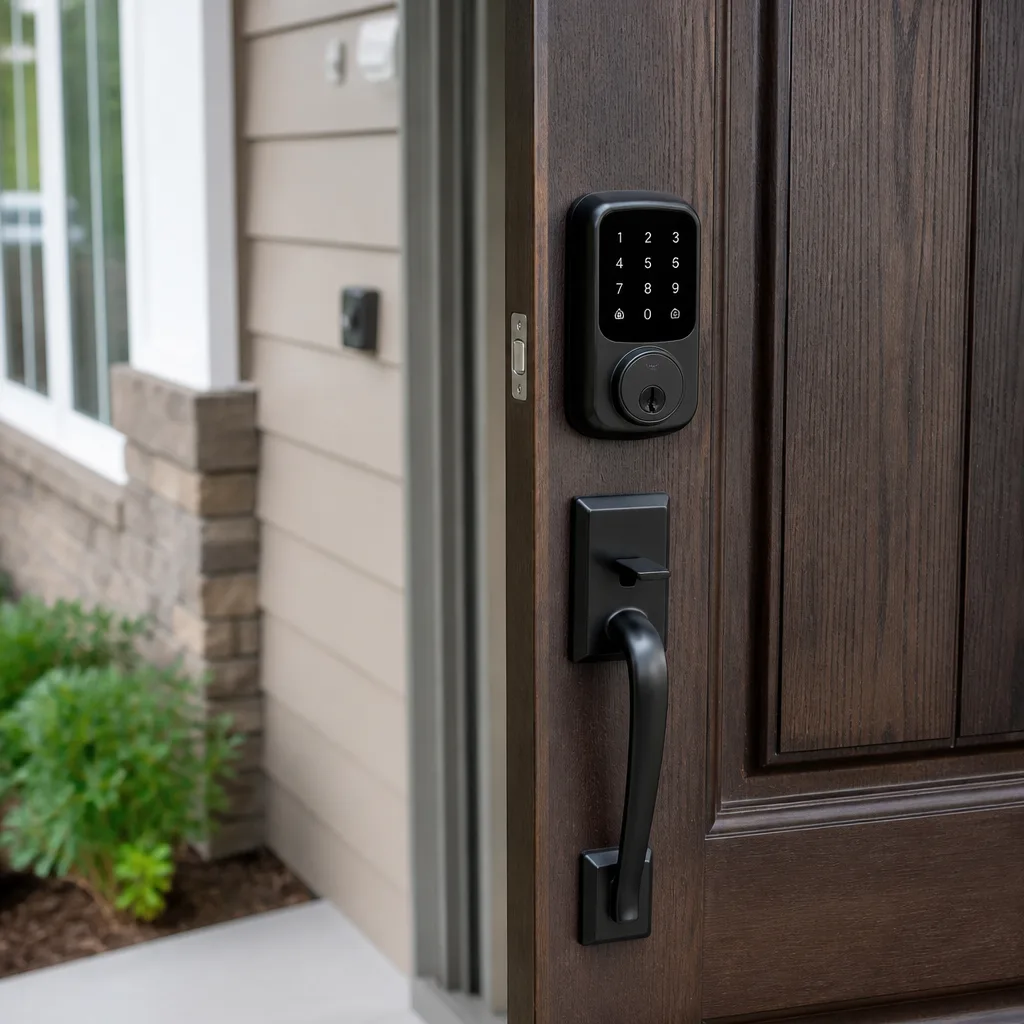
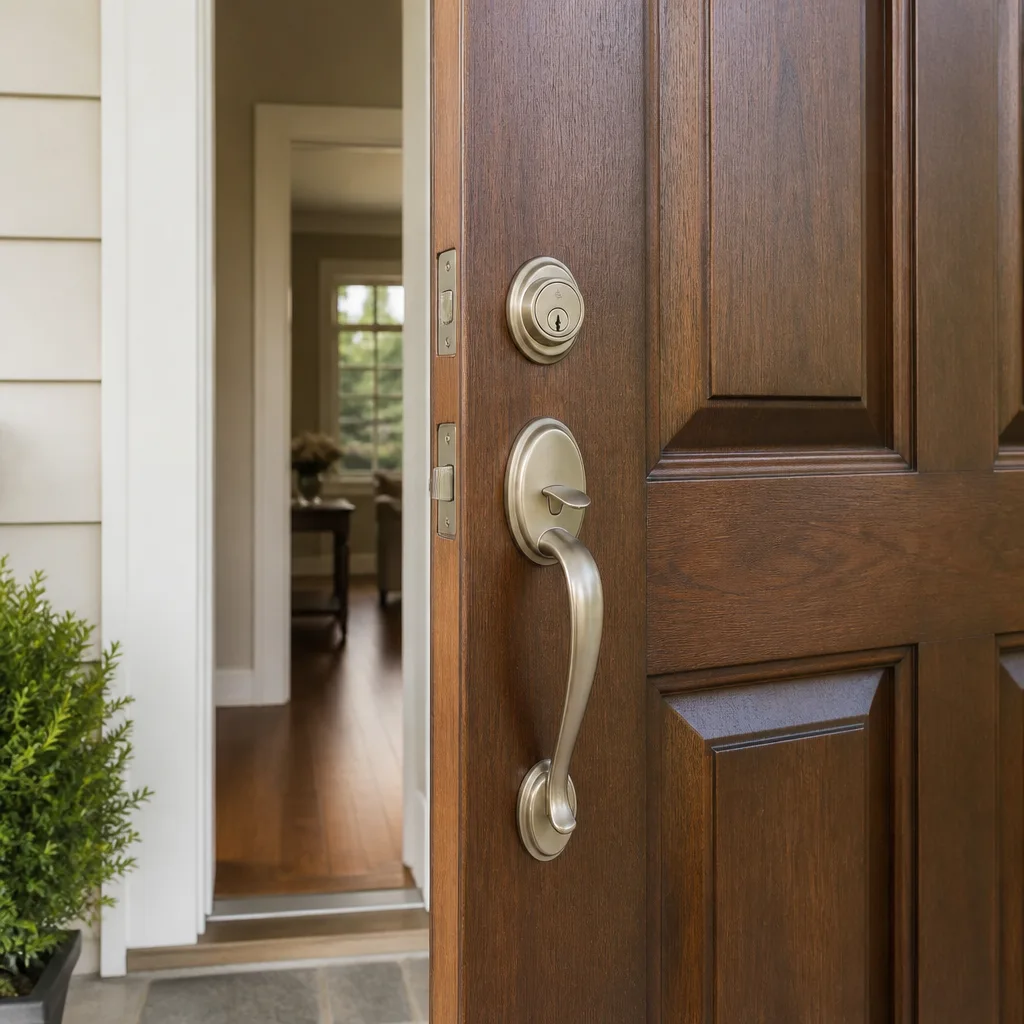
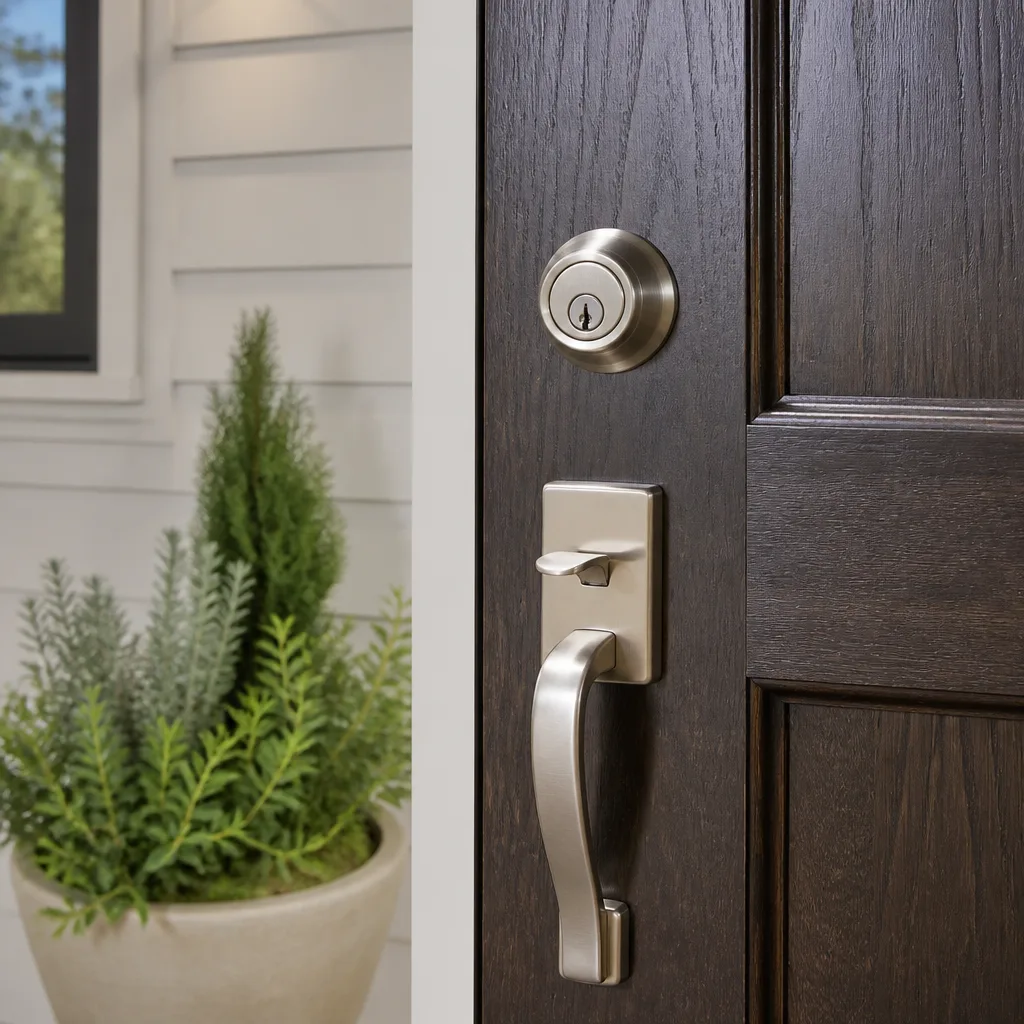
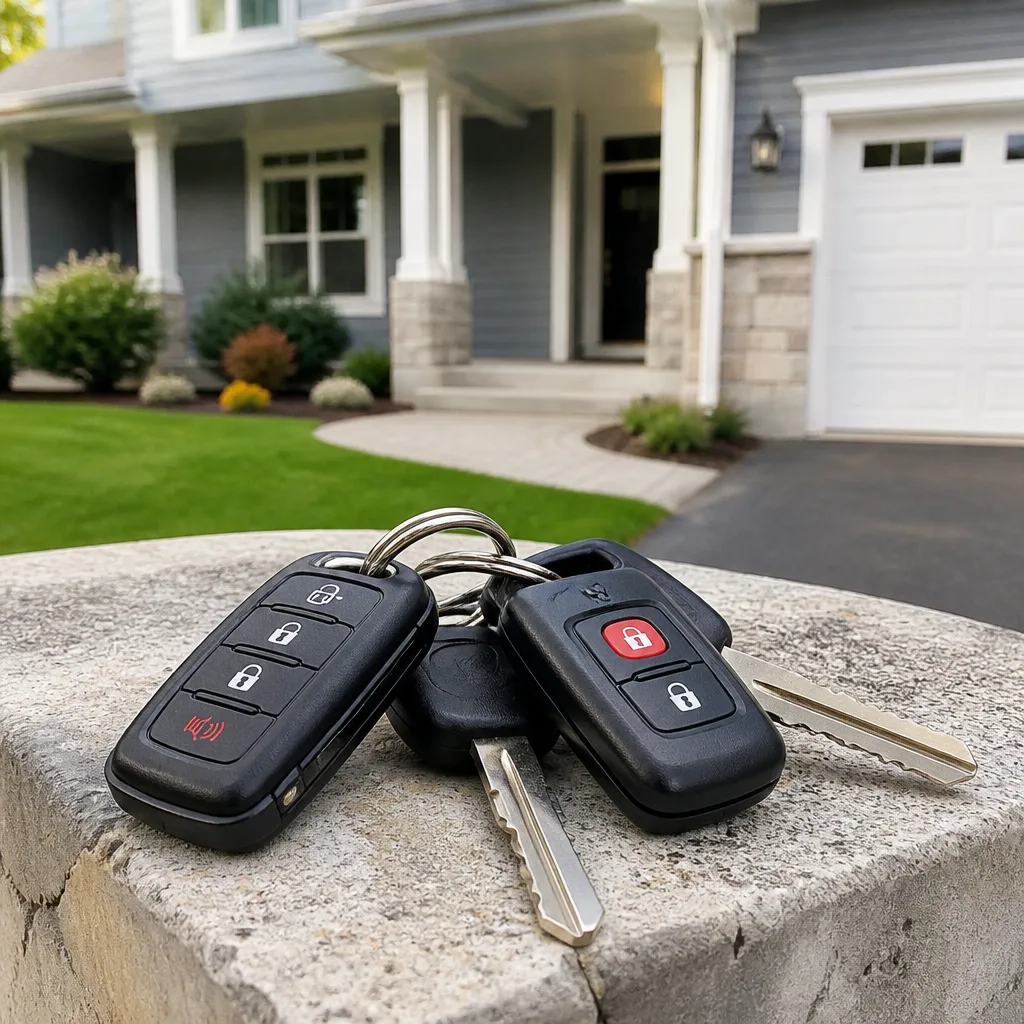
The Complete Rekey Locks Guide for Los Angeles Homeowners
When a home changes hands in Los Angeles, the average seller hands over two keys, remembers one spare in a kitchen drawer, and has completely forgotten about the third key given to a dog walker in 2019, the fourth left with a contractor during a bathroom remodel, and the fifth that went to a neighbor who moved to Pasadena. At least three sets of keys to your new front door are floating around out there, and none of the people holding them have any reason to call you before letting themselves in. Replacing every lock would run you $800 to $1,400 in Los Angeles. Rekeying the same locks costs a quarter of that and takes under an hour. This guide covers what rekeying actually does, what it costs in LA, when to do it, when to replace instead, and how to make sure the job was actually done.
Quick Answer
Rekeying a lock in Los Angeles means swapping the internal pins so the old key stops working and a new key controls the lock, and it typically costs $25 to $35 per lock cylinder for a standard deadbolt, with a full four-to-six lock home rekey running $100 to $180. A locksmith can typically rekey your locks the same day you call, and the entire job takes 15 to 45 minutes depending on how many locks you have. Rekeying is the fastest, most cost-effective way to reset who has access to your home after a move, a break-up, or a lost key.
Table of Contents
- What Rekeying Actually Does (And What It Doesn’t)
- When to Rekey Your Locks in Los Angeles
- How Much Rekeying Costs in Los Angeles
- Rekey vs. Replace: The Real Decision
- Keyway Compatibility: Why Some Locks Can’t Be Rekeyed
- How to Verify the Locksmith Actually Rekeyed the Lock
- Should You Rekey Locks Yourself?
- Common Mistakes to Avoid
- When to Call a Professional
- Frequently Asked Questions
What Rekeying Actually Does (And What It Doesn’t)
Rekeying is the process of changing the internal pin configuration inside a lock cylinder so that the old key no longer turns it and a new key does. The lock cylinder is the part you stick the key into. Inside that cylinder are five or six small spring-loaded pins of varying heights. When you insert the correct key, those pins line up exactly with the shear line, and the cylinder turns. When you insert the wrong key, the pins don’t align, and the cylinder doesn’t move.
A locksmith rekeying your lock removes the cylinder, swaps out the old pins for new ones cut to match a different key, and reassembles the lock. The housing, bolt, strike plate, and handle all stay exactly where they were. Nothing about the lock changes except which key operates it.
What rekeying does not do is upgrade the security of the hardware itself. If your existing deadbolt is a budget Kwikset from 1998 with a cheap cylinder and no anti-drill plate, rekeying it will not make it a better lock. It will only change the key. That distinction matters because it drives the entire rekey-vs-replace decision, which we cover in DIY vs Professional Commercial Locksmith: What’s Safe to Do Yourself and later in this guide.
In Los Angeles, where an enormous share of the housing stock dates to the 1950s through 1980s, we regularly encounter locks that have outlived their mechanical usefulness. The pins wear down, the springs lose tension, and the cylinder gets sloppy. A worn lock can be rekeyed, but it will still feel loose and may fail sooner than a new one. A good locksmith checks the hardware before rekeying and tells you honestly if the lock itself is worth keeping.
When to Rekey Your Locks in Los Angeles
The most common reason people call us is moving into a new home. That’s the correct instinct, but it’s not the only time you should rekey. In our experience serving Los Angeles for over 15 years, the homeowners who treat rekeying as a one-time event are the same ones who end up wondering how a former tenant’s cousin still has a working key.
Here are the trigger events that should always prompt a rekey:
- Moving into a new home, whether it’s a 1920s bungalow in Echo Park or a new build in Playa Vista. Even new construction has had keys in the hands of contractors, supers, and agents.
- After any contractor, housekeeper, nanny, or dog walker has held a key and no longer works for you. The key may have been copied. Assume it was.
- After a breakup or roommate departure. This is the most emotionally awkward rekey we do, and it’s also one of the most important. You don’t need a court order to change your own locks.
- After losing a key or having a bag stolen. If your keys were in the bag, and your ID was in the bag, someone now knows both where you live and how to get in. Rekey the same day if possible.
- After a neighbor’s break-in within two blocks. Burglars in Los Angeles often work a neighborhood in a cluster. If a home on your block was hit, your locks may already have been tried. Rekeying doesn’t make the lock stronger, but it ensures no one has a key to it if past copies are floating around.
One trigger event people miss: when you buy a rental property and the previous tenant returns the keys. You have no idea how many copies that tenant made, or who they gave them to. Rekey before the next tenant moves in, every single time. It’s the cheapest legal protection a Los Angeles landlord can buy.
How Much Rekeying Costs in Los Angeles
Rekeying prices in LA break down by the cylinder, not the hour. A cylinder is one keyhole. Most exterior doors have a deadbolt (one cylinder) and a knob or handle (a second cylinder). Some handlesets have a deadbolt plus a handle cylinder, meaning two cylinders on one door.
Here are the current Los Angeles market ranges for standard residential rekey work, based on what we charge and what we see from other established local locksmiths:
| Service | Typical Price Range (Los Angeles) |
|---|---|
| Single deadbolt rekey | $25 – $35 |
| Full home rekey, 4 – 6 cylinders | $100 – $180 |
| Re-key additional lock to same key (same brand, same visit) | $15 – $20 per additional cylinder |
| Rekey all locks to a single common key (keyed alike), 3+ cylinders | $120 – $200 |
| Rekey with new premium key (Medeco, Mul-T-Lock) | $35 – $60 per cylinder, plus key cost |
A few things worth knowing about Los Angeles pricing specifically. First, prices vary by neighborhood more than you’d expect. A rekey in Beverlywood or Brentwood often runs at the high end of these ranges, while the same job in Van Nuys or Lincoln Heights lands at the low end. Second, some LA locksmiths still price by the hour, which creates an incentive for them to work slowly. We price by the job, in writing, before a tool leaves the bag. You know the number before we start, and the number doesn’t change.
One line item to look for: a “service call fee” that gets added on top of the rekey charge. Some locksmiths in Los Angeles quote $29 for a rekey and then add $65 for the visit. Full price on the phone, before anyone is dispatched. That’s the rule. If the locksmith won’t tell you the total on the phone, call someone else. For reference, Preston Locksmith & Security provides a written price before work begins and never adds a call-out surcharge on arrival.
Rekey vs. Replace: The Real Decision
The decision between rekeying and replacing comes down to one question: is the hardware itself worth keeping? If the answer is yes, rekey. If the answer is no, replace. Rekeying a lock with worn internals or a loose bolt does nothing to fix the underlying mechanical problem.
Here’s how to think about it in practical terms:
- If the lock is a Schlage, Baldwin, Medeco, or higher-end Kwikset, and it’s less than 10 to 15 years old, rekey it. These cylinders are built to be rekeyed multiple times.
- If the lock is a builder-grade Kwikset or no-name knockoff that’s been on the door since the Clinton administration, and the deadbolt feels loose or the key wiggles in the cylinder, replace it. You’re spending $30 to rekey a $20 lock, and the new hardware will be objectively more secure.
- If the lock is damaged, corroded, or the key sticks when you turn it, replace it. Rekeying won’t fix binding or stiffness.
- If you want smart access or keyless entry, replace it. You can’t rekey a mechanical lock into a smart lock.
One nuance that catches Los Angeles homeowners off guard: many mid-century homes here still have their original mortise locks from the 1950s and 60s. These are usually worth keeping if they’re in decent shape. A good locksmith can rekey a mortise cylinder without touching the decorative trim. But if the mortise lock body is failing, replacement is expensive because the door needs to be modified. In those cases, we often recommend a modern deadbolt installed above the original lock, keeping the period hardware for looks but adding real security.
Keyway Compatibility: Why Some Locks Can’t Be Rekeyed
A keyway is the shape of the slot the key slides into. Every lock brand uses a different keyway profile. A Kwikset key physically will not fit into a Schlage cylinder, and vice versa. This is why a locksmith sometimes cannot rekey your existing locks to match a particular key you want to use.
The practical implication for Los Angeles homeowners: if you want all your locks to work on one key, all your locks need to share a compatible keyway, or some of them need to be replaced. You can’t rekey a Kwikset lock to accept a Schlage key. The keyway isn’t something a rekey changes. A rekey only changes the pin heights inside the cylinder, not the shape of the keyway itself.
Here’s how the common brands shake out in LA:
- Schlage: likely the most common residential brand in Los Angeles, especially on homes built from the 1990s onward. Schlage’s C-keyway is so widely available that almost every locksmith in the city stocks pins and blanks for it.
- Kwikset: the other big residential brand, common on older LA homes and on most builder-installed hardware. Also extremely easy to rekey, though the cylinders themselves aren’t as durable as Schlage.
- Baldwin: a premium brand often found on nicer homes in Hancock Park, Los Feliz, and the Palisades. Many Baldwin locks use Schlage-compatible cylinders, which makes rekeying straightforward if you have a locksmith who knows what they’re doing.
- Yale: more common on commercial doors, but some older LA residential buildings have Yale keyways. Stock is less common, and some older Yale cylinders need special pin kits.
- Medeco and Mul-T-Lock: high-security restricted keyways. Rekeying these requires authorization and special tooling. Most mobile locksmiths in Los Angeles do not carry these pin kits. If you have Medeco or Mul-T-Lock, you need a locksmith who explicitly services those brands.
Before you commit to a rekey, ask the locksmith what brands they actually stock pins for. A good Los Angeles locksmith will tell you over the phone whether they can rekey your specific lock, and if not, what replacement they’d recommend. If they say “yeah, we can rekey anything” without asking what brand of lock you have, treat that as a red flag.
How to Verify the Locksmith Actually Rekeyed the Lock
Here’s the uncomfortable truth about the rekey trade in Los Angeles: it’s a service where the customer cannot easily verify the work was done. The lock looks the same, sits in the same hole, and a new key turns it. But did the old key stop working? Most people never check. A dishonest operator can charge you $120 for a “rekey,” hand you one of the old keys, and leave. Weeks later, the previous owner’s cousin walks in, and you have no proof anything was done at all.
How to make sure the job was actually done:
- Test the old key before the locksmith leaves. This is the simplest verification and the one almost nobody does. Keep one old key, insert it after the rekey, and confirm it no longer turns. If the old key still works, the lock was not rekeyed.
- Ask for before-and-after photos of the cylinder. The cylinder should come out of the lock, get repinned, and go back in. A legitimate locksmith can show you the cylinder with the new pins installed. At Preston Locksmith & Security, before-and-after photos are part of our Relay Visibility Guarantee, documented on every job.
- Confirm the new keys were cut fresh. A properly rekeyed lock should come with at least two new keys. Check that the cuts on the new key are visibly different from your old key. If the new key looks identical to the old one, something is wrong.
- Ask for a written receipt that says “rekeyed” with the number of cylinders. Not “service call” or “labor.” The word “rekeyed” with a cylinder count is the minimum documentation you should accept.
In our experience in Los Angeles, the locksmiths who are transparent about this process are almost always the legitimate ones. The ones who get defensive when you test the old key are the ones you should have never let through the door.
Should You Rekey Locks Yourself?
You can buy a rekeying kit for Kwikset or Schlage at a hardware store in Los Angeles for $15 to $30. The kit includes a follower tool, a plug, and an assortment of pins. If you have the right kit for your brand and a working key to the existing lock, you can rekey a cylinder yourself in about 20 minutes, assuming everything goes smoothly.
Here’s the honest assessment of DIY rekeying, based on what we see when we’re called in to fix failed attempts:
- For a single Kwikset or Schlage lock, with the right kit and a little patience, DIY is feasible. The tolerances are forgiving and the process is well documented.
- For a house with four to six locks across multiple brands, DIY gets expensive and time-consuming fast. You need a different pin kit for each brand, and each kit only comes with a limited number of pins. Run out of the right pin size and you’re making another hardware store run.
- If the lock has no working key at all, DIY is off the table. You can’t rekey a cylinder you can’t turn to remove. That requires a professional to pick or shim the lock first.
- The most common DIY failure we see in LA is springs and top pins flying out during reassembly. The cylinder winds up jammed, the door won’t lock, and now the homeowner has a security problem worse than the one they started with.
Rekeying is not dangerous in the way that high-tension garage door springs or electrical panel work is. But it is fiddly, it’s easy to get wrong, and the consequence of a failed rekey is a door that doesn’t secure. For most Los Angeles homeowners, the $100 to $180 for a professional full-home rekey is worth it just to avoid the frustration, as we explain in our Complete Residential Locksmith Guide for Los Angeles Homeowners. If you do go the DIY route, buy the right kit for your brand, watch a video specific to your lock model, and don’t start at 9pm when the hardware store is closed.
Common Mistakes to Avoid
- Rekeying only the front door. Every exterior door on the home shares the same security profile. If the back door still accepts the old key, the front door rekey was pointless. Rekey all exterior doors at once.
- Not rekeying after a contractor finishes work. In Los Angeles, a typical kitchen remodel involves three to five different subs, any of whom may have copied a key. Rekey when the job is done, not before it starts.
- Trying to rekey incompatible brands onto one key. You cannot make a Kwikset cylinder accept a Schlage key. If the locksmith doesn’t explain this before quoting you, find another locksmith.
- Rekeying a lock that should be replaced. A worn-out deadbolt with a sloppy cylinder and a loose bolt is still a weak deadbolt after rekeying. The $25 rekey fee is wasted on hardware that was dead on arrival.
- Not testing the old key after the job. This takes ten seconds and it is the only proof that the rekey actually happened. If the old key still turns, the locksmith didn’t do the work.
- Hiring a locksmith who won’t quote a price on the phone. The rekey trade in LA has a documented bait-pricing problem. A written price before work begins is non-negotiable.
- Forgetting the garage door, side gate, and mailbox. The garage entry door often gets ignored in a rekey. If it has a keyed cylinder, include it. Same goes for any gate lock that shares the house key.
If you’re moving into a new place in Los Angeles, the cheapest mistake you can avoid is assuming the seller handed over every copy of the key. They didn’t. Nobody does.
When to Call a Professional
Call a professional for any rekey that involves more than one lock, any lock without a working key, any high-security brand like Medeco or Mul-T-Lock, or any lock on a home that’s currently vacant. Attempting to save $100 on a mobile-home rekey in Los Angeles while the house sits exposed is a poor trade. A locksmith who arrives with the right pins, the right tools, and a written price is the difference between a 30-minute job and a Saturday afternoon spent chasing springs around the kitchen floor. Preston Locksmith & Security offers free estimates in Los Angeles, call (409) 405-4485.
Frequently Asked Questions
Rekeying a house in Los Angeles with four to six standard cylinders typically costs $100 to $180 total, including labor and new keys. For an exact quote, call (409) 405-4485 and we’ll give you a written price before anyone is dispatched.
Rekeying a standard residential lock takes 5 to 10 minutes per cylinder, so a full home with five locks is finished in under an hour. The limiting factor in Los Angeles is usually travel time, not labor time.
Only if all the locks share a compatible keyway. Locks from the same brand, like all Schlage or all Kwikset, can almost always be keyed alike. Mixing brands like Kwikset and Schlage on one key requires replacing some cylinders.
Yes. Preston Locksmith & Security provides a written price before any work begins, and that is the price on the invoice. There is no call-out surcharge added on arrival and no bill that changes between the estimate and the final charge.
Yes, you or another adult needs to be present for a rekey. The locksmith needs access to the inside of the lock, and you’ll want to test the old key after the job to confirm the rekey was done correctly.
Rekeying changes only the internal pins so old keys no longer work. Changing locks replaces the entire hardware unit. Rekeying costs $25 to $35 per cylinder, while replacing a deadbolt typically runs $60 to $150 per lock in Los Angeles.
The Bottom Line
Rekeying is the fastest, least expensive way to reset security on a Los Angeles home, and it’s the first thing every new homeowner should do before unpacking a single box. For more guides & resources, visit our blog. A standard rekey runs $25 to $35 per cylinder, a full home runs $100 to $180, and the whole job is done in under an hour. The only people who get burned on rekeying in LA are the ones who rekey only one door, rekey hardware that should have been replaced, or hire someone who won’t put a price in writing. Ask for the written price, test the old key before the locksmith leaves, and rekey every exterior door on the same visit.
If you’re ready to rekey your locks in Los Angeles, call Preston Locksmith & Security at (409) 405-4485 for a free estimate. See our Rekey Locks in Los Angeles service page, or browse the Preston Locksmith & Security home page for our full range of services, including Door Lock Repair in Los Angeles and Commercial Locksmith in Los Angeles.
Written by Kevin Yoon, Owner at Preston Locksmith & Security, serving Los Angeles since 2008.