
Last updated October 9, 2026
Non-destructive entry first, always - and we re-key Schlage, Kwikset, and Baldwin locks on the spot while you watch
You get a price before we start. It does not change when we arrive. No surprises.
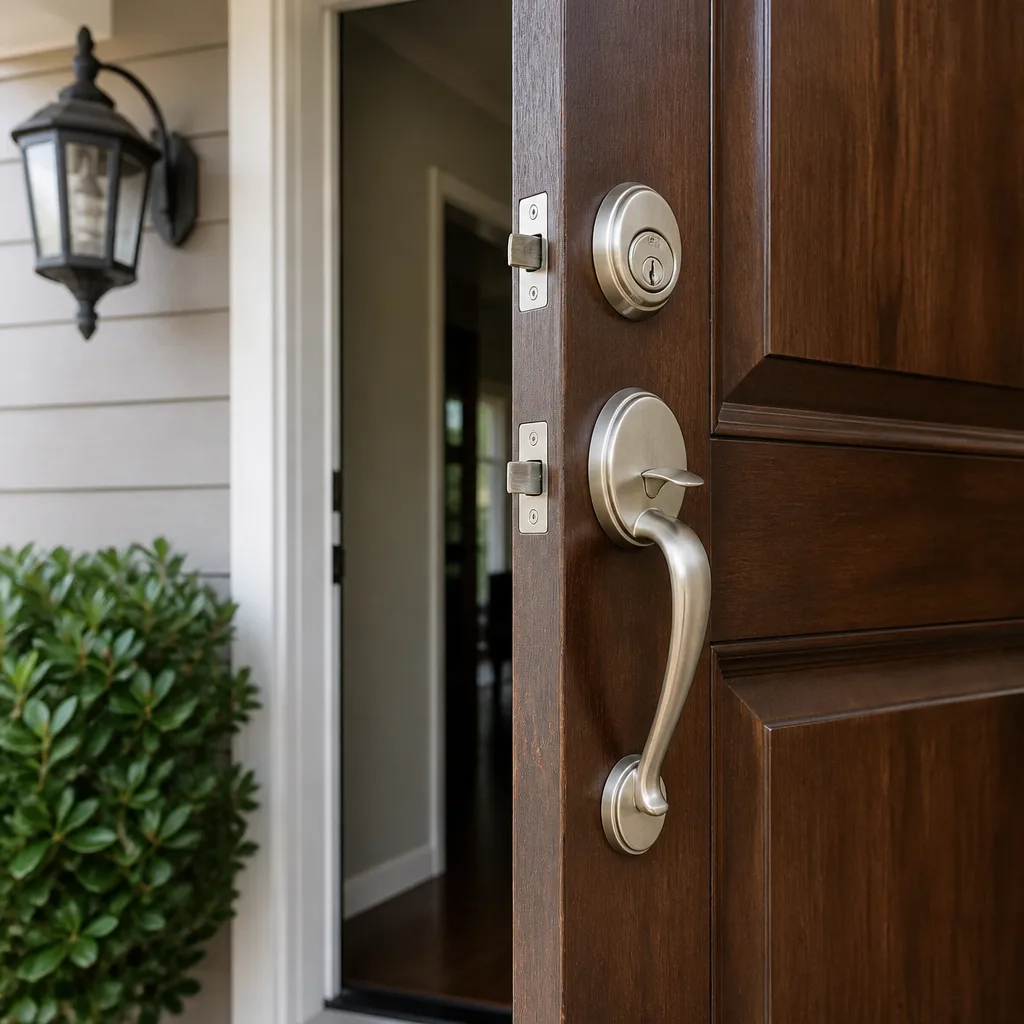
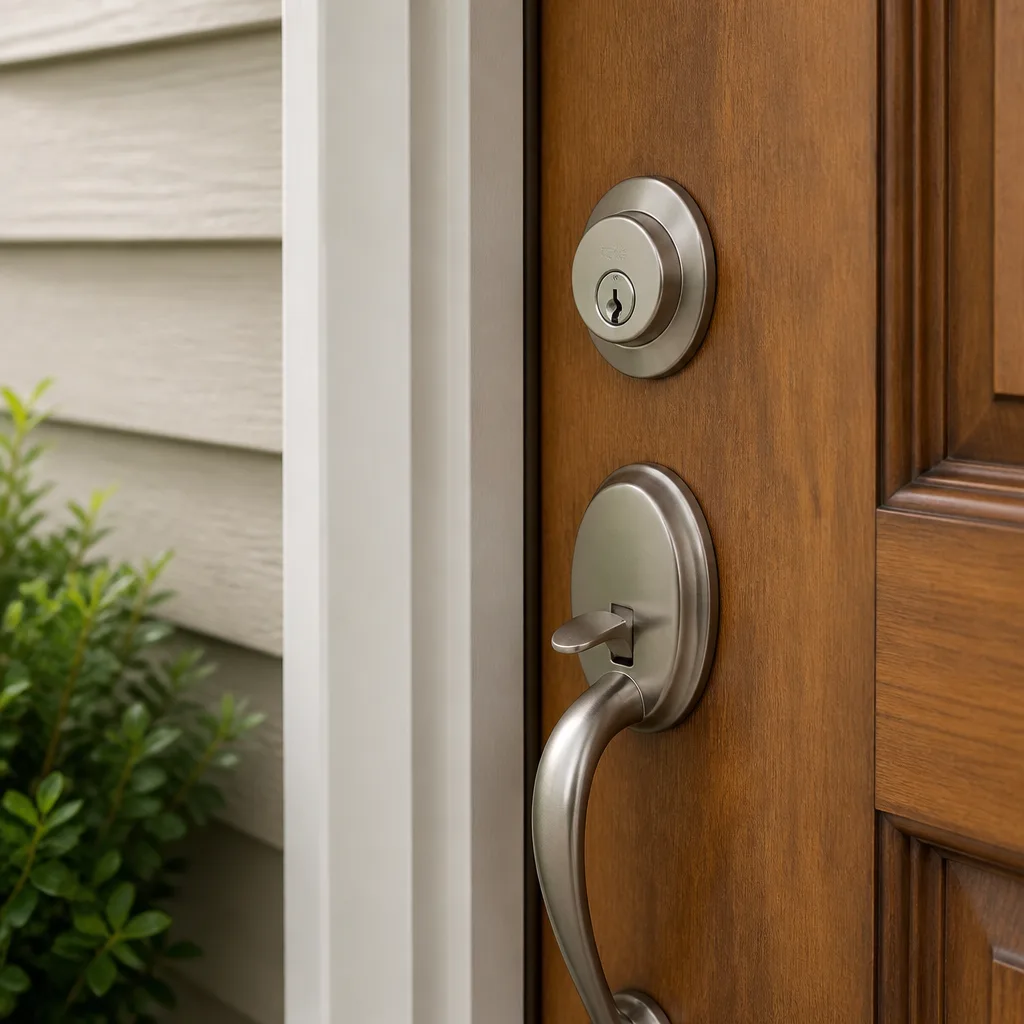
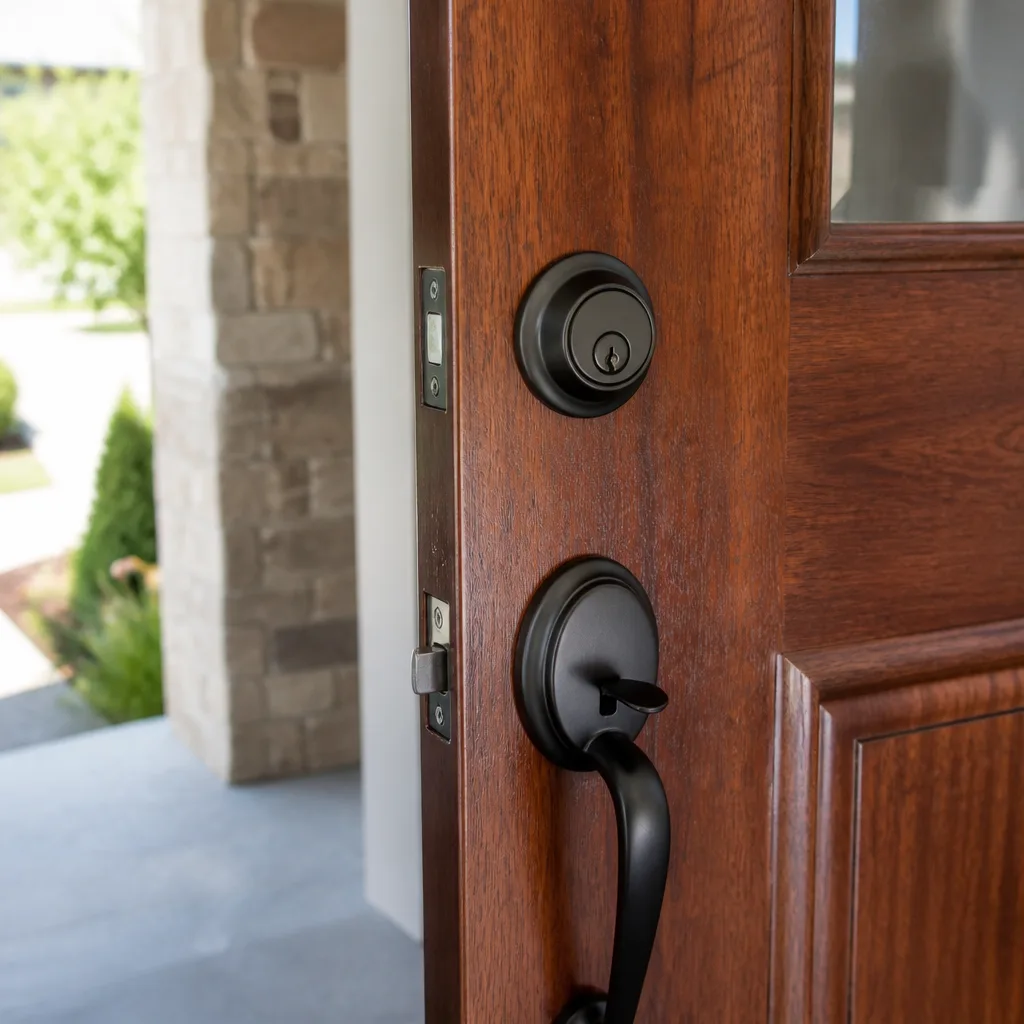
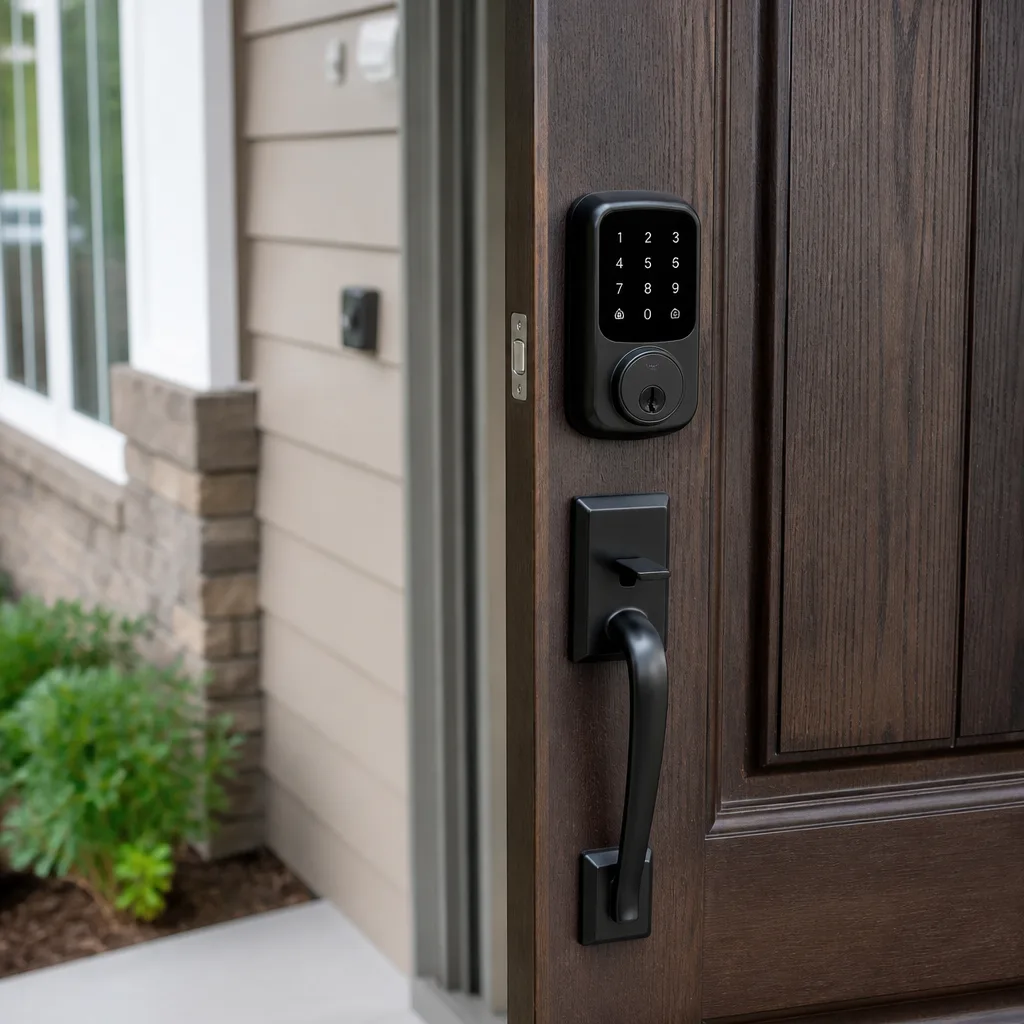
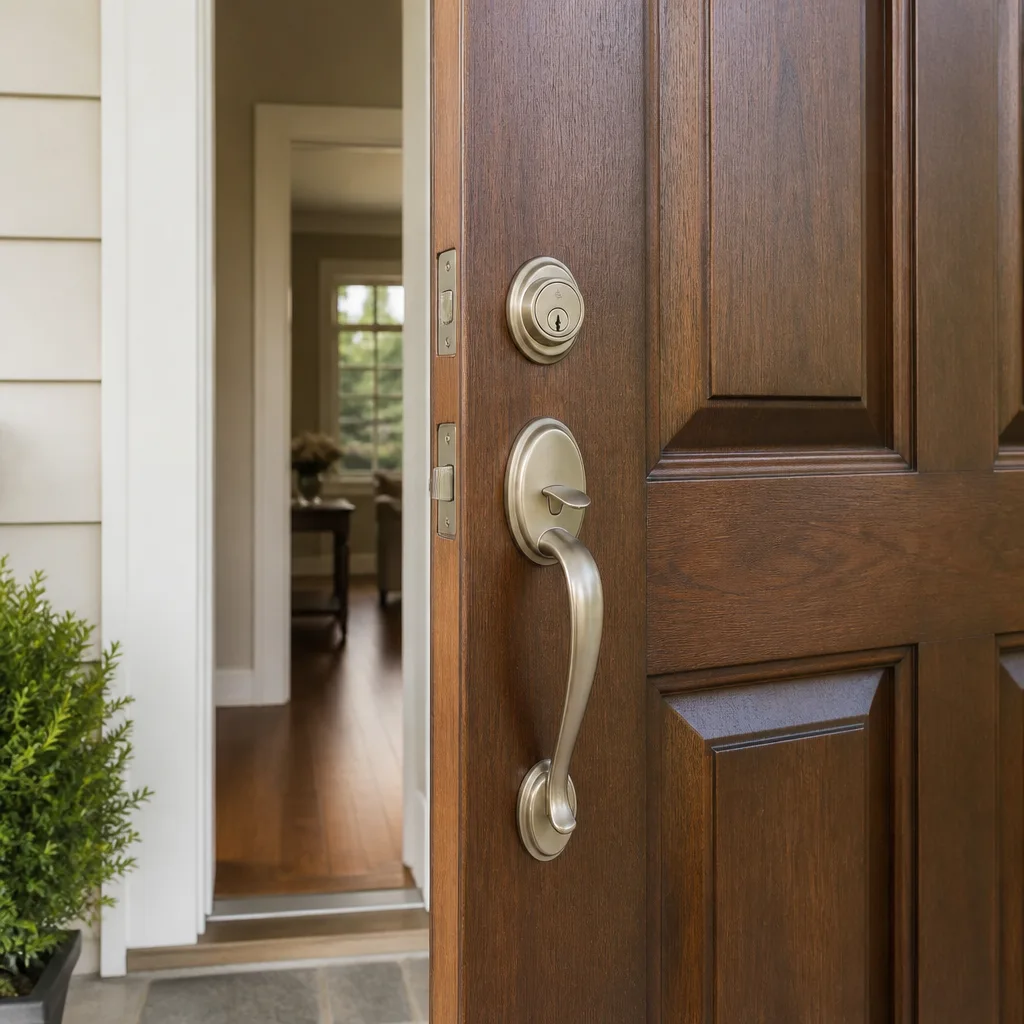
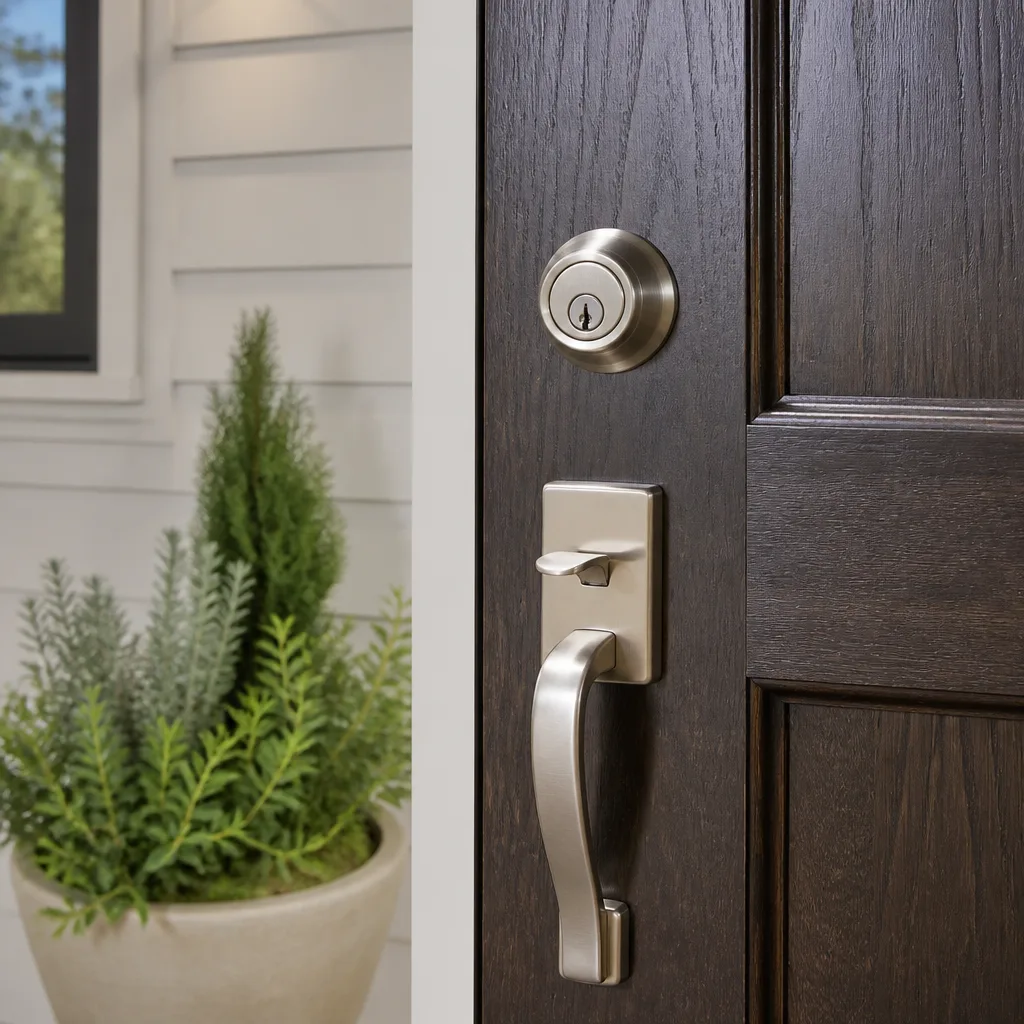
DIY vs Professional Door Lock Repair: What’s Safe to Do Yourself
Replacing a doorknob yourself is fine. Adjusting a strike plate without checking door frame integrity first can leave your door kickable even with a brand-new deadbolt. The line between a safe Saturday project and a job that silently compromises your security isn’t about how handy you are. It’s about whether the repair is cosmetic or structural, and most Los Angeles homeowners can’t tell which side they’re on until something fails. This guide gives you a clear two-column decision matrix: what’s genuinely safe to do with a screwdriver, what requires a trained pro, and what each mistake actually costs you in security, money, or both. For DIY vs Professional Locksmith: The Los Angeles Homeowner’s Decision Guide, see our dedicated breakdown.
Quick Answer
DIY door lock repair is safe when you’re swapping visible hardware like knobs, handles, or faceplates and the door, frame, and latch alignment are already in good condition. Call a professional when the problem involves the internal cylinder pins, the deadbolt throw, the strike plate depth, the door frame itself, or any lock you rely on for security. A misaligned deadbolt or shallow strike plate can make a door kickable even when the lock is brand new, and some brands like Baldwin and Mul-T-Lock void their warranty on self-repairs.
Table of Contents
- The Two-Column Decision Matrix: Safe DIY vs. Pro-Only
- Cosmetic vs. Structural: How to Tell Which Side You’re On
- The Real Cost of a DIY Mistake in Los Angeles
- What a Competent DIYer Needs vs. What a Pro Brings
- Warranty-Void Risk: Which Brands Penalize Self-Repairs
- Before-and-After Documentation: Why It Matters
- 5 Repairs That Are Practically Never Worth Calling a Pro For
- Common Mistakes to Avoid
- When to Call a Professional
- Frequently Asked Questions
- The Bottom Line
The Two-Column Decision Matrix: Safe DIY vs. Pro-Only
Here’s the full chart, and we’ve kept it to what actually matters. Each yes or no comes down to one question: does this repair touch the security function, or only the appearance and convenience?
| Safe to DIY (Cosmetic or Surface-Level) | Call a Pro (Structural or Security-Related) |
|---|---|
| Replacing a doorknob or lever on a door that already closes and latches smoothly | Repairing a deadbolt that won’t fully throw into the strike plate |
| Tightening visible screws on a faceplate, hinge, or doorknob | Rekeying a cylinder (swapping internal pins so old keys no longer work) |
| Lubricating a lock cylinder with graphite or Teflon spray | Replacing or deepening a strike plate when the frame around it is soft, split, or sagging |
| Swapping out a generic interior bedroom or closet knob | Any repair involving the door frame itself, including hinge screws that spin freely or a door that sticks |
| Installing a new keyless entry lock on a properly aligned door | Fixing a key that turns but won’t open the lock, or a key that snapped inside the cylinder |
| Replacing a visible lock faceplate or escutcheon plate | Servicing high-security hardware from Yale, Mul-T-Lock, Baldwin, or Sargent |
The pattern: if the repair only changes how the lock looks or feels, you can probably do it. If the repair changes how the lock performs under force, get a pro. In Los Angeles, we’ve seen doors in older homes in Echo Park, Silver Lake, and West Adams where the frame wood is 60 years old and micro-splits around the strike plate screws. A homeowner swaps in a new deadbolt, it works fine for a month, then one firm shoulder against the door splits the frame and the deadbolt stays in the door while the frame gives way. That’s the structural-versus-cosmetic trap in action.
Cosmetic vs. Structural: How to Tell Which Side You’re On
The quickest test is not about the lock at all. Look at the door closed, from the inside, with the deadbolt thrown. Push your palm against the door near the handle. Does the door rattle in the frame? Is there more than an eighth of an inch of movement? Does the gap between the door and the frame change width from top to bottom?
If you answered yes to any of those, the problem is the door, the frame, or the hinges. Not the lock. A new deadbolt on a door that moves is like putting a new engine in a car with a cracked chassis. The engine is fine. The car still isn’t safe.
Here’s the structural checklist in order:
- Close the door and latch it. Jiggle the doorknob. The latch should sit tight in the strike plate with no more than 1/16 inch of play.
- Throw the deadbolt. It should slide fully into the strike plate with a clean click. Not a grind, not a partial throw, and not a bolt that stops halfway because it’s hitting the edge of the strike plate hole.
- With the deadbolt thrown, lean your body weight against the door. The door should feel solid. Movement means the strike plate screws are too short, too shallow, or pulling out of soft frame wood.
- Inspect the frame around the strike plate. Look for hairline cracks, paint chips, or wood that feels spongy when you press a flat screwdriver against it.
- Open the door halfway and let go. If it swings open or closed on its own, the hinges are out of alignment and the strike plate will never seat correctly.
If steps 1 through 5 pass cleanly, a lock swap is realistic DIY territory. If any step fails, you don’t have a lock problem. You have a door problem, and a lock pro fixes those as part of our Door Lock Repair services in Los Angeles the same way a mechanic fixes the chassis before aligning the wheels.
The Real Cost of a DIY Mistake in Los Angeles
Let’s talk numbers, because vague warnings don’t help anyone. A DIY lock repair that goes sideways in Los Angeles typically costs more than the professional repair would have cost in the first place. Here’s what we see:
- Stripped strike plate screws left in a sagging frame: The door eventually fails to latch. The repair now includes drilling out the old screws, filling the holes with hardwood dowels and construction adhesive, re-drilling, and installing 3-inch screws. As part of a door lock repair in Los Angeles, this typically runs $140 to $250 depending on frame condition. The original professional fix would have been $80 to $130.
- Snapped key inside a cylinder after forcing a sticky lock: Extracting the key means disassembling the cylinder, removing the broken brass, and usually replacing the pins or the whole cylinder. Plan on $90 to $180. The original fix for the sticky lock, lubrication and a minor adjustment, would have been under $100.
- Voided warranty on a premium lock: A Baldwin or Mul-T-Lock entrance handle can run $200 to $500 per lock. If a self-repair damages the internal cylinder and voids the warranty, the replacement is on you. The professional route preserves that warranty.
- Kicked-in door after a failed DIY alignment: This is the worst case, and Los Angeles renters and homeowners in neighborhoods like Koreatown, Mid-City, and Highland Park deal with it every year. The cost includes a new door slab, new Jamb Armor or similar frame reinforcement, new lockset, and labor. All-in, you’re looking at $600 to $1,200. The original strike plate and frame repair would have been $120 to $200.
Most DIY failures we see in Los Angeles aren’t from incompetence. They’re from a competent person not recognizing that a cosmetic-looking repair had a structural root cause.
What a Competent DIYer Needs vs. What a Pro Brings
Here’s the honest tool picture, because “you need special tools” is the kind of vague hand-waving that annoys everyone.
What a competent DIYer needs for a basic knob or deadbolt swap:
- #2 Phillips screwdriver and a #1 Phillips for small set screws
- Flathead screwdriver for prying faceplates
- Tape measure
- New lock kit with matching latch and strike plate
- Graphite powder or Teflon spray (never use WD-40 on a lock cylinder)
- 30 to 60 minutes per door
What a pro brings that changes the outcome:
- Strike plate mortising jig: Cuts a precise recess in the frame so the strike plate sits flush or slightly proud. A hand chisel in a soft 1950s Los Angeles door frame usually tears out the wood.
- Reinforcement hardware: Heavy-duty strike plates, 3-inch case-hardened screws, and Jamb Armor or Door Armor plates that anchor the frame to the wall stud.
- Cylinder follower and pinning tools: For rekeying and repairing the internal cylinder, which is not a job you can do with a screwdriver.
- Lishi picks and decoding tools: For high-security cylinders from Mul-T-Lock, Abloy, and Sargent that have side pins, magnetic pins, or telescoping pins.
- Dial indicator and alignment shims: For measuring hinge sag and frame racking, which a visual check misses.
- Photo documentation rig: Before-and-after photos of the door, frame, strike plate, and hardware. More on why this matters below.
The real difference isn’t the tool list. It’s the diagnostic sequence. A pro in Los Angeles has seen the same failure in a 1920s bungalow in Echo Park, a 1980s condo in Sherman Oaks, and a 1960s ranch in Granada Hills. The frame tells the story, and reading it is what separates a clean one-hour fix from a three-hour battle.
Warranty-Void Risk: Which Brands Penalize Self-Repairs
Most people don’t read the warranty terms that came in the lock box. We do, because we have to. The short version: several premium lock brands void their warranty if the lock has been disassembled or modified by someone other than the original purchaser, and some go further.
Here’s the honest landscape, based on the warranty language we work with every day:
- Baldwin: Limited lifetime mechanical warranty, but it’s void if the product is “improperly installed” or “modified.” If you repair the cylinder yourself, make a mistake, and then file a claim, Baldwin’s first question is who touched the lock. The answer determines whether they ship you a free replacement.
- Mul-T-Lock: Their high-security cylinders are built around a patented key control system, and warranty service goes through an authorized dealer. A self-repair that damages the cylinder means you cannot get a replacement key cut without re-pinning, and that’s a dealer service call.
- Sargent: Commercial-grade hardware with strict warranty terms on installation and modification. A Sargent mortise lock body has over 100 parts. Opening one without the right tools and experience usually means a box of parts and a $400 replacement order.
- Yale: The residential line is more forgiving, but the warranty still excludes “misuse, abuse, alteration, or failure to follow installation instructions.”
The practical rule: if the lock cost under $50 from a big box store, you’re not risking much by working on it yourself. If the lock says Baldwin, Mul-T-Lock, Sargent, or Yale on the faceplate and it’s protecting an entry door, the warranty and the security stakes both point to professional service. As a commercial locksmith in Los Angeles, we service these brands daily and have the pinning kits, key blanks, and factory knowledge to keep the warranty intact.
Before-and-After Documentation: Why It Matters
This is the part competitors never talk about, and it’s the quiet reason a professional job is worth the money in specific situations.
Every professional lock repair should include before-and-after photos. Not because it’s nice to have. Because it’s the only evidence you have when something goes wrong later, and in Los Angeles, “later” usually means one of these scenarios:
- Rental security deposit disputes: A landlord claims you damaged the door or the lock. The photos show the condition at move-in and at repair. Done.
- Insurance claims after a break-in: Your insurer asks whether the door was properly secured. The photos show the strike plate depth, the deadbolt throw, the frame condition. Without them, the adjuster may determine the door was improperly maintained and deny the claim.
- Warranty claims: As above, a lock brand asks what condition the door was in. Photos answer the question.
- HOA or building manager disputes: In Los Angeles condo buildings, unit doors are sometimes shared fire-rated assemblies with specific hardware requirements. Photos show the hardware was professionally serviced, not home-modified.
What should the photos show? The door closed with the deadbolt thrown, a close-up of the strike plate with the screws visible, a close-up of the lock faceplate, the door gap from the side, and any damage to the frame. At Preston Locksmith & Security home, this is baked into The Relay Visibility Guarantee: before-and-after photos on every job, a written price before work starts, and a live trackable arrival time. It’s not an upgrade. It’s the standard.
5 Repairs That Are Practically Never Worth Calling a Pro For
This guide isn’t a sales pitch. Some jobs are so easy that calling a locksmith would waste your money. For more guides & resources, explore our blog. Here’s the honest short list:
1. Replacing an interior bedroom or closet knob
Two screws, one latch, five minutes. No security function. Do it yourself. This is the gateway DIY lock project and it’s genuinely safe.
2. Tightening a loose doorknob or faceplate
If the knob wobbles but the door still latches and the deadbolt still throws, it’s a set screw or a faceplate screw. Tighten it with a Phillips head. That’s the whole job.
3. Lubricating a key cylinder that’s gotten stiff
Buy a tube of graphite powder at any hardware store for under $10. Squirt a small puff into the keyhole, insert the key, turn it slowly back and forth a few times. That’s it. The word “lock repair” doesn’t apply to this. But do not use WD-40. It attracts dust and turns into gum inside the cylinder.
4. Installing a keyless entry or smart lock on an aligned door
If the door passes the structural checklist above, installing a smart lock is a screwdriver-level job. The instructions are clear, and the worst case is that it doesn’t work and you take it back to the store. This is safe DIY on an entry door as long as the hardware underneath is sound.
5. Replacing a visible faceplate or escutcheon plate
If the plate is scratched, tarnished, or peeling, you can swap it with a screwdriver. The plate is cosmetic. The lock underneath is untouched.
Every item on this list shares one trait: the repair touches the visible hardware only, and the door, frame, and latch alignment are already fine. That’s the whole secret.
Common Mistakes to Avoid
- Replacing the lock instead of fixing the frame. The deadbolt was never the problem. The sagging frame was. You changed the lock, the door still kicks open, and now you’ve spent $80 and an afternoon with nothing to show for it.
- Using WD-40 on a lock cylinder. It works for a week, then the residual oil attracts dust and the lock is worse than before. Graphite or Teflon spray only, and even then, sparingly.
- Installing short screws in the strike plate. The screws that come with most lock kits are half an inch long and grab only the frame trim, not the wall stud. Even a properly aligned deadbolt will fail when the strike plate pulls loose. Three-inch case-hardened screws are the minimum for any entry door in Los Angeles.
- Forcing a key that’s binding. A key that won’t turn is telling you something. Forcing it is how keys snap off in the cylinder. When Los Angeles temperatures swing from hot dry summers to damp winters, especially in beach-adjacent neighborhoods like Santa Monica and Venice, wood contracts and swells, and that changes the alignment enough to bind a key.
- Drilling out a lock without checking if it’s a high-security cylinder first. A Mul-T-Lock or Abloy cylinder has hardened steel pins and side bars that will destroy a standard drill bit. By the time you realize it, the lock is ruined and the door is scratched. That’s now a $300 to $500 day instead of a $120 service call.
- Fixing one hinge when all three are loose. The top hinge carries most of the weight. If you tighten only the bottom hinge and declare the door fixed, the door will sag again in a month. Check every hinge, and replace the top hinge screws with longer ones that grab the stud.
- Skipping the documentation. Whether you go DIY or pro, photograph everything before and after. Doors, frames, strike plates, screw holes. When a landlord, insurer, or warranty department asks what happened, the photos are your answer.
When to Call a Professional
Call a locksmith when the door doesn’t pass the structural checklist above, when a key is stuck or snapped, when the lock is high-security hardware from Mul-T-Lock, Baldwin, Sargent, or Yale, or when the repair touches the cylinder pins or the deadbolt throw. Also call when the issue recurs. A door that you’ve tightened twice and is loose again isn’t a screw problem. It’s a frame problem, and you need somebody who can diagnose it. Preston Locksmith & Security offers free estimates in Los Angeles, and Kevin Yoon and the team will tell you honestly if a repair is something you can do yourself. Call (409) 405-4485 for a no-pressure assessment.
Frequently Asked Questions
Yes, if the door and frame are already properly aligned and the existing deadbolt operated smoothly before removal. The job requires only a screwdriver and takes about 30 minutes. If the deadbolt was binding, sticking, or failing to throw completely, the problem is likely the door frame, not the lock, and replacing the deadbolt won’t fix it. If you’d rather have a pro handle it, call (409) 405-4485 for a free estimate before you start taking things apart.
Close the door and throw the deadbolt, then push against the door with your body weight. If the door moves more than an eighth of an inch, or if you can see the frame flex around the strike plate, the frame is the problem. A new lock will not fix a frame that moves. The fix is reinforcement hardware and frame repair, which a locksmith can quote as part of a standard door lock repair service call. For related reading, see DIY vs Professional Rekey Locks: What’s Safe to Do Yourself.
Never attempt to rekey a cylinder, extract a snapped key, repair a high-security lock from Mul-T-Lock, Baldwin, Sargent, or Yale, or deepen a strike plate in a soft or split frame. These jobs involve internal pins, hardened components, and security-critical alignment that a screwdriver cannot address, and doing them wrong often voids the manufacturer warranty.
Most residential lock repairs in the Los Angeles area run between $90 and $250, depending on the specific issue. A simple strike plate adjustment runs $80 to $130, a cylinder repair or rekey runs $90 to $180, and frame reinforcement with a heavy-duty strike plate runs $140 to $250. Preston Locksmith & Security operates on The Relay Visibility Guarantee, which means you get a written price before work starts and the price on the invoice is the price you see before a single tool leaves the bag. Call (409) 405-4485 for an exact quote.
It can, depending on the brand. Baldwin, Mul-T-Lock, and Sargent all include warranty language that excludes damage caused by improper installation or unauthorized modification. If you disassemble the cylinder, damage it, and then file a warranty claim, the manufacturer may reject it. A professional repair through an authorized dealer preserves your warranty. If you ever want a second opinion on whether a repair is safe to attempt, call (409) 405-4485 and we’ll walk you through it over the phone.
Rekeying, which means swapping the internal pins so old keys no longer work without changing the hardware, requires a pinning kit, a cylinder follower, and familiarity with the specific lock brand. It is not a screwdriver-level job. A professional rekey in Los Angeles is one of the most affordable security upgrades you can make after moving into a new home, and rekeying a standard lock typically runs $25 to $45 per cylinder with the written price confirmed before work begins.
The Bottom Line
The DIY-versus-pro decision comes down to one question, and it’s not “can I do this?” It’s “what happens if the frame or the internals are the real problem, and I only fix the visible part?” If the door passes a structural check and the repair is cosmetic, grab a screwdriver and save your money. If the frame moves, the deadbolt doesn’t throw, the key binds, or the lock is a premium brand whose warranty you want to keep, call a locksmith. In Los Angeles, doors take a beating from heat, damp, and old frames, and structural failures are common long before the lock itself fails. The pro who checks the frame first is the one who fixes the door for good. Call (409) 405-4485 for honest advice and a written quote.
Written by Kevin Yoon, Owner at Preston Locksmith & Security, serving Los Angeles since 2008.