
Last updated October 9, 2026
Non-destructive entry first, always - and we re-key Schlage, Kwikset, and Baldwin locks on the spot while you watch
You get a price before we start. It does not change when we arrive. No surprises.
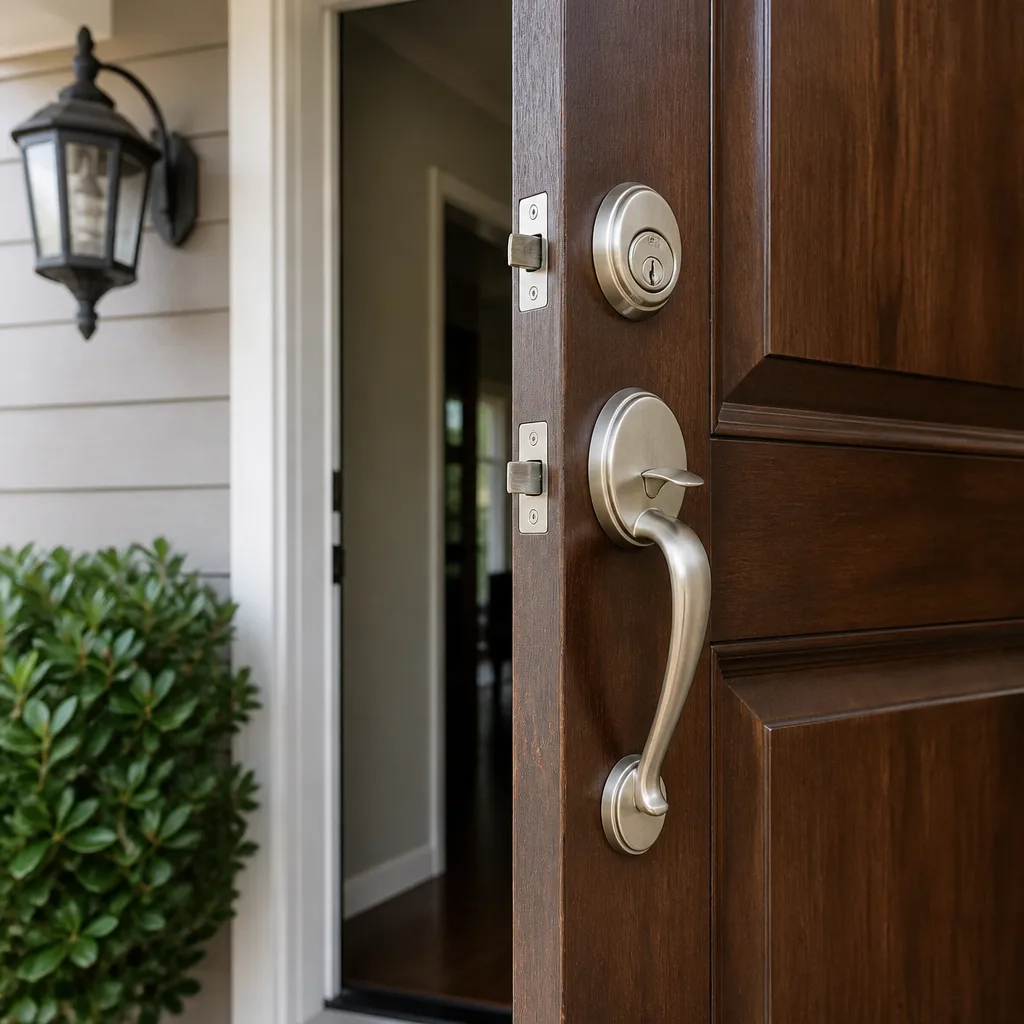
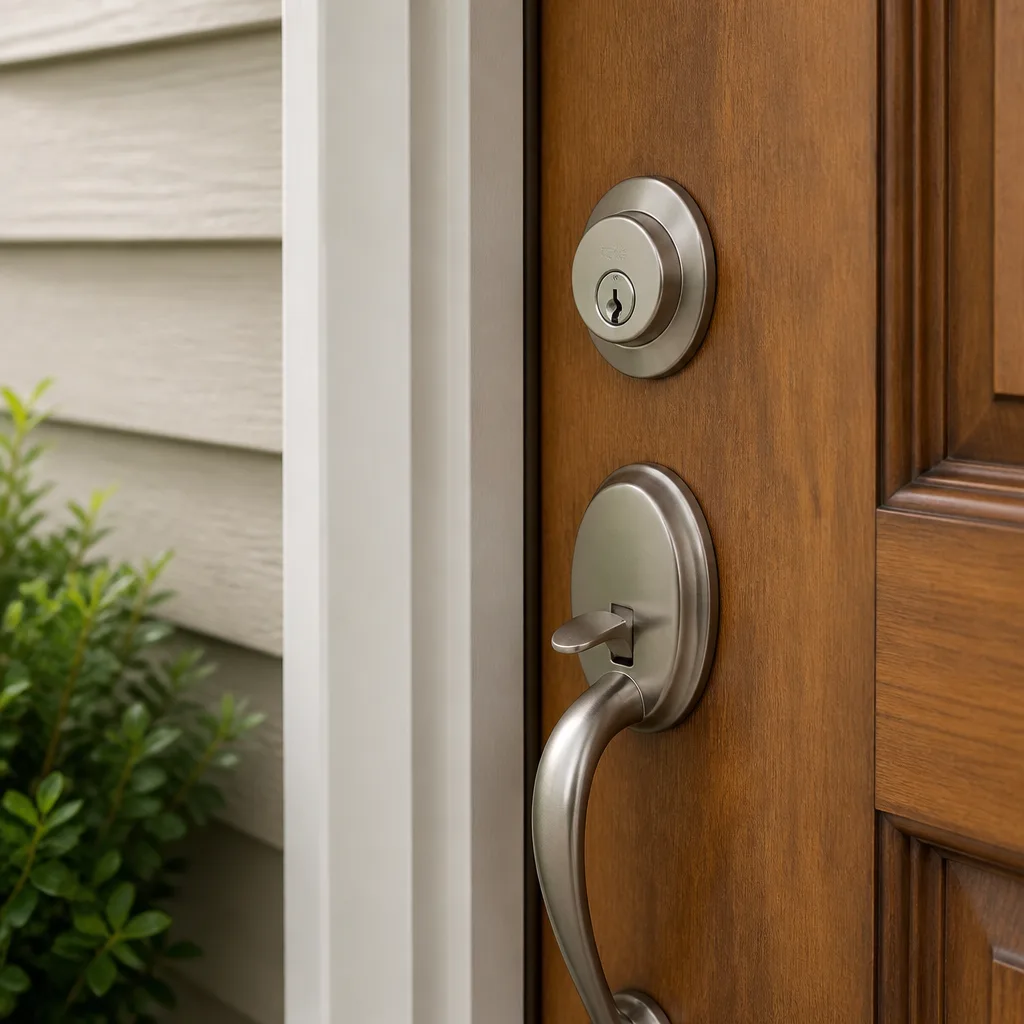
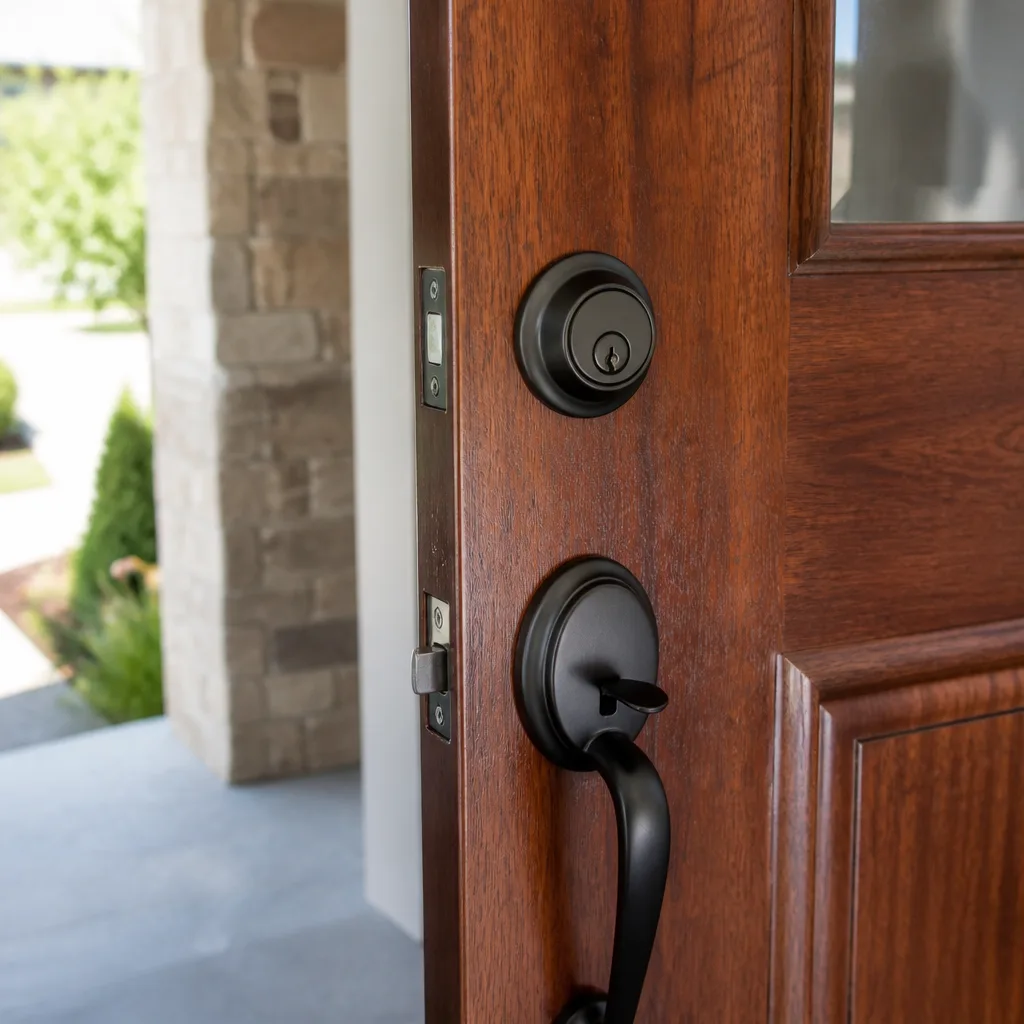
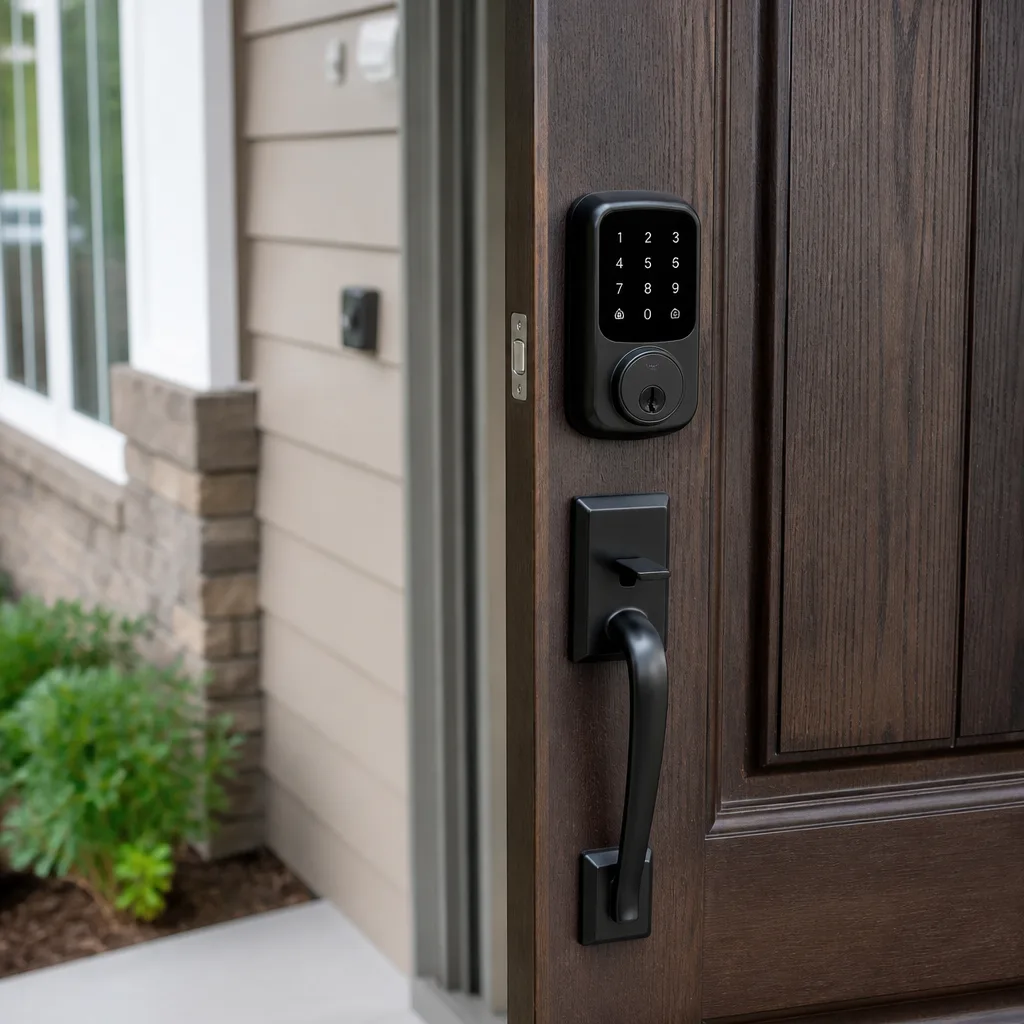
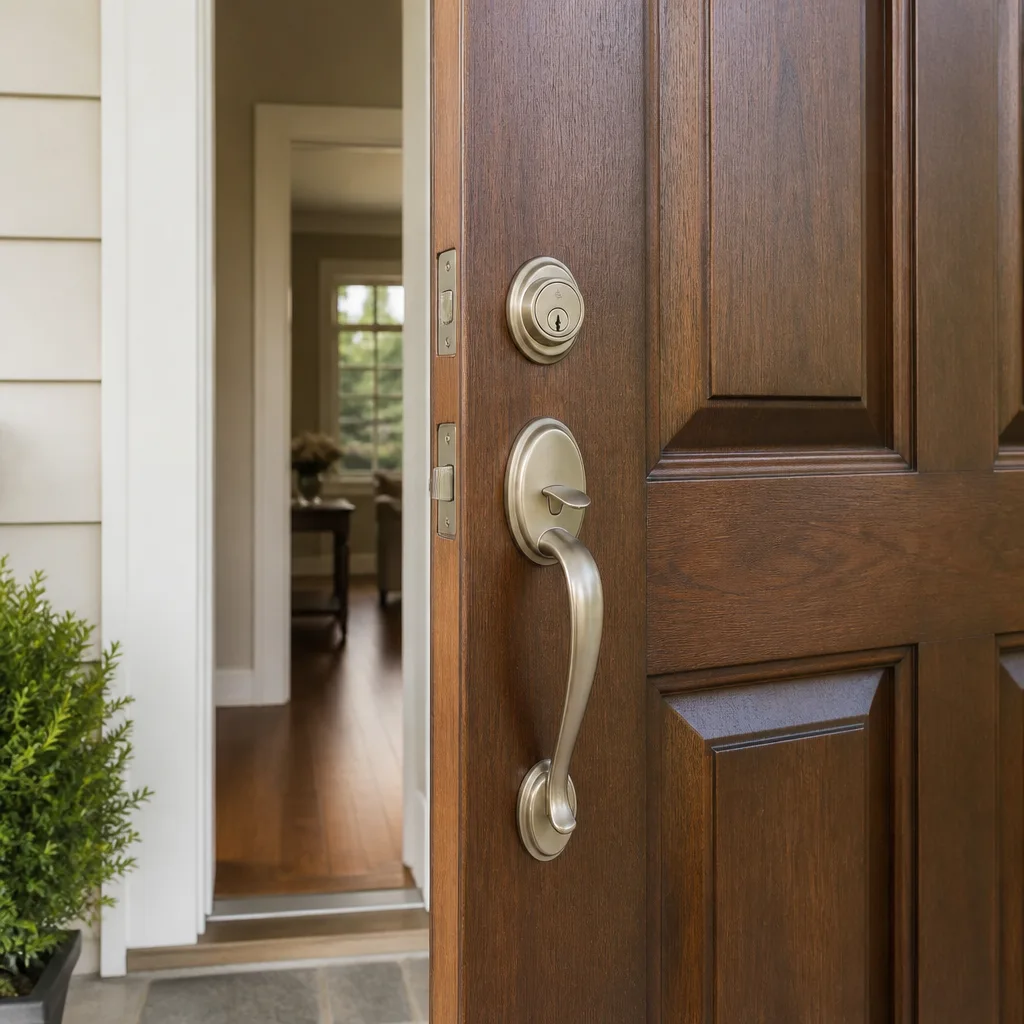
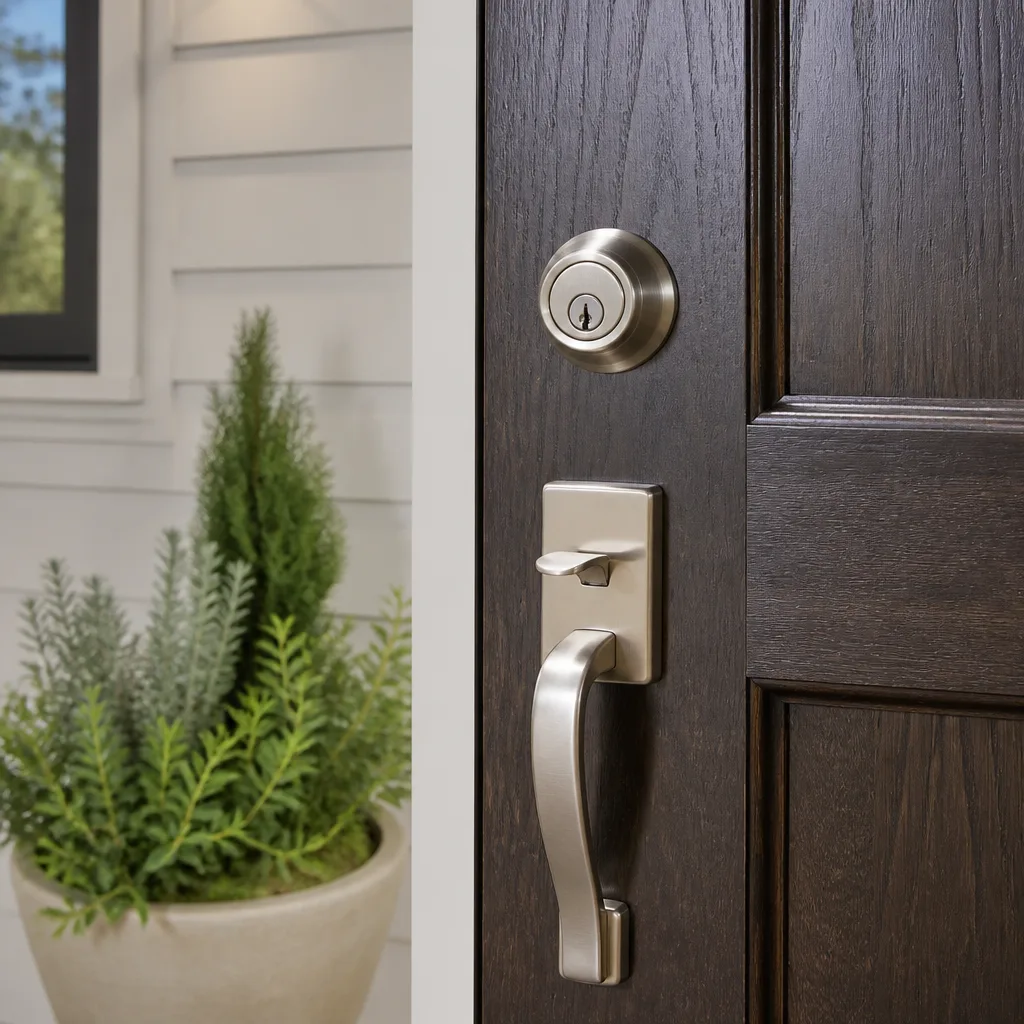
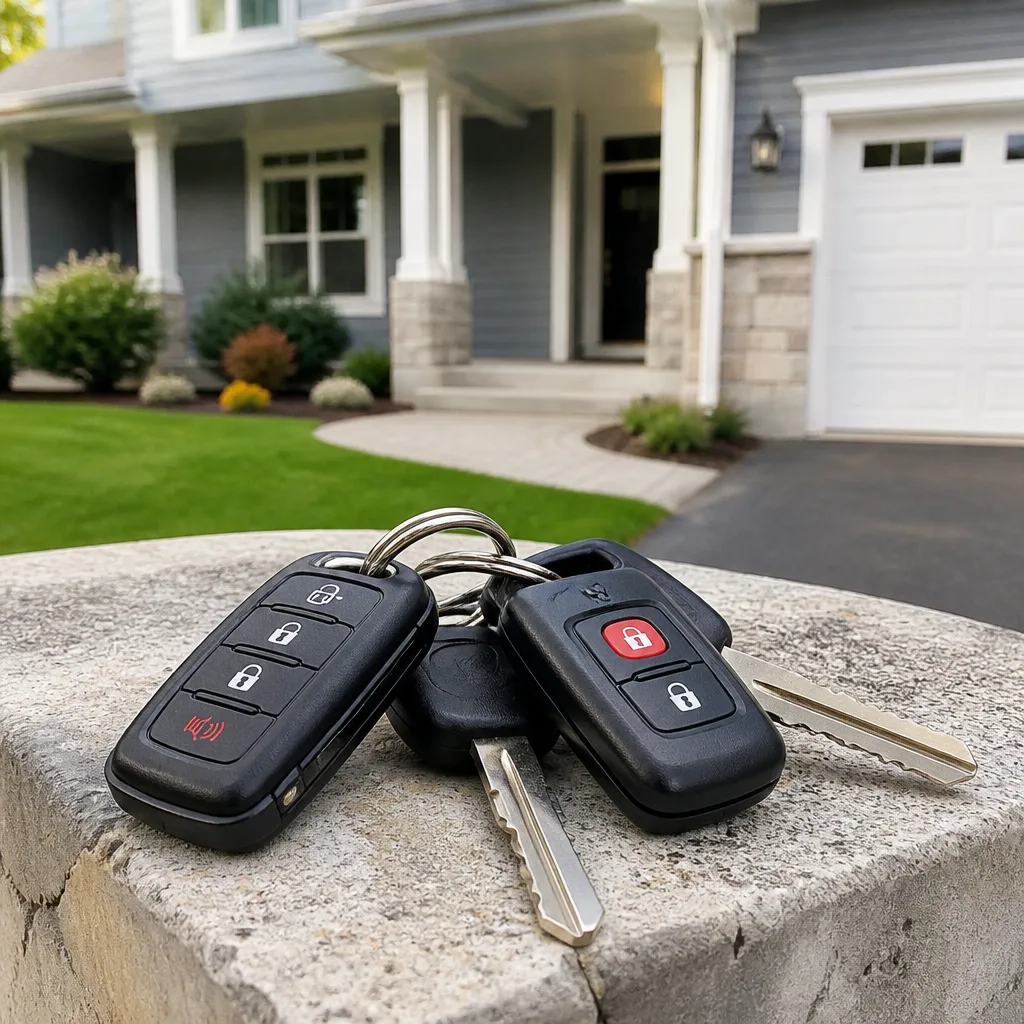
Door Lock Repair Troubleshooting: Common Problems and How to Fix Them
Here’s a number most Los Angeles homeowners never hear: roughly 70% of the door lock repairs we get called for could have been solved at home in under ten minutes. The problem is rarely the lock itself. It’s usually something simpler: a misaligned strike plate, a worn key, or years of gunk built up inside the cylinder. But there’s a catch. The single most common DIY mistake we see in LA apartments and houses is spraying WD-40 into a sticky lock. That one decision turns what should be a $4 fix into a $150 cylinder replacement, because WD-40 attracts dust, gums up the springs, and causes more lock failures than actual wear and tear. This guide will teach you how to identify what’s actually wrong with your lock, which fixes you can safely do yourself, and which three symptoms mean you should stop and call a professional before the door stops opening entirely.
Quick Answer
Most door lock problems come down to four root causes: mechanical wear, misalignment between the latch and strike plate, lubrication failure, or key damage. Diagnostic tests for each take under five minutes. The fixes range from a $4 tube of graphite to a full cylinder replacement around $150 to $400, depending on your hardware. If your key turns but won’t retract the latch, the problem is mechanical and needs a pro-see our guide on Door Lock Repair Warning Signs Every Homeowner Should Know. If the key won’t insert smoothly or feels gritty, it’s usually lubrication. If the door latches fine when open but not when closed, you have a strike plate misalignment.
Table of Contents
- The Four Root Causes of Door Lock Failure
- Problem 1: Lubrication Failure (the WD-40 mistake)
- Problem 2: Strike Plate Misalignment
- Problem 3: Key Damage and Incorrect Cuts
- Problem 4: Mechanical Wear and Spring Fatigue
- Mortise Cylinders on Older Los Angeles Buildings
- Commercial-Grade Locks: Deadbolts, Medeco, and Schlage
- Common Mistakes to Avoid
- When to Call a Professional
- Frequently Asked Questions
- The Bottom Line
The Four Root Causes of Door Lock Failure
Every lock problem we’ve diagnosed across Los Angeles, from Silver Lake bungalows to downtown office suites, traces back to one of four underlying issues. Once you know which one you’re dealing with, you stop chasing the wrong fix and save yourself hours of frustration. Here’s the framework we use on every service call.
Mechanical wear is what happens when moving parts inside the cylinder or latch physically degrade. Springs lose tension. Brass components round off. Tolerances open up. This shows up as a key that turns freely but doesn’t engage, or a thumb turn that spins without retracting the bolt. Mechanical wear is not fixable with spray or a new key. It requires replacement of the worn component.
Misalignment is the relationship problem between the latch or deadbolt and the strike plate in the door frame. Wood frames shift with moisture and temperature changes, which in Los Angeles means summer heat and winter rain can move a door enough that the latch no longer lines up. The symptom: the lock works fine when the door is open, but the door won’t latch or the deadbolt binds when closed.
Lubrication failure is the most common and most misdiagnosed. Locks need dry lubrication, not wet spray. When pins and springs get gummy, the key is hard to insert, the cylinder feels gritty, and the key may not return to the neutral position after turning. This is also the category where homeowners do the most damage with improper products.
Key damage is exactly what it sounds like. Keys wear down over years of daily use. The cuts get rounded. The tip chips. The material thins. A worn key will work inconsistently, sometimes needing a wiggle or a specific insertion angle to turn. Duplicate keys cut from a worn original inherit the problems, which is why a “new” key can fail just as badly as the old one.
These categories don’t work in isolation. A misaligned door puts stress on internal components, which accelerates mechanical wear. A gummy cylinder makes you force the key, which damages the key. Your job in troubleshooting is to figure out which root cause is primary, because that determines the fix.
Problem 1: Lubrication Failure (the WD-40 mistake)
The most common phone call we get at Preston Locksmith & Security home starts with someone saying “my lock was sticking, so I sprayed it with WD-40, and now it’s worse.” The reason is mechanical and predictable. WD-40 is a penetrating oil and water displacer. It’s great for loosening rusted bolts and cleaning metal surfaces. It is not a lock lubricant. When you spray it into a lock cylinder, it initially softens the old gunk inside and makes things feel better for about a week. Then the light oil evaporates, leaving a sticky residue behind. Dust from the air, especially in dry Los Angeles summers, gets trapped in that residue. The gunk builds up thicker than before. The pin springs lose their ability to rebound cleanly. You’ve now turned a minor issue into a cylinder that binds on every turn.
The correct lubricant for most residential locks is dry graphite powder or a Teflon-based dry lubricant. Graphite has been the standard for pin tumbler cylinders for over a century. It’s a dry powder that coats the pins and the keyway without attracting dust. Teflon, sold in aerosol cans labeled “dry lubricant” or “PTFE lubricant,” works similarly and is easier to apply without making a mess. Both of these products evaporate their carrier quickly and leave a clean, dry film.
Here’s the test for lubrication failure:
- Insert your key slowly and feel for resistance. A gritty or sandy sensation means debris in the cylinder.
- Turn the key to 45 degrees and let go. If it stays put instead of springing back to center, the springs are gunked up.
- Remove the key and look at it. If there’s black sludge on the blade, someone has used the wrong lubricant.
If you’ve confirmed lubrication failure and have not yet sprayed anything into the lock, buy a tube of powdered graphite from any hardware store. It costs around $4 to $8. Puff a small amount into the keyway, insert the key, and work it in and out about twenty times. The graphite will distribute through the pin chambers. Most locks in Los Angeles respond to this immediately. If the lock still binds after graphite, the problem has progressed past lubrication and into mechanical wear, which means the cylinder needs a professional rebuild.
One warning from our experience: if someone has already sprayed WD-40 or any wet aerosol into the lock, do not add graphite on top. The graphite mixes with the oil and forms a dark paste that hardens over time. In that case, the cylinder needs to be removed, flushed with a solvent, and re-lubricated. That’s a job for a locksmith with a bench setup, not something to attempt in the field with the cylinder still in the door.
Problem 2: Strike Plate Misalignment
Your door locks work perfectly when the door is open. The latch retracts and extends smoothly. The deadbolt throws without resistance. But when you close the door, the latch hits the edge of the strike plate hole, or the deadbolt only throws halfway. That’s not a lock problem. That’s a door alignment problem, and it’s the single most common issue we see in older Los Angeles neighborhoods where foundations settle and door frames shift seasonally.
In a city with as much construction variety as Los Angeles, houses built in the 1920s through the 1980s often have door frames that were never fully square to begin with. Add decades of settling and you get doors that drift out of alignment by a few millimeters. A few millimeters is all it takes. The latch bolt needs a clear opening roughly 1 inch tall and 5/8 inch wide, and if the strike plate hole is off by even 1/8 inch, the latch won’t seat.
Here’s the 5-minute diagnostic:
- Close the door and try to latch it. Note whether the latch hits the top, bottom, or sides of the strike plate hole.
- Look at the strike plate itself. You’ll see wear marks or metal scoring where the latch is hitting.
- Gently lift or press the door while trying the latch. If shifting the door in any direction lets the latch seat, you have confirmed misalignment.
- Check the door hinges. If the top hinge screws are loose, the door sags at an angle. Tighten all hinge screws first, because this fixes more than half of alignment issues without touching the strike plate.
If tightening hinges doesn’t solve it, the fix is to adjust the strike plate position or enlarge the strike plate opening slightly. A strike plate relocation on a standard residential door typically runs $60 to $150 when done by a locksmith. You can DIY this with a metal file and about thirty minutes, but if you take too much material off the plate, the door will rattle and you’ll need a new plate anyway. In our experience, filing down the plate is worth trying only when the misalignment is under 1/8 inch. Anything more than that and the plate should be repositioned properly.
Los Angeles renters should check their lease before modifying any door hardware. Many landlords in neighborhoods like Koreatown and West Hollywood have specific clauses about tenant-performed repairs, and a poorly filed strike plate can come out of your deposit. When in doubt, ask the building manager or call a professional.
Problem 3: Key Damage and Incorrect Cuts
Keys are precision-cut pieces of metal. The cuts on a standard Schlage or Kwikset key are machined to tolerances of 0.0015 inch in professional key-cutting machines. That’s about one-sixth the thickness of a human hair. But keys wear down with daily use. The brass or nickel-silver softens. The cuts round over. The tip chips on the lock face when you miss the keyway in the dark. The result is a key that works intermittently: it might need a jiggle, or it only works when fully inserted and pulled back slightly, or it works in one lock but not another on the same key ring.
A worn key is a $3 to $8 fix at any Los Angeles hardware store or locksmith. The key code is stamped on the back of many Schlage keys and most Kwikset keys, and a locksmith can cut a fresh key from that code instead of duplicating the worn original. That’s the important distinction. Duplicating a worn key copies the wear. Cutting from the code restores the key to factory specification.
Here’s how to tell if your key is the problem:
- Compare your key to a spare that hasn’t been used. If the working key looks visibly thinner or the cuts look shallower, it’s worn.
- Try the suspect key in a different lock that uses the same key, if one exists. If the problem follows the key, the key is the issue.
- Try the spare key in the problematic lock. If the spare works smoothly, you’ve isolated the problem to the worn key.
Incorrectly cut keys are a different animal. Big-box hardware stores use self-service key duplication machines that often cut duplicates within a tolerance range. If you get a key cut at a machine that hasn’t been calibrated recently, the cuts can be off by a few thousandths of an inch, which is enough to make the key stick or fail to turn. If you’ve had a key duplicated recently and the new key doesn’t work, don’t force it. Forcing a bad key can break it off inside the cylinder, which converts a $5 problem into a $150 to $250 broken key extraction. Take the key back to the store, or have a locksmith cut it from the original code. For high-security keys from brands like Medeco or Mul-T-Lock, code cutting is the only option, because there’s no standard blank available at retail stores, and each key came from the factory as a controlled duplication.
Problem 4: Mechanical Wear and Spring Fatigue
Every lock has a service life. Entry locksets and deadbolts from Schlage and Kwikset are built to handle roughly 100,000 to 200,000 cycles, which translates to 8 to 15 years of daily use in a typical Los Angeles household. Commercial locks from Abloy and Medeco are rated higher, but they still wear eventually. When a lock reaches the end of its mechanical life, no amount of graphite or key replacement will bring it back.
Symptoms of mechanical wear:
- The key turns but the latch doesn’t retract, or retracts weakly.
- The thumb turn spins freely without moving the deadbolt.
- You can hear a rattle inside the lock when you shake the door.
- The key works intermittently with no pattern: fine in the morning, stuck at night.
- You have to pull the door toward you hard to get the lock to throw at all.
These failures happen in specific locations. The tailpiece, which connects the cylinder to the latch mechanism, can round off or snap. The latch bolt return spring can break, leaving the latch stuck in the retracted position. The pin springs inside the cylinder can weaken, which causes key insertion resistance that comes and goes. On mortise locks found in older Los Angeles apartment buildings, the internal levers and springs wear out and the whole lock body needs to be replaced, which runs $200 to $450 for a standard mortise lockset.
Here’s the test for mechanical wear versus lubrication:
- Lubricate the cylinder properly with dry graphite and see if the behavior changes. If the key turns smoother but the latch still won’t move, the problem is in the latch or tailpiece, not the cylinder.
- Remove the thumb turn from the inside of the lock (usually two screws) and check whether it engages the tailpiece properly. If the tailpiece is rounded, replace it. A tailpiece costs $5 to $15 at any lock shop.
- Test the latch by hand with the door open. Press the latch bolt in and let go. It should spring back forcefully. If it’s sluggish or doesn’t return, the latch spring is shot.
Mechanical wear is where the DIY route ends for most people. Rebuilding a cylinder requires removing it from the door, disassembling it, replacing the worn parts, and re-pinning if you want your existing key to still work. That’s a bench job. We do this daily at Door Lock Repair in Los Angeles, and the typical cylinder rebuild runs $75 to $150 per cylinder, including labor and replacement parts. A full lockset replacement, if the hardware itself is worn to the point of no return, runs $150 to $400 depending on the grade of the new lockset and whether it’s a straightforward swap.
Mortise Cylinders on Older Los Angeles Buildings
If you live in an apartment or condo building in Los Angeles that was built before 1960, you probably have a mortise lock. These are the heavier, rectangular lock bodies that slide into a pocket mortised into the edge of the door. They’re common in neighborhoods like Hancock Park, Miracle Mile, and the older sections of Pasadena and Long Beach. Mortise locks use a separate cylinder, usually with a threaded collar, and the mortise lock body has an internal deadbolt, a latch, and a stop button all in one unit.
Troubleshooting mortise locks is different from cylindrical locks for one reason: the cylinder and the lock body are separate components. You can have a working cylinder and a dead lock body, or vice versa. Here’s how to isolate which is failing:
- Remove the set screw from the side of the door that holds the cylinder in place. Turn the cylinder counterclockwise to unscrew it from the lock body.
- With the cylinder out, look at the back of it. You’ll see a cam at the back. The cam is the piece that actually moves the deadbolt. If the cam is worn, rounded, or cracked, the cylinder needs a new cam or full replacement.
- Operate the thumb turn on the inside of the lock body while the cylinder is out. If the deadbolt throws smoothly, the lock body is fine and the cylinder is the culprit.
- If the deadbolt binds even with no cylinder in place, the lock body has internal wear and needs rebuilding or replacement.
Mortise lock repair in Los Angeles runs higher than standard cylindrical repair because the parts are more expensive and fewer technicians stock them. A mortise cylinder replacement with rekey typically runs $120 to $250. A full mortise lock body replacement runs $200 to $450, including labor. Buildings with strict historical preservation requirements, common in Los Angeles, may require matching the original hardware finish and style, which constrains your options and raises the part cost.
Commercial-Grade Locks: Deadbolts, Medeco, and Schlage
Small-business owners in Los Angeles face a different troubleshooting landscape than homeowners. Commercial locks are built to a higher duty cycle, but they get used by more people, which introduces different failure patterns. A storefront deadbolt that gets opened 40 times a day by multiple employees is under far more stress than a residential deadbolt that gets used twice a day by one family.
Commercial-grade Schlage and Medeco cylinders are designed to resist picking and drilling, which means the internal tolerances are tighter. Over time, especially in dusty retail environments or beachfront properties with salt air, the tight tolerances work against you. Debris in the keyway causes more rapid wear. The fix is the same as residential: dry lubrication on a schedule, usually every 90 days for a commercial lock. We recommend graphite applied quarterly for high-traffic storefront deadbolts. It’s a 2-minute task per lock that prevents most commercial lock failures.
For commercial operators, the key question is not “can I fix this myself?” but “what happens if this lock fails during business hours?” A deadbolt that fails in the locked position during a rush at a retail counter is a revenue emergency. A deadbolt that fails in the unlocked position overnight is a security incident. That’s why commercial troubleshooting has a shorter leash than residential. If a commercial lock shows inconsistent behavior, replace it immediately. A commercial-grade deadbolt replacement from Commercial Locksmith in Los Angeles runs $150 to $350 depending on grade and cylinder type, and for a business that’s open 12 hours a day, the cost is trivial compared to the cost of being unable to secure or access the premises.
Common Mistakes to Avoid
- Using WD-40 on any lock. It displaces water and leaves a residue that attracts dust. In Los Angeles, where summer air is dry and dusty, this residue hardens into a paste inside the cylinder within months. Use dry graphite or Teflon instead.
- Forcing a stuck key. A key that won’t turn should never be forced with pliers, a hammer, or extra torque. Forcing a stuck key snaps the blade off inside the cylinder, which requires a $150 to $250 extraction. If the key doesn’t turn easily, stop.
- Duplicating a worn key instead of cutting from the code. Copying a worn key copies the wear. A fresh key cut from the factory code costs the same as a duplicate and works like the original lock did on day one.
- Filing the strike plate too aggressively. Enlarging the strike plate opening is a valid fix for minor misalignment, but if you remove too much material, the latch won’t seat and the door will rattle open with a firm push.
- Overtightening screws on the lockset. Schlage and Kwikset cylindrical locksets are designed for screws torqued to roughly 10 inch-pounds. Overtightening warps the rose plates and causes the latch mechanism to bind.
- Ignoring a sticky deadbolt on a rental unit in Los Angeles. Tenants have specific rights around lock security under California Civil Code 1941.3, but the landlord is not required to fix a lock until you request it in writing. If you’re renting and the deadbolt is getting stiff, document it and report it before it fails completely.
- Mixing lubricants on a lock that already has oil in it. Adding graphite to a lock that’s already been sprayed with oil creates a cement-like paste. The cylinder needs to be removed and flushed before it’s lubricated again.
When to Call a Professional
Three symptoms mean you should stop troubleshooting immediately and call a locksmith: a key that turns but won’t retract the latch, a deadbolt that won’t throw or won’t retract even with a properly cut key, and any lock on a door that’s your only exit from the property. The first two indicate mechanical failure inside the lock body or tailpiece, which no amount of lubricant or keywork will fix. The third is a safety issue that cannot wait. If your only exit door won’t open, you need a technician now, not after a weekend of watching YouTube tutorials. Preston Locksmith & Security offers free estimates in Los Angeles. Call (409) 405-4485 and a live person will answer, 24/7.
Frequently Asked Questions
Most door lock repairs in Los Angeles run between $75 and $350 depending on the nature of the failure. Lubrication service and minor adjustments run $75 to $120. Cylinder rebuilds and rekeys run $120 to $250. Full lockset replacements run $150 to $400. We give you a written price before any work starts, so the number you’re quoted is the number on the invoice. Call (409) 405-4485 for an exact quote.
Use dry graphite powder or a Teflon-based (PTFE) dry lubricant for pin tumbler locks. Both cost under $10 at any hardware store in Los Angeles. Do not use WD-40, motor oil, silicone spray, or any wet lubricant. Wet lubricants leave a residue that attracts dust and eventually makes the lock bind worse than before.
If the key turns but the latch doesn’t retract, the problem is in the tailpiece or the latch mechanism, not the cylinder. The tailpiece is the metal bar that connects the cylinder to the latch. It may have rounded off or snapped. This is a mechanical failure that requires replacing the worn part. A locksmith can diagnose and fix this in about 20 minutes. Pricing typically starts at $75 for parts and labor.
If the lock body is physically intact, not rusted, and the only issue is internal wear, a cylinder rebuild or rekey is usually sufficient. If the lock body is cracked, severely worn, or more than 15 years old in a high-use application, replacement makes more sense than repair. The good news: even when you replace a lockset, a locksmith can rekey the new lock to match your existing key so you don’t need to carry extra keys. This is a standard part of our Rekey Locks in Los Angeles service.
Lubrication with dry graphite, tightening hinge screws, and replacing a visibly worn key are all reasonable DIY tasks. Cylinder disassembly, spring replacement, tailpiece replacement, and strike plate repositioning are not. A botched cylinder repair can leave the lock binding harder than before, or worse, locked in a way that requires destructive removal. For anything beyond lubrication and key replacement, a professional repair is worth the cost. Explore our more guides & resources for additional DIY tips.
A sticky lock with a fresh key almost always means debris inside the cylinder or worn pin springs. The fix depends on the cause. If the cylinder has never been lubricated properly, start with dry graphite. If that doesn’t resolve it within a day, the pin springs are likely worn and the cylinder needs a rebuild. A cylinder rebuild with rekey in Los Angeles typically runs $120 to $250, which is cheaper than replacing the whole lockset and keeps your door hardware matching.
The Bottom Line
Door lock troubleshooting is about isolating the root cause before spending money on the wrong fix. Lubrication failure is the most common problem and the easiest to solve, but only with the right product. Misalignment shows up as a door that works open and fails closed, and tightening hinges resolves more than half of those cases. Worn keys get replaced from the code, not duplicated from the worn original. Mechanical wear requires a professional rebuild, and forcing a failing lock only raises the repair cost. When the problem goes beyond cleaning and key replacement, call (409) 405-4485 for a free estimate and a written price before any work begins.
Written by Kevin Yoon, Owner at Preston Locksmith & Security, serving Los Angeles since 2008.