
Last updated October 9, 2026
Non-destructive entry first, always - and we re-key Schlage, Kwikset, and Baldwin locks on the spot while you watch
You get a price before we start. It does not change when we arrive. No surprises.
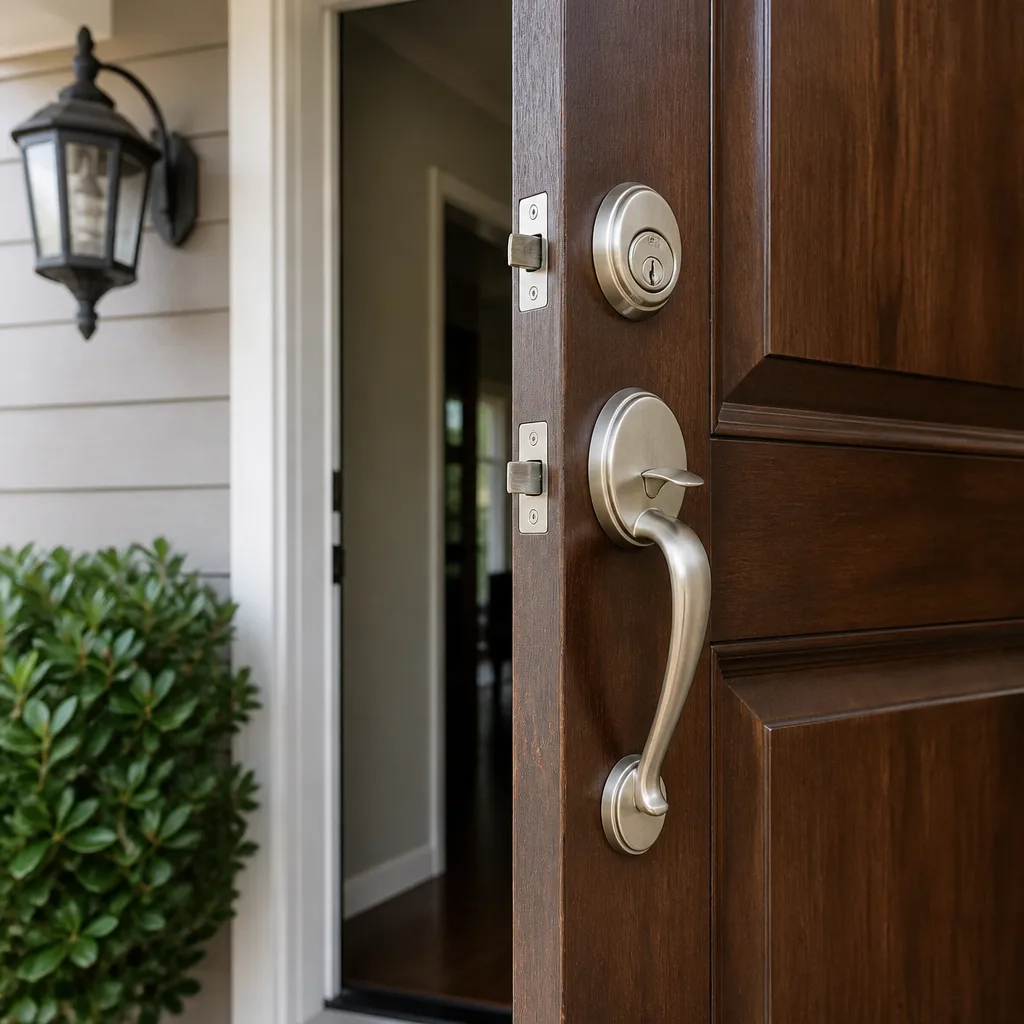
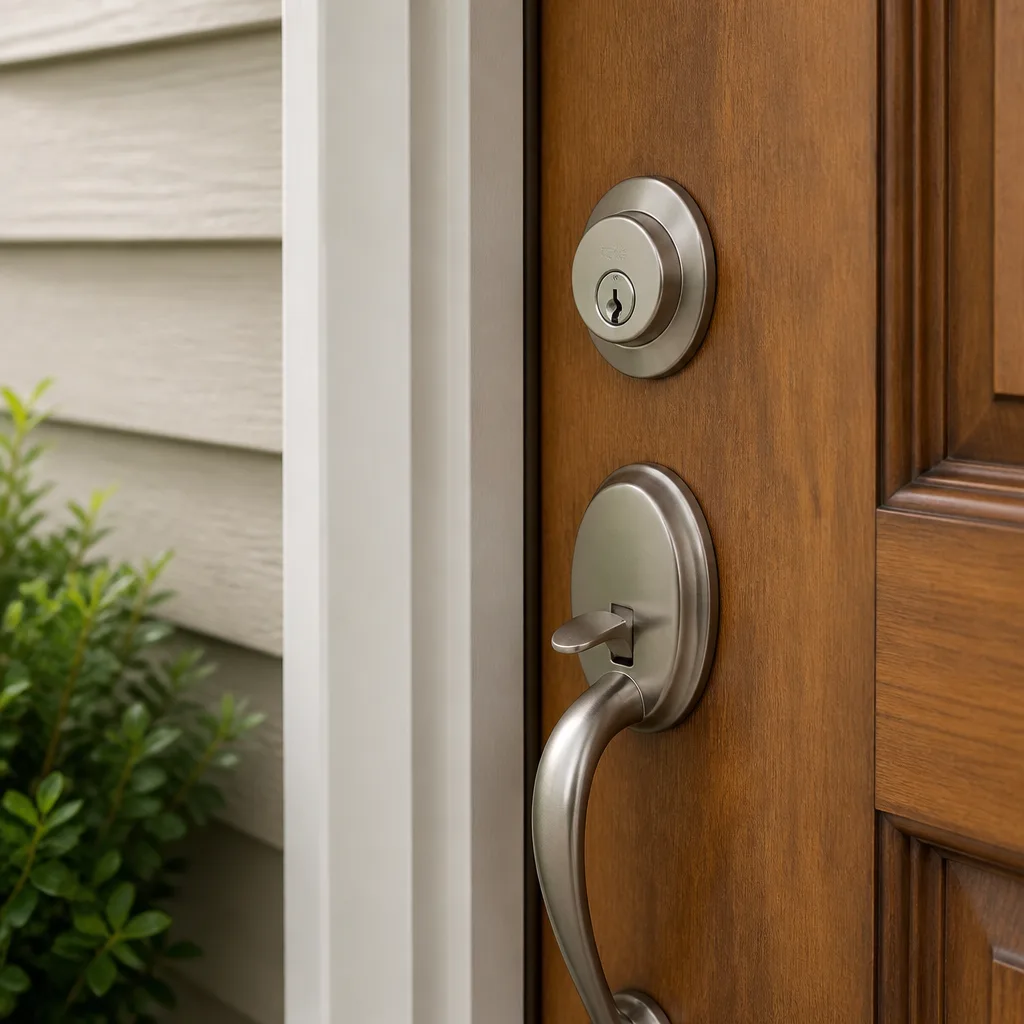
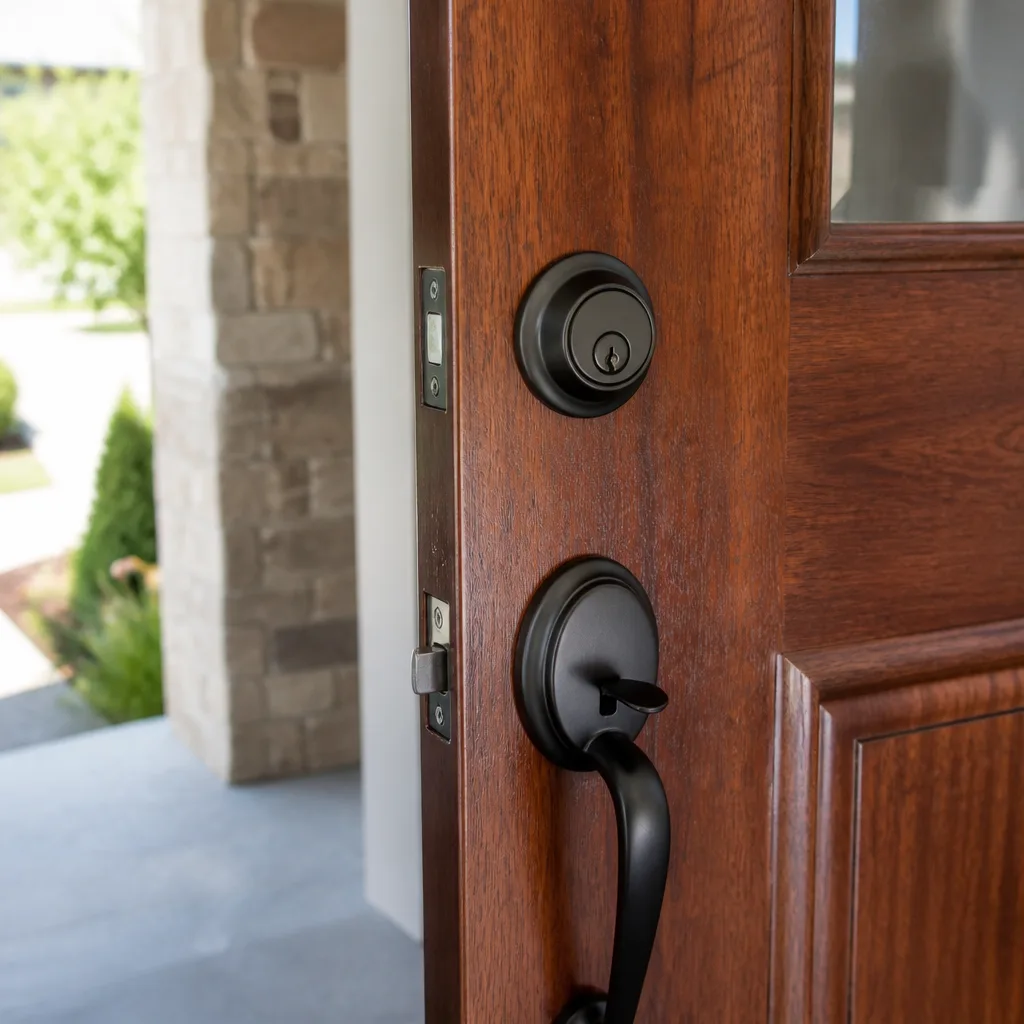
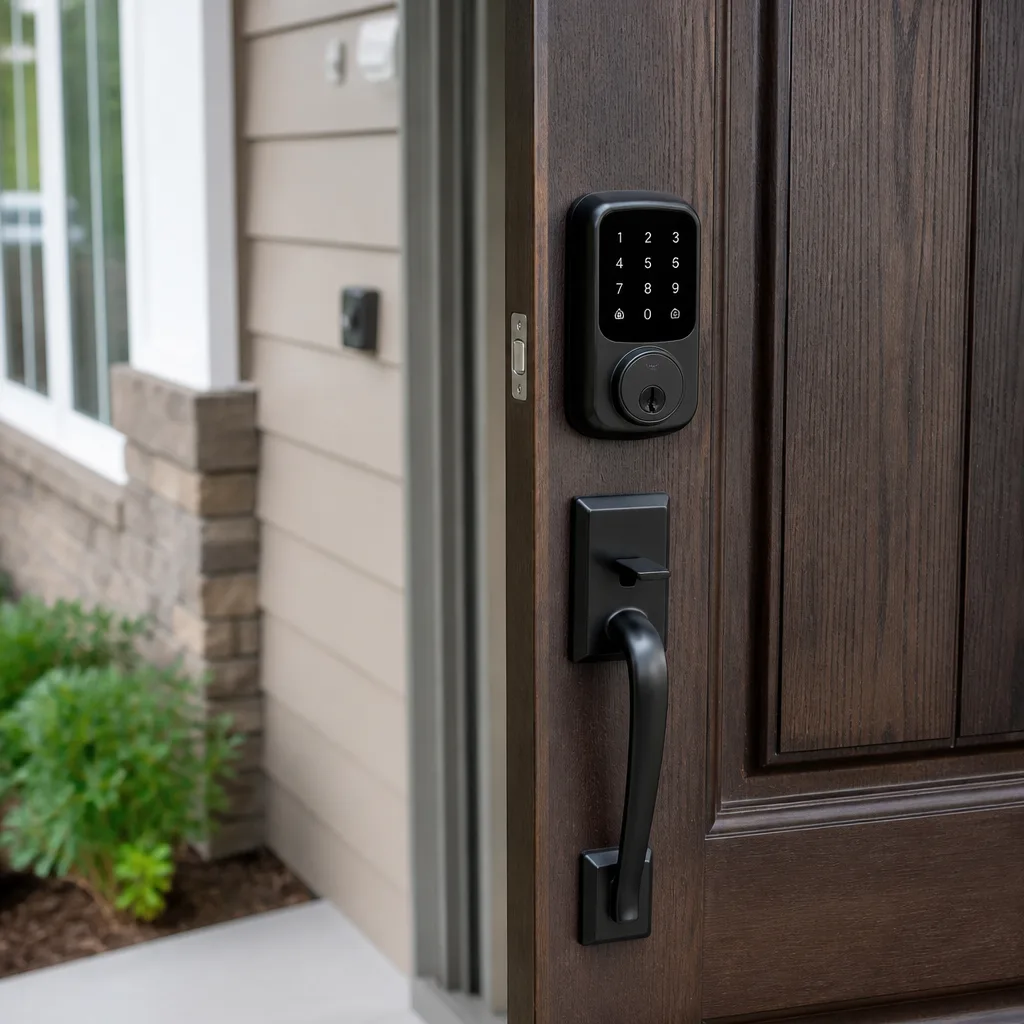
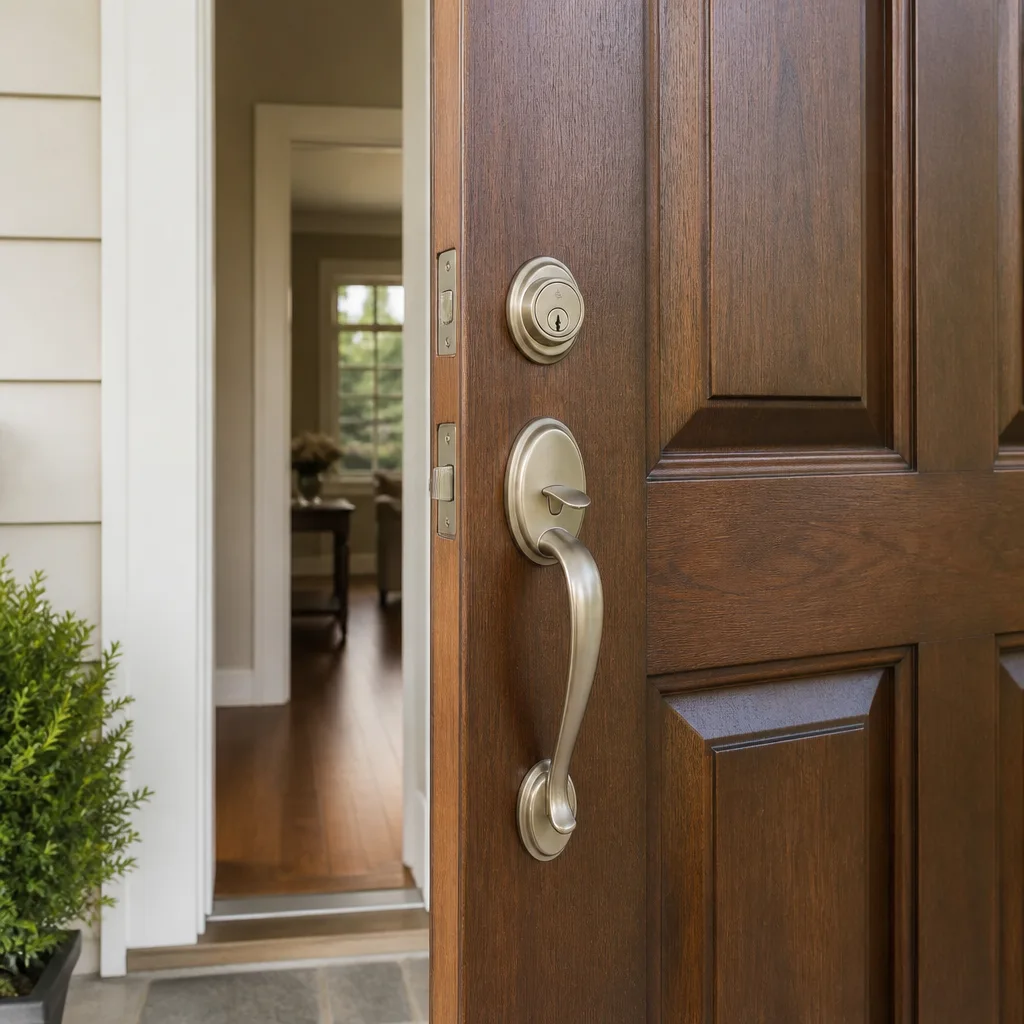
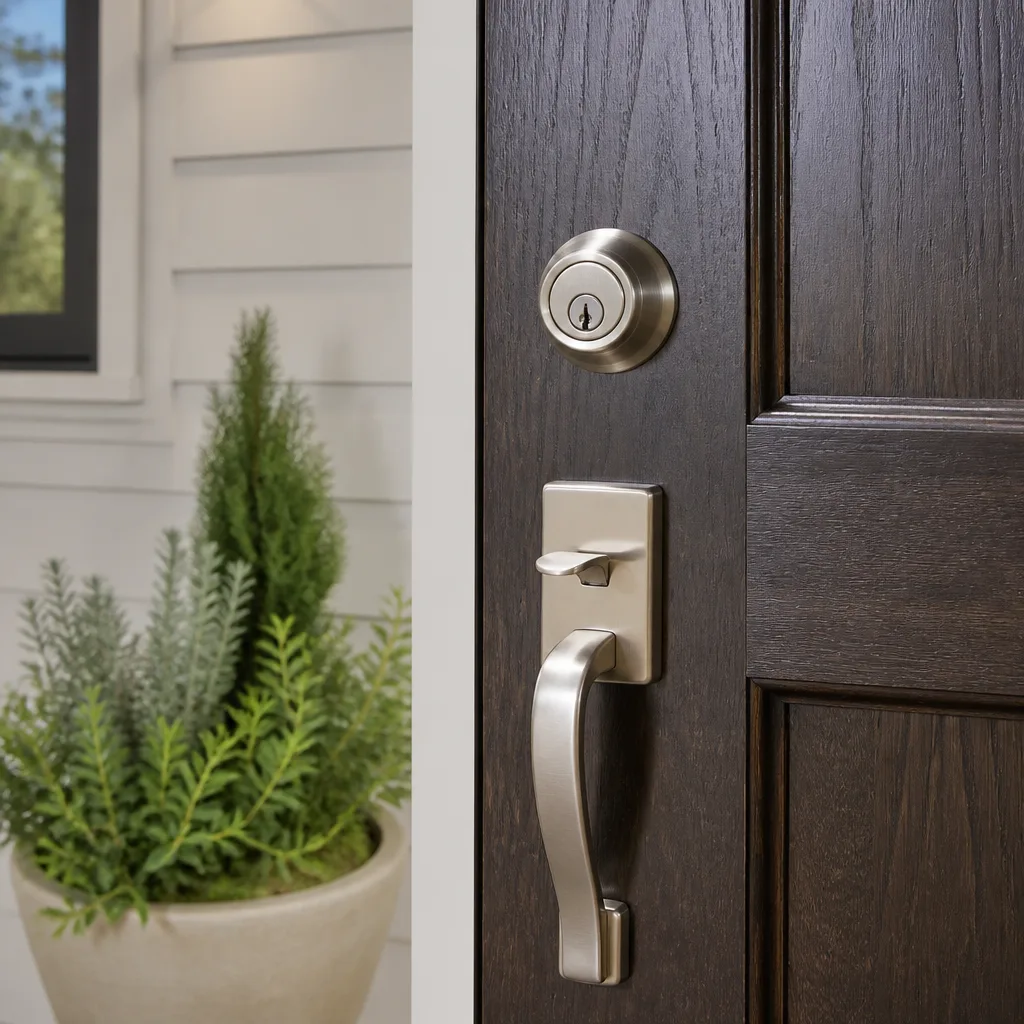
Door Lock Repair Maintenance Schedule: What to Do and When
The average homeowner changes their car’s oil every 5,000 miles, rotates tires on a schedule, and replaces air filters before they clog. That same homeowner has never once lubricated a deadbolt. In Los Angeles, where dry air and coastal salt affect metal hardware differently from neighborhood to neighborhood, locks fail at predictable intervals based almost entirely on neglect. A 20-minute annual routine, done correctly, can stretch a standard residential lockset from a 5-year lifespan to well past a decade. This guide covers exactly what to check, when to check it, what products to use, and how to document everything. You won’t need to call anyone for most of this, and you’ll know precisely when you should call a professional for door lock repair.
Quick Answer
A door lock maintenance schedule means lubricating cylinders twice a year, tightening visible screws quarterly, cleaning strike plates annually, and testing alignment every six months. Down here in Los Angeles, do it in April and October to offset summer dust and winter rain. Total time invested: 20 minutes per door per year.
Table of Contents
- The Four Components That Actually Wear Out
- The Lubrication Schedule: What to Use and What to Avoid
- Quarterly Checks: Screws, Play, and Alignment
- The Annual Deep Inspection
- A Seasonal Maintenance Calendar for Los Angeles Homes
- Event-Based Maintenance: Storms, Break-In Attempts, and New Keys
- The Maintenance Log Template (and Why It Matters)
- Common Mistakes to Avoid
- When to Call a Professional
- Frequently Asked Questions
The Four Components That Actually Wear Out
Every door lock, from a $30 Kwikset to a $300 Baldwin, has exactly four failure points. Everything else is cosmetic. When we get called out to door lock repair in Los Angeles, the problem is almost always one of these four things, regardless of the brand on the faceplate.
The cylinder is the part your key slides into. Inside are five or six spring-loaded pins. Over time, fine dust from LA’s dry air works into those pin chambers and acts like sandpaper. The key starts feeling gritty. You might have to jiggle it. That’s the cylinder telling you it needs cleaning and lubrication before it seizes completely.
The latch is the angled piece that retracts when you turn the handle. It takes the most physical abuse of any component. Every time a door slams, that latch absorbs the impact. A worn latch makes a door feel loose even when the handle is tight.
The strike plate is the metal plate screwed into the door frame. When alignment drifts, the latch scrapes against the plate edge instead of sliding in cleanly. That scraping is metal-on-metal friction, and it accelerates wear on both parts.
The screws holding everything together. In Los Angeles, where wood frames expand and contract with humidity shifts between summer and winter, screws back out slowly. A single loose screw on a strike plate can make a perfectly good lock feel broken.
That’s the entire list. Four components. Your maintenance schedule exists to keep these four parts clean, aligned, lubricated, and tight.
The Lubrication Schedule: What to Use and What to Avoid
Here’s the most expensive mistake homeowners make: using WD-40 on a lock cylinder. WD-40 is a solvent, not a lubricant. It dissolves the existing grease, flushes out debris, and then evaporates, leaving the cylinder drier than before. A month later the lock is worse. We see this constantly across Los Angeles apartment buildings and single-family homes alike.
What actually works is a dry graphite powder or a PTFE-based lubricant like Tri-Flow or Houdini. Houdini is the industry standard for locksmiths. It cleans and lubricates in one step, and it leaves a protective film that doesn’t attract dust. Graphite powder works fine but makes a mess and shouldn’t be combined with any wet lubricant already in the cylinder.
The schedule:
- April: lubricate every exterior door cylinder and latch
- October: lubricate again, plus every interior lock that gets daily use
- After any heavy rain or Santa Ana wind event: re-lubricate exterior locks within a week
To apply: insert the straw nozzle into the keyway, give it a one-second burst, insert and remove the key five or six times, then wipe the key clean. That’s it. For the latch, spray a small amount directly on the latch bolt and work it in and out with the handle ten times.
For mortise locks, which we service regularly on older Hollywood and West Adams homes as well as on commercial doors, the process differs. Mortise cassettes need the faceplate removed to lubricate internal springs and levers properly. That’s a job we recommend a professional handle, especially on a Mult-T-Lock or Sargent mortise body, as covered in our door lock repair troubleshooting guide: common problems and how to fix them.
Quarterly Checks: Screws, Play, and Alignment
Set a calendar reminder for January, April, July, and October. Each check takes under five minutes per door.
Step 1: Tighten every visible screw. On the handle, the deadbolt faceplate, the strike plate on the frame, and the hinges. Use a screwdriver, not a drill. You want them snug, not stripped. If a screw spins without tightening, that’s a stripped hole, and it won’t fix itself. A toothpick and wood glue work as a temporary fix, but the proper repair is a longer screw that bites into the actual frame stud behind the jamb.
Step 2: Check handle play. Grab the handle and pull toward you. It should move maybe 1/8 inch at most. If you’re getting a quarter inch or more of travel, the internal springs are wearing or the screws you just checked were already too far gone. Measure it with a ruler if you have to. Play over 1/8 inch means the handle is on borrowed time.
Step 3: Check deadbolt throw. Turn the deadbolt with the door open and watch the bolt. It should extend fully, smoothly, and without wobble. When it stops, push on it with your finger. A solid deadbolt won’t deflect at all. A worn deadbolt will move or flex. That’s a replacement indicator.
Step 4: Close the door and listen. Close it normally, then slow. Does the latch click into place cleanly, or does it scrape against the strike plate edge? Scraping means the door has shifted. You may need to adjust the hinge or file the strike plate opening slightly. Don’t ignore it – that scraping is shaving metal off your latch with every close.
The Annual Deep Inspection
Once a year, give every exterior door a deeper look. This is the 20-minute routine that catches failures before they strand you outside at 11 p.m.
What to look for, in order:
- Keyway condition. Shine a flashlight into the key slot. If you see built-up gray paste or the key doesn’t slide in smoothly, clean and lubricate now. If the key inserts only partially and stops hard, there may be a broken key fragment or damaged pin. Don’t force anything.
- Key wear. Lay your key on a flat surface. If the cuts look flattened or the shoulders are rounded, get a fresh copy cut from an original, not from the worn duplicate. In Los Angeles, dusty conditions accelerate key wear, which then transfers that wear to the cylinder pins.
- Weatherstripping contact. Run your hand along the door edge. Worn weatherstripping lets dust and moisture reach the latch mechanism. Replace it if it’s compressed flat. This is a bigger deal in LA than most people expect because Santa Ana winds push fine particles through every gap.
- Strike plate alignment. With the door closed and latched, look at the gap between the door edge and frame. It should be even from top to bottom. An uneven gap means the door has sagged. The fix is usually tightening or replacing hinge screws, not adjusting the strike plate.
- Finish condition. Corrosion on the visible hardware is cosmetic until it isn’t. On coastal LA properties in Venice, Playa del Rey, and San Pedro, salt air corrodes brass and chrome plating faster than inland neighborhoods like Sherman Oaks or Pasadena. Once the plating fails, the underlying metal can pit, and that roughness eventually affects moving parts inside the lock body.
A Seasonal Maintenance Calendar for Los Angeles Homes
Los Angeles has two real seasons: dry and less dry. The maintenance calendar maps to those cycles.
April (post-rain, pre-summer): Full lubrication of all exterior cylinders and latches. Tighten all screws. Inspect for any moisture damage from winter rains. This is also the right time to evaluate whether rekeying your Los Angeles locks makes sense after any tenant turnover or key handoffs that happened during the year.
July (mid-summer, peak heat): Quick quarterly check. Heat causes wood to shrink, which shifts door alignment. Tighten hinge screws that may have backed out. Inland LA neighborhoods with big temperature swings, like the Valley, see more seasonal movement than coastal areas.
October (post-summer, pre-rain): Second full lubrication of the year. This is the more important one. Summer dust has been working into cylinders for months. Santa Ana winds have been pushing fine grit into every opening. By October, your locks are dirtier than at any other time of year. Clean and lubricate everything now, and you enter winter with smooth hardware.
January (mid-winter, post-holiday): Quick quarterly check plus one extra item: test every door that got heavier use during the holidays. More guests, more cooks in and out of the kitchen door, more slamming. Check for play and listen for new scraping.
Event-Based Maintenance: Storms, Break-In Attempts, and New Keys
Some maintenance triggers aren’t on a calendar. They happen to you.
After a heavy storm: Rain rarely damages a lock directly, but it reveals framing problems. If a door sticks after a storm, the frame has swelled. Lubricate the latch and strike plate contact point with a PTFE spray and check the gap. If the sticking continues after the wood dries, the door has moved and needs realignment.
After a break-in or attempt: A kicked door damages more than the lock. The strike plate may be bent, the screws may have torn out of the jamb, and the deadbolt may be bent at the bolt. Even if the lock still works, internal damage shortens its life. Replace the strike plate and screws at minimum. If the key now turns roughly, the cylinder took damage too. We’ve done this repair too many times in LA to count: a homeowner replaces the deadbolt but not the strike plate, and the next kick lands on a weakened jamb.
After making new key copies: A fresh key cut from a worn original is sharper than the cylinder is used to. You may feel resistance or roughness. That’s normal for the first few turns as the new key burnishes the pins. But if the key is hard to insert at all, the copy is slightly off. Getting a second copy from a locksmith instead of a big-box kiosk solves this in most cases.
After construction or renovation: Drywall dust and sawdust are lock killers. If you’ve had any interior work done, lubricate every lock in the affected area immediately. Dust gets into the cylinder and acts as an abrasive every time you turn the key.
The Maintenance Log Template (and Why It Matters)
Documenting maintenance feels like overkill until you need it. If a lock fails and causes property damage, your insurance adjuster will ask about maintenance history. A log proves you maintained the hardware properly. If you’re a Los Angeles landlord, the log also supports security deposit justifications and demonstrates reasonable care if a tenant dispute arises.
Create a simple spreadsheet or note. For each door, log:
- Date of maintenance
- What was done (lubrication, screw tightening, strike plate adjustment)
- Products used
- Condition observations
- Parts replaced, if any
We recommend one row per door per service. An entry might read: “Oct 15, 2025 – Front door – Houdini on cylinder and latch, tightened 2 strike plate screws, handle play minimal. Condition: good.” Takes 30 seconds. It’s the same discipline you apply to your car’s service records, and it means that when something does fail, you know exactly when it was last serviced and what was done. For additional help, see our more guides & resources.
Common Mistakes to Avoid
- Using WD-40 in a cylinder. As covered above, it flushes out good lubrication and leaves the mechanism dry. If someone used it before you, clean the cylinder thoroughly with compressed air and re-lubricate with Houdini or Tri-Flow.
- Ignoring a sticky deadbolt because it still works. A deadbolt that requires extra force is wearing out its internal components. The fix gets more expensive the longer you wait. In our experience, the repair cost doubles roughly every year a stiff deadbolt is ignored.
- Tightening screws with a drill. Over-tightening strips the wood and makes the problem worse. Hand-tighten with a screwdriver. If you can’t get it snug by hand, the hole is stripped and needs a longer screw or a dowel repair.
- Copying a worn key instead of replacing it. Each generation of copy amplifies the wear. A key copied from a copy is often off by enough to damage the cylinder pins. Go back to an original, or have a locksmith cut a new key by code.
- Not checking the strike plate screws after painting. Painters remove hardware or tape around it, and screws often don’t get re-tightened. Always check every exterior door after any painting job, which in LA’s constant renovation market is more common than you’d expect.
- Lubricating a lock that’s already jammed. If a key won’t turn, lubrication will rarely fix it. Something is physically broken or obstructed. Forcing the key after lubrication usually snaps the key in the cylinder, which turns a $150 repair into a more involved extraction.
- Skipping interior locks entirely. Interior bedroom and bathroom locks wear out too, just more slowly. The bathroom lock that sticks might save 10 minutes now and cost a full replacement later. Include them in the October lubrication at minimum.
When to Call a Professional
Some things you should not attempt yourself. If a key breaks inside the cylinder, stop. If a deadbolt won’t throw at all, or if the handle pulls more than a quarter inch away from the door, the internal mechanism has failed and opening it up without the right tools will just make the repair more expensive. If a door was kicked and the frame is splintered, the strike plate and jamb both need professional attention. And if you’ve inherited a lock on a high-security system like Mul-T-Lock or Abloy, those cylinders are precision machines. We work on them daily. Preston Locksmith & Security offers free estimates across Los Angeles for exactly these situations. Call (409) 405-4485 and you’ll get a written price before any work starts.
Frequently Asked Questions
Twice a year: once in April after LA’s rainy season, once in October after the dusty summer and Santa Ana winds. Exterior locks need it more often than interior locks. Use PTFE-based lubricant, not WD-40.
Houdini lock lubricant or any PTFE-based spray is the best choice. Dry graphite powder also works but is messier and shouldn’t be mixed with wet lubricants. Avoid WD-40 completely – it’s a solvent that strips away existing lubrication and leaves the cylinder dry.
Yes, most routine maintenance is simple: tighten screws, lubricate cylinders, check alignment. A 20-minute annual routine per door prevents most failures. If you encounter a broken key, a completely seized cylinder, or a damaged door frame, call (409) 405-4485 for a written estimate before any work begins.
Most Los Angeles locksmiths charge between $75 and $150 per door for professional lubrication and adjustment, depending on the lock type and travel distance. At Preston Locksmith & Security, we give a written price before a technician is dispatched – it’s the price on the invoice, no surprises.
With regular lubrication and screw tightening, a quality residential deadbolt should last 10 to 15 years in LA’s climate. Without maintenance, we commonly replace locks at the 5-year mark. Coastal properties in Venice and San Pedro may see shorter lifespans due to salt air corrosion.
Try lubricating the cylinder first. If the key still turns hard after lubrication, the cylinder or key has physical damage. Don’t force it – a snapped key inside a cylinder is a more expensive extraction job. Call (409) 405-4485 for an honest assessment.
The Bottom Line
A door lock has four wear points: the cylinder, the latch, the strike plate, and the screws. Maintain those four things on a simple schedule – lubricate in April and October, tighten screws quarterly, inspect deeply once a year – and your locks will last a decade or longer. Document what you do in a simple log. Know when to stop and call someone who does this daily. If you’re in Los Angeles and need help, Preston Locksmith & Security is easy to reach at (409) 405-4485. Written price before work begins, live arrival tracking, before-and-after photos, and a 365-Day Done Right Promise on every repair – that’s the standard we work by, whether we’re maintaining a single Baldwin deadbolt in Silver Lake or rekeying a commercial property in downtown LA.
Written by Kevin Yoon, Owner at Preston Locksmith & Security, serving Los Angeles since 2008.