
Last updated October 9, 2026
Non-destructive entry first, always - and we re-key Schlage, Kwikset, and Baldwin locks on the spot while you watch
You get a price before we start. It does not change when we arrive. No surprises.
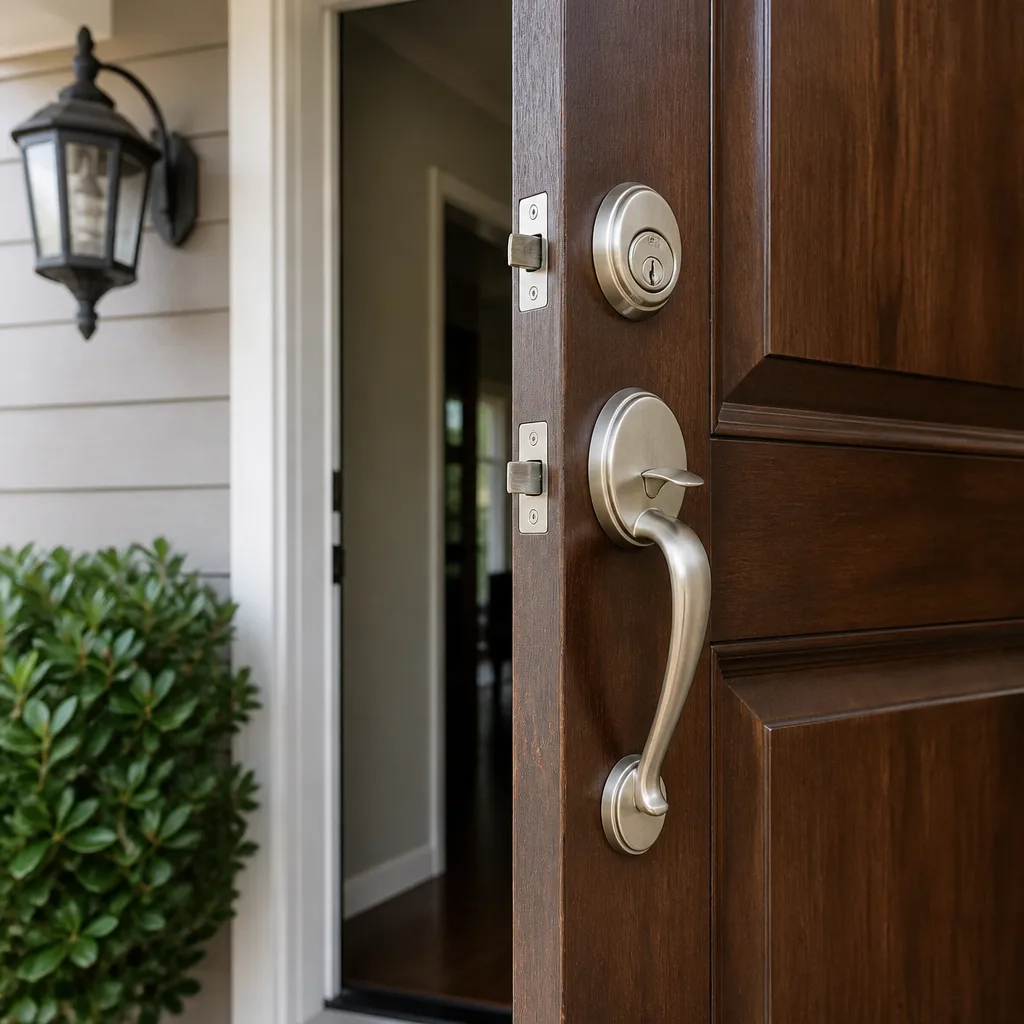
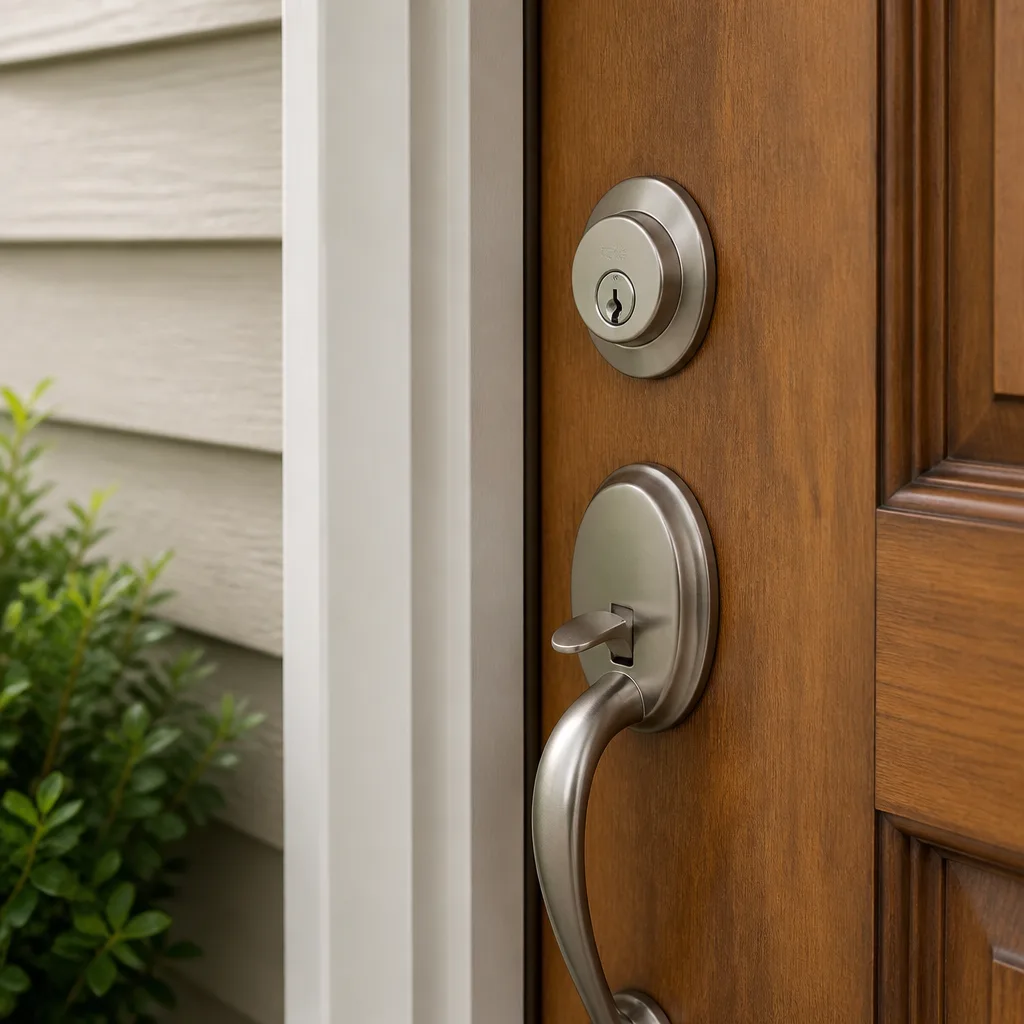
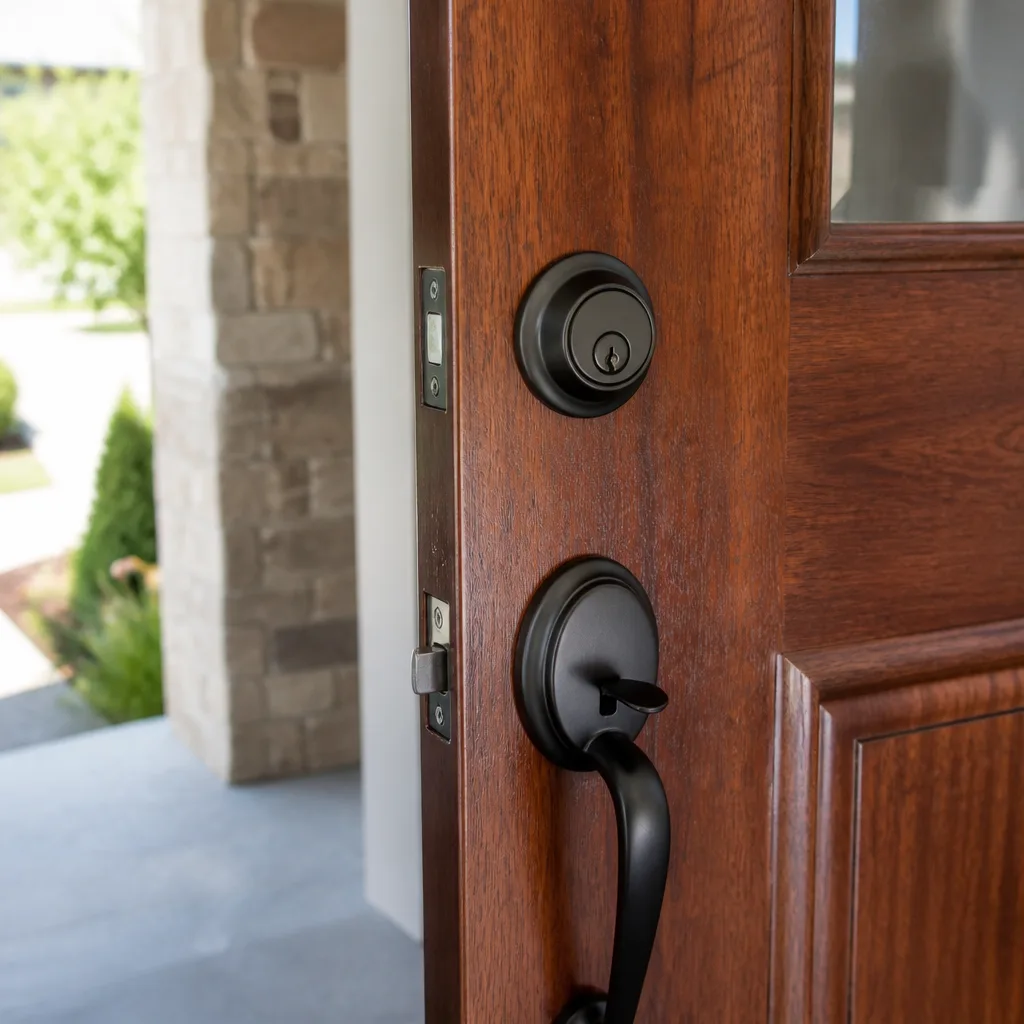
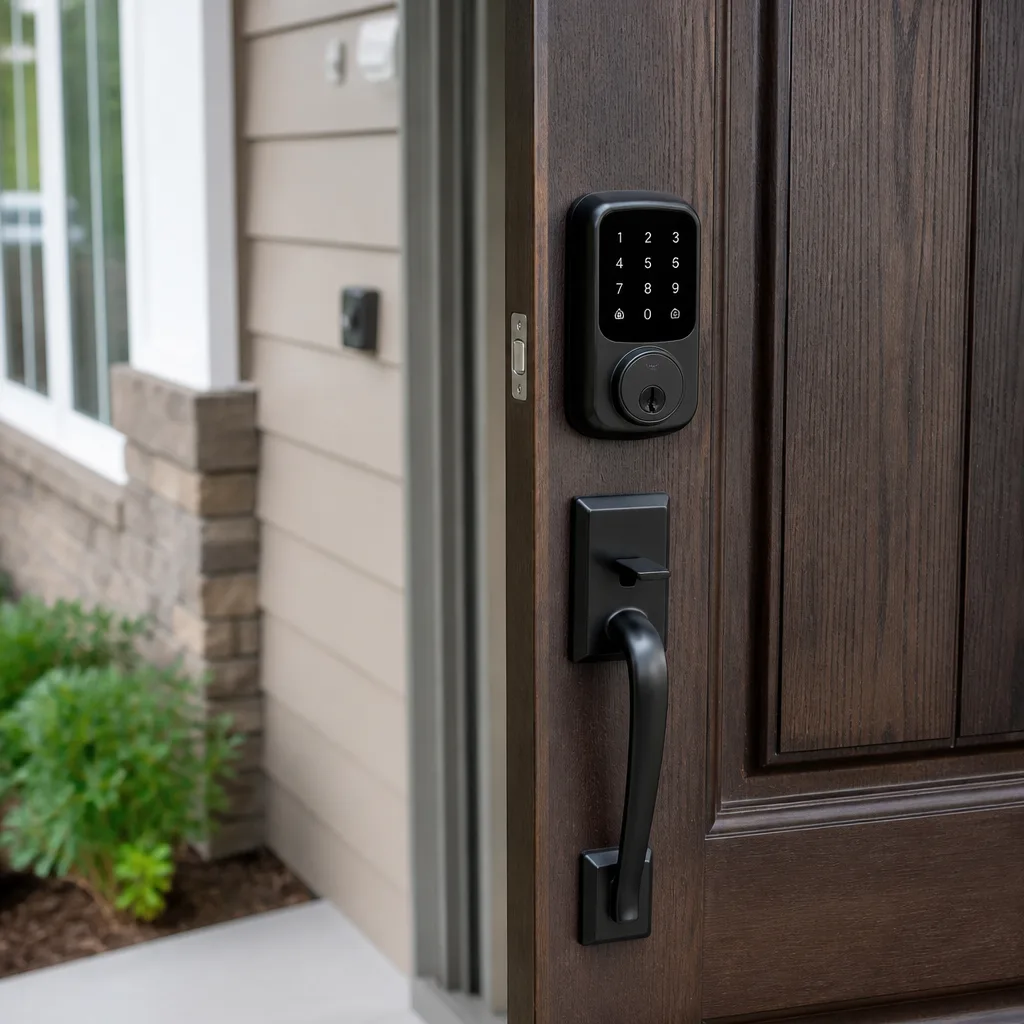
Residential Locksmith Maintenance Schedule: What to Do and When
The average deadbolt is engineered to cycle roughly 250,000 times before its internals wear out. But here’s what we see across Los Angeles every single week: a lock that fails at 80,000 cycles because nobody ever lubricated it, and the dry heat plus fine dust from the Santa Anas turned the internal pins into sandpaper. That’s a lock dying years early because three minutes of maintenance never happened. This guide covers the exact twice-a-year routine that costs under $20 in supplies, prevents most lockouts before they happen, and extends the life of every lock on your property. We’ll cover what to do, when to do it, what to buy, and what you should never touch yourself.
Quick Answer
A residential locksmith maintenance schedule means twice a year: lubricate every keyed lock with graphite powder in the fall before Santa Ana season and inspect strike plates and rekey locks in the spring after the rainy season ends. Each session takes under an hour, costs under $20 in supplies, and catches the misalignments and worn pins that cause most household lock failures and lockouts in Los Angeles.
Table of Contents
- Why Lock Maintenance Matters More in Los Angeles Than You Think
- Your Spring Maintenance Checklist: Post-Rain Inspection and Rekey Review
- Your Fall Maintenance Checklist: Lubrication Before the Santa Anas
- The Right Lubricant: Graphite Powder vs. WD-40, and Where Each Goes
- The Strike Plate Alignment Check: Why Sticking Doors Destroy Locks
- How to Log Maintenance Dates and Why Insurance Claims Depend on It
- What to Fix Yourself and What Only a Locksmith Should Touch
- What a Full Year of DIY Lock Maintenance Actually Costs
- Common Mistakes to Avoid
- When to Call a Professional
- Frequently Asked Questions
- The Bottom Line
Why Lock Maintenance Matters More in Los Angeles Than You Think
Los Angeles has a climate that punishes mechanical hardware in specific, predictable ways. Coastal moisture in the winter months, followed by months of zero rainfall and single-digit humidity in the summer and fall, creates a cycle that most lock owners never think about until a key snaps off in the cylinder or a deadbolt refuses to turn. The fine particulate dust that blows through during Santa Ana wind events works its way into keyways and pin chambers. Combined with old factory lubricant that has hardened into a gummy paste, you get a lock that grinds against itself every time you use it.
We’ve pulled apart locks in Silver Lake, Echo Park, and Pasadena that had never been lubricated once since installation. The pins inside were scored with visible wear lines. The springs had lost tension. In a few cases, the cylinders were so packed with dust and oxidized brass shavings that rekeying wasn’t possible; the lock had to be replaced entirely. None of that was unavoidable. All of it could have been prevented with a routine that takes less time than watching a quarter of a football game.
The other Los Angeles-specific factor is humidity fluctuation. Wood doors in neighborhoods like Hancock Park and Los Feliz, where older homes dominate, expand and contract through the year. That movement shifts the strike plate alignment. And a misaligned strike plate forces you to pull the door toward you, or lift the handle upward, just to get the bolt to retract. Every one of those forced turns grinds the internal components a little further out of tolerance. Maintenance isn’t just about the lock itself; it’s about the door frame, the hinges, and the alignment of the whole assembly.
Your Spring Maintenance Checklist: Post-Rain Inspection and Rekey Review
Spring in Los Angeles is the moment when the rainy season ends and everything that absorbed moisture starts to dry out and shift. That’s why March through May is the right window for your first maintenance pass. Here’s the step-by-step routine, which covers both inspection and the rekey decisions you should be making at least once a year. For deeper help, see our Residential Locksmith Troubleshooting: Common Problems and How to Fix Them.
- Test every keyed lock on the property. Insert the key slowly. Does it slide in without resistance? Turn the key with the door open first, then again with the door closed and latched. A lock that works smoothly with the door open but binds when closed is telling you the strike plate has moved.
- Inspect the strike plate screws. On every door, open the door and look at the metal plate mounted on the frame. Are the screws loose? Can you wiggle the plate with a fingernail? Loose strike plate screws are the number one cause of intermittent lock failure in Los Angeles homes, because frame wood dries and shrinks after the winter moisture leaves it.
- Check door hinge screws the same way. A door that sags by even an eighth of an inch at the latch point changes the geometry of the deadbolt throw. Tighten every hinge screw on every exterior door.
- Review who has keys. Spring is the right time to ask whether every key you’ve ever handed out still belongs with someone you trust. Rekeying, which is swapping the internal pins so old keys stop working without replacing any hardware, typically runs $50 to $120 for a standard residential lock. Spring is also a natural moment to do this because tenants move, roommates change, and contractors finish seasonal projects in Los Angeles.
- Photograph each lock exterior. A quick phone photo of the keyhole, the bolt, and the strike plate gives you a dated baseline. If something changes later, you’ll know exactly when it happened. This matters for insurance claims, which we cover in the logging section below.
If your spring pass reveals a key that turns sluggishly even after tightening everything, the problem is inside the cylinder, and that’s a rekey or a repair, not a schedule issue. A locksmith can usually swap the pins in under 30 minutes for the $50 to $120 range we mentioned, and that includes new keys. For most Los Angeles homeowners, spring rekeying after contractors leave is the single highest-value maintenance action you can take all year.
Your Fall Maintenance Checklist: Lubrication Before the Santa Anas
The fall pass is the one that extends the mechanical life of your locks, and the timing matters. You want lubrication done before the Santa Ana wind season kicks in, which in Los Angeles typically starts in late September and peaks October through November. Once that dry, particulate-laden air starts moving, any lock that isn’t properly lubricated and any strike plate that’s even slightly out of alignment will degrade noticeably faster.
- Blow out the keyway. Use a can of compressed air, the kind sold for cleaning keyboards, with the thin straw nozzle inserted into the key slot. A two-second blast removes loose dust and debris that would otherwise get pushed deeper into the pin chambers when you add lubricant.
- Apply graphite powder to every keyed cylinder. Insert the nozzle tip of a graphite tube into the keyway and give it one short puff. Then insert and remove the key five or six times to distribute the graphite across the pins and springs. Wipe the key clean afterward. Graphite is dry, which means it won’t attract the fine dust that Santa Ana winds carry.
- Check the deadbolt throw. With the door open, turn the thumbturn and watch the bolt. It should extend fully and smoothly without grinding. If you feel resistance or hear a scrape, the bolt is rubbing against the strike plate or the door edge, and that friction is precisely what destroys internal components over time.
- Check the door weatherstripping. Worn or compressed weatherstripping on Los Angeles homes lets dust blow directly into the latch and deadbolt area. Replace any stripping that’s cracked or flattened.
- Test every key from your key ring. The key you carry every day wears down microscopically with use. A worn key can still operate a lock, but it transfers that wear to the pins inside. If your key is visibly thinner than a spare, or if it wiggles more than it used to, have a duplicate cut from the spare, not from the worn key.
The entire fall pass takes under 45 minutes for a typical three-bedroom home with three exterior doors. The cost is under $20: one tube of graphite powder runs $5 to $8, a can of compressed air is $6 to $10, and a small tube of white lithium grease for hinge pins is another $5. That’s the whole supply list.
The Right Lubricant: Graphite Powder vs. WD-40, and Where Each Goes
The single biggest maintenance mistake homeowners make is reaching for WD-40 when a lock feels sticky. Here’s why that’s wrong: WD-40 is a penetrating oil and water displacer. In the short term, it makes a lock feel smoother because it’s wetting the pins. In the long term, it leaves an oily film that attracts and holds dust. In Los Angeles, where airborne dust is a permanent condition during fall wind season, an oiled lock becomes a dust trap. Within a few months, the inside of that cylinder is a paste of oil and grit, and the lock is worse than it was before you touched it.
Graphite powder is the correct lubricant for keyed cylinders. It’s dry, it’s conductive, it doesn’t oxidize, and it won’t attract or hold particulate. Here’s the application guide for different lock types.
- Deadbolts: Graphite powder goes into the keyway only. Never into the bolt mechanism through the edge of the door. The bolt assembly is designed to run dry, and adding any lubricant there attracts dust that grinds the bolt’s internal slides.
- Knob sets and lever handles: Graphite goes into the keyway if the knob has one. For the latch mechanism itself, use a dry PTFE spray, available for $6 to $9, which leaves a dry film that lubricates without attracting grime.
- Hinge pins: These are the only components that benefit from a grease, specifically white lithium grease. Remove the pin, apply a thin coat, and reinsert. Do this once a year in the fall, and squeaking doors stop permanently.
- Padlocks used outdoors: Graphite powder works, but a dry PTFE spray is better because it also provides mild corrosion resistance, which matters if the lock lives outside in the marine layer zones like Venice or Marina del Rey.
If you’ve already used WD-40 on a lock and it’s now grinding, the fix is to flush the cylinder with a dedicated lock flush solvent, which runs $8 to $12, then re-lubricate with graphite. In severe cases, the cylinder needs to be pulled, cleaned, and repinned, which is a rekey locks in Los Angeles service we handle routinely. The takeaway: keep the keyway dry, keep the hinges greased, and skip the blue and yellow can entirely for any lock component.
The Strike Plate Alignment Check: Why Sticking Doors Destroy Locks
Here’s the scenario we see most often in older Los Angeles neighborhoods. A homeowner in Highland Park or West Adams has a door that’s been sticking for months. To close it, they lift the handle slightly or pull the door toward them. The lock still turns, so they assume everything is fine. What they don’t realize is that every forced turn of that deadbolt is grinding the bolt face against the edge of the strike plate. The bolt is brass or zinc; the strike plate is steel. Every contact removes microscopic metal from the bolt. Eventually the bolt doesn’t fully extend into the frame, or the internal cam that connects the thumbturn to the bolt starts slipping.
The check itself takes two minutes and requires no tools. Here’s the procedure.
- Open the door and look at the metal plate on the door frame where the bolt enters. That’s the strike plate.
- Look for shiny wear marks on the edge of the plate’s opening. Shiny metal means the bolt is scraping every time you close and lock the door.
- Close the door and watch the bolt as you lock it. It should slide into the strike plate opening cleanly, with visible clearance on all sides.
- If the bolt touches the plate at any point, the alignment is off, and the fix is usually simple: loosen the strike plate screws, reposition the plate by a few millimeters, and retighten. If the plate has shifted because the frame wood has compressed, the fix may require chiseling out a small amount of wood or installing longer screws.
There’s a security angle here too. Standard strike plate screws are short, typically three-quarters of an inch, and they only bite into the door jamb trim, not the structural frame behind it. Replacing those screws with three-inch screws that reach the wall stud converts a door that can be kicked in with one solid blow into a door that resists forced entry. It’s a $3 upgrade that takes five minutes and happens to be the single most effective cheap security improvement available to any Los Angeles homeowner.
If the door itself has sagged, which you’ll notice when the latch no longer lines up with the strike plate at all, the fix involves adjusting or replacing hinges. That’s a job most people can handle, but if the door is heavy, solid-core, or has a security plate already installed, call a professional. Misaligned heavy doors can pinch fingers and damage the door frame. We’d rather see a door lock repair in Los Angeles done properly than know someone got hurt fighting a 90-pound door.
How to Log Maintenance Dates and Why Insurance Claims Depend on It
Most homeowners never think about lock maintenance records until an insurance adjuster asks for them. Then it’s too late. After a break-in, one of the first questions an adjuster asks is whether the lock was functioning properly and whether you can demonstrate reasonable care and maintenance. A simple maintenance log transforms that conversation. Instead of shrugging and saying the lock worked, you can show dated entries, photographs, and the specific work done on specific dates. That’s the difference between a smooth claim and a denied one.
The log doesn’t need to be complicated. A note on your phone works, but a small notebook by the front door is better because it’s physically present when you do the work. Here’s the format we recommend.
What to record
- Date of each maintenance session. Spring and fall, every year, no exceptions.
- Which locks were inspected and lubricated. Front door deadbolt, back door knob set, side gate padlock, and so on.
- What products were used. Graphite powder, PTFE spray, lithium grease, and the brand names.
- Any irregularities found. A strike plate that was loose, a key that was worn, a thumbturn that felt stiff.
- Photographs. One photo per lock per session, stored in a dated folder on your phone or cloud drive.
- Service records. If you have a locksmith rekey or repair a lock, keep the receipt and the written guarantee, which we provide on every job.
The log also gives you leverage if a lock fails under warranty. Hardware manufacturers like Baldwin and Mul-T-Lock publish maintenance recommendations, and a documented maintenance history is your proof that the failure wasn’t caused by neglect. We’ve helped Los Angeles customers get replacement hardware under warranty because they had a clean maintenance log and the manufacturer had no excuse to deny the claim.
Finally, the log is a liability shield if you rent out any part of your property. Los Angeles has a dense ADU market, and if a tenant claims a lock was faulty when an incident occurred, your dated maintenance records are the defense. It takes two minutes to log after each session, and it’s worth far more than two minutes of your time.
What to Fix Yourself and What Only a Locksmith Should Touch
Most of this guide is about DIY maintenance, which is intentional: lubrication, strike plate checks, screw tightening, and hinge pin greasing are all jobs that every homeowner can and should handle. But there’s a line, and crossing it without training turns a $75 service call into a $400 lock replacement.
What to fix yourself
- Lubricating keyways with graphite powder. Two minutes per lock, no risk.
- Tightening strike plate and hinge screws. A screwdriver is the only tool.
- Replacing short strike plate screws with three-inch screws. $3 in hardware, five minutes of work.
- Replacing weathered weatherstripping. Available at any hardware store for under $15 per door.
- Cutting a new key from a good spare. If the spare is factory-cut or freshly cut, a hardware store duplicate is fine. This is also the right moment to consider higher-security key duplication, which is a service we cover below.
What to leave to a professional locksmith
- Any lock that still binds after lubrication, screw tightening, and alignment checks. The cylinder itself has internal damage or worn-out springs. Continuing to force the key just spreads the damage.
- Extracting a broken key from a cylinder. Los Angeles homeowners attempt this with tweezers every month. Broken key extraction tools cost less than $20, but using them without experience drives the broken piece deeper and scores the cylinder walls. A pro extracts the key in under ten minutes, typically for $50 to $120.
- Repinning or rekeying a lock after a key control concern. If you suspect someone has an unauthorized copy of your key, rekeying is the only answer. The service costs $50 to $120 per residential lock in Los Angeles, and it’s written up with a price that matches the invoice.
- Upgrading to a high-security system. If you’re considering restricted keyways from Sargent or Abloy, where key duplication requires proof of ownership, this is full locksmith work, not a DIY project. The hardware costs more, but the key control changes the security model of your entire building.
- Installing or repairing smart locks. Some smart lock retrofits are doable for a patient homeowner, but integrating them with a deadbolt that isn’t perfectly aligned is a recipe for a motorized lock that burns through batteries and jams constantly. Alignment first, then electronics.
- Any commercial-grade lock, Sargent or Abloy mortise, or storefront door. These are professional systems with tighter tolerances. For commercial properties, our commercial locksmith in Los Angeles service covers the full range of hardware inspection, repair, and replacement.
One more note on the safety side: high-security deadbolts and commercial mortise locks contain strong springs and precisely fitted components that can pinch or eject small parts if disassembled without the right tools. We’re licensed, insured, and trained on the full range from Schlage and Kwikset through Medeco, Mul-T-Lock, Baldwin, Sargent, and Abloy. The moment a DIY job stops being a screwdriver-and-lubricant routine, the sensible move is a call.
What a Full Year of DIY Lock Maintenance Actually Costs
Let’s put numbers on this, because we believe specific beats vague every time. Here’s the complete supply list for one year of twice-yearly maintenance on a three-bedroom, two-bath Los Angeles home with three exterior doors.
- Graphite powder, one tube: $5 to $8. One tube lasts two to three years.
- Dry PTFE spray, one can: $6 to $9. Covers knob latches and padlocks.
- White lithium grease, one tube: $4 to $6. Covers hinge pins.
- Compressed air can: $6 to $10. Covers keyway cleaning.
- Three-inch strike plate screws, twelve-pack: $3 to $5.
- Replacement weatherstripping, three doors: $10 to $15 total.
- Small notebook for the maintenance log: $2.
That’s a total of $36 to $55 for the first year, and about $15 to $20 in subsequent years as supplies last. Compare that to the average Los Angeles emergency lockout call, which runs $75 to $150 during normal hours and can exceed $200 on nights and weekends. A single avoided lockout pays for five to ten years of the entire maintenance program. And a lock replacement due to neglected, ground-down internals runs $150 to $350 for a quality residential deadbolt with installation. The economics of maintenance aren’t close.
If you do need service, the model at Preston Locksmith & Security is built around a written price before work begins. That means the price quoted on the phone is the price on the invoice, always. No call-out surcharge added on arrival, no upgrade pressure. The Relay Visibility Guarantee includes a live trackable arrival time, before-and-after photos of the work, and a written guarantee on every repair. If a repair fails, the second visit is free, with no argument and no charge. That’s the Preston Locksmith & Security home promise in plain words.
Common Mistakes to Avoid
- Using WD-40 or any oil-based spray on keyways. The oil film attracts the fine dust that Santa Ana winds push through every gap in a Los Angeles home. Within months, the lock is worse than before. Use dry graphite or PTFE only.
- Ignoring a door that needs to be lifted, pushed, or pulled to lock. Every forced turn grinds the bolt against the strike plate. What feels like a quirk is actually mechanical wear happening in real time, and the lock will fail on the worst possible day.
- Lubricating only the front door deadbolt. The back door, the side gate padlock, the garage access door, and the mailbox lock all cycle just as often and wear just as fast. The fall lubrication pass should cover every keyed surface on the property.
- Cutting duplicate keys from a worn original. A worn key transfers its wear pattern to the new duplicate. Always cut from a spare that has been used lightly or kept in a drawer.
- Overtightening strike plate screws. Cranked-down screws can strip the wood in the frame, especially in older Los Angeles homes with dry framing. Snug is correct. If the hole is stripped, the fix is a slightly thicker screw or a wooden matchstick shim, not brute force.
- Skipping the maintenance log. The log is your insurance claim evidence and your warranty proof. Without it, you’re relying on memory, and memory doesn’t hold up in an adjuster’s office.
- Treating smart lock batteries as the maintenance plan. Replacing batteries when a smart lock dies is not maintenance. The mechanical deadbolt behind the smart module needs the same twice-yearly lubrication and alignment checks as any other lock.
When to Call a Professional
We’ve covered the line between DIY and professional work above, but let’s make it simple. Call a locksmith when a key breaks in a cylinder, when a lock still binds after lubrication and alignment checks, when you need a rekey for key-control reasons, when you’re upgrading to high-security hardware, or when a commercial door’s locking system is beyond the scope of a screwdriver. In any of those scenarios, forcing the issue turns a small problem into an expensive one. Preston Locksmith & Security serves Los Angeles with written pricing, background-checked uniformed technicians, and a 365-Day Done Right Promise. If it’s not done right, we make it right. Call (409) 405-4485 for a free estimate, and we’ll tell you over the phone whether the job is one we can walk you through or one that needs a truck.
Frequently Asked Questions
Lubricate every keyed lock twice a year, once in the spring and once in the fall. The fall pass is the more important one in Los Angeles, because it prepares the locks for the dry, dusty Santa Ana season. Use graphite powder on keyways and a dry PTFE spray on latches. Never use WD-40.
A full year of DIY supplies costs $36 to $55 the first year and under $20 per year after that. If a professional service call is needed, most residential locksmith work in Los Angeles, including rekeying and minor repairs, runs $50 to $120 per lock with a written price confirmed before work starts. Call (409) 405-4485 for an exact quote, and that quote is the price on the invoice.
The most likely cause is a combination of old, hardened factory lubricant and the fine particulate dust that Santa Ana winds push into keyways. The dry air also causes wooden door frames to shrink slightly, which moves strike plates and forces the bolt to grind against the plate. A fall pass of compressed air, graphite powder, and strike plate screw tightening fixes most cases.
Rekeying requires removing the cylinder, replacing the internal pins, and reassembling with new keys, and it’s a job that goes wrong quickly without the right pin kit, which itself costs $100 to $300. A professional rekey for a standard residential lock in Los Angeles runs $50 to $120 and includes new keys and a written guarantee. It’s cheaper to hire a pro than to buy the tools and risk destroying the cylinder.
If the key slides in smoothly and the lock improves immediately after lubrication, it was just dry. If the key still feels gritty, the key pin assembly is worn and the cylinder needs to be repinned or replaced. If the thumbturn feels loose or the bolt only partially extends, the internal cam is wearing. In any of those cases, continuing to use the lock accelerates the failure. A locksmith can diagnose it over the phone in most cases if you describe the symptoms clearly.
Homeowners insurance sometimes covers locksmith work after a burglary or for a home purchased through certain programs, but routine maintenance is never covered. What insurance does care about is your maintenance record: a dated log with photos is your evidence of reasonable care if you ever file a claim. Keep it simple and keep it consistent.
The Bottom Line
Lock maintenance is a twice-a-year habit, not a crisis response. The fall pass gets graphite into every keyway before the Santa Anas arrive. The spring pass checks strike plates, hinge screws, and rekey decisions after the rainy season ends. Together they cost under $20 a year in supplies, take under an hour per session, and prevent the vast majority of residential lockouts and premature lock failures in Los Angeles. Log what you do, photograph each lock, and leave the cylinder work to a professional when lubrication doesn’t solve it. For more guides & resources, visit our blog. A lock that’s maintained is a lock that can’t surprise you. And when a repair does require a pro, the written price is locked in before any tool leaves the bag.
Written by Kevin Yoon, Owner at Preston Locksmith & Security, serving Los Angeles since 2008.