
Last updated October 9, 2026
Non-destructive entry first, always - and we re-key Schlage, Kwikset, and Baldwin locks on the spot while you watch
You get a price before we start. It does not change when we arrive. No surprises.
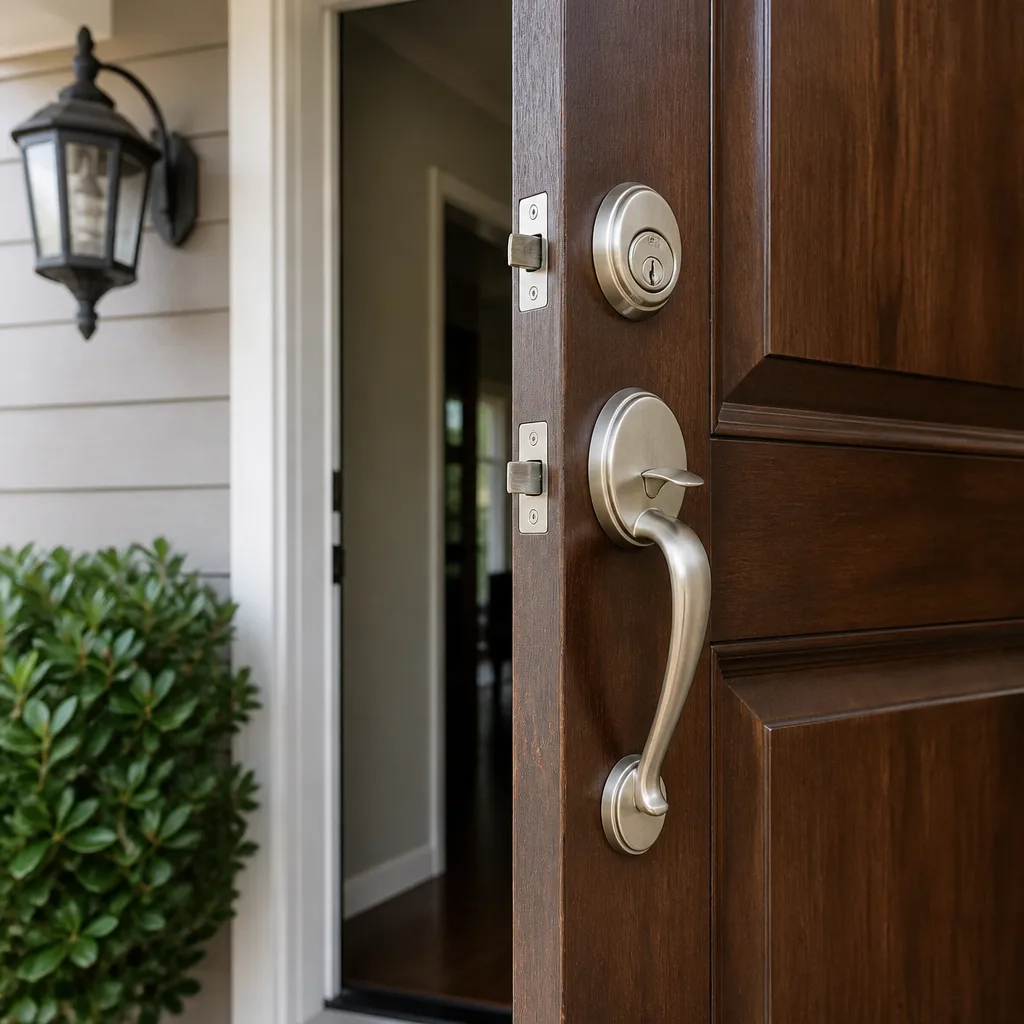
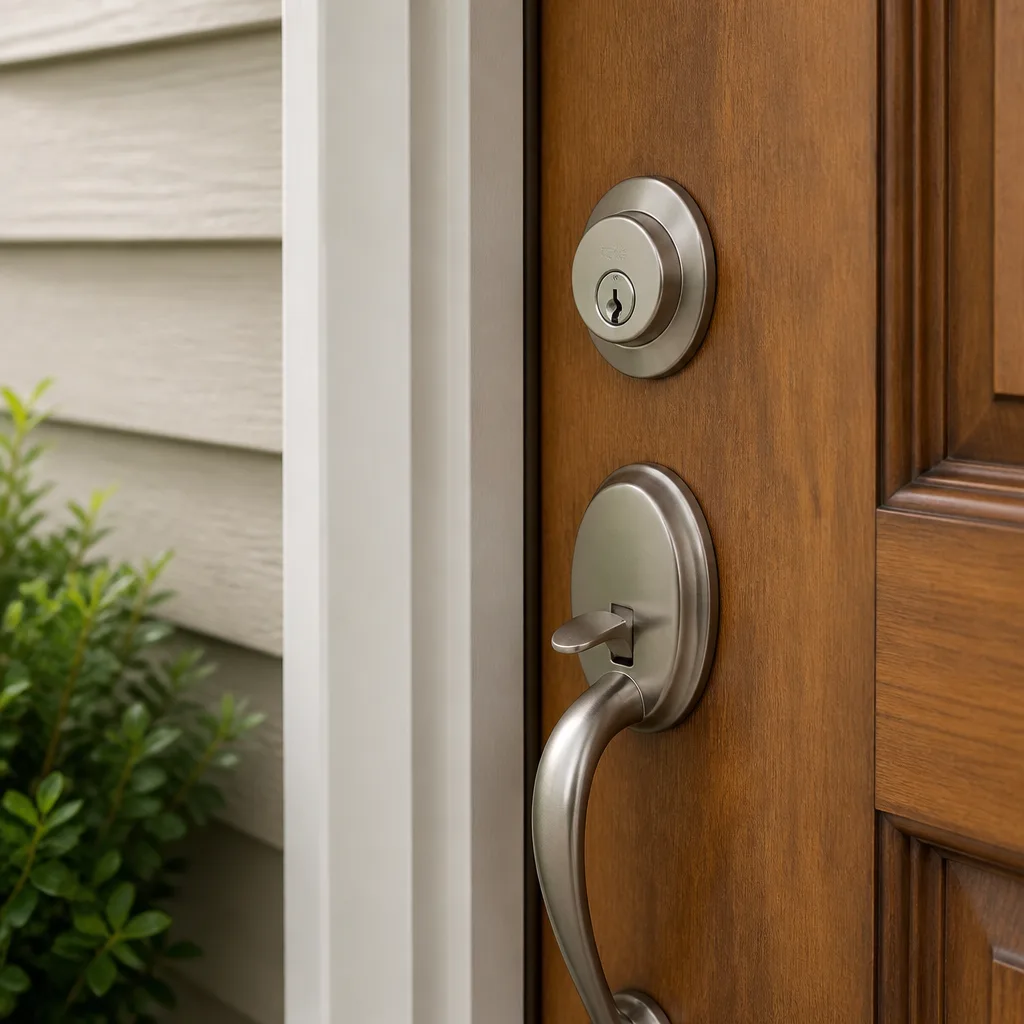
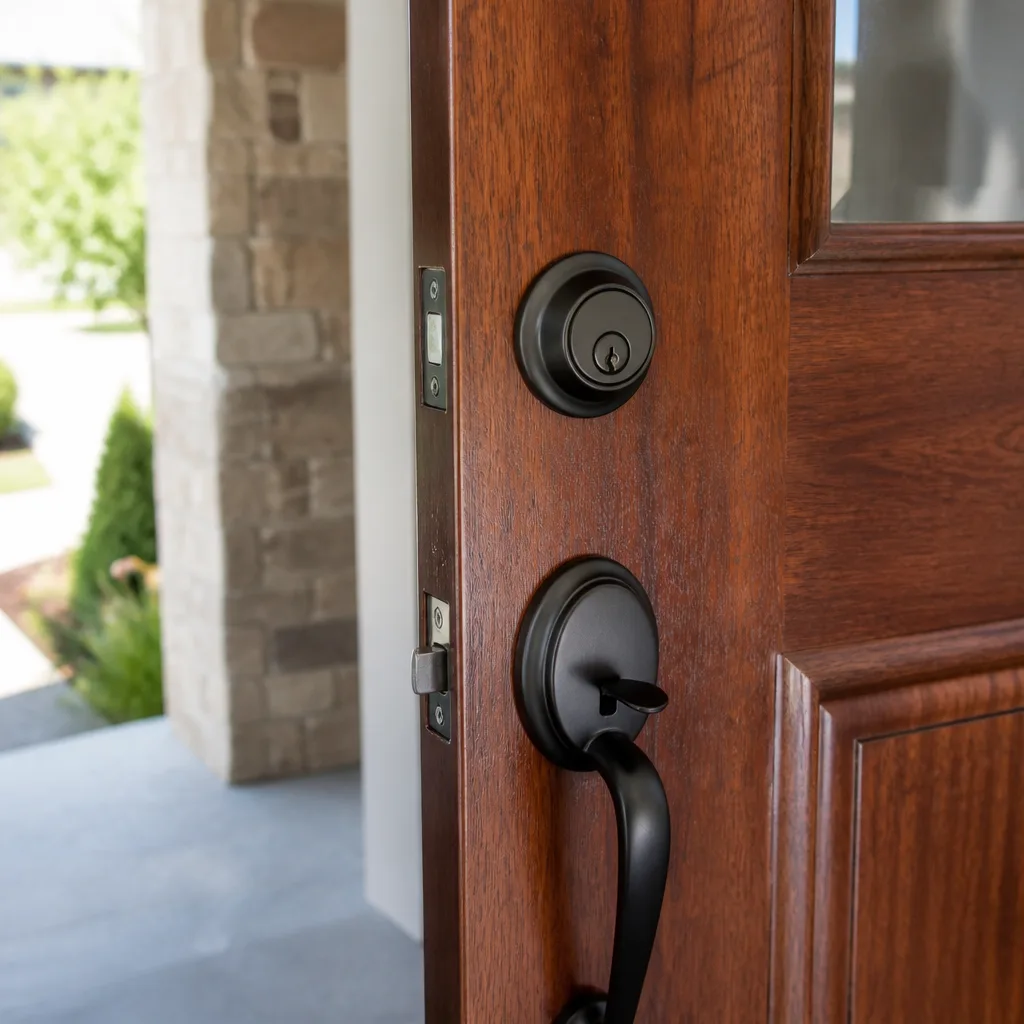
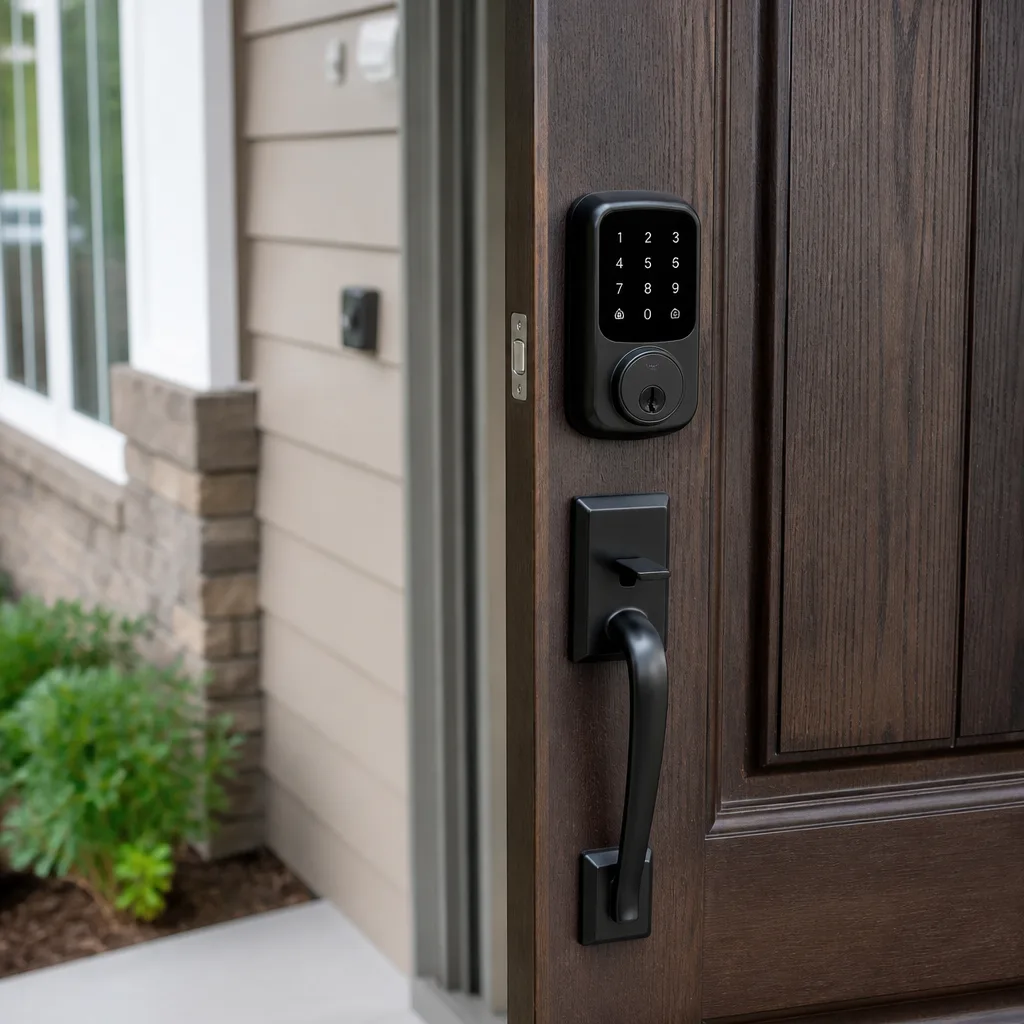
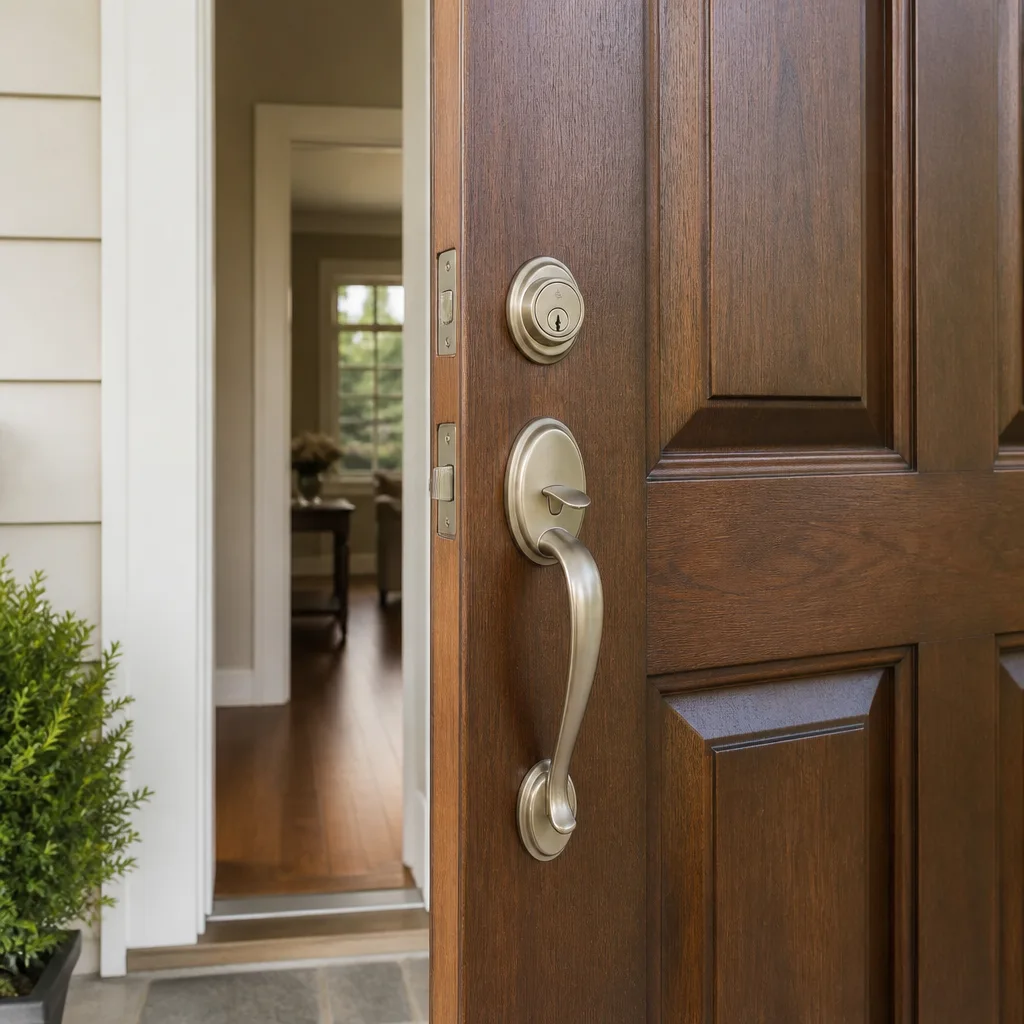
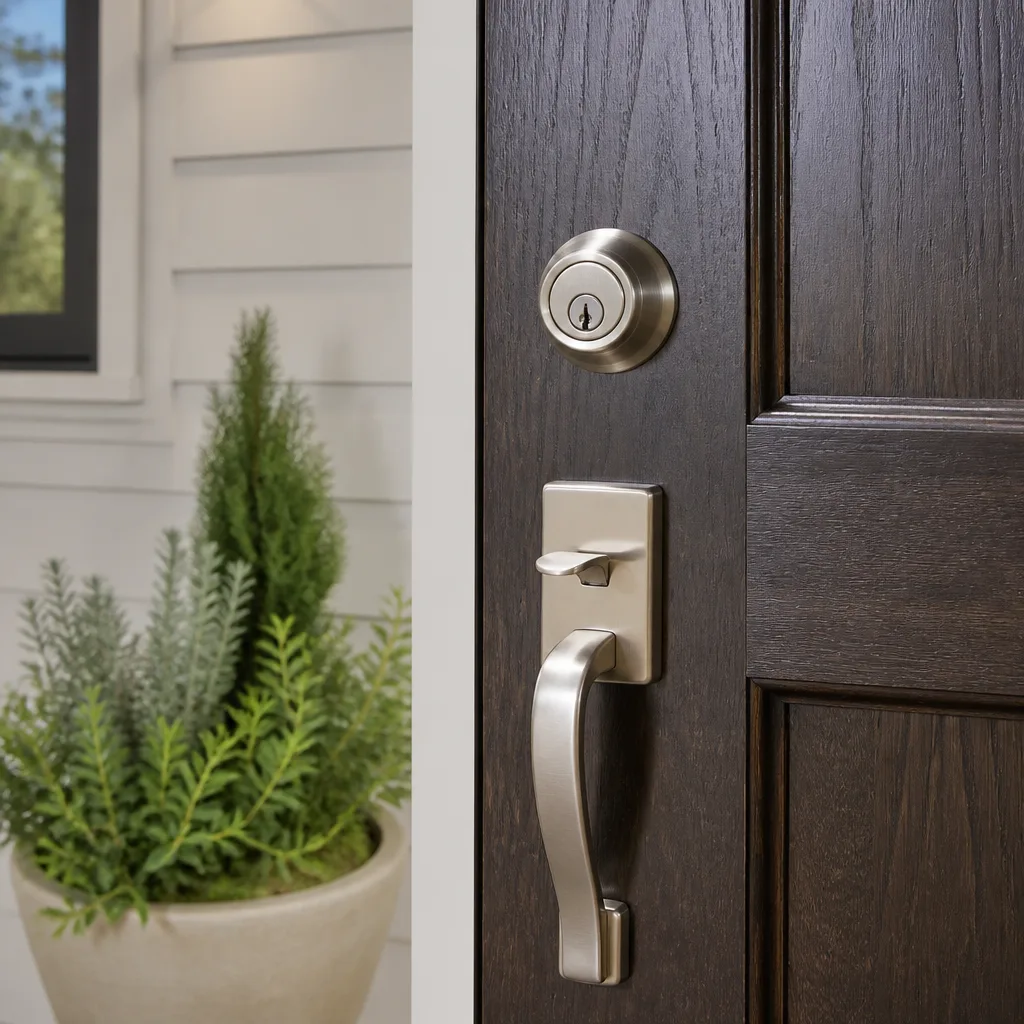
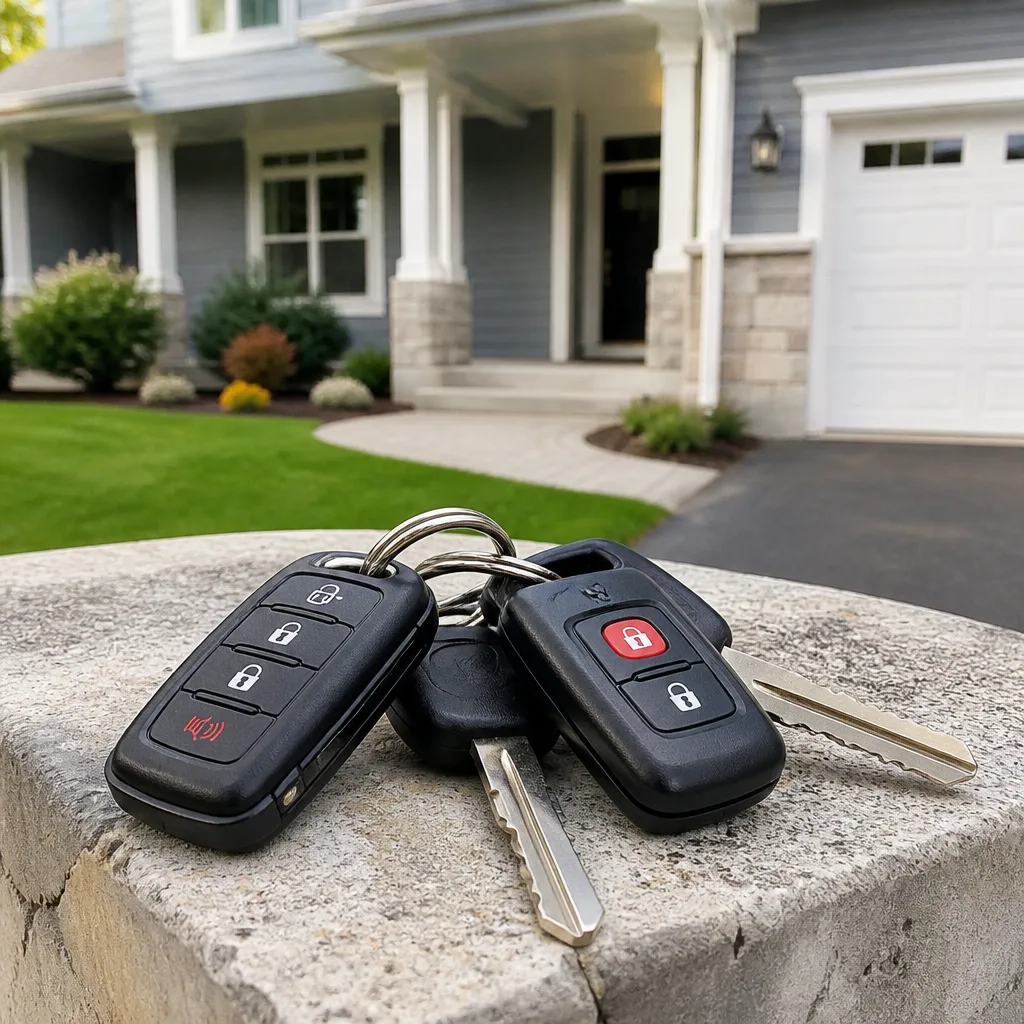
Seasonal Locksmith Care for Los Angeles: Year-Round Homeowner’s Guide
If you own a home in Los Angeles, here’s something that sounds wrong until you live it: our “mild” weather is a full-contact sport for door locks. The marine layer that rolls through Venice and Playa del Rey every summer morning carries salt moisture into lock cylinders. The Santa Anas that whip through the foothills in October push fine grit into every exposed mechanism. By the time a lock actually breaks, it has usually been failing quietly for months. This guide explains the real seasonal threats to locks in Los Angeles, which products actually protect them, and the checks that take under ten minutes per season.
Quick Answer
Seasonal lock maintenance in Los Angeles means cleaning and lubricating lock cylinders four times per year, timed to the marine layer, wildfire season, Santa Ana winds, and winter rain. For a structured approach, see our Commercial Locksmith Maintenance Schedule: What to Do and When. Cost for a professional seasonal service visit runs $89 to $149 in the LA market. The ten-minute checks below catch most failures weeks or months before they become a 11pm emergency.
Table of Contents
- The Real LA Seasonal Threat Calendar
- Which Lubricants Actually Work in LA’s Climate
- Room-by-Room Seasonal Lock Checklist
- How to Test a Lock for Humidity Damage Before It Fails
- The Pre-Fire-Season Task Most LA Homeowners Skip
- Winter Rain, Wooden Door Frames, and Lock Alignment
- When It’s Time to Upgrade Hardware
- Common Mistakes to Avoid
- When to Call a Professional
- Frequently Asked Questions
The Real LA Seasonal Threat Calendar
Most seasonal maintenance guides are written for Minneapolis or Boston. They talk about freezing temperatures, road salt, snow melt. None of that applies in Los Angeles, so homeowners here assume there’s nothing seasonal to do. That assumption is why we get so many emergency calls in October and February from people whose locks were fine all year and then suddenly seized up.
What Los Angeles actually has is a four-season cycle that wears locks down in specific, predictable ways:
- June through August, marine layer season: Coastal neighborhoods from Santa Monica to San Pedro to Long Beach get overnight fog and morning overcast that carries salt and moisture. Interior lock cylinders corrode slowly. You won’t see it from the outside. The first sign is usually a key that starts turning with more resistance.
- September through November, wildfire smoke season: Ash and fine particulate matter settle into exposed keyways, especially on gates and garage side doors. Combine ash with humidity and you get a gritty paste inside the cylinder that accelerates wear every time you insert a key.
- October through December, Santa Ana season: Hot, dry winds blast fine dust and sand into any lock that faces east or northeast. The grit acts like sandpaper on the pins and springs inside the cylinder.
- January through March, winter rain season: Wooden door frames absorb moisture and swell. Deadbolts that were perfectly aligned in September suddenly won’t throw because the strike plate has moved a few millimeters. Locks on north-facing doors get hit hardest.
None of these threats are dramatic on their own. Combined over a year, they produce the same failure rate we used to see from snow-belt corrosion when we started in 2008. The difference is that LA failures feel sudden because the damage happens invisibly.
Which Lubricants Actually Work in LA’s Climate
Here’s the short version: use a PTFE-based dry lubricant for most locks in Los Angeles. Use a silicone spray for sliding door tracks and weatherstripping. Never use WD-40, and use graphite only in very specific cases.
The long version matters, because the wrong product in the wrong season will accelerate the exact damage you’re trying to prevent.
Graphite: the classic, and the trap
Graphite powder has been the standard lock lubricant for a century. It works well in dry climates with stable temperatures. The problem in Los Angeles is that graphite mixes with marine layer moisture and turns into a thick black sludge. That sludge hardens inside the cylinder and makes key insertion progressively harder. If you live west of the 405 or within three miles of the coast, graphite is the wrong choice from June through August. Save it for inland neighborhoods like Pasadena or Burbank, and only during the dry months.
PTFE (Teflon) based dry lubricant
This is the workhorse for LA locks. It goes on wet, evaporates in under a minute, and leaves a dry film that repels moisture and doesn’t attract dust. It’s the best all-around choice for door cylinders, deadbolts, padlocks, and gate locks in every season. Brands like Houdini and Super Lube Dri-Film are both easy to find at hardware stores and online. Expect to pay $8 to $15 per can.
Silicone spray
Silicone is the right tool for sliding door tracks, weatherstripping, and any surface where rubber or plastic meets metal. It doesn’t gum up, it doesn’t harm the rubber, and it handles temperature swings well. Do not use it inside cylinders; it’s too light and will wash out after the first coastal fog cycle.
WD-40: the product that makes our job security
WD-40 is a solvent designed to displace water. It’s not a lubricant. It will strip away whatever lubricant is currently in your lock, and then dry out, leaving the cylinder completely unprotected. In Santa Ana season, that bare cylinder will grind itself down fast. If you’ve been spraying WD-40 into your locks for years, plan on a professional cleaning. The internal parts likely need to come out and be de-gunked. That service at Preston Locksmith & Security runs $45 to $75 per lock, and it’s cheaper than replacing a seized cylinder.
Our own service vans carry PTFE for cylinders, silicone for tracks, and a commercial-grade cleaner for locks that previous homeowners sprayed with WD-40. Kevin Yoon, our owner, has been answering “what should I use?” questions since 2008, and the answer hasn’t changed: match the product to the season and the exposure.
Room-by-Room Seasonal Lock Checklist
Not every lock on your property faces the same weather. A front door on a west-facing wall in Culver City gets afternoon sun and zero marine layer protection. A gate lock on the back fence faces a completely different exposure profile. Here’s the room-by-room rundown, timed for a quarterly pass that takes about 40 minutes total.
The front door
Your front door is the security backbone, and it’s also the lock that gets the most abuse. Check the deadbolt throw twice a year: close the door, lock it, and see if the bolt extends fully without forcing. If you have to push or pull on the door handle while turning the key, the strike plate is misaligned. That’s a $189 to $249 repair at Preston Locksmith & Security for a standard Schlage or Kwikset deadbolt, and it’s a one-hour job. Lubricate the cylinder with PTFE every three months. Check weatherstripping where the door meets the frame; torn weatherstripping lets marine layer moisture straight into the lock.
The garage side door
This is the most ignored lock on most LA properties. It’s often partially sheltered, but it’s also the door that gets kicked open in the highest percentage of residential break-ins. The lock accumulates dust from the garage itself, plus wildfire ash if you leave the garage door open during smoky weeks. Clean the keyway with canned air every season, then apply PTFE. Test the handle set. If the knob turns but the latch doesn’t retract smoothly, the internal springs are worn. Knob replacement with a Kwikset SmartKey cylinder runs $129 to $189 installed.
Sliding patio doors
Sliders don’t have traditional cylinders, but their locks fail constantly in Los Angeles because of track grit. Clean the bottom track with a vacuum and a damp cloth every month during Santa Ana season. Apply silicone spray to the rollers and the track twice a year. Check the lock mechanism itself. Most patio door locks are flimsy; if yours wiggles or doesn’t catch cleanly, a professional upgrade to a double-bolt patio lock runs $159 to $229 and takes about 90 minutes.
Gate locks
A padlock on a gate faces the harshest exposure on your property: full sun, full wind, full rain, zero shelter. Cast-iron and brass padlocks will corrode visibly within two years in coastal Los Angeles. Use a shrouded-shackle padlock with a hardened steel body. Abloy padlocks are our default recommendation for gate hardware in Venice, Santa Monica, and anywhere within the salt air zone. They run $65 to $120 for the lock, and they’ll outlast three cheap padlocks. Lubricate the shackle and keyway with PTFE every two months in summer.
How to Test a Lock for Humidity Damage Before It Fails
You don’t need special tools to catch corrosion early. You need to know what a healthy lock feels like and what a compromised one feels like. Here’s the testing sequence we walk homeowners through over the phone before we send a technician out:
- Insert the key slowly. A healthy lock lets the key glide in with light, even resistance. If you feel any scraping, catching, or jerking as the key goes in, the cylinder has accumulated debris or the internal pins are corroding.
- Turn the key with two fingers. Use just your thumb and index finger, not a full grip. A healthy lock turns with almost no force. If you need wrist strength, something is wrong. In coastal neighborhoods like Playa Vista or Westchester, this test usually reveals marine layer corrosion before anything visible.
- Jiggle the key gently while it’s fully inserted. A tiny bit of play is normal. Clunking or vertical wobble means the cylinder is worn or the key itself is worn down. A new key cut from a worn key just copies the wear. Ask for a key cut from code instead, which runs $8 to $15 and restores the original geometry.
- Feel the key when you pull it out. If the key comes out with dark residue or feels gritty, that’s the signal to clean the cylinder. Use canned air first, then PTFE. If the residue returns within a week, the lock needs professional disassembly and cleaning.
- Test the deadbolt with the door open. Open the door, throw the deadbolt, and watch the bolt. It should extend fully and firmly, no visible sag. Then try to push it back with your thumb. If it moves even slightly, the throw has a problem. This is a security issue even if the door still locks.
Run this test on every exterior lock every three months. It takes five minutes. The homeowners who do it don’t call us at midnight. The ones who don’t are the October and February emergency dispatch calls we could set our calendar by.
The Pre-Fire-Season Task Most LA Homeowners Skip
Every September, a strange thing happens in Los Angeles. The air quality index dips, the sky turns that orange-brown, and our dispatch board fills up with emergency lockout calls from homeowners whose keys suddenly won’t go into the lock at all.
The cause is almost always the same. Wildfire ash settles into the keyway. Then a homeowner inserts their key, and the ash gets packed deeper into the cylinder, where it mixes with whatever lubricant is present and forms a solid plug. Within a week, that lock is seized.
The fix is preventive and takes under five minutes per lock:
- Blow out every exterior keyway with canned air in early September, before Santa Ana wind season starts. Hold the can upright and use short bursts.
- Add one drop of PTFE lubricant after blowing out. Don’t overdo it; a single short burst is enough.
- Repeat the process in late October if there has been significant smoke or wind activity near your home.
- Check gate locks and garage side doors carefully; these are the two places we see the most ash-related failures.
If you’ve skipped this and your key is already jammed, don’t force it. Forcing a key in an ash-clogged cylinder can break the key off inside the lock, and then you’re facing a $175 to $275 extraction and cylinder repair. Instead, call a locksmith. A professional cleaning of an ash-clogged cylinder at Preston Locksmith & Security runs $65 to $95 and usually takes under an hour.
Winter Rain, Wooden Door Frames, and Lock Alignment
January through March is our second biggest emergency season, and the culprit isn’t the rain itself. It’s the swelling.
Most door frames in Los Angeles homes built before 1990 are solid wood. When winter rain saturates the air, those wooden frames absorb moisture and expand. A deadbolt that was perfectly aligned in September can be a quarter-inch off by February. The result is a door that won’t lock at night, a key that won’t turn without forcing, or a deadbolt that binds halfway.
Here’s how to check your doors before the rainy season starts, ideally in late December:
- Close and lock every exterior door. Watch for tightness in the handle or deadbolt throw.
- Open the door and look at the strike plate on the frame. If you see fresh scratches or a buildup of metal shavings, the bolt has been grinding against the plate edge.
- Unlock the door and push it fully closed without latching. Look at the gap between the door edge and the frame. A consistent gap says the frame is stable. A wider gap at the top or bottom says the door has shifted.
- If locking gets harder after a rainstorm and easier after a dry week, that’s the signature of frame swelling. The fix is a professional alignment adjustment: the plate gets repositioned or mortised slightly, and the lock is checked for internal stress. At Preston Locksmith & Security, that adjustment runs $89 to $149 depending on the door.
Do not attempt to file the strike plate yourself unless you know exactly how much material to remove. Removing too much leaves a deadbolt that throws with zero resistance, which means a single kick can pop the door. This is one of those cases where a trained eye and a calibrated hand are worth the service call.
When It’s Time to Upgrade Hardware
Maintenance extends the life of a lock, but it can’t extend it forever. Some hardware in Los Angeles wears out because of the climate; some wears out because of the quality level it started at. Knowing when to stop maintaining and start replacing will save you money over time.
Signs it’s time to replace instead of repair
- The key turns but the bolt doesn’t move. That’s an internal gear or tailpiece failure. Replacing the internal cartridge on a Kwikset or Schlage lock runs $85 to $140; full lock replacement runs $145 to $279 depending on the hardware.
- The trim is visibly corroded. In coastal neighborhoods, brass and zinc hardware will pit within three to five years. If your deadbolt cale looks like it’s peeling or has green oxidation, the internal components are likely worse. Replacement is the better spend.
- You’ve rekeyed the same lock three or more times. Rekeying, which means swapping the internal pins so old keys no longer work, doesn’t address worn springs and chambers. After three rekeys, the lock is usually a better candidate for replacement. Rekey Locks in Los Angeles run $25 to $40 per cylinder at Preston Locksmith & Security.
What to upgrade to
We recommend different hardware for different exposures. In coastal zones, look for locks with a lifetime finish warranty, which usually means stainless steel or a marine-grade coating. On front doors, a Grade 1 deadbolt in a Schlage or Baldwin pattern is the standard we install most often. For gate hardware, Abloy or Sargent padlocks and gate locks are worth the premium. They cost more up front and they last in the salt-and-sun cycle far longer than anything at the big-box price point.
If you’re not sure whether your lock is worth repairing or should be replaced, take a photo of the lock and the keyway and send it to a locksmith who does free assessments. A reputable shop will tell you honestly which direction saves you money. Door Lock Repair in Los Angeles is our full breakdown of what repair costs look like and what to expect.
Common Mistakes to Avoid
- Using WD-40 on lock cylinders. WD-40 is a water displacer, not a lubricant. In LA, it strips existing lubrication and leaves the cylinder bare for the next marine layer cycle. Use PTFE dry lubricant instead.
- Forcing a key that’s starting to resist. That resistance is the lock telling you something. Forcing it packs debris deeper or breaks the key off. Stop and diagnose.
- Copying a worn key from another copy. Every generation of copying amplifies the wear. A key cut from code by a locksmith restores the original profile and usually fixes “sticky lock” complaints that aren’t actually lock problems.
- Lubricating once and forgetting about it. Los Angeles doesn’t have one maintenance season. It has four. A single lubrication session in January won’t survive the summer marine layer.
- Skipping the garage side door. It’s the most break-in-prone entry point on most properties and the one most likely to be neglected. It deserves the same attention as the front door.
- Filing the strike plate to fix a misaligned deadbolt. This is the most common DIY repair that turns a $89 adjustment into a $179 replacement. The plate needs to be repositioned, not just widened.
- Ignoring gate locks entirely. A cheap padlock on a wooden gate in Santa Ana season is a burglary waiting to happen. Invest in a shrouded-shackle lock and a proper hasp.
When to Call a Professional
Some lock problems are maintenance; some need a real repair. Call a locksmith if you’ve tested your locks per the sequence above and found binding that doesn’t clear with canned air and PTFE, if your deadbolt won’t throw fully, if you’ve broken a key off in a cylinder, or if you’re ready to upgrade to higher-security hardware and want a straight recommendation. The professional threshold matters because internal cylinder work, strike plate repositioning, and hardware upgrades each touch the security of your home. That’s not the place for guesswork. Preston Locksmith & Security offers free estimates in Los Angeles. Call (409) 405-4485 and a live person answers, 24/7, no phone tree and no callback queue.
Frequently Asked Questions
Professional seasonal lock maintenance in Los Angeles typically runs $89 to $149 for a service call that covers cleaning, lubricating, and inspecting all exterior locks on a standard single-family home. The price is confirmed in writing before any work starts, and that’s the price on the invoice. Call (409) 405-4485 for an exact quote.
A PTFE-based dry lubricant is the best choice for lock cylinders in coastal Los Angeles. It dries to a film that repels marine layer moisture without attracting dust. Avoid graphite in high-humidity coastal zones and avoid WD-40 everywhere.
Every three months is the right interval for exterior locks in Los Angeles. That timing matches the seasonal threat cycle: marine layer in summer, wildfire smoke in fall, Santa Ana grit in late fall, and winter rain moisture.
Winter rain causes wooden door frames to absorb moisture and swell, which shifts the strike plate out of alignment with the deadbolt. The fix is a professional strike plate adjustment, not forcing the deadbolt or filing the plate yourself.
Test by turning the key with just two fingers. A healthy lock turns with almost no force. If you feel scraping on insertion, need wrist strength to turn, or pull the key out gritty, the cylinder has moisture-related buildup and needs professional cleaning.
Yes, at Preston Locksmith & Security the price is confirmed in writing before any work starts, and there’s no call-out surcharge added on arrival. Every job also includes a written guarantee, and if the repair fails, the second visit is free. Call (409) 405-4485 for a free estimate.
The Bottom Line
Los Angeles has four lock seasons, even though the temperature barely moves. Marine layer moisture, wildfire ash, Santa Ana grit, and winter frame swelling each cause a different kind of lock failure, and each has a different prevention. The maintenance takes under an hour per quarter and costs almost nothing if you do it yourself. The repairs it prevents run $150 to $300 per incident, and the emergency calls always happen at the worst possible time. For homeowners who’d rather hand the whole thing off, a professional seasonal service call costs about what one emergency repair costs, and it buys an entire year of not thinking about any of this. Explore more guides & resources on keeping your home secure year-round. That’s the smarter math either way.
Written by Kevin Yoon, Owner at Preston Locksmith & Security, serving Los Angeles since 2008.