
Last updated October 9, 2026
Non-destructive entry first, always - and we re-key Schlage, Kwikset, and Baldwin locks on the spot while you watch
You get a price before we start. It does not change when we arrive. No surprises.
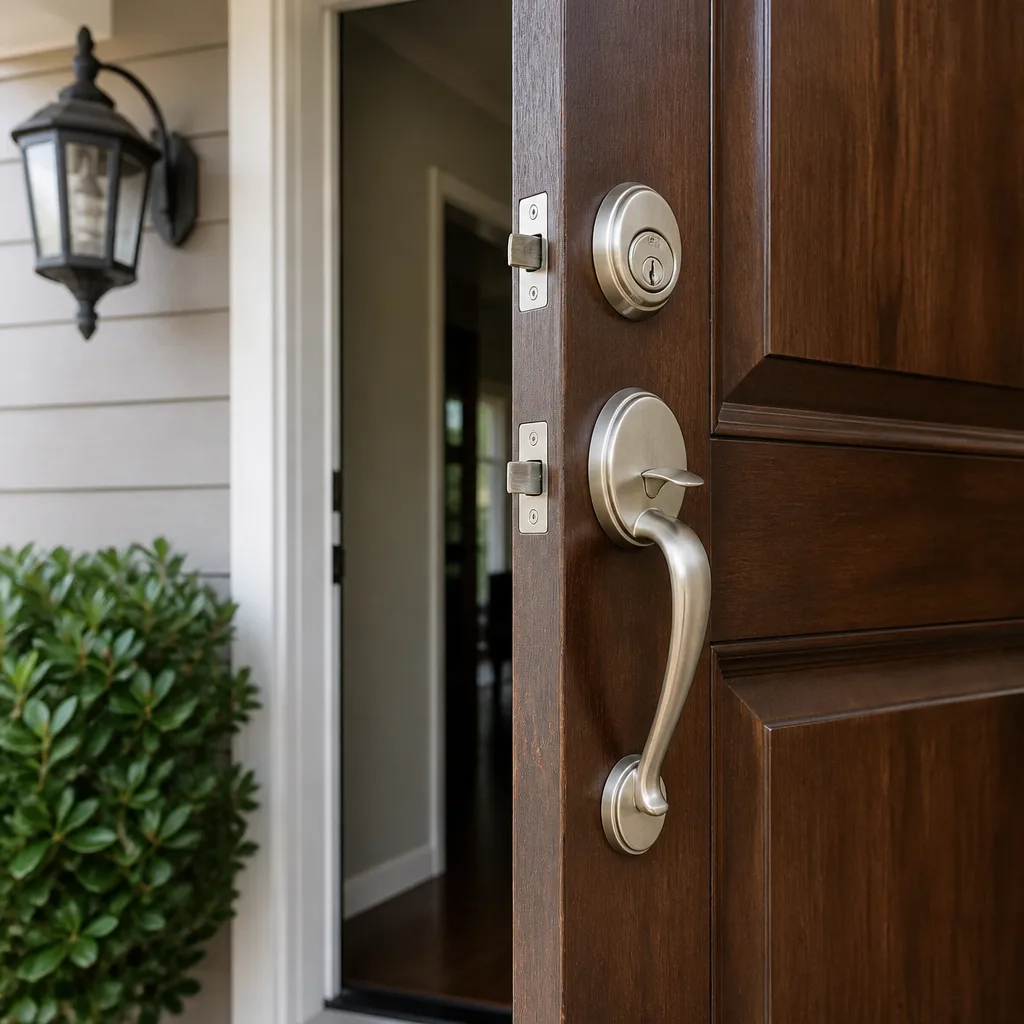
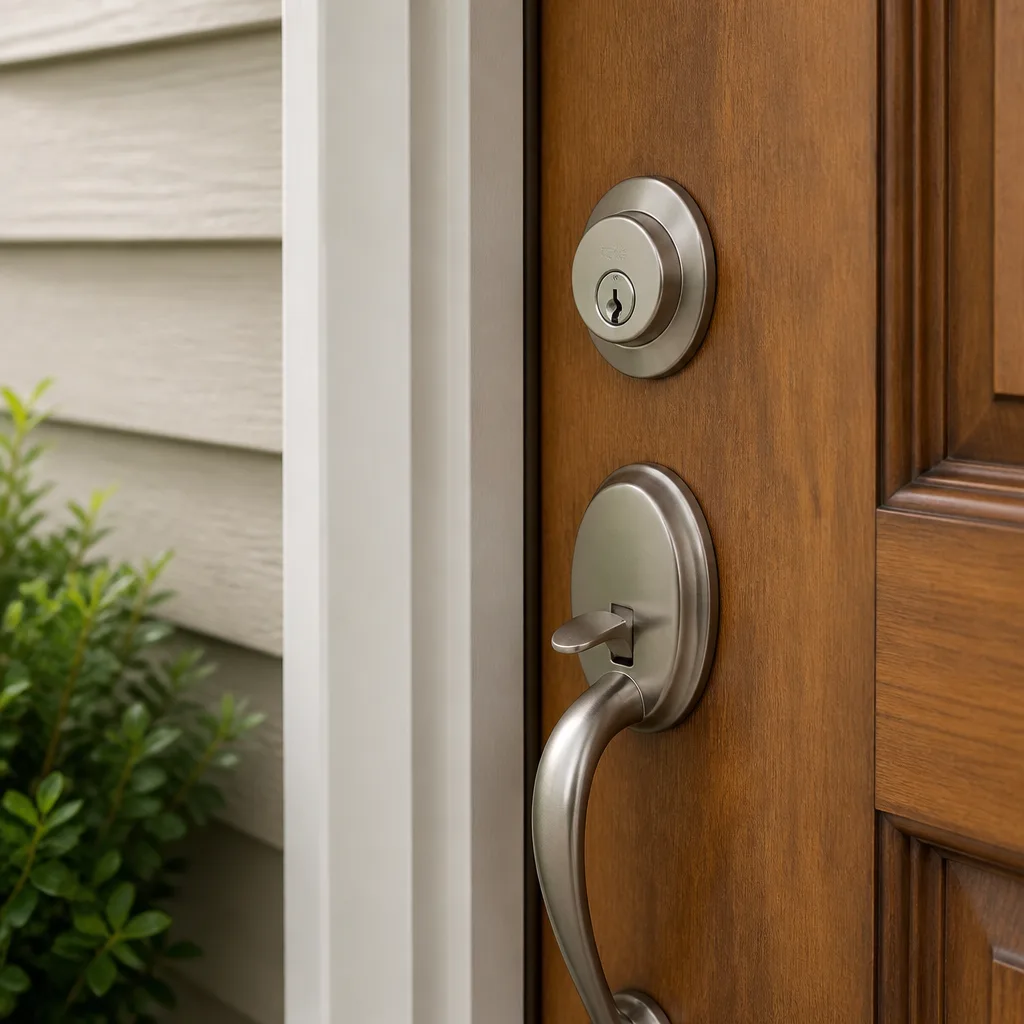
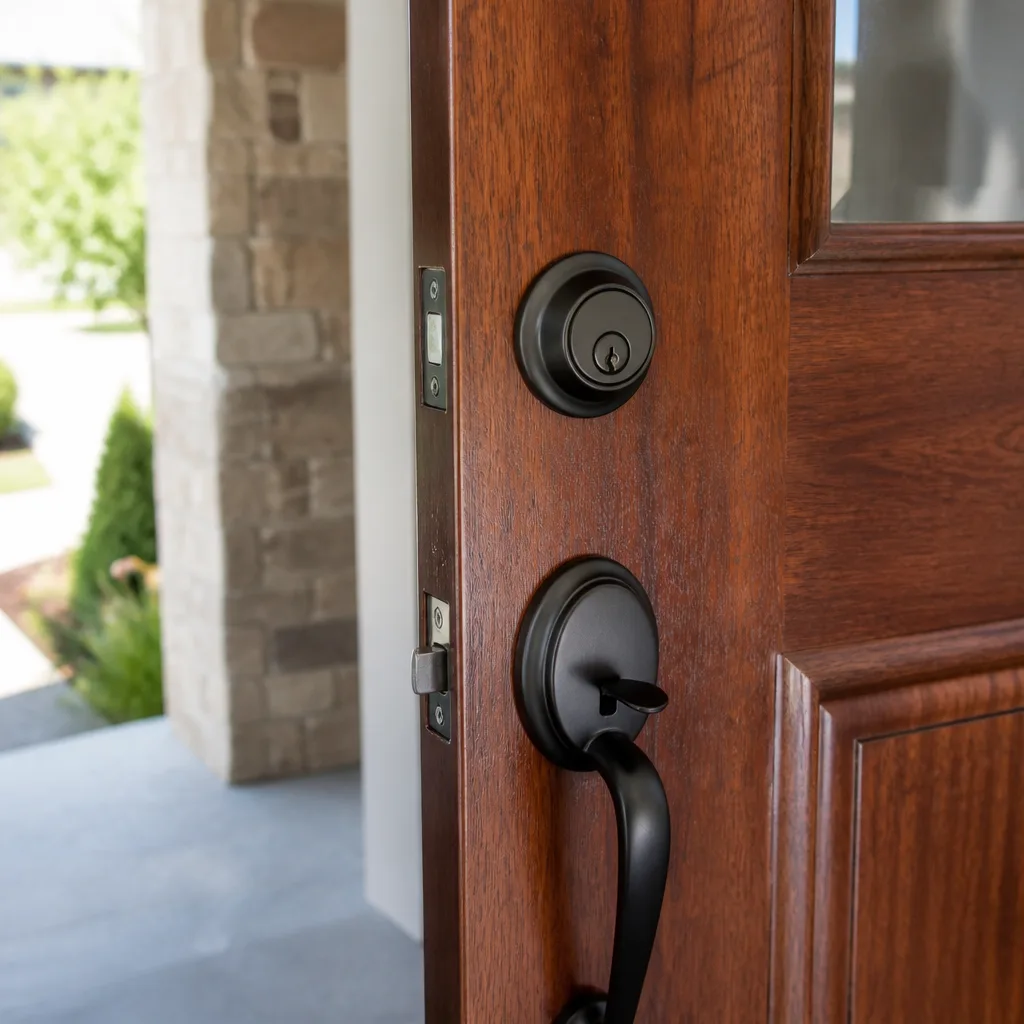
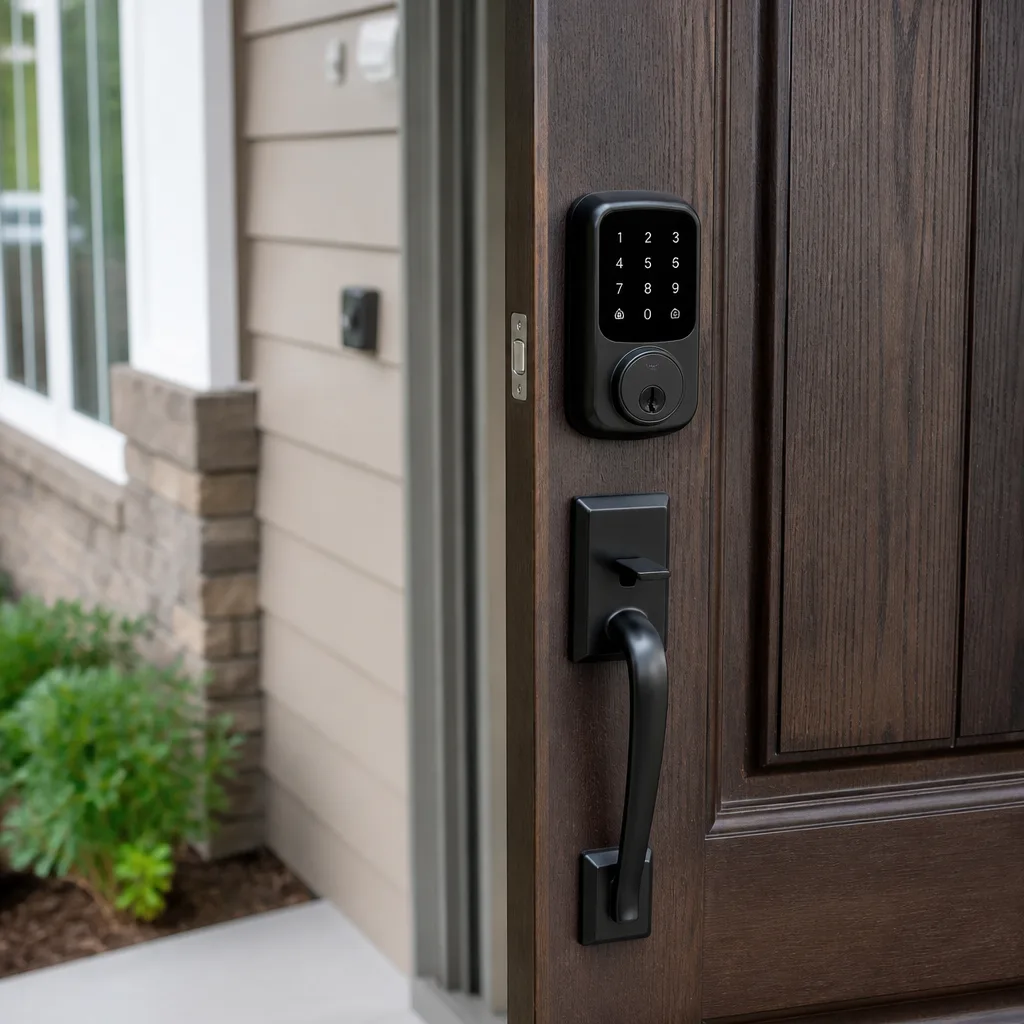
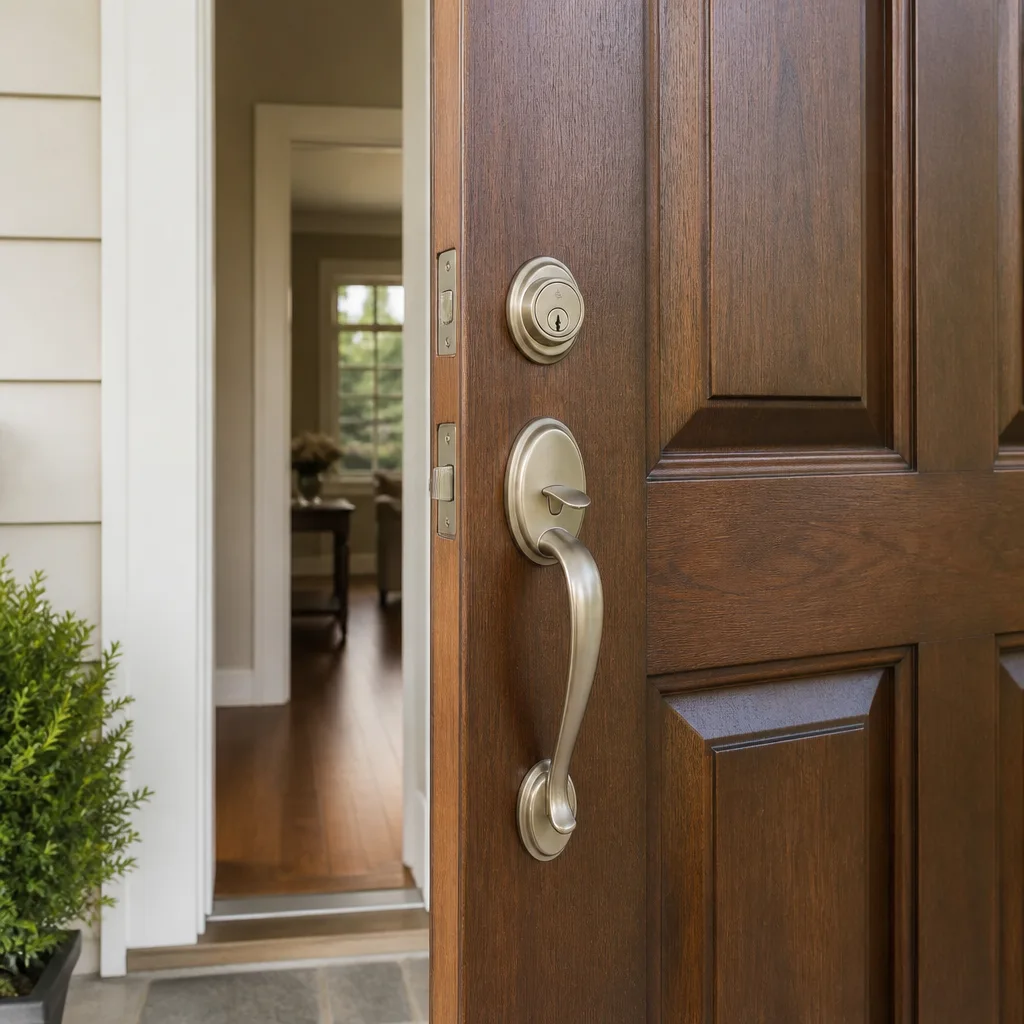
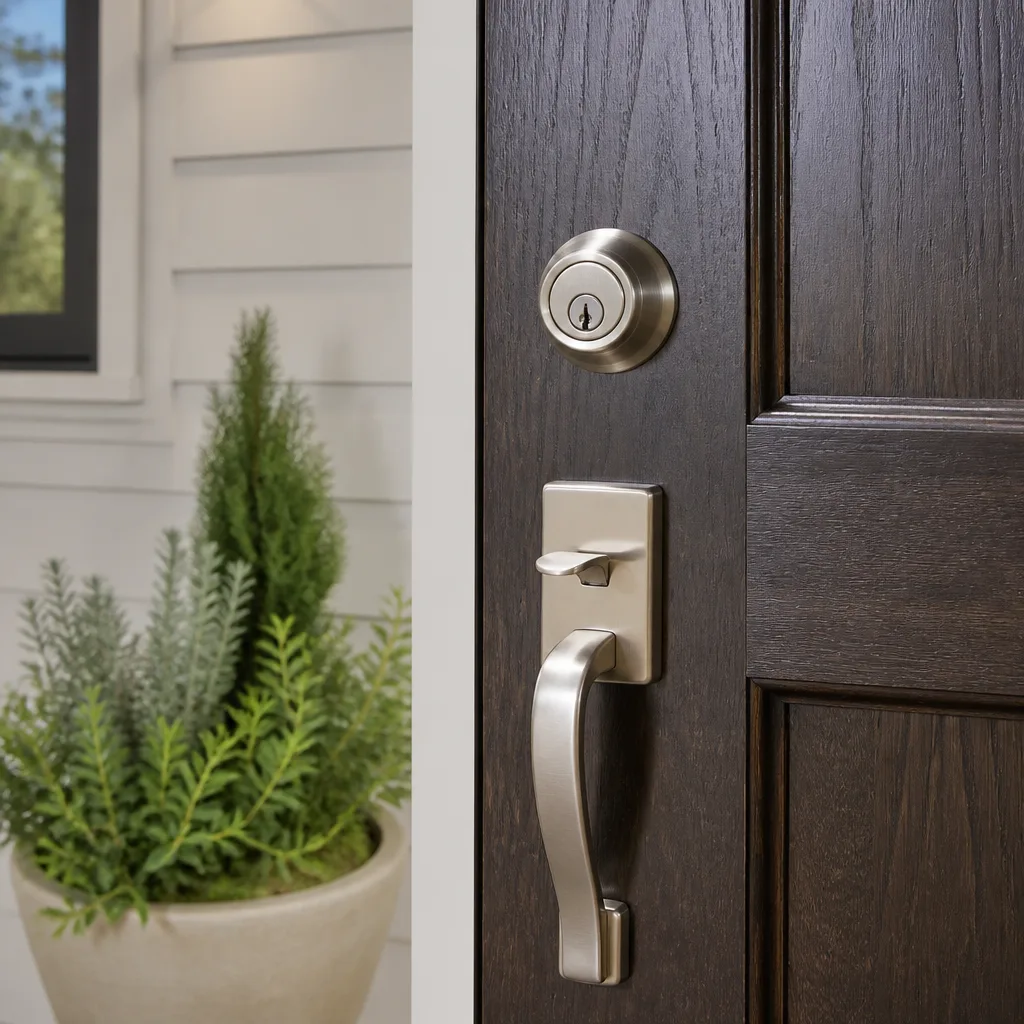
DIY vs Professional Rekey Locks: What’s Safe to Do Yourself
Kwikset’s SmartKey system lets homeowners rekey their own locks in about 30 seconds using a small tool that ships in the box with every new lock. But that same convenience feature is exactly why SmartKey cylinders carry a documented vulnerability to bump-key and force attacks that standard pin-tumbler Kwikset locks simply don’t share. This guide unpacks what’s actually safe for a homeowner to tackle, what goes wrong when the YouTube tutorial fails, and what a DIY vs Professional Residential Locksmith comparison reveals that a $20 retail kit never will. By the end, you’ll know which locks you can rekey at your kitchen table, which ones deserve a pro, and how to avoid the two mistakes that ruin more DIY rekeys than anything else.
Quick Answer
Rekeying your own locks is genuinely possible on Kwikset SmartKey hardware and select Schlage cylinders with a retail kit, but a professional rekey typically costs $25 – $35 per lock, includes a written guarantee, and removes the risk of a failed cylinder that leaves your door unsecured. For interior locks, DIY makes sense. For exterior deadbolts on your front door, the math changes quickly once you factor in the cost of replacing a cylinder you’ve accidentally ruined.
Table of Contents
- What Rekeying Actually Means (and What It Doesn’t)
- Which Locks Support Genuine DIY Rekeying
- The Real Cost Comparison: DIY Kit vs Professional Rekey
- Step-by-Step: What a DIY Rekey Actually Involves
- The Two Mistakes That Ruin DIY Rekeys
- Interior vs Exterior Locks: Where the Risk Splits
- What a Professional Rekey Includes That a Kit Doesn’t
- Los Angeles Considerations: Rentals, Older Hardware, and Multi-Point Locks
- Common Mistakes to Avoid
- When to Call a Professional
- Frequently Asked Questions
- The Bottom Line
What Rekeying Actually Means (and What It Doesn’t)
Rekeying is the process of swapping the internal pins inside a lock cylinder so that old keys stop working and a new key takes over. No new hardware gets installed. The lock body, the deadbolt throw, the strike plate, the faceplate, the thumbturn, and the exterior trim all stay exactly where they are. Only the pins and springs inside the cylinder change. That’s the whole job.
What rekeying does not do is upgrade the security rating of the lock itself. If you have a builder-grade Kwikset deadbolt that a determined person could kick through, rekeying it doesn’t make it stronger. It only invalidates old keys. That distinction matters because a lot of homeowners in Los Angeles rekey a lock after a tenant moves out and assume the door is now “more secure.” It isn’t. It’s differently keyed. The physical resistance of the lock is unchanged.
In practice, a rekey costs between $25 and $35 per cylinder at most Los Angeles locksmiths we talk to, though high-security brands like Medeco or Mul-T-Lock run higher because the pins and key blanks cost more. A standard Schlage or Kwikset residential cylinder takes a technician about 10 to 15 minutes. The price is mostly labor, not parts. Pins themselves cost pennies.
When we rekey at Preston Locksmith & Security, the written quote you get before we dispatch is the exact number on the invoice. No call-out fee gets added on arrival, no “per hour plus materials” surprise. The price covers the labor, the new keys, the pin kit consumables, and a written guarantee that the lock operates correctly when we leave. You’ll find the same expectation embedded in our Rekey Locks in Los Angeles page, where we break down exactly what the service includes and what it should cost in this market.
Which Locks Support Genuine DIY Rekeying
Not every lock on your door can be rekeyed with a retail kit. In fact, most can’t. Here’s the honest breakdown of what’s actually DIY-able and what isn’t.
Locks You Can Rekey Yourself
- Kwikset SmartKey cylinders: These have a small slot next to the keyhole. You insert the current key, turn it 90 degrees, push the SmartKey tool into the slot, remove the old key, insert a new key, turn back, and you’re done. No pins to handle. No cylinder removal. But the tradeoff is the security hole mentioned earlier: SmartKey cylinders use a wafer-based sidebar mechanism that security researchers and locksport communities have repeatedly demonstrated as vulnerable to bump-key attacks and, in some cases, a small screwdriver and a hard twist. Standard pin-tumbler Kwikset locks don’t share that vulnerability.
- Schlage with the retail re-keying kit: Schlage sells a “Rekeying Kit” for home use that includes new keys, pins, tweezers, and basic instructions. It works on standard Schlage cylinders. But here’s the catch: Schlage uses at least three different keyways (C, E, and F are common in Los Angeles residential stock), and if you buy the wrong kit for your keyway, the pins don’t seat. You’ll be on attempt number six before you realize the kit wasn’t designed for your lock.
- Any lock with a “rekeyable” label and matching retail kit: A few budget brands like Defiant and Gatehouse sell rekey kits at Home Depot. They work, but the pin tolerances are loose, and the cylinders they’re meant for are the cheapest on the market.
Locks That Require Professional Tools
- Schlage Primus, Everest, and any restricted keyway: These use side pins and finger pins that retail kits don’t include. You cannot buy the parts at Home Depot or on Amazon. Attempting this without a pinning kit is how cylinders get permanently jammed.
- Medeco, Mul-T-Lock, Abloy, and Sargent high-security cylinders: These brands use angled cuts, telescoping pins, rotating discs, or laser-cut keys that only a locksmith with brand-specific tooling can rekey. In Los Angeles commercial buildings, Mul-T-Lock and Medeco are common on retail storefronts and office suites. There is no DIY path. There isn’t even a gray-market path that works reliably.
- Smart locks with integrated cylinders: Some Schlage Encode and Yale Assure models let you rekey the cylinder portion if you know what you’re doing. But the cylinder sits inside a motorized housing, and reassembling it incorrectly damages the motor or breaks the communication board. If the lock still turns the deadbolt from the app, the failure is invisible until the app tells you the lock is “offline” permanently.
Our team at Preston Locksmith & Security carries pin kits and key gauges for Schlage, Kwikset, Medeco, Yale, Baldwin, Mul-T-Lock, Sargent, and Abloy, which means we can rekey everything from a standard residential deadbolt to a high-security commercial cylinder. That breadth is what you’re paying for when a single lock on your house doesn’t match anything you can buy a kit for. Our Preston Locksmith & Security home page goes into more detail about the full scope of what we service.
The Real Cost Comparison: DIY Kit vs Professional Rekey
Let’s put actual numbers on the table because most DIY articles hide behind vague language like “a fraction of the cost.” Here’s what the math actually looks like in Los Angeles in 2026.
- Kwikset SmartKey rekey: Cost for you: $0 if you still have the SmartKey tool that came with the lock, plus a new key blank ($4 – $8 at a locksmith or hardware store). Time: 5 minutes per lock. Risk: low, but the SmartKey vulnerability applies regardless of who rekeys it.
- Schlage retail rekey kit: Cost: $18 – $35 depending on the kit and how many keys you need. Time: 30 – 60 minutes for your first cylinder, including reading the instructions twice, dropping two springs, finding them on the floor, and starting over. Risk: moderate. Wrong keyway, wrong pin depth, or a dropped spring means a cylinder that no longer works.
- Professional rekey with Preston Locksmith & Security: Cost: $25 – $35 per cylinder, written price confirmed before work starts, no call-out fee. Time: 10 – 15 minutes per lock, and most Los Angeles homes with three or four locks are done in under an hour. Risk: none. If it doesn’t work right, the 365-Day Done Right Promise means we come back and fix it at no charge.
Here’s where the DIY math falls apart. A Schlage kit costs $25. A professional rekey of that same Schlage cylinder costs $25 – $35. If the DIY attempt goes wrong, you now have a broken cylinder and you’re calling a locksmith anyway. The replacement cylinder costs $20 – $40, plus the rekey, plus the trip. You’ve now paid twice what the professional rekey would have cost in the first place, and your door sat unsecured for the hour or two it took to get someone out.
The only scenario where DIY genuinely wins is Kwikset SmartKey, where the rekey takes 30 seconds and costs nothing if you kept the tool. But that brings us back to the security tradeoff. A Kwikset SmartKey lock rekeyed for free is still a SmartKey lock with a known bump-key vulnerability. A standard Kwikset deadbolt rekeyed professionally for $25 – $30 is more resistant to attack. The rekey isn’t the security feature. The cylinder is.
Kevin Yoon, who leads Preston Locksmith & Security, puts it flatly: “We see DIY rekeys fail most often on the exact locks people trust with their front door. The kit says ‘anyone can do it’ and the instructions assume a brand-new, perfectly machined cylinder. A five-year-old lock with wear on the plug isn’t in the instructions.”
Step-by-Step: What a DIY Rekey Actually Involves
If you’re going to attempt a DIY rekey, here’s the real sequence for a standard pin-tumbler cylinder, not the sanitized version on the back of the kit. This is not a step-by-step instructional for a dangerous activity, but an honest breakdown of what the process physically involves so you can decide whether it’s worth your time.
- Remove the lock from the door. This means taking off the interior plate, unscrewing the thumbturn assembly, and sliding the cylinder out of the edge of the door. On many Los Angeles homes built in the 1990s and earlier, those screws are painted over, stripped, or rusted from coastal moisture. Budget 10 – 20 minutes just for this step.
- Remove the cylinder plug. You need a plug follower, which comes in some kits but is often too short for the job. The follower must stay flush against the plug as you slide it out, or the springs and driver pins eject onto your floor. This is the single most common point of failure.
- Dump and sort the old pins. Each pin length corresponds to a cut depth on the key. You now need to match the new key’s cuts to the correct pin sizes using a chart in the kit. The chart is tiny. The pins are tiny. The difference between a number 2 and number 3 pin is 0.015 inches.
- Insert the new pins in the correct order. A single pin out of order and the key won’t turn. You won’t know until you’ve fully reassembled the cylinder and walked back to the door.
- Reassemble the cylinder and test. If the key turns, you reinstall the lock. If it doesn’t, you tear it down again and start over.
- Repeat for every lock you’re rekeying. Most homes have a front door, a back door, and at least one interior lock. If you want everything on the same key, you’re doing this three or more times.
For Kwikset SmartKey, the whole process collapses to: insert old key, turn, insert SmartKey tool, remove old key, insert new key, turn back, done. That’s genuinely it. No pins, no follower, no disassembly. If every lock on your home is SmartKey, you can rekey your entire house in under 10 minutes. The question is whether that convenience is worth the documented bump-key risk on exterior doors, and for many Los Angeles homeowners we talk to, the answer is: interior locks yes, front door no.
The Two Mistakes That Ruin DIY Rekeys
When a DIY rekey goes wrong, it almost always goes wrong in one of two specific ways. Understanding these before you start is the difference between a working lock and a $40 replacement cylinder.
Mistake 1: Incorrect follower use that drops the driver pins
The plug follower is the rod you push through the cylinder shell to keep the springs and driver pins from flying out when you remove the plug. If the follower isn’t exactly the right diameter, or if it slips even a millimeter, the driver pins eject. Once a driver pin and spring are on the floor of your kitchen or garage, you’re done. You cannot buy individual driver pins at a retail store. The kit includes enough for the job it assumes you’ll complete, not spares for the job you’ll partially ruin. The lock now cannot be reassembled without parts you don’t own, and your door is off its hinges or your deadbolt is in pieces. At that point, the call to a Los Angeles locksmith is not optional, and you’ve added a service fee on top of whatever parts we need to bring.
Mistake 2: Using the wrong pin kit for your keyway
Kwikset uses a KW1 keyway. Schlage residential locks in Los Angeles almost always use SC1, but the SC4 keyway shows up on some newer Schlage B60 and B560 deadbolts, and the two are not interchangeable. The kit you bought at Home Depot is keyed to one keyway, and the packaging rarely calls out which one in letters big enough to notice. If the keyway doesn’t match, the new key won’t even slide into the plug. You’ll assume you did something wrong, tear the cylinder apart again, and still end up with a key that doesn’t fit. In our experience, this is the most common reason a homeowner in Los Angeles calls us on a Saturday afternoon with a half-disassembled Schlage lock and a kit that never had a chance of working.
Interior vs Exterior Locks: Where the Risk Splits
The DIY decision isn’t one-size-fits-all. It splits cleanly between interior and exterior hardware, and the split is about consequence, not difficulty.
Interior locks, bedroom doors, home offices, interior garage doors, don’t guard much. If a DIY rekey on an interior lock goes wrong, you have a non-working door inside your house. It’s annoying. It’s not a security emergency. You can still leave the house, sleep safely, and deal with it whenever you get around to calling someone. For interior hardware, a Kwikset SmartKey rekey makes total sense, and even a standard pin-tumbler attempt with a retail kit is low-stakes enough to try if you’re patient and have good light.
Exterior deadbolts are different. If you remove the cylinder from your front door deadbolt and fail to rekey it correctly, your front door is now unsecured. Not just unlocked, but mechanically non-functional. You can’t leave the house because you can’t leave a locked door behind you. You can’t go to bed with the door secured. In a Los Angeles neighborhood where you might be blocks away from routine property crime, an unsecured front door is a genuine vulnerability. And the clock is ticking: every hour that door sits unfixable is an hour you’re exposed. This is exactly why our Door Lock Repair in Los Angeles page exists. When a lock fails, whether from a DIY attempt or natural wear, the repair isn’t about convenience. It’s about restoring security the same day.
The practical rule: rekey interior locks yourself if you’re inclined. Call a professional for exterior deadbolts, especially on the door you use most. The $25 – $35 per cylinder you pay a pro is, in the worst-case comparison, less than the cost of the replacement cylinder you’ll need if the DIY attempt fails on the lock that matters most.
What a Professional Rekey Includes That a Kit Doesn’t
A retail rekey kit includes pins and a chart. A professional rekey includes a set of things that don’t fit in a blister pack, and they’re the reason the price is what it is.
First, a cylinder condition assessment. Before rekeying anything, we look at the plug for scoring, the springs for fatigue, the keyway for wear that indicates the lock is near the end of its service life. In Los Angeles, older locks near the coast develop internal corrosion from salt air, and locks in the Valley get fine dust packed into the cylinder over years of heat cycles. A professional catches these issues before rekeying, not after. We’ll tell you if the lock is worth rekeying or if a new cylinder or full replacement makes more sense, following a proper Door Lock Repair Maintenance Schedule. A kit tells you nothing.
Second, key gauge verification. After cutting new keys, we check them against the original cuts using a key gauge to confirm the increments are precise. Mass-produced keys from kiosks and big-box machines are cut to looser tolerances. Sometimes they work; sometimes they don’t. With professional equipment, the key either comes out correct or we cut it again before we leave your property. You’re not testing keys in your front door and hoping.
Third, the written guarantee. Preston Locksmith & Security stamps every rekey with the 365-Day Done Right Promise. If the lock doesn’t operate correctly, if the key sticks, if the cylinder feels gritty a month later, we come back at no charge. No arguing, no service fee, no “well you must have done something to it.” That’s what “if it’s not done right, we make it right” means, and it’s written down on every job. A retail kit comes with a 30-day return policy on unopened packaging, which is not the same thing.
Fourth, the price is locked before work starts. The Relay Visibility Guarantee means the written price is agreed on before a single tool leaves the bag. You’re not paying a dispatch fee that gets tacked on, you’re not paying an “assessment fee” that you only learn about when you open the invoice, and you’re not paying per hour for a technician to sit in traffic. The price you’re quoted is the price on the invoice. For anyone who’s been burned by a locksmith before, that’s the difference between calling with confidence and not calling at all.
Los Angeles Considerations: Rentals, Older Hardware, and Multi-Point Locks
Rekeying in Los Angeles carries specific wrinkles that generic DIY guides never mention because they’re written for a national audience with a suburban midwest house in mind.
Renters and landlords. Los Angeles has a massive rental population, and California Civil Code requires landlords to rekey locks between tenants. If you’re a landlord with a duplex in Echo Park or a four-plex in Eagle Rock, rekeying every unit between turnovers isn’t optional. Doing it yourself with Kwikset SmartKey hardware works if every unit has SmartKey locks, but most older LA rental stock has mixed hardware: a Schlage deadbolt here, a Kwikset knob there, a Baldwin handleset with a cylinder that was installed in 1987. Mixed hardware means a pro with multiple pin kits is faster and cheaper than buying three different retail kits and hoping.
Older hardware. Much of Los Angeles housing stock predates the 1980s. Spanish-style homes in the Mid-Wilshire area, Craftsman bungalows in Highland Park, and postwar ranches in the Valley often have original mortise locks or aging tubular cylinders that don’t match anything at Home Depot. Mortise locks require a different rekeying process entirely, and the cylinders aren’t shaped like anything a retail kit expects. Attempting a DIY rekey on a mortise lock is a fast path to a broken door mechanism and a call to us anyway.
Multi-point locks. Some higher-end homes and a growing number of commercial storefronts in Los Angeles use multi-point locking systems where a single key throw engages three bolts down the edge of the door. These systems are common on newer builds and European-style doors. The cylinder can be rekeyed, but the process must preserve the timing and alignment of the multi-point mechanism. A DIY kit doesn’t address this. A professional rekey includes checking that the multi-point system still throws all three bolts cleanly after the cylinder is rekeyed. For commercial properties that use these systems, our Commercial Locksmith in Los Angeles page covers the full scope of what’s involved.
Common Mistakes to Avoid
- Buying the first rekey kit you see without checking your keyway. Kwikset and Schlage use different keyways, and even within Schlage there are at least three common residential keyways in Los Angeles. If the key doesn’t slide in, the kit is useless no matter how carefully you pin the cylinder.
- Attempting a DIY rekey on the front door as your first project. The front door is the highest-consequence lock on your property. If it fails, you’re not just out $25 for the kit. You’re exposed until a locksmith can reach you. Start with an interior lock or a back door you can live without for a day.
- Trusting the SmartKey rekey without understanding the SmartKey security tradeoff. SmartKey’s convenience is real. So is its documented vulnerability to bump-key attacks. Using SmartKey on your front door because it’s easier to rekey is trading everyday convenience for a lower security ceiling.
- Not budgeting for the time cost. Your first DIY pin-tumbler rekey will take 45 to 60 minutes if everything goes smoothly. Most people in Los Angeles value that hour at more than the $10 of savings versus a professional rekey.
- Rekeying a lock that’s already failing. If the key sticks, the cylinder feels gritty, or the lock is 15 years old and has never been serviced, rekeying doesn’t fix the underlying wear. A professional would tell you the cylinder is done. A retail kit will happily sell you pins for a lock that needed replacement anyway.
- Assuming all locksmith quotes are comparable. A $19 rekey ad usually isn’t a $19 rekey. In Los Angeles, bait-pricing locksmith scams are common enough that the city has cracked down repeatedly. A written price before work starts, which is standard for Preston Locksmith & Security, is the only reliable way to know what you’ll actually pay.
When to Call a Professional
Call a professional when the lock is on an exterior door and you need it secured the same day. Call when the hardware is anything other than a standard Kwikset or Schlage pin-tumbler cylinder: mortise locks, multi-point systems, smart locks with integrated cylinders, and any high-security brand like Medeco or Mul-T-Lock all fall outside DIY territory. Call when you’re a landlord who needs rekeys done between tenants and the property has mixed hardware. Call when a DIY attempt has already gone wrong and the cylinder is in pieces on the floor. And call when you want the rekey backed by a written guarantee instead of your own fingers crossed.
Preston Locksmith & Security offers free estimates in Los Angeles. The price is confirmed in writing before work starts, and every rekey is covered by the 365-Day Done Right Promise. Call (409) 405-4485 and a live person picks up. No voicemail, no callback queue, no phone tag.
Frequently Asked Questions
You can, but only on locks that match the kit’s keyway, and only if you execute the cylinder disassembly correctly. Kwikset SmartKey locks are the exception: they rekey in 30 seconds without any disassembly and without any kit beyond the tool that ships with the lock. For standard Schlage or Kwikset pin-tumbler cylinders, a retail kit works in principle but carries a real risk of failure on the first attempt. Call (409) 405-4485 if you’d rather have it done right the first time, with a written guarantee.
A standard residential rekey in Los Angeles runs $25 – $35 per cylinder, with high-security brands like Medeco and Mul-T-Lock priced higher due to parts and labor. Preston Locksmith & Security confirms the full price in writing before work starts, and no call-out fee gets added when the technician arrives. The quote you get on the phone is the number on the invoice.
Yes. The written price we quote on the phone is the price on the invoice. There is no dispatch fee, no assessment fee, no “per hour plus materials” ambiguity. If the technician finds something unexpected, we’ll show you exactly what it is and quote any additional work in writing before touching anything. You’ll never see a bill that swelled between the estimate and the invoice.
For most rekey jobs, we’re on-site within a few hours of your call, depending on your neighborhood and the time of day. The Relay Visibility Guarantee includes a live trackable arrival time so you know when the technician is coming and can follow their arrival in real time. Call (409) 405-4485 and we’ll give you an honest window up front.
Preston Locksmith & Security has been operating since 2008 and is part of the Relay Home Co. family, with each location independently owned and operated. Every technician is background-checked and arrives in uniform. Every job includes a written price before work starts, before-and-after photos, and a written guarantee. That’s The Relay Visibility Guarantee, and it’s standard on every job, not an upgrade.
Yes. If you have multiple locks and want them all on one key, we can key them alike as part of the rekey. This is common on Los Angeles homes where the front door, back door, and side gate all use different keys. Keying alike is included in the rekey pricing when the locks are the same keyway, and we’ll tell you up front if mixed brands require different keys. Call (409) 405-4485 and we’ll walk through what you have before scheduling anything.
The Bottom Line
Rekeying your own locks is a viable option on Kwikset SmartKey hardware and select Schlage cylinders, but the real question is whether the savings survive contact with reality. A $18 – $35 retail kit competes with a $25 – $35 professional rekey that includes a cylinder assessment, key verification, and a written guarantee. On interior locks, the DIY route is worth trying. On exterior deadbolts, where a failed cylinder means an unsecured door, the professional route wins on cost, speed, and certainty. If you’re in Los Angeles and want a rekey done with the price locked in writing before anyone arrives, call (409) 405-4485. A live person answers, and we can point you to more guides & resources for keeping your home secure.
Written by Kevin Yoon, Owner at Preston Locksmith & Security, serving Los Angeles since 2008.