
Last updated October 9, 2026
Non-destructive entry first, always - and we re-key Schlage, Kwikset, and Baldwin locks on the spot while you watch
You get a price before we start. It does not change when we arrive. No surprises.
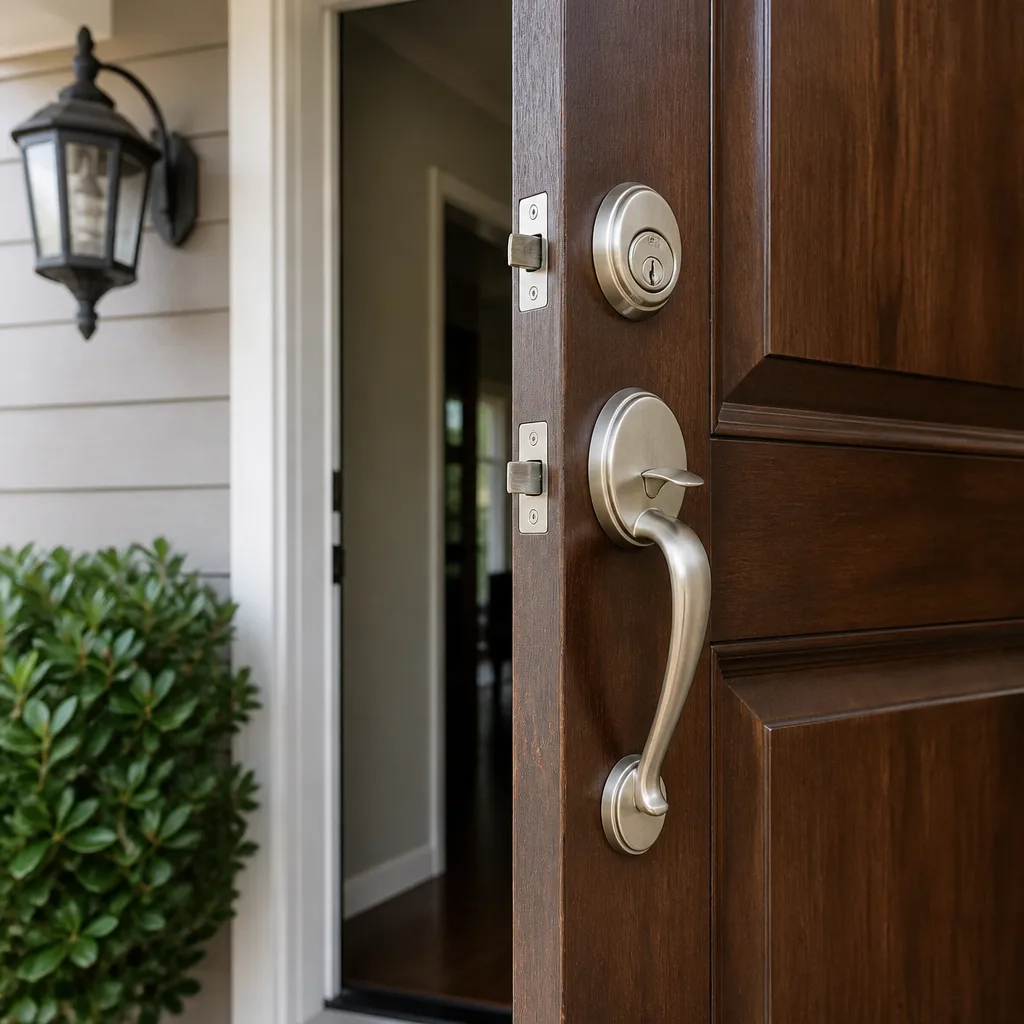
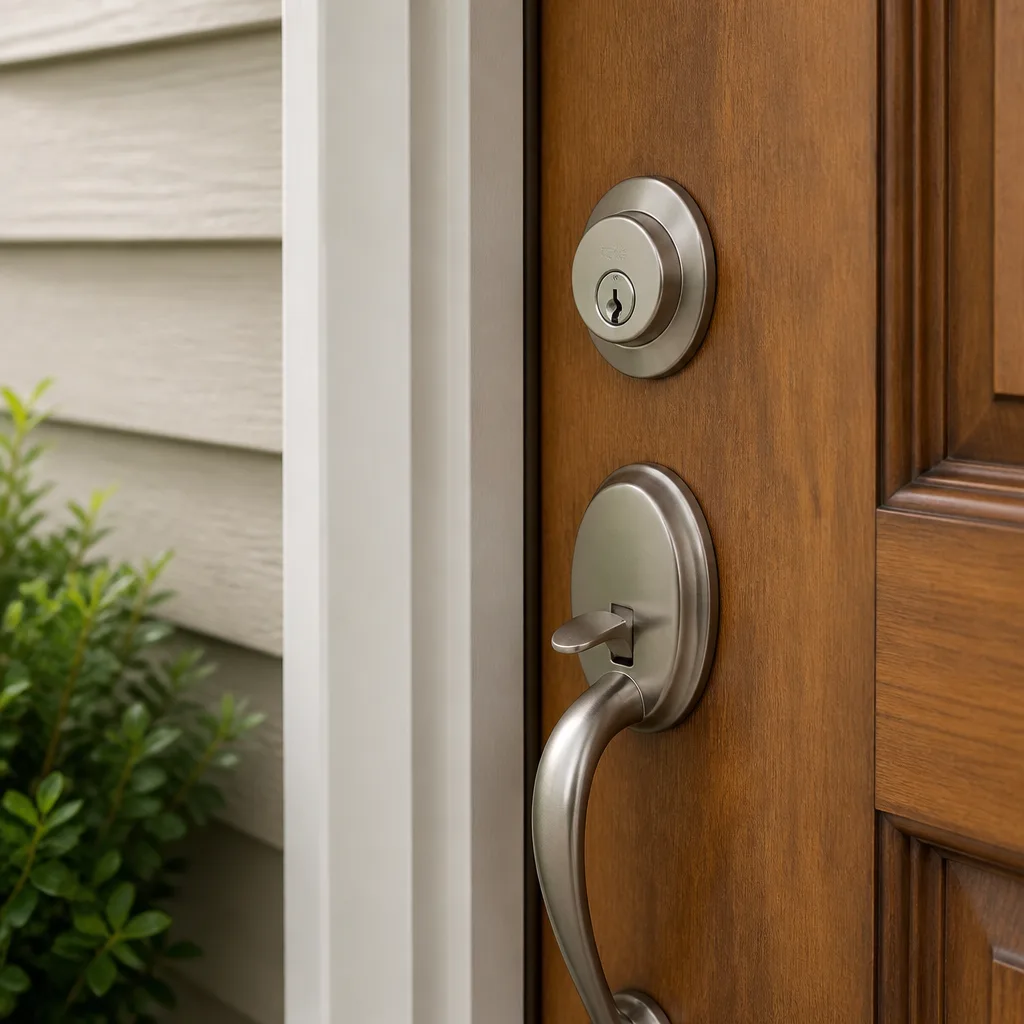
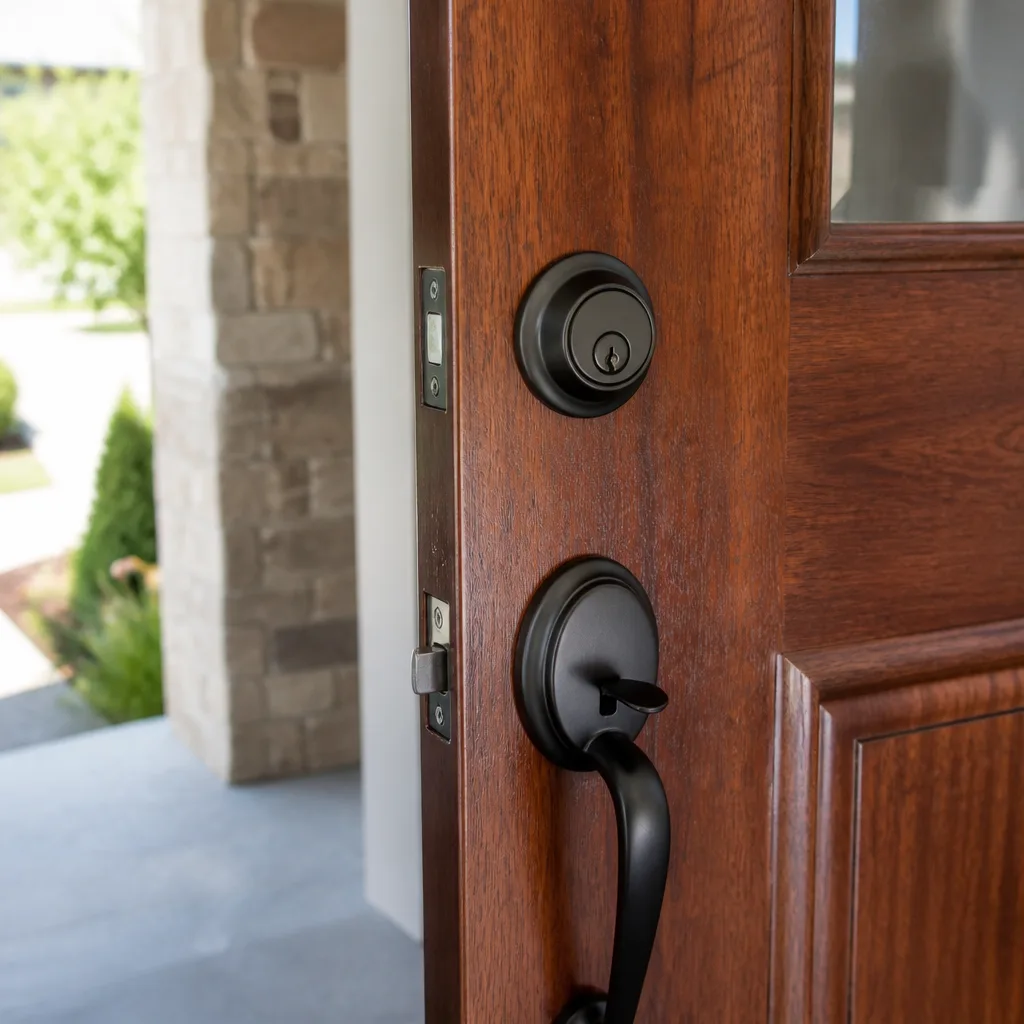
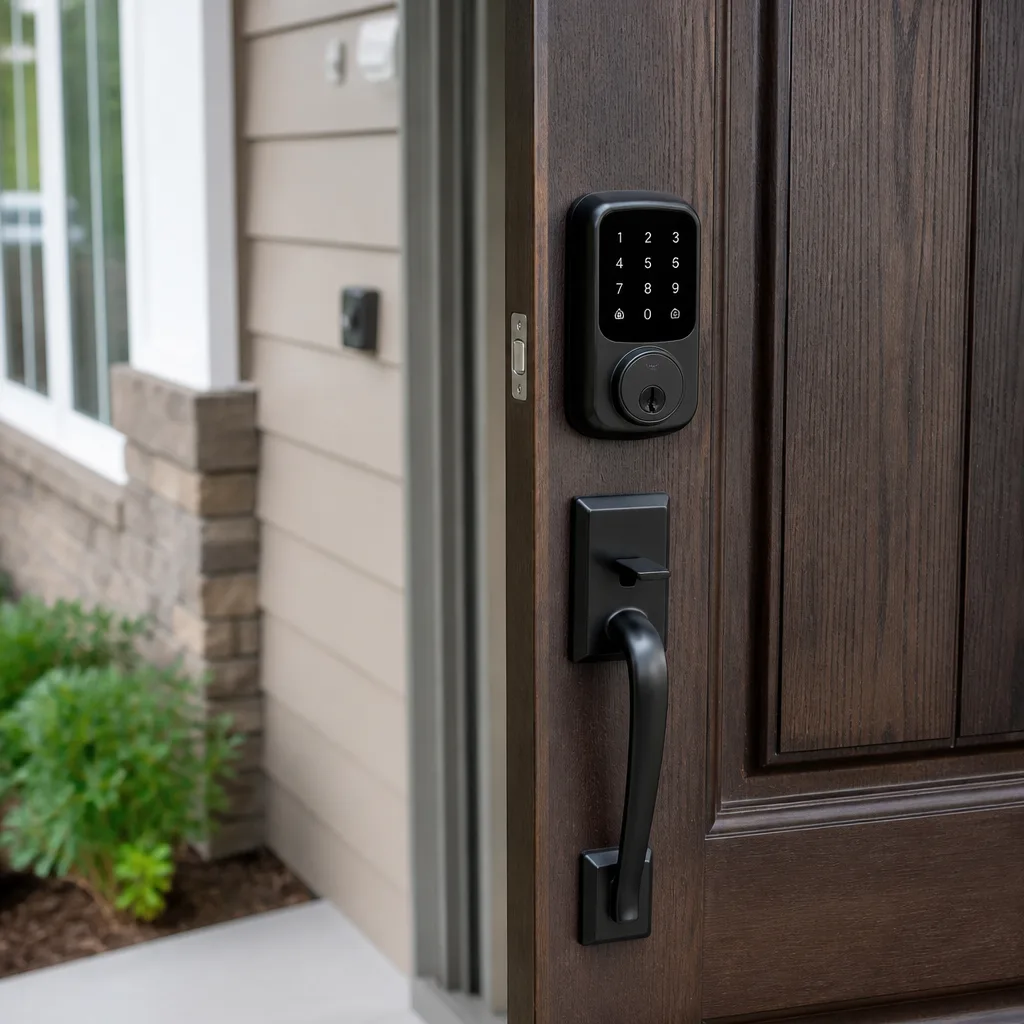
DIY vs Professional Residential Locksmith: What’s Safe to Do Yourself
YouTube currently hosts more than 40,000 lockpicking and rekeying tutorials, each one shot in a clean workshop with good lighting and a patient instructor. None of them show what happens when you snap a pin spring inside a live Schlage deadbolt at 11 PM on a Sunday night in Los Angeles, with your front door no longer locking and your family asleep upstairs. This guide gives you the honest boundary line between what a careful homeowner can tackle with a screwdriver and what demands a trained pro with a pin kit and liability insurance. We’ll walk through real task-by-task comparisons, actual costs in the LA market, and the failure scenarios that never make it into the highlight reels.
Quick Answer
Safe DIY locksmith work includes lubricating sticky locks, tightening loose door hinges, and replacing basic interior knobs with the exact same model. Anything involving pin-and-tumbler internals (rekeying), high-security cylinders, smart lock wiring, or a lock that has already failed (key broken off, cylinder drilled out, door won’t secure) belongs in professional hands. The dividing line is consequence: a $12 rekey kit can permanently damage a $90 Schlage cylinder and turn a $75 rekey job into a $200+ replacement.
Table of Contents
- The Task-by-Task Safety Matrix
- The Real Cost of a Failed DIY Job
- What’s Actually Safe to Do Yourself
- Rekeying vs. Replacing: Why the Difference Matters
- Tools a Confident DIYer Actually Needs
- Los Angeles-Specific Factors Most Guides Miss
- The Insurance and Liability Angle Nobody Mentions
- Common Mistakes to Avoid
- When to Call a Professional
- Frequently Asked Questions
- The Bottom Line
The Task-by-Task Safety Matrix
Before you touch a single tool, you need an honest assessment of what you’re about to work on. We’ve broken the most common residential lock tasks into three tiers based on what goes wrong when the work goes sideways, not just when it goes right. For a deeper dive on keeping your locks in top shape, see our Door Lock Repair Maintenance Schedule: What to Do and When.
Tier 1: Yes, do this yourself
- Lubricating a sticky lock: Graphite powder or a dry PTFE spray into the keyway, cycle the key 8-10 times, wipe off excess. This fixes roughly half of all “my key is hard to turn” complaints before any disassembly happens.
- Tightening loose door hinges: A screwdriver and 10 minutes. Loose hinges cause sagging doors, which cause misaligned strike plates, which cause locks that bind.
- Replacing an interior privacy knob (bedroom/bathroom): Same brand, same model, two screws, 15 minutes. Interior knobs have no keyed cylinder, so the risk is essentially zero.
- Adjusting a strike plate that’s misaligned by less than 1/8″: File the opening slightly wider, or move the plate with the door closed to confirm alignment. Cosmetic, low-stakes work.
Tier 2: Proceed with extreme caution
- Replacing an exterior entry knob or deadbolt with the exact same model: Doable in 45-90 minutes your first time, but mistakes here affect exterior security. One wrong alignment of the tailpiece and your door locks from the outside but won’t open from inside, or vice versa.
- Installing a simple strike plate reinforcement kit: These come with longer screws that bite into the door frame stud. Useful, but if your frame is split or compromised, you’re masking a structural problem.
- Weatherstripping around an exterior door: Low security risk, moderate patience required. Not a locksmith task at all, but often grouped in with door maintenance.
Tier 3: Do not attempt without professional training
- Rekeying a pin-and-tumbler lock (Schlage, Kwikset, Yale): This requires removing the cylinder plug, replacing the bottom pins, and reassembling under spring tension in the correct order. One dropped pin spring, and the lock either stops working or becomes dangerous to operate.
- Installing or servicing high-security cylinders (Medeco, Mul-T-Lock, Abloy, Sargent): These are not beginner locks. They often use sidebars, telescoping pins, or rotating disc systems that require factory-level training to service.
- Hardwired smart lock installation: Low-voltage wiring in a door frame that flexes every time the door closes. A pinched wire that shorts out six months later is a callback you cannot fix yourself.
- Any lock that has already failed (key broken, cylinder drilled, door won’t secure): If the lock was damaged before you started, you’re not doing maintenance. You’re doing repair work on a compressed timer.
- Extracting a broken key from a lock: The spiral extractor tool costs $6, but using it on a live lock with a pin stack behind the break can turn a clean extraction into a cylinder replacement in one wrong twist.
The Real Cost of a Failed DIY Job
Here’s the scenario nobody in the tutorial comments section mentions: you attempt a rekey on your Schlage deadbolt, lose a pin spring on the floor, find it, put everything back together, and now the key won’t turn at all. For help diagnosing issues before they escalate, check our Door Lock Repair Troubleshooting: Common Problems and How to Fix Them. The cylinder is seized. At this point, you’re no longer a DIYer with a 75-cent replacement spring on the way from an online retailer. You’re a homeowner with a front door that doesn’t lock.
In the Los Angeles market, a standard rekey runs $75 to $120 per lock, written price confirmed before work starts. That’s the cost of a professional swapping the internal pins so old keys no longer work, no new hardware needed. But when a DIY attempt has already damaged the cylinder, the job changes entirely. The locksmith now has to drill the lock out, remove the destroyed cylinder, and install a replacement. The bill lands between $200 and $300, and that’s before you account for the time you spent, the tools you bought, and the hours your home sat unsecured.
We see this specific failure at least once a month in Los Angeles. Someone buys a rekey kit for under $20, watches two tutorials, and winds up with a front door they cannot lock. The hardware that could have been rekeyed for under $100 is now scrap. Rekeying is not the same as replacing, and the final invoice reflects which one actually happened.
What’s Actually Safe to Do Yourself
The genuinely safe DIY lock work has one thing in common: none of it opens the door to the pin-and-tumbler mechanism. You’re working on the hardware around the lock, not the lock itself.
1. Lubricate your locks every 6 months
Los Angeles dust is fine and abrasive. It gets into keyways, mixes with the factory grease, and creates a paste that slows the pins down. Twice a year, a quick shot of dry PTFE lubricant (not WD-40, which leaves an oily residue that collects more dust) keeps the lock operating smoothly. This is a 5-minute job that prevents half of the “my key gets stuck” calls we’d otherwise get.
2. Tighten door hinges and check the reveal
If you can slide a dime between the door slab and the frame at the top but not the bottom, your hinges are loose and the door is sagging. Tighten all visible hinge screws first. If any screw just spins without grabbing, pull it out, break off two or three wooden toothpicks into the hole, drive the screw back in. This restores the door alignment so the deadbolt actually throws into the strike plate opening. A deadbolt that only half-engages is a deadbolt that’s doing 40% of its rated work.
3. Replace an interior knob set (same brand, same model)
Interior privacy knobs for bedrooms and bathrooms cost $15 to $40 at any Los Angeles hardware store. If you buy the exact same brand and model you already have, you are literally backing out two screws, pulling the two halves apart, putting the new halves on, and reinserting the screws. No keyed cylinder, no pins, no risk. Take a photo before you start so you know how the latch face was oriented.
4. Install a strike plate reinforcement kit
This is the single highest-value DIY security upgrade. Replace the stock strike plate screws with 3-inch screws that go through the door jamb and into the framing stud behind it. The stock screws on most Los Angeles homes are 3/4-inch and only grab the jamb, which gives way after one solid kick. Kits cost $15 to $25, take 30 minutes, and require only a drill and a screwdriver. The caveat: if your door frame is cracked or split from a previous forced entry attempt, the reinforcement plate is a bandage, not a repair. That’s a Door Lock Repair in Los Angeles situation.
Rekeying vs. Replacing: Why the Difference Matters
Rekeying means opening the cylinder, replacing the internal pins, and cutting new keys to match the new pin heights. The external hardware stays exactly as it is. Replacing means removing the entire lock body and installing new hardware. They are different jobs with different prices, and confusing them is the most expensive mistake a DIYer makes.
A professional Rekey Locks in Los Angeles service typically runs $75 to $120 per cylinder in our market. The hardware you already have stays on the door. The old keys stop working immediately. This is what you want after moving into a new place, after a tenant moves out, or after you realize you’ve given out too many spare keys and can’t account for all of them.
Replacing a standard Schlage deadbolt at a hardware store costs $35 to $60 for the part, plus 45-90 minutes of your own time for a first-timer. The problem is that the average LA home built before 1990 has multiple exterior doors on different keyways. Replace just one lock and now you’re carrying two keys when you used to carry one. A rekey lets a pro set every lock in the house to one key, even if the hardware brands don’t match. Schlage, Kwikset, and Yale cylinders can all be programmed to the same keyway as long as they are the same keyway type. That’s pin kit precision, not hardware swapping.
The failure mode that separates the two jobs: when a DIY rekey goes wrong, the lock seizes. When a DIY replacement goes wrong, the door doesn’t latch. Neither one is fixable by ordering a new spring online, because your door is now unlocked and you need it secured before you go to sleep.
Tools a Confident DIYer Actually Needs
If you’ve read this far and the Tier 1 and Tier 2 tasks sound like your speed, here’s what a real toolkit looks like. Not the $200 Instagram-perfect setup, but what actually gets the job done in a Los Angeles apartment or single-family home.
- Number 2 Phillips screwdriver ($8-15): This covers 90% of the screws on residential locksets and strike plates.
- Flathead screwdriver, small ($5-10): For prying off interior knob faceplates and adjusting latch backset clips.
- Cordless drill with bit set ($60-120 if you don’t already own one): Required for strike plate reinforcement and any hardware swap that involves new screw holes.
- 3-inch screws, box of 25 ($6): The backbone of any door frame reinforcement work.
- Dry PTFE lubricant spray ($8-12): Not WD-40. PTFE dries clean and does not attract dust.
- Needle-nose pliers ($10-15): For pulling out stripped screws and holding latch assemblies in place during alignment.
- Pencil and painter’s tape ($4): Mark screw hole positions before you drill. Tape catches the dust. Your landlord will thank you.
Realistic time budget: a knob replacement with the exact same model takes 45 minutes the first time, 20 minutes the second time. A strike plate reinforcement takes 30-40 minutes per door. If you’re planning a weekend of door work across a three-bedroom Los Angeles house, budget four to five hours total, including the trip to the hardware store. If you have to make that trip twice because you bought the wrong backset (2-3/8″ vs 2-3/4″), you’re in good company. Most first-timers do.
Los Angeles-Specific Factors Most Guides Miss
Generic locksmith guides ignore geography. Here’s what actually changes when the job site is in Los Angeles.
Marine layer and coastal locking hardware
Homes west of the 405 get hit with damp salt air every morning. Unsealed brass hardware tarnishes fast, and cheaper locks with zinc cylinders corrode from the inside. If you live in Venice, Mar Vista, or the Palisades, use stainless steel or clear-coated brass hardware on exterior doors. We regularly service Kwikset cylinders in coastal Los Angeles that look fine on the outside and are green with corrosion on the inside.
Older housing stock and non-standard doors
A huge percentage of Los Angeles homes were built between 1920 and 1965. Those doors are not standard 2-3/8″ backsets. Many are 2-3/4″ or custom mortise-milled. The Schlage hardware at the big box store assumes you have a modern door. Buy a modern deadbolt, try to install it on a 1947 door in Echo Park or Highland Park, and the geometry doesn’t line up. This is the number one DIY installation fail we get called in to rescue.
Security screens and gate locks
Many LA homes have a primary door plus a security screen door. The screen door has its own lock, often a rim latch or a mortise lock that hasn’t been made since the Carter administration. You cannot buy replacement parts for these at any hardware store in Los Angeles. If the screen door lock fails, you need a locksmith who can source salvage parts or retrofit modern hardware. This is not a DIY job.
Multifamily and condo security rules
If you live in a Los Angeles condo or townhome, your HOA likely has rules about exterior hardware. Some HOAs require that all unit doors key to a master key system held by the building manager. Replacing your own deadbolt can violate your CC&Rs and make your unit inaccessible to building staff in an emergency. Always check with your HOA before swapping exterior hardware. This isn’t a locksmith rule, it’s a Los Angeles living rule.
The Insurance and Liability Angle Nobody Mentions
Here’s the part that never comes up in tutorials: if you install your own lock, and that lock fails during a break-in, your homeowners insurance claim could be denied on the grounds of improper hardware installation.
Standard HO-3 policies in California require all exterior doors to have functioning locks. They do not require professional installation. But most policies also contain language about “reasonable maintenance” and “negligence exclusions.” If you installed a deadbolt yourself, and the strike plate wasn’t fully seated, and a break-in happened because a simple shoulder push popped the door open, the adjuster can argue that your DIY work created the vulnerability. We’ve seen denied claims in Los Angeles where the door frame damage was cited as pre-existing and the lock installation as non-compliant with manufacturer specifications.
A professional locksmith carries liability insurance. If a locksmith installs a deadbolt and it fails during a break-in, the claim shifts. The professional’s insurance is the backstop, not your deductible. That’s not marketing language. That’s the difference between a DIY repair and a service call, and it’s information that matters when you’re deciding whether $120 for a professional installation is expensive or whether it’s actually the cheaper option. Our Commercial Locksmith in Los Angeles work extends the same standard to storefronts and offices, where insurance requirements are even stricter.
Common Mistakes to Avoid
- Using WD-40 on a lock: It frees things up temporarily, then leaves a residue that captures fine LA dust and turns into lock sludge. Use dry PTFE lubricant instead.
- Buying a new lock without checking the backset: Standard is 2-3/8″. LA homes built before 1965 are often 2-3/4″ or custom. Measure first, then buy.
- Attempting rekey with a $12 kit: Rekeying a Schlage or Kwikset cylinder requires spring tension control, pin depth matching, and a follower tool. One lost spring means a seized lock and a professional bill that doubled because of your attempt.
- Replacing only one exterior lock and carrying two keys: A professional rekey sets every lock to one key. A DIY hardware swap usually creates key consolidation problems for years.
- Ignoring the strike plate: A $90 deadbolt on a door frame held by 3/4-inch screws is only as strong as the shortest screw. Reinforce the strike plate with 3-inch screws before you buy a fancier lock.
- Trying to drill out a broken key by yourself: The drill bit walks off the glossy brass, chews up the keyway, and destroys the cylinder. Broken key extraction is a professional job with an extractor tool and light touch.
- Not documenting your work: If you do the DIY work, take before and after photos. If a problem arises later, you’ll have a record of exactly what you did and when. Your insurance adjuster and your locksmith will both ask for this.
When to Call a Professional
Call a professional when the lock protects a primary exterior door and the task involves pin-and-tumbler internals. Call when a key has broken off in the cylinder. Call when the hardware you’re trying to service is older than you are and no longer manufactured. Call when the door doesn’t secure even though the lock appears to work. Call when your HOA says you have to. Call when you need every lock in the house on one key and you don’t have a pin kit or the 6-12 months of practice it takes to become competent with one. Preston Locksmith & Security offers our Residential Locksmith services with free estimates in Los Angeles, a written price before any work starts, and a live trackable arrival time. Call (409) 405-4485. The full price is quoted on the phone before anyone is dispatched, and that’s the price on the invoice. No call-out surcharge added on arrival.
Frequently Asked Questions
A standard rekey runs $75 to $120 per cylinder in the Los Angeles market, with the written price confirmed before work starts. A standard exterior deadbolt replacement runs $150 to $300 including hardware, depending on whether you want a Schlage B60 series or a higher-security option. The price quoted on the phone is the full price on the invoice. No dispatch fee added, no arrival surcharge, no “it’s more complicated than we thought” escalation.
Technically yes, if you buy a pin kit, follower tool, and have the patience to learn the process, but rekeying is the exact job where DIY attempts most often end in a $200+ professional repair bill. A dropped pin spring or a misloaded chamber seizes the cylinder and turns a $95 rekey into a $250 replacement. This is the one task on the entire DIY spectrum where we tell people the risk math doesn’t work in their favor.
Rekeying changes the internal pins so existing keys stop working and new keys are cut to match. The hardware stays on the door. Replacing removes the entire lock body and installs new hardware. Rekeying runs $75 to $120 per cylinder in Los Angeles and lets every lock in the house work on one key. Replacing a single lock is fine if you want better hardware, but you’ll be carrying an extra key unless a professional rekeys everything to match.
Preston Locksmith & Security answers calls with a live person 24/7 and provides a live trackable arrival time before dispatch. Standard response times vary by neighborhood and time of day, but you’ll know who is coming, what they look like, and when they will arrive before the technician knocks. Background-checked, uniformed technicians. No voicemail trees, no callback queues, no four-hour windows.
Yes. The written price is locked in before any work starts, and it’s the price on the final invoice. This is the entire point of The Relay Visibility Guarantee: written price before work begins, live trackable arrival, before-and-after photos, and a written guarantee on every repair. If the repair fails within 365 days, we make it right at no charge. That’s the 365-Day Done Right Promise.
For most LA homeowners, Schlage and Kwikset offer the best balance of availability, price, and reliability. Schlage deadbolts in the B60 series are workhorses and accept rekeying cleanly. Kwikset’s SmartKey line is convenient for DIY rekeying but has more moving parts than a standard pin-and-tumbler. For higher security, Medeco, Mul-T-Lock, Abloy, and Sargent cylinders require professional installation and cannot be rekeyed at home. A professional can walk you through what’s actually worth the upgrade for your specific door and neighborhood.
The Bottom Line
The DIY locksmith question is not about whether you’re handy. It’s about what happens when the thing you’re fixing is the barrier between your home and everyone who didn’t earn the right to be inside it. Lubricate your own locks. Tighten your own hinges. Swap interior knobs. Reinforce your own strike plates with 3-inch screws. All of that is honest, achievable work. But when the job opens the pin-and-tumbler internals, or touches a high-security cylinder, or involves a lock that has already stopped securing your door, the $95 professional rekey is the cheapest bill you’ll ever pay compared to the cost of a failed DIY attempt at the wrong time. That’s not gatekeeping. That’s consequence math, and it works the same in Venice as it does in Echo Park. Explore more guides & resources to keep your home secure.
Preston Locksmith & Security home offers rekeying, door lock repair, and full residential locksmith service across Los Angeles. For a free estimate with a written price before any work starts, call (409) 405-4485.
Written by Kevin Yoon, Owner at Preston Locksmith & Security, serving Los Angeles since 2008.