
Last updated October 9, 2026
Non-destructive entry first, always - and we re-key Schlage, Kwikset, and Baldwin locks on the spot while you watch
You get a price before we start. It does not change when we arrive. No surprises.
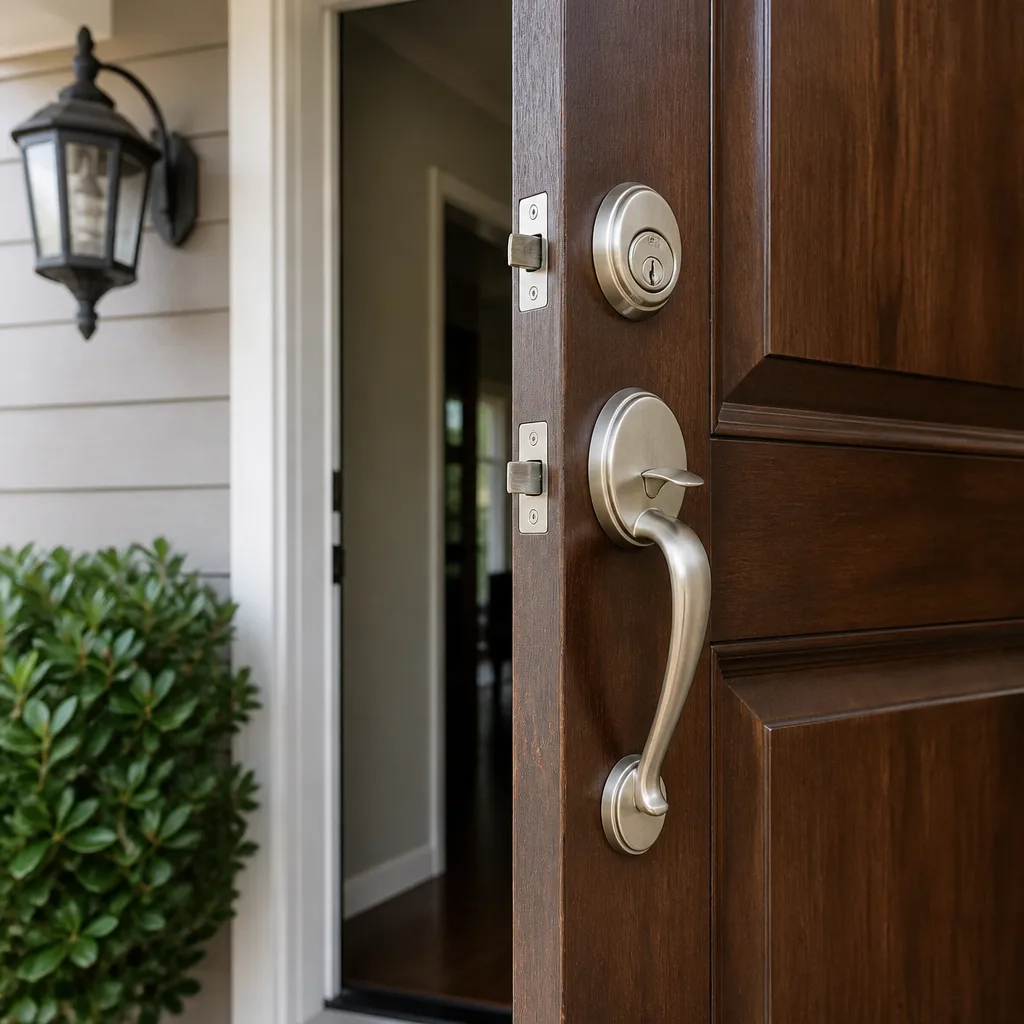
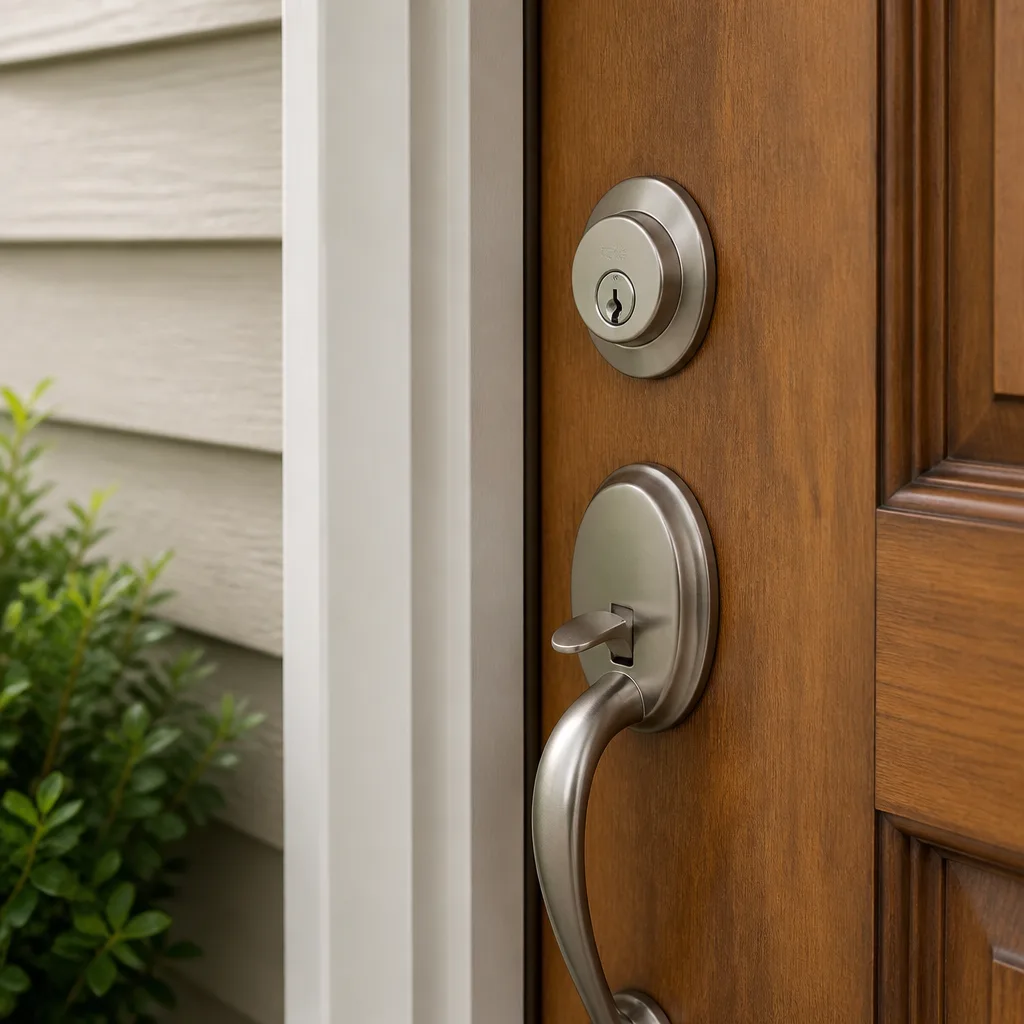
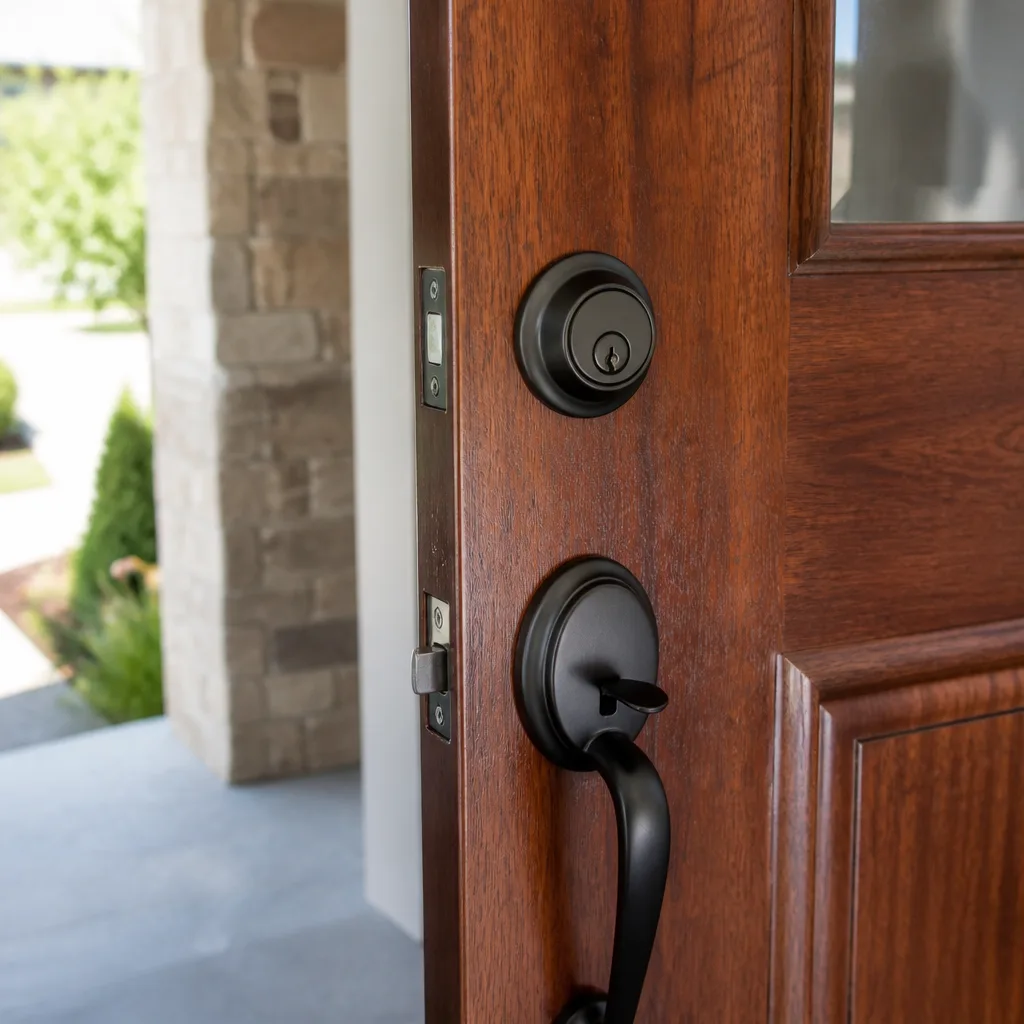
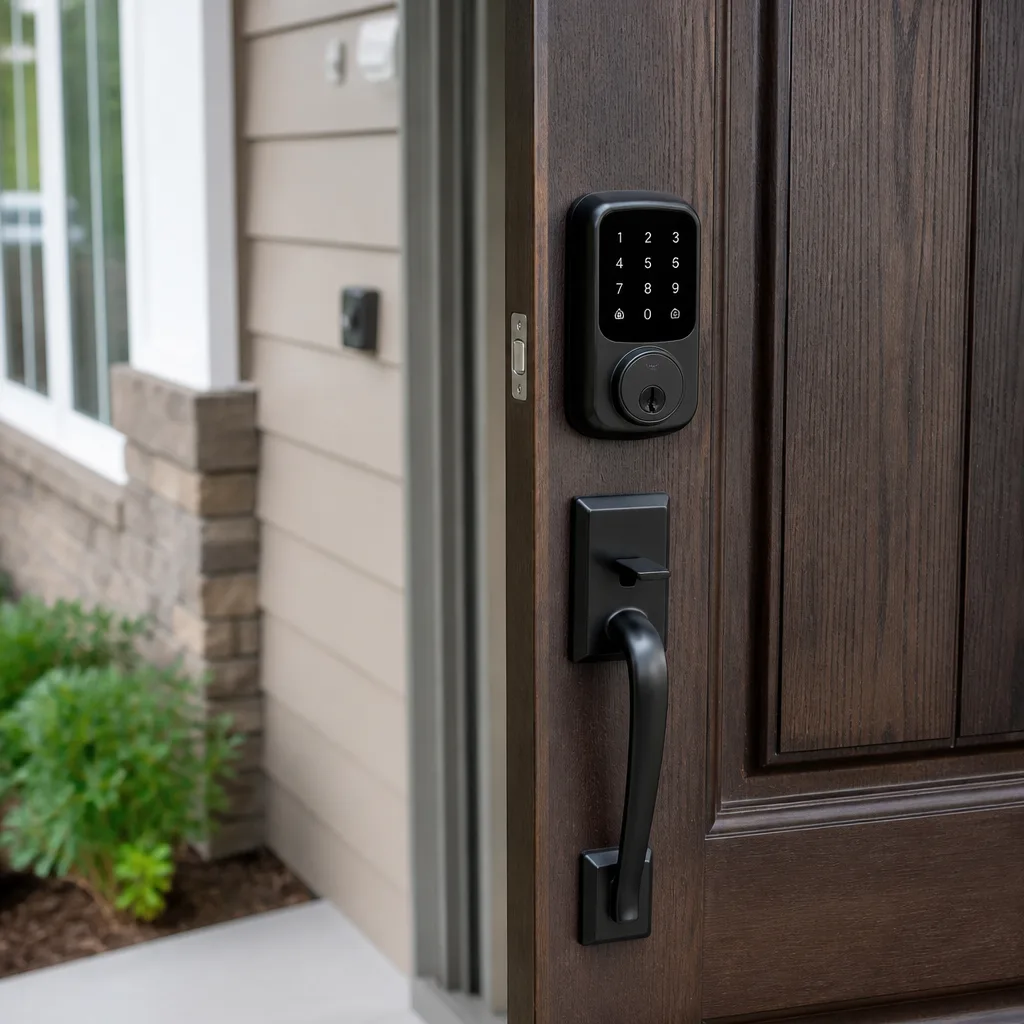
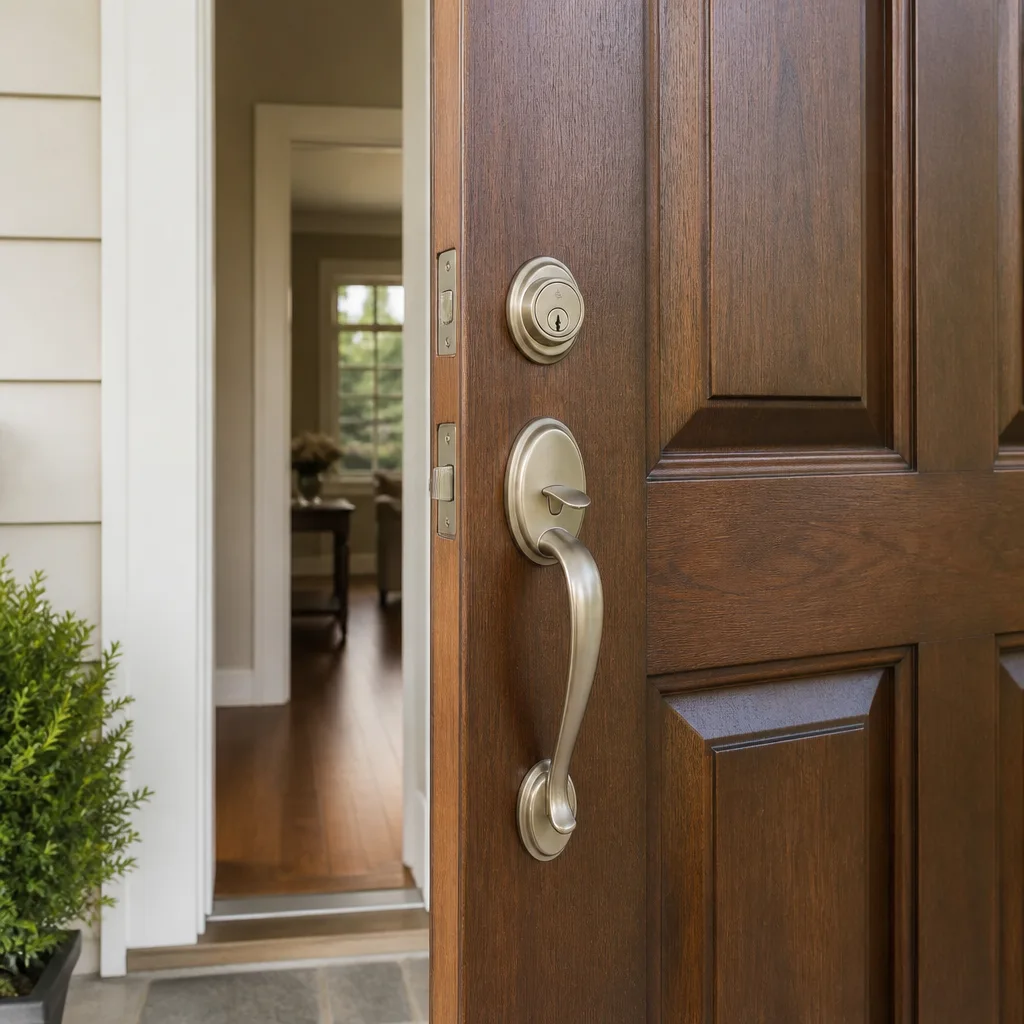
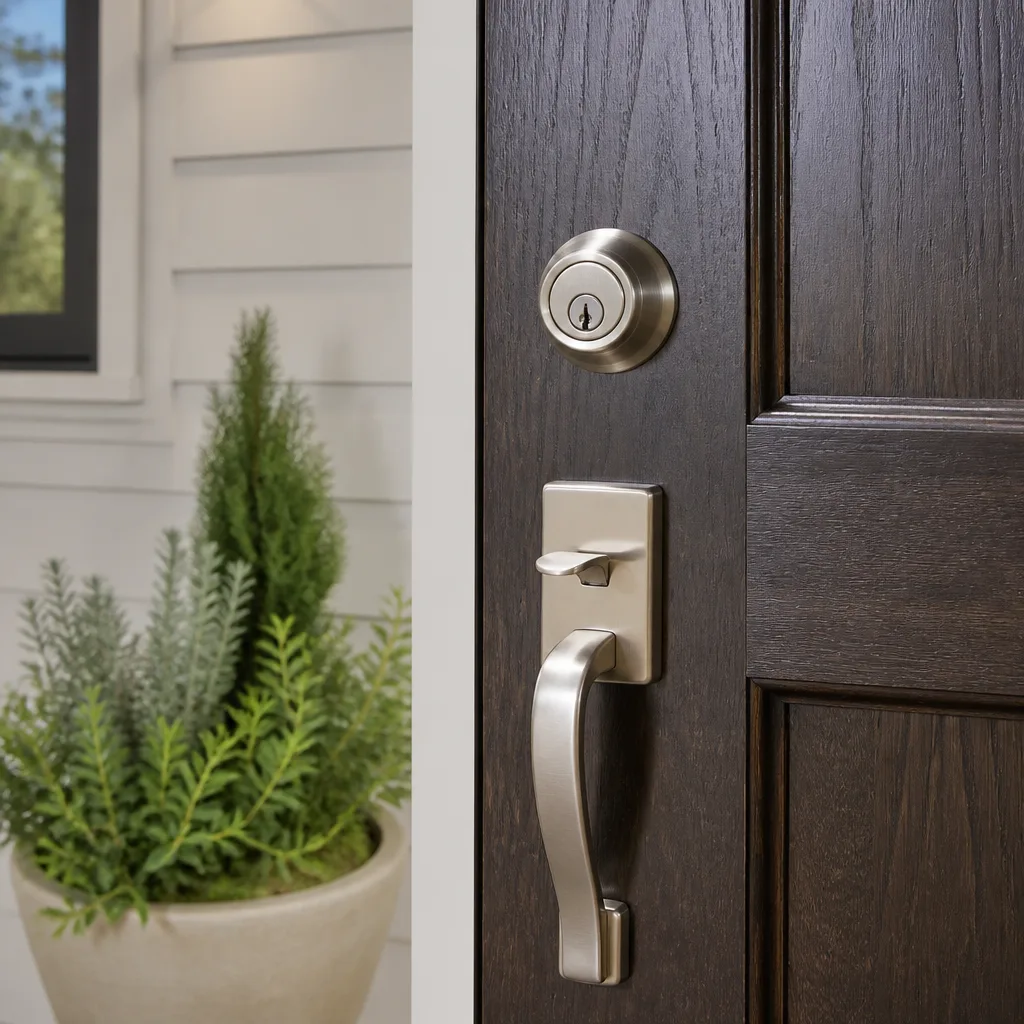
Locksmith Warning Signs: A Los Angeles Homeowner’s Reference Guide
Most Los Angeles break-ins don’t start with a shattered window. They start with a lock that was already failing. Bump keys, pick guns, and even simple worn-out cylinders leave fingerprints behind, but only if you know what you’re looking at. A lock that gets bumped or picked often shows zero visible damage from the outside, yet leaves three distinct wear patterns inside the cylinder that a flashlight and a $3 pick gauge reveal in under 30 seconds. This guide walks you through every warning sign your locks, door frames, and smart-lock event logs are trying to give you before someone else finds them first, and points you to Rekey Locks Warning Signs Every Homeowner Should Know for a deeper look at what compromised keys reveal.
Quick Answer
The clearest signs a lock needs replacing in Los Angeles are key resistance when inserting or turning, a cylinder that wobbles inside its housing, and visible scratch marks around the keyway that look like tool marks rather than normal wear. Normal key wear is gradual and centered. Break-in attempt marks are sharp, off-angle, and often clustered near the bottom of the keyway. If your deadbolt throws but the door still shifts against the strike plate, or if your smart lock logs false-unlock events, treat it as an urgent security gap. Replacing a standard residential deadbolt in Los Angeles typically runs $35 to $90 for hardware, with professional installation adding $85 to $150, and the full price confirmed in writing before any work starts.
Table of Contents
- The Six Physical Warning Signs of a Lock Under Stress
- How to Tell the Difference Between Normal Wear and a Break-In Attempt
- Warning Signs Specific to Los Angeles Rental Properties
- Electronic and Smart Lock Warning Signs
- The Door Frame Warning Signs Most People Miss
- What Lock Grades Actually Mean for Los Angeles Homes
- Common Mistakes to Avoid
- When to Call a Professional
- Frequently Asked Questions
The Six Physical Warning Signs of a Lock Under Stress
A lock rarely dies suddenly. It fails in stages, and each stage leaves a physical trace you can spot without taking anything apart. Here are the six signs we check for on every service call in Los Angeles, from Santa Monica condos to Highland Park bungalows and downtown lofts.
1. Key Resistance When Inserting or Turning
If your key needs a wiggle, a jiggle, or a push to seat fully into the keyway, the internal pins are worn or the cylinder itself has shifted. In coastal neighborhoods like Venice and Playa del Rey, salt air accelerates corrosion on brass pins and springs, making insertion resistance worse within a few years of installation. A healthy lock accepts the key smoothly with no side-to-side play. Resistance means the pins are no longer aligning cleanly with the cuts on your key.
2. Cylinder Wobble Inside Its Housing
Grab the face of the lock where the key enters and try to rock it. A properly installed cylinder sits flush and stone-solid. Movement here means the retaining hardware is loose or the cylinder tailpiece has worn down. This wobble is what bump-key attacks exploit: a loose cylinder transfers more kinetic energy into the pins, making bumping dramatically easier. On Schlage B60 and Kwikset 980 deadbolts, cylinder wobble is the single most common pre-failure signal we see in older LA homes.
3. Misaligned Strike Plate
Look at the metal plate on the door frame where the bolt enters. If the deadbolt scrapes the edge of the strike plate when you close the door, or if the door needs a hip-check to latch, the frame has shifted. Los Angeles’s clay-heavy soil expands and contracts with seasonal moisture, which moves foundations and door frames. San Fernando Valley homes built in the 1950s and 1960s are especially prone to this. A misaligned strike plate forces the bolt to engage at an angle, wearing the internal mechanism unevenly and cutting the lock’s effective lifespan roughly in half.
4. Worn Key Cuts
Hold your most-used key under a bright light. The notches, which locksmiths call cuts, should have sharp, defined shoulders. On copies made from copies, the cuts round off and the spacing drifts. This causes the pins to ride higher or lower than the cylinder expects. You’ll notice it as intermittent sticking, especially on cold mornings when metal contracts. If your key is visibly worn, the cylinder’s pin chambers are wearing too, because a sloppy key scrapes and grinds the pins with every insertion.
5. Loose Set Screws
Most deadbolts have small set screws on the interior thumbturn and sometimes on the exterior collar. Over time, repeated lock-and-unlock cycles back these screws out. A loose set screw creates play between the thumbturn and the cylinder, meaning the bolt may not fully throw even when the thumbturn hits its stop. In high-traffic entryways, we find set screws backed out anywhere from a quarter turn to completely missing within three to five years of installation.
6. Visible Scratch Patterns Around the Keyway
Normal key use leaves a light, vertical polish mark on the face of the lock, centered where the key inserts. Break-in attempts leave something different: arcing scratches, gouges, or circular marks around the keyway opening that indicate a pick gun, a bump key, or an impressioning tool was worked against the lock. These marks overlap rather than following a single consistent insertion angle. On bright-finish locks, such as polished brass Baldwin deadbolts or satin nickel Sargent hardware, tool marks are easy to spot once you know what normal looks like.
How to Tell the Difference Between Normal Wear and a Break-In Attempt
Wear happens gradually and consistently. Break-in attempts happen fast, hard, and off-axis. The difference is visible if you know the telltale patterns. Here’s what separates routine aging from evidence that someone attacked your lock.
Bump Marks: Sharp Vertical Scarring Inside the Keyway
A bump key works by slamming all the pins upward simultaneously while the attacker taps the key with a rubber mallet. This produces distinctive denting at the top of the keyway, where the bump key shoulders slam against the cylinder face. Under a flashlight, bump marks look like a line of tiny dings running horizontally along the upper edge of the keyway opening. Normal key insertion never touches this surface, because a real key stops at the shoulder, which sits lower in the keyway than the bump key’s striking surface.
Pick Scratches: Fine, Parallel Grooves on the Bottom of the Keyway
Pick tools ride along the bottom of the keyway and leave fine, parallel grooves that run front to back. Regular keys do make contact with this surface, but they make a single polished channel. Picks make multiple, distinct lines because each pass puts the tool at a slightly different angle. On Mul-T-Lock and Abloy high-security cylinders, pick scratches are rare because the internal pins use a pin-in-pin design that standard picks cannot manipulate. If you see fine parallel lines on a standard Schlage or Kwikset keyway, that’s picking evidence.
Forced-Entry Scoring: Deep, Jagged Gouges at the Cylinder-Body Junction
When someone tries to torque a lock with a screwdriver or a cylinder puller, the tool bites into the gap between the cylinder and the lock body. This leaves deep, jagged scoring with bright metal showing, because the tool tears through the finish. Scoring spreads from a single point outward in a radial pattern, which is physically impossible from key insertion. In Los Angeles, we see this most often on apartment doors in Koreatown and Westlake, where older hardware gets attacked with brute-force methods rather than finesse tools.
If you find any of these three patterns, rekeying the cylinder is the minimum step, and replacing the lock is the better recommendation. Our Rekey Locks in Los Angeles service handles the former when the hardware is still sound, and our Door Lock Repair in Los Angeles service covers the latter when the cylinder or body is compromised.
Warning Signs Specific to Los Angeles Rental Properties
Los Angeles has one of the largest renter populations in the country, and with it comes a specific set of lock-warning signs that homeowners rarely face. Previous tenants, roommates, subletters, and even on-site managers may have had key copies. A rekey between tenants is the standard practice at professionally managed buildings, but many LA rental units are in smaller buildings where turnover doesn’t trigger fresh keys; following a Rekey Locks Maintenance Schedule: What to Do and When protects against this gap.
Signs a Previous Tenant May Have Compromised the Lock
- Duplicate keys that don’t match the original’s wear pattern: if your landlord hands you a key that looks brand new while the lock face is scratched and worn, the lock has seen more key copies than you’re being told about.
- Fresh set screws or recently replaced hardware on an old door: a lock body replaced without a matching rekey is a red flag. Someone changed the hardware but not the cylinder, meaning old keys might still work somewhere in the building. We see this on older Hollywood courtyard apartments where individual units were updated piecemeal.
- A keyway that accepts your key but turns with unusual looseness: this can mean the cylinder was swapped and the new key is a master key, meaning other tenants or former residents may have copies that also work your door.
- Deadbolt on the bedroom door or interior doors that isn’t on the lease: some previous tenants install their own security hardware, then take the keys with them or leave a lock with an unknown key registry.
Under the Los Angeles Municipal Code, rental units must have functioning locks that secure the unit, but landlords are not required to disclose how many key copies exist. The practical solution for any LA renter is straightforward: request a rekey on move-in day and verify it happened. A full rekey of a standard apartment door, including the deadbolt and knob, typically runs $65 to $120 in the Los Angeles market. The written price should be confirmed before any work starts, not after.
Electronic and Smart Lock Warning Signs
Smart locks fail differently than mechanical locks, and because they don’t grind or stick, their warning signs live in the event log, the battery behavior, and the wireless handshake. Los Angeles leads the country in smart-lock adoption among single-family homes, and we’ve learned which log entries matter.
False-Unlock Events in the Log
Every smart lock keeps an event history. Log in to the companion app and scan for entries that say “unlocked” at times no one was home, or entries attributed to a code, phone, or fingerprint that you don’t recognize. A single odd entry might be a glitch. A pattern of them, especially at similar times of day, points to either a compromised credential or a failing motor that’s sending incorrect state reports to the hub. In either case, treat it as a security event, not a software bug.
Battery Drain Spikes
Smart locks should run six to twelve months on a set of four AA batteries. If your lock burns through batteries in weeks, the motor is struggling against physical resistance, often because the deadbolt is binding on a misaligned strike plate or the interior mechanism is gummed with years of dust and oil. The lock’s power draw goes up when the motor works harder. That same binding is also wearing down the mechanical components, meaning the lock is quieter about its problems than a mechanical lock would be.
Inconsistent Bluetooth Handshake Failures
If the lock only connects when your phone is within a few feet rather than the advertised 30-foot range, or if it drops mid-command and requires an app restart, the radio module may be degrading. That degradation matters because a lock that intermittently accepts a Bluetooth command is a lock that might unlock on its own if the signal recovers at the wrong moment. On Baldwin and Sargent smart models, we also see handshake failures when the lock’s firmware is several revisions behind. Update first, then replace hardware if failures persist.
When a smart lock shows these warning signs, swapping only the motor cartridge or only the radio board is often false economy. Full hardware replacement of a smart deadbolt in Los Angeles, including the interior escutcheon and exterior keypad, typically runs $180 to $350 installed, depending on brand and whether a physical key override exists.
The Door Frame Warning Signs Most People Miss
The best lock on the market cannot hold a door that is only secured by a flimsy strip of pine. Door frames are the overlooked half of every entry security equation, and they fail silently because the damage hides behind the strike plate and the weather stripping.
Split Wood Behind the Strike Plate
Remove the two screws holding the strike plate to the frame. If the wood beneath shows cracks radiating out from the screw holes, the frame has already started to split under impact, whether from slamming doors, earthquakes, or an entry attempt. A deadbolt throws one inch into the frame. In a split frame, that inch of steel is lodged in wood that’s already structurally compromised. The door holds against a hip check but fails against shoulder pressure. In Los Angeles, frames with standard 3/4-inch strike plate screws are common in homes built before 1980. Upgrading to 3-inch screws that bite into the structural framing behind the jamb adds meaningful resistance for under $10 in materials.
Gaps Between Door and Frame
Shut the door and look at the gap between the door edge and the frame from top to bottom. A consistent 1/8-inch gap is normal. A gap that widens to 1/4-inch or more at the top or bottom means the door or frame has shifted. This is especially common in Los Angeles homes on hillsides, such as Mount Washington or Echo Park, where gradual soil movement torques the entire door assembly. A wider gap at the latch area lets a pry bar seat deeper into the door gap, multiplying leverage against the lock.
Strike Plate Screws That Won’t Tighten
If the strike plate screws spin freely when you try to tighten them, the wood behind the plate has stripped. This is a critical warning sign, because it means the strike plate is now decorative rather than structural. The deadbolt still throws, but the plate provides no anchoring. A technician can repair this with a wood-filler repair kit or by replacing the strike plate with a security model that spans the full height of the lock area and anchors into uncut wood. Full-height security strike plates typically run $25 to $45 for hardware with professional installation at $75 to $120 in Los Angeles.
Most of the warning signs in this section connect directly to the services on our Preston Locksmith & Security home page, and our Commercial Locksmith in Los Angeles work covers the same frame-and-hardware issues at storefronts, offices, and mixed-use buildings across LA.
What Lock Grades Actually Mean for Los Angeles Homes
Lock grading confuses a lot of homeowners, so let’s decode it plainly. The American National Standards Institute grades locks on three tiers: Grade 1, Grade 2, and Grade 3. Grade 1 is rated for 1,000,000 cycles of open-close use and 10 door strikes, which is why it’s the commercial standard. Grade 2 is rated for 400,000 cycles and 5 door strikes. Grade 3 is rated for 200,000 cycles and 2 door strikes, and it’s what you find in most builder-grade homes.
In Los Angeles, the practical difference plays out like this. A Grade 3 Kwikset deadbolt on a WeHo apartment door will likely fail within five years under daily use plus the occasional shoulder bump. A Grade 2 Schlage or Baldwin deadbolt, properly installed with 3-inch strike plate screws, will run a decade or more before the internals wear out. A Grade 1 lock from Sargent or Abloy, which are typically specified for commercial buildings downtown and in Century City, will outlast the door itself in most residential applications.
Our recommendation for Los Angeles single-family homes is a Grade 2 deadbolt as the minimum, with Grade 1 hardware anywhere the door gets heavy daily use or sits on a street-facing entrance that’s visible from the sidewalk. Smart-lock retrofits that replace only the interior thumbturn and leave the original Grade 3 cylinder in place do not improve the security of the lock itself. The cylinder is still the weak point.
- Identify your current lock grade by removing the interior thumbturn and looking for the grade stamp on the cylinder or bolt housing.
- Check the strike plate screw length. If they’re under 1 inch, upgrade to 3-inch screws before spending money on new hardware.
- Test the deadbolt throw: with the door closed and latched, the bolt should extend at least 1 inch into the frame. Anything less and the strike plate, not the bolt, is absorbing force.
- Assess whether the lock’s keyway shows any of the tool marks from the break-in section above. If it does, grade is irrelevant, because the lock has already been attacked.
Common Mistakes to Avoid
- Spraying lubricant into a lock without cleaning debris first. Oil and graphite attract dust, and in Los Angeles, that dust is everywhere. The result is a paste that binds the pins tighter. Use a dry Teflon spray instead of oil-based products.
- Replacing the lock when the frame is actually the problem. If your door sags or the strike plate is misaligned, a new lock solves nothing. Diagnose the frame before budgeting for hardware.
- Installing a smart lock on a door that doesn’t close smoothly. Smart locks rely on a clean bolt path. Binding deadbolts overwork the motor, kill batteries, and cause the false-unlock events discussed above.
- Assuming every lock needs a full replacement. If your lock’s internal pins are worn but the housing and bolt are sound, rekeying with fresh pins restores smooth operation for a fraction of replacement cost. In Los Angeles, rekeying a deadbolt runs $18 to $30 per cylinder and takes about 20 minutes.
- Buying the cheapest Grade 3 lock at a big-box store and expecting it to hold. A $12 deadbolt is rated for 200,000 cycles and two strikes. On a street-facing door in a busy LA neighborhood, that’s a budget for a problem, not a solution.
- Ignoring the door jamb and relying on a longer deadbolt throw. A 1-inch throw into a split frame is weaker than a 3/4-inch throw into solid wood with a security strike plate. The frame matters as much as the bolt.
- Waiting until something breaks to call. Every warning sign in this guide is a downgrade in security that compounds over time. The repair bill is cheaper before the lock fully fails, not after.
When to Call a Professional
Call a locksmith the same day if you find tool marks around your keyway, if your deadbolt no longer throws fully, if your smart lock logs an unlock event you didn’t make, or if you’ve just moved into a new Los Angeles rental and don’t know how many key copies exist-our Rekey Locks Troubleshooting: Common Problems and How to Fix Them explains what to check first. These are not maintenance items. They’re active security gaps. You should also call if you’ve experienced a break-in attempt, even a failed one, because a lock that got bumped or picked may still function while being permanently easier to open again. Preston Locksmith & Security offers free estimates for lock inspection, rekeying, and replacement across Los Angeles. Call (409) 405-4485, and you’ll get a written price before any work begins, plus a live trackable arrival time so you’re not waiting in a four-hour window.
Frequently Asked Questions
Replacing a standard residential deadbolt in Los Angeles typically costs $85 to $150 in labor plus $35 to $90 for the hardware, so plan on a total of roughly $120 to $240 for a single quality deadbolt installed. High-security hardware from brands like Mul-T-Lock or Medeco runs higher, typically $300 to $500 installed per cylinder. You should get a written price before the technician starts, and that price should be the price on the final invoice. Call (409) 405-4485 for an exact quote, which is free and takes about five minutes.
With Preston Locksmith & Security, yes. The Relay Visibility Guarantee means the price is confirmed in writing before any work starts, and it does not change between the estimate and the invoice. You also get a live trackable arrival time and before-and-after photos of the work. Call (409) 405-4485 to get a written estimate before anyone is dispatched.
You can’t know for certain how many keys exist, which is why rekeying on move-in day is the standard recommendation. A rekey changes the internal pins so all old keys stop working, and in Los Angeles it typically runs $18 to $30 per cylinder plus a service call fee. If your landlord won’t confirm a rekey happened, hire a locksmith to do it yourself. Call (409) 405-4485 and we’ll confirm the written price before we arrive.
Yes. A trained technician can spot bump marks, pick scratches, and forced-entry scoring inside the keyway using a flashlight and a pick gauge. These marks are different from normal wear and can confirm whether an entry attempt occurred. If we find attack marks, we’ll recommend replacing the cylinder at minimum, and we’ll show you exactly what we saw. Call (409) 405-4485 to schedule an inspection.
Baldwin, Schlage, and Kwikset all make solid residential deadbolts, but the brand matters less than the grade and the installation. A Grade 2 deadbolt with 3-inch strike plate screws will outperform a Grade 3 lock from a premium brand. For high-security needs, Mul-T-Lock and Abloy offer pick-resistant cylinders, and Sargent makes Grade 1 hardware designed for commercial use that works well on high-exposure residential doors.
A Grade 2 deadbolt properly installed should last 8 to 12 years in Los Angeles with normal residential use. Coastal salt air in places like Santa Monica and Marina del Rey can shorten that to 6 to 10 years without regular cleaning. Grade 3 builder hardware often shows significant wear within 4 to 6 years. If your lock exhibits any of the six warning signs in this guide, its lifespan is already effectively over.
The Bottom Line
Locks warn you before they fail. Key resistance, cylinder wobble, strike plate misalignment, worn key cuts, loose set screws, and scratch patterns around the keyway are each a message. Some messages say maintenance. Others say someone already tried to get in. Learning to read the difference is the single highest-value security skill a Los Angeles homeowner can have, because it costs nothing and it works on every door. Your door frame talks too, and it usually says more than the lock does. Inspect both. Repair what’s broken. Replace what’s compromised. And if you’re unsure, call a professional who will tell you the truth in writing before you pay for anything, or browse more guides & resources to keep your home secure. That’s what we’ve done since 2008.
Written by Kevin Yoon, Owner at Preston Locksmith & Security, serving Los Angeles since 2008.