
Last updated October 9, 2026
Non-destructive entry first, always - and we re-key Schlage, Kwikset, and Baldwin locks on the spot while you watch
You get a price before we start. It does not change when we arrive. No surprises.
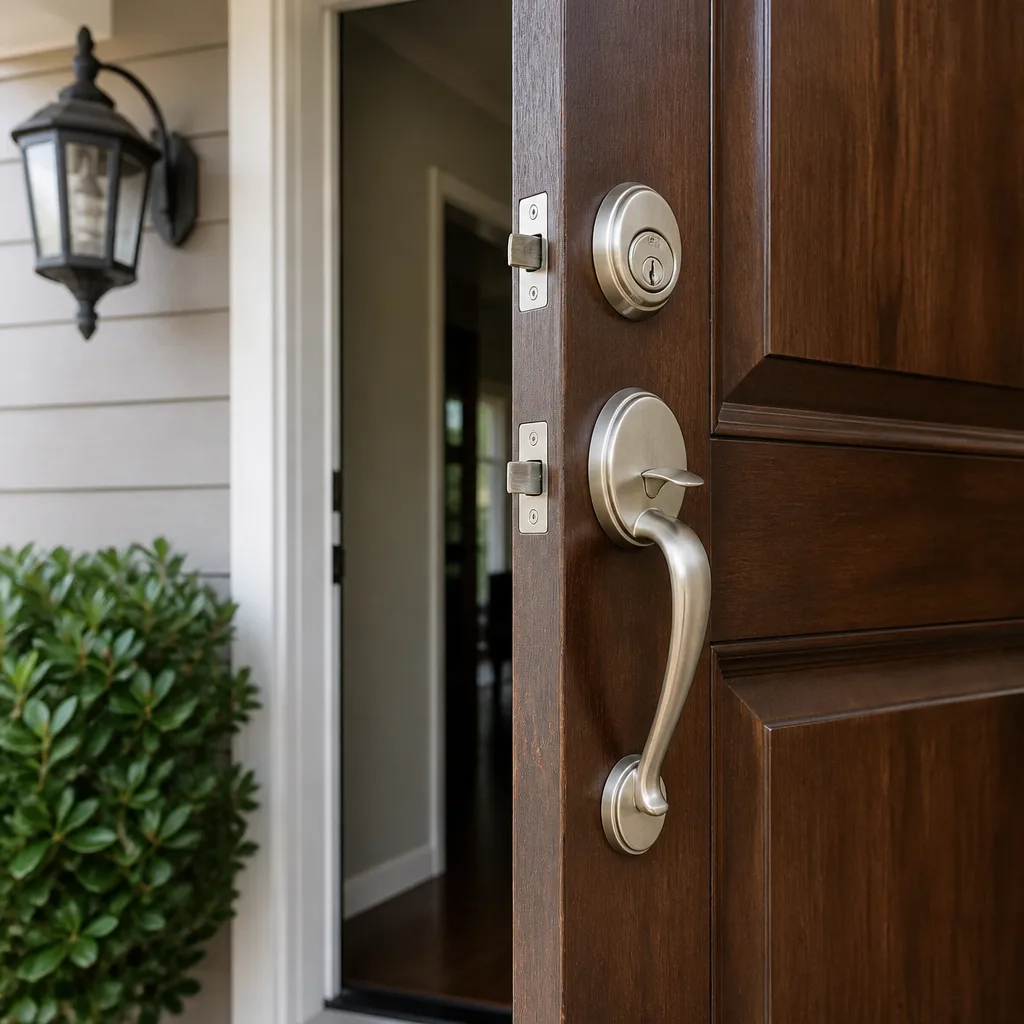
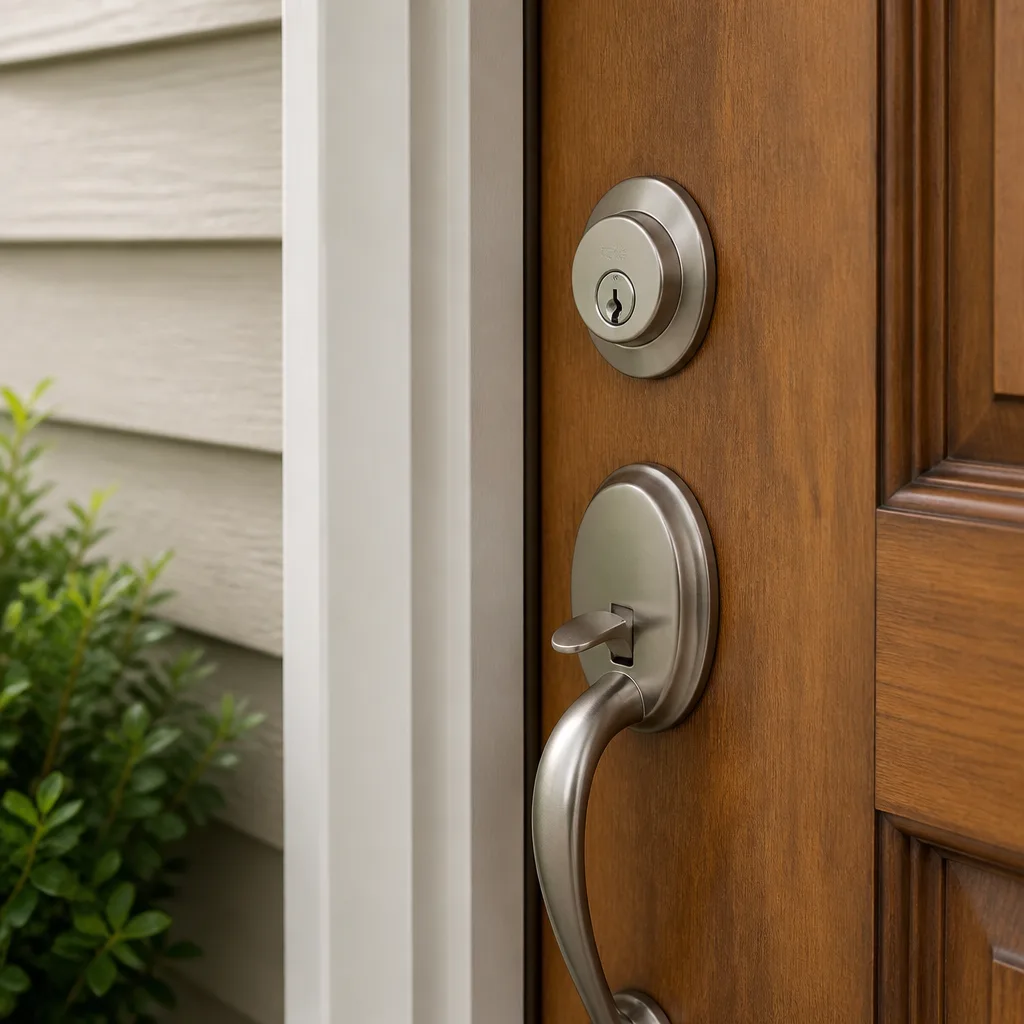
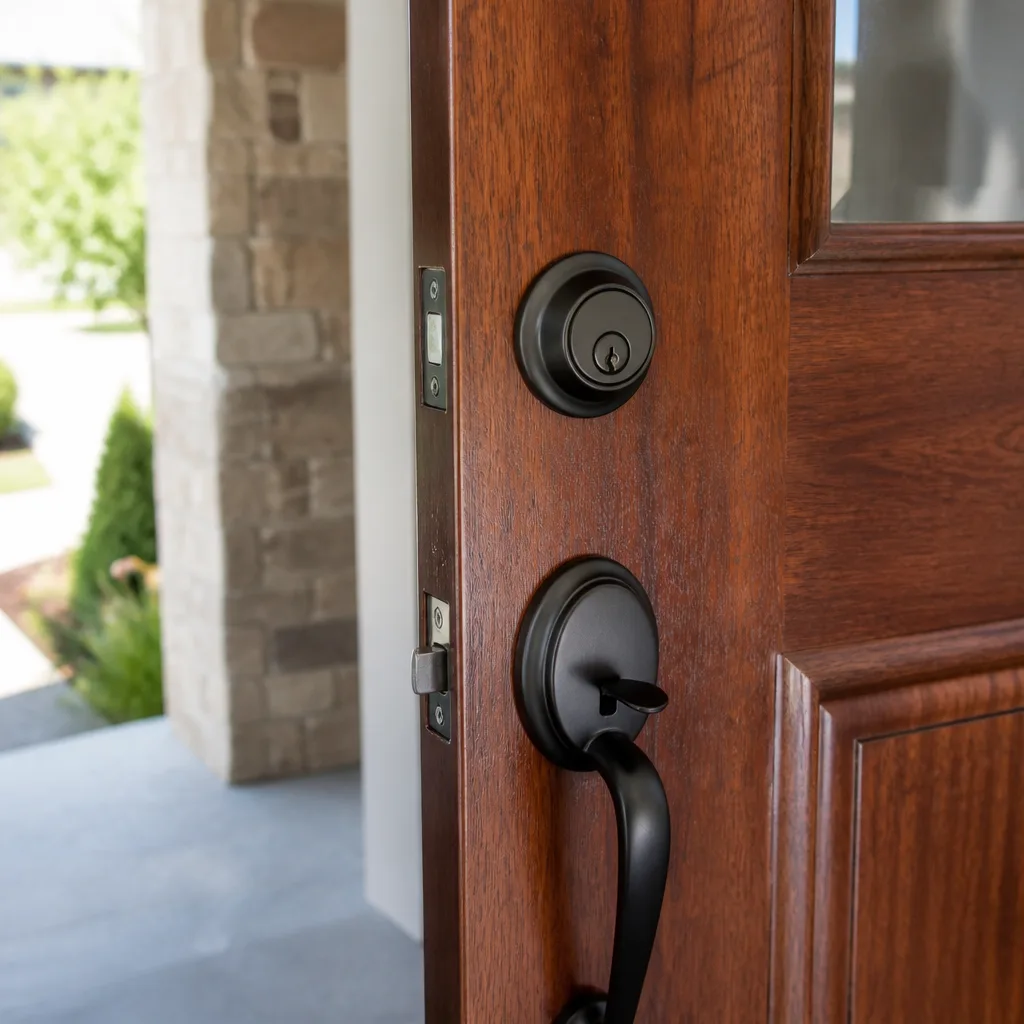
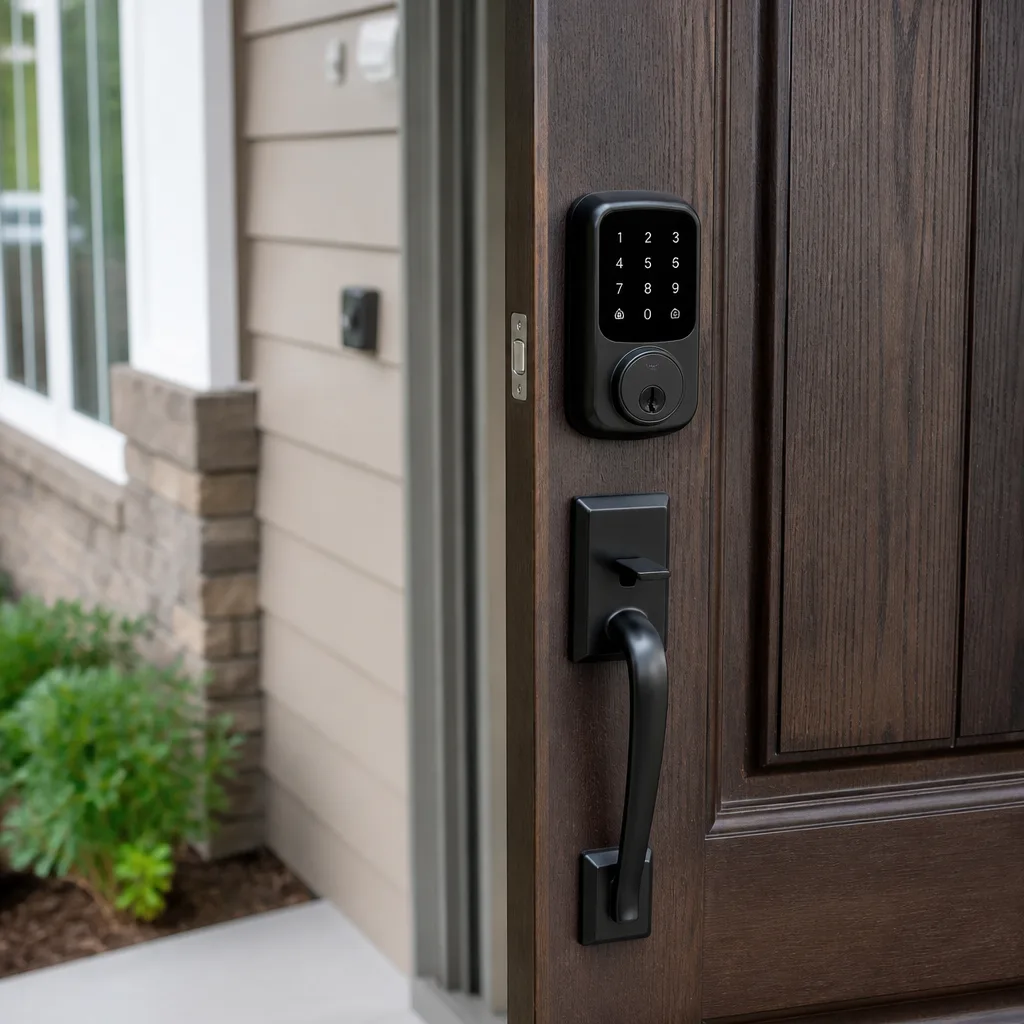
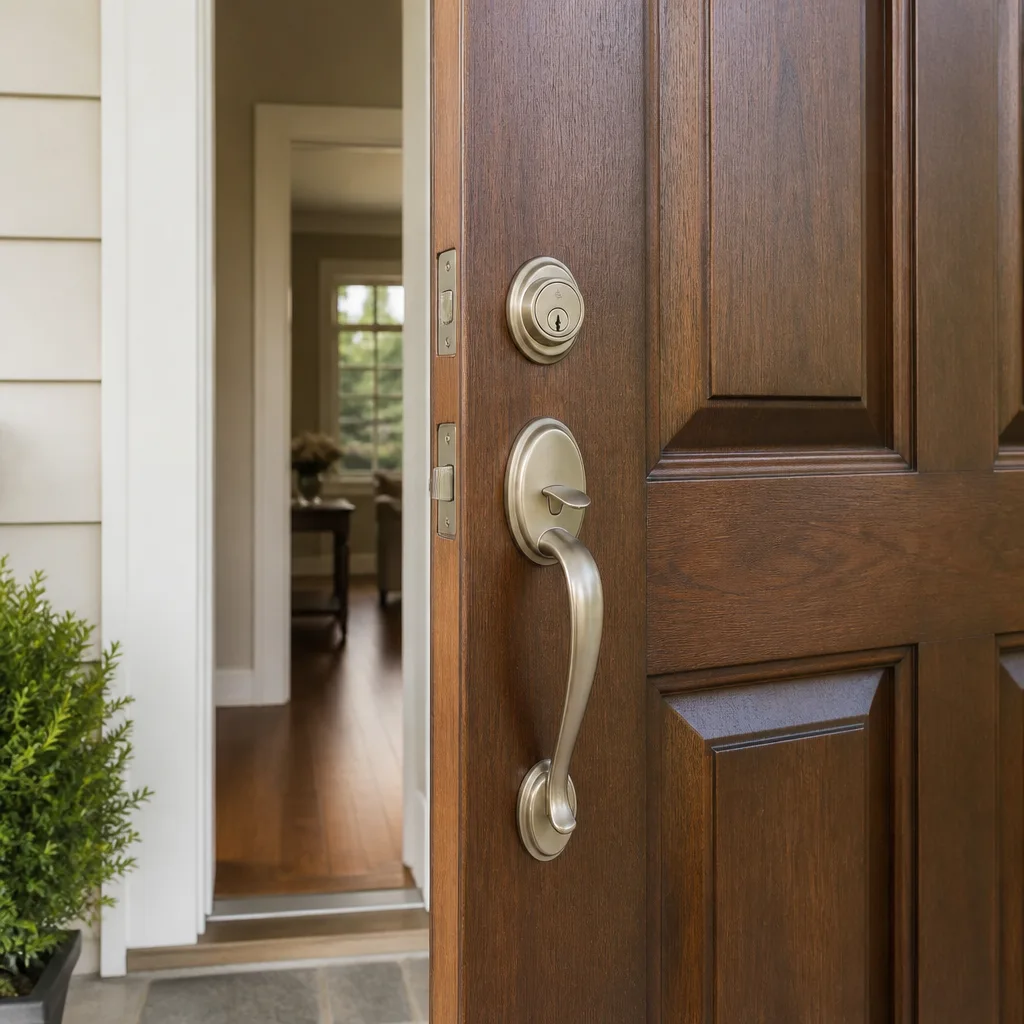
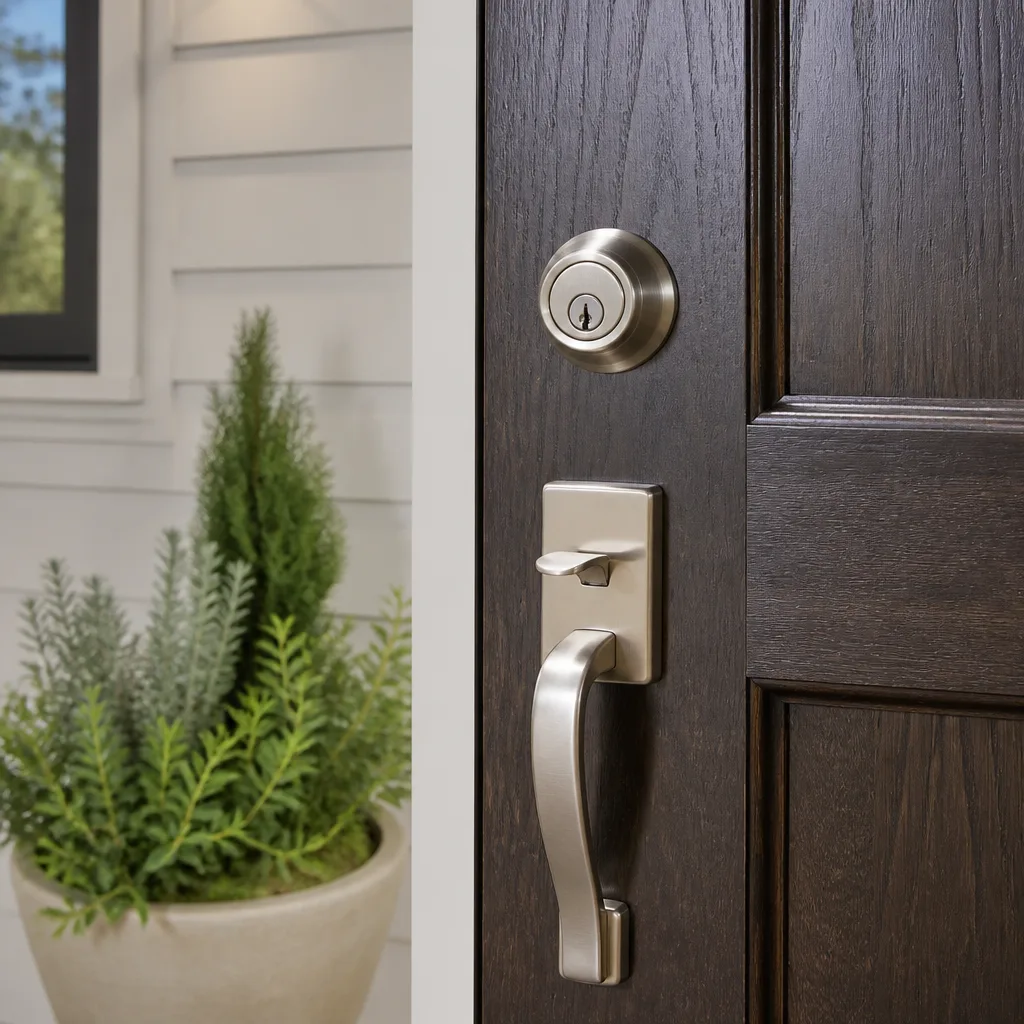
DIY vs Professional Locksmith: The Los Angeles Homeowner’s Decision Guide
Here’s a stat most homeowners don’t see coming: a failed DIY deadbolt install is one of the most common service calls we run in Los Angeles. Not because people are careless. Because a deadbolt is a precision instrument wedged into a door that has settled, swelled in coastal humidity, or been painted over six times since 1972. This guide walks through which lock jobs are genuinely safe to do yourself, which ones carry legal or insurance risk in California specifically, and where the line between saving $80 and spending $280 actually sits. For more on what’s safe to DIY versus calling a pro, see our companion guide.
Quick Answer
For simple jobs like lubricating a sticky cylinder or tightening a loose strike plate, DIY is fine and costs under $20. For anything involving rekeying, deadbolt replacement, high-security hardware, or a rental property, hire a Los Angeles locksmith. See our breakdown of DIY vs Professional Rekey Locks: What’s Safe to Do Yourself for details. The deciding factor isn’t your skill level: it’s whether a mistake voids your insurance, violates your lease, or leaves your front door easier to kick in than before you started.
Table of Contents
- The DIY Jobs That Are Genuinely Safe
- The DIY Jobs That Carry Real Risk
- California Tenant Law: What You Can and Cannot Change
- The Hidden Cost of a Failed DIY Lock Install
- DIY Rekeying vs. Professional Rekeying: What’s Actually Different
- When Professional Installation Is an Insurance Requirement
- Common Mistakes to Avoid
- When to Call a Professional
The DIY Jobs That Are Genuinely Safe
Some lock maintenance doesn’t require a single specialized tool. You can handle these on a Saturday morning in under an hour, even in an older Los Angeles craftsman with original 1940s hardware.
Here’s what we tell friends and neighbors is fair game:
- Lubricating a sticky or stiff lock cylinder. Use a dry graphite powder or a Teflon-based lubricant, never WD-40. WD-40 works short-term but attracts dust, and in LA’s dry climate that dust becomes a grinding paste inside the cylinder. Expect to spend $8 to $12 on lubricant.
- Tightening loose strike plates and hinge screws. Grab a Phillips screwdriver, remove each screw, and check whether the hole behind it has widened over time. If it has, tap in a wood matchstick or a toothpick with wood glue, let it dry, then re-drive the screw. Cost: whatever’s already in your junk drawer.
- Replacing an interior door knob set on an owned home. If you own the house, interior privacy knobs (bedroom, bathroom) are a safe project. A Kwikset knob set runs $20 to $35 at any Los Angeles hardware store and comes with straightforward instructions. You’ll need a screwdriver and about 20 minutes.
- Cleaning and tightening a door closer on a screen door. Use a rag, mild soap, and a screwdriver to adjust tension. No special parts required.
One note on older LA homes: doors in pre-1960s construction weren’t built to modern standard door preps. If your door has a non-standard bore or a mortise pocket, even a “simple” knob swap can spiral. When the plate doesn’t cover the old cutout, that’s your cue to stop.
The DIY Jobs That Carry Real Risk
Some lock work looks simple on YouTube. It’s not. These are the jobs where we see do-it-yourself attempts turn into $250 service calls across Los Angeles, from Silver Lake to Sherman Oaks.
Deadbolt installation or replacement. A deadbolt needs a 2 1/8-inch cross bore and a 1-inch edge bore, precisely aligned. The bolt must throw fully into a strike plate that’s sunk to the correct depth. Off by an eighth of an inch and the bolt binds, the lock won’t throw, or the door won’t latch. You also need a hole saw and a jig, around $40 to $60 in tools you’ll use once. A misaligned install can also void the lock manufacturer’s warranty.
Rekeying Schlage, Kwikset, or Sargent cylinders without the right kit. Consumer rekey kits exist (about $15 from a hardware store), but they only work on specific keyway types, and only if you know the current key cuts. For a Schlage or Sargent cylinder, the process involves removing the cylinder, disassembling the plug, swapping pins with tweezers, and reassembling while keeping the springs aligned. One dropped spring on a tile floor and the whole cylinder is dead.
High-security lock installation. Medeco, Mul-T-Lock, and Abloy cylinders require exact tailpiece alignment and sometimes custom door prep. These aren’t kits. They’re graded restrictions and precision engineering. Screwing up a Mul-T-Lock install doesn’t just waste the $150 cylinder, it can leave the door unsecurable until a pro fixes it.
Anything involving a rental unit. Even if you’re handy. Even if the lock is broken. This is a legal issue first and a mechanical issue second. More on that below.
California Tenant Law: What You Can and Cannot Change
This is where the DIY-versus-pro question stops being about money and becomes about liability. If you rent in Los Angeles, the rules are specific, and violating them has consequences most people never see coming.
Under California Civil Code Section 1941.5, a tenant cannot add, change, rekey, or replace any locking device on a residential rental unit without written permission from the landlord. A lock change without consent is considered an unauthorized alteration of the property.
The consequences stack up quickly:
- Lease violation. Most LA lease agreements treat unauthorized lock changes as a curable offense, but repeated violations can trigger eviction proceedings under a three-day notice to cure or quit.
- Liability for emergency access. If the landlord or a maintenance worker needs emergency access (leak, gas, fire) and cannot enter because you changed the lock without permission, you can be held financially responsible for damage that occurs because entry was delayed. That means water damage, smoke damage, everything.
- Locksmith re-entry costs. If the landlord calls a locksmith to drill the cylinder you installed, you’re likely on the hook for the full amount: drill-out, replacement, and rekeying. That runs $150 to $300 in Los Angeles.
The legal process to request a lock change is straightforward. You submit a written request to your landlord. The landlord must respond within a reasonable timeframe, and if they refuse, they generally need a non-retaliatory reason. If you’re a victim of domestic violence, stalking, or sexual assault, California law (Civil Code Section 1941.6) requires the landlord to change the locks within 24 hours of receiving a written request and a copy of a protective order or police report. The tenant pays for the rekey in that case unless the court orders otherwise.
If you do get written permission, hire a licensed Los Angeles locksmith and give a copy of the new key to your landlord immediately. That single step keeps you out of the liability zone.
The Hidden Cost of a Failed DIY Lock Install
The math on DIY usually looks like this: a new deadbolt costs $45 at the hardware store. A pro charges $150 to $200 to supply and install one. So you save $120 or so. That math collapses the moment the install goes wrong.
Here’s what actually happens in Los Angeles homes, especially older ones in neighborhoods like Echo Park, West Adams, and Highland Park:
- You drill the face bore slightly off-center. The cylinder sits at an angle. The key turns, but the bolt doesn’t throw smoothly or doesn’t fully extend into the strike plate.
- You mount the strike plate without deepening the mortise. The bolt only bites halfway. The door now rattles and, more importantly, can be jimmied open with a flathead screwdriver from the outside.
- Over time, the misalignment strips the strike plate screws. The screws loosen, the door flexes, and eventually the bolt stops catching entirely. The lock fails. The door won’t stay closed.
- You call a locksmith. The repair isn’t just swapping the deadbolt. It’s filling and redrilling the cross bore, resetting the strike plate, possibly replacing the door edge if the wood splintered, then installing the new deadbolt correctly. That runs $180 to $280 in the LA market, on top of the $45 you already spent on the first lock.
The same pattern applies to DIY rekeying. A consumer rekey kit costs $15, but one dropped spring or bent pin means the cylinder won’t accept any key at all. You’ll need a locksmith anyway, and now it’s an emergency service call rather than a scheduled job. In Los Angeles, after-hours lockout service starts around $95 and goes up from there.
We’re not saying every DIY attempt fails. We’re saying the failure mode is expensive and specific: it’s not “the lock doesn’t work perfectly,” it’s “the door now doesn’t secure.” That’s a different problem entirely.
DIY Rekeying vs. Professional Rekeying: What’s Actually Different
Rekeying means changing the internal pins inside the lock cylinder so the old key stops working and a new key operates it. The hardware stays. Only the pin configuration changes.
Consumer rekey kits exist, most commonly for Kwikset and Schlage cylinders. They cost $10 to $20 and include a few bottom pins, top pins, springs, and a follower tool. Here’s the honest breakdown of what each approach involves.
What DIY rekeying requires
- Removing the lock from the door, including the knob or deadbolt housing
- Removing the cylinder from the housing, usually requiring a clip removal tool or hex key
- Extracting the plug with a follower tool to keep the top pins and springs compressed
- Dumping the old bottom pins
- Reading the new key’s cuts using a depth gauge or a provided chart
- Inserting new pins in the correct order and orientation
- Reassembling the cylinder, reinserting the plug without launching springs across the room
- Reinstalling the cylinder and lock on the door
That’s eight steps, three of which require fine-motor precision under spring tension. One dislodged spring and the cylinder won’t reassemble. If you’ve never seen the inside of a pin tumbler cylinder before, doing this on your front door at 9 p.m. is a gamble.
What a professional rekey involves
A Los Angeles locksmith doing a rekey starts with the same basic process but with professional tools and a kit containing hundreds of pin sizes matched to the exact keyway. A pro can also:
- Diagnose whether the cylinder is worth rekeying at all (worn or damaged cylinders should be replaced, not rekeyed)
- Rekey multiple locks to the same key, including locks from different brands, which requires a cross-compatible pinning strategy
- Repair any internal wear found during disassembly, which a consumer kit won’t address
- Verify the door alignment and strike plate function after reinstalling, so the rekeyed lock actually works under real use
Rekeying a standard lock in Los Angeles typically runs $20 to $35 per cylinder, with most homeowners paying $80 to $150 total for a full-house rekey of three to five locks. The consumer kit saves you maybe $60 to $100. Whether the risk is worth it depends entirely on how comfortable you are with the phrase “spring tension.”
If you want a professional comparison of what full rekeying involves for an LA property, our Rekey Locks in Los Angeles page breaks down the process, pricing, and what a written quote includes.
When Professional Installation Is an Insurance Requirement
This is overlooked constantly. Many LA homeowners don’t realize that the language in their policy determines whether a DIY job leaves them covered after a burglary.
Some homeowner insurance policies in California include provisions specifying that certain classes of locks, particularly high-security deadbolts or Grade 1 hardware, must be installed by a licensed locksmith for the policy’s lock-related provisions to apply. The reasoning from underwriters is straightforward: a lock that was self-installed without documentation isn’t verifiable as having been installed correctly, and an incorrectly installed deadbolt is an easy point of forced entry.
Check your policy for phrases like “professionally installed” or “installed by a qualified locksmith” in the sections covering theft, burglary, and dwelling protection. If that language is present, installing your own Abloy or Sargent high-security deadbolt could mean a denied claim, even if the burglary wasn’t the lock’s fault. Insurers look for any documented grounds to reduce payout, and an unverifiable self-install on a security-rated lock is exactly the kind of gap adjusters find.
Even when policies don’t explicitly require professional installation, they require that you take “reasonable precautions” to secure the property. If a forensic review after a break-in shows the deadbolt was installed with a 3/8-inch throw when the door required a 1-inch throw, that’s a reasonable-precaution problem. The claim gets scrutinized or denied.
If you’ve installed a high-security deadbolt yourself and want it documented as installed to specification, a Los Angeles locksmith can inspect it, correct any alignment issues, and provide a written record of the hardware and installation condition. That documentation is useful when talking to an adjuster. For commercial properties, the requirements get stricter: many LA commercial landlord agreements and insurance riders specifically require Grade 1 hardware installed by a licensed contractor. Our Commercial Locksmith in Los Angeles page covers what’s involved for storefronts and multi-tenant buildings.
What to Check Before Any DIY Lock Project
Before you unscrew anything, run through this checklist. It’s the difference between a satisfying 20-minute fix and a $250 emergency call in Los Angeles.
- Do you own the property? If not, stop here and reread the tenant law section above. Written landlord permission comes first.
- Does your insurance policy mention locks, deadbolts, or security hardware? If it does, read the exact language. If it says “professionally installed,” don’t DIY that job.
- Is the door standard? Check the existing bore (2 1/8 inches on most modern doors). Older Los Angeles homes often have 1 1/2-inch bores or non-standard mortise preps. If your door doesn’t match the template that came with the new lock, a pro needs to modify the door.
- Can you access both sides of the door? Installing a deadbolt means working from both the interior and exterior. If the exterior is scaffolding, a security gate, or a narrow landing, the job just got harder.
- Do you have the right tools for the job, not just “a screwdriver”? Deadbolt installation needs a hole saw and a jig. Cylinder removal needs the right clip tool. Rekeying needs a follower and pinning tweezers. If any of those words are new to you, the tool cost eats most of your savings.
- What’s the failure plan? If the lock ends up halfway installed and won’t come apart, what will you do at midnight? Have a locksmith’s number saved before you start, not after.
If all six items check out, go ahead and tackle that lubricating, tightening, or interior knob swap. That’s the sweet spot for DIY.
Common Mistakes to Avoid
- Using WD-40 on a lock cylinder. It’s the most common maintenance mistake we see in LA. It works for about a week, then collects dust and creates the exact problem it solved. Use dry graphite or Teflon spray instead.
- Drilling a deadbolt bore without a jig. Freehand drilling a 2 1/8-inch hole through a door almost always comes out angled. The jig is $20. The repair for an angled bore starts at $150.
- Installing a deadbolt without checking the door gap. If the gap between door and frame exceeds 1/8 inch, the bolt won’t seat deeply enough, even with everything aligned. Shim the strike plate or adjust the door before you install.
- Rekeying only one lock after a roommate or tenant moves out. If the back door and side door still work with the old key, you’ve spent time and money on nothing. Rekey all exterior doors simultaneously.
- Buying a “high-security” deadbolt from a big-box store and assuming it’s high-security. Real high-security hardware from Abloy, Medeco, or Mul-T-Lock comes from authorized dealers with restricted keyways. The $40 box-store “security” deadbolt is a standard cylinder with marketing. If you’re investing in high-security, buy from a licensed locksmith who can provide the key control card.
- Changing a rental lock without telling the landlord. This comes up constantly in West LA apartments and Marina del Rey rentals. The short-term fix creates a long-term liability problem. If you need to change a lock on a rental, get written permission first.
- Fixing the lock without fixing the door. In older LA homes, door sag from seismic settling is common. Replacing the lock on a sagging door doesn’t fix the alignment. Check the hinge screws and door alignment first, or the new lock will fail the same way the old one did.
When to Call a Professional
Call a locksmith if your door lock is damaged after a break-in, if the key turns but the bolt doesn’t throw, if you need multiple locks rekeyed to match, or if you’re not certain whether your existing cylinder can be salvaged. Also call a pro if you’re installing high-security hardware (Medeco, Mul-T-Lock, Abloy) that carries insurance or key control requirements, or if the door itself needs realignment for the lock to function. And if you’re a renter, call your landlord first and a locksmith second.
Preston Locksmith & Security offers free estimates in Los Angeles: call (409) 405-4485. You’ll get a written price before any work starts, a live arrival time you can track, and before-and-after photos of the work. No bait pricing, no invoice surprises.
Frequently Asked Questions
DIY rekeying costs about $15 to $20 for a consumer kit, while professional rekeying in Los Angeles typically runs $20 to $35 per cylinder. The savings are small, and a failed DIY rekey usually means paying for both the kit and an emergency locksmith visit. Call (409) 405-4485 for an exact quote on rekeying your locks; estimates are free.
Yes. Unauthorized lock changes in California rentals are lease violations, and the landlord can bill you for rekeying the lock back to the original key, drilling it out if necessary, and replacing it. In Los Angeles, that typically costs $150 to $300 total. Always get written permission before changing a rental lock.
Most Los Angeles locksmiths can arrive within 30 to 60 minutes for emergency calls, depending on your neighborhood and traffic patterns. Preston Locksmith & Security gives you a live, trackable arrival time when you book, so you know exactly when the technician will pull up. Call (409) 405-4485 and a live person answers 24/7.
Insurance usually covers damage after a break-in, but not the cost of the lock repair itself, and some policies exclude coverage if a security device was self-installed incorrectly. Check your policy for “professionally installed” language in the security or theft sections. When in doubt, hiring a documented pro protects the claim.
A standard Grade 1 deadbolt from Schlage or Kwikset is sufficient for most rental units, but you cannot install it without written landlord approval. If you’ve experienced a security concern, submit a written lock change request to your landlord. If you need a documented key control system for a rental property, a locksmith can supply and install restricted keyway hardware.
In an owned home, yes, as long as the existing deadbolt is standard and the door alignment is solid. Most smart lock retrofits take under an hour with a screwdriver. In a rental, smart lock installation still counts as an unauthorized alteration unless the landlord approves it in writing. Also check whether the smart lock is compatible with your existing cylinder; some retrofit kits only work with certain Schlage or Kwikset models.
Ask for their California Locksmith Company license number, confirm that the technician arrives in a marked vehicle and uniform, and insist on a written quote before work starts. Preston Locksmith & Security sends background-checked, uniformed technicians and provides a written price before any tools come out, backed by a written guarantee on every repair.
The Bottom Line
DIY lock work in Los Angeles is genuinely reasonable for small maintenance jobs: lubricating cylinders, tightening strike plates, replacing interior knobs on an owned home. But the moment a job involves deadbolt installation, rekeying, high-security hardware, or anything on a rental property, the liability math flips. A $15 rekey kit or $45 deadbolt can become a $280 repair, a denied insurance claim, or a lease violation that costs more than any savings. When the job carries risk, hire a pro with a documented quote and a written guarantee. Written by Kevin Yoon, Owner at Preston Locksmith & Security, serving Los Angeles since 2008. For free estimates and a written price before any work begins, call (409) 405-4485. You can also learn more on our Preston Locksmith & Security home page or read about Door Lock Repair in Los Angeles for specific repair pricing.
Written by Kevin Yoon, Owner at Preston Locksmith & Security, serving Los Angeles since 2008.