
Last updated October 9, 2026
Non-destructive entry first, always - and we re-key Schlage, Kwikset, and Baldwin locks on the spot while you watch
You get a price before we start. It does not change when we arrive. No surprises.
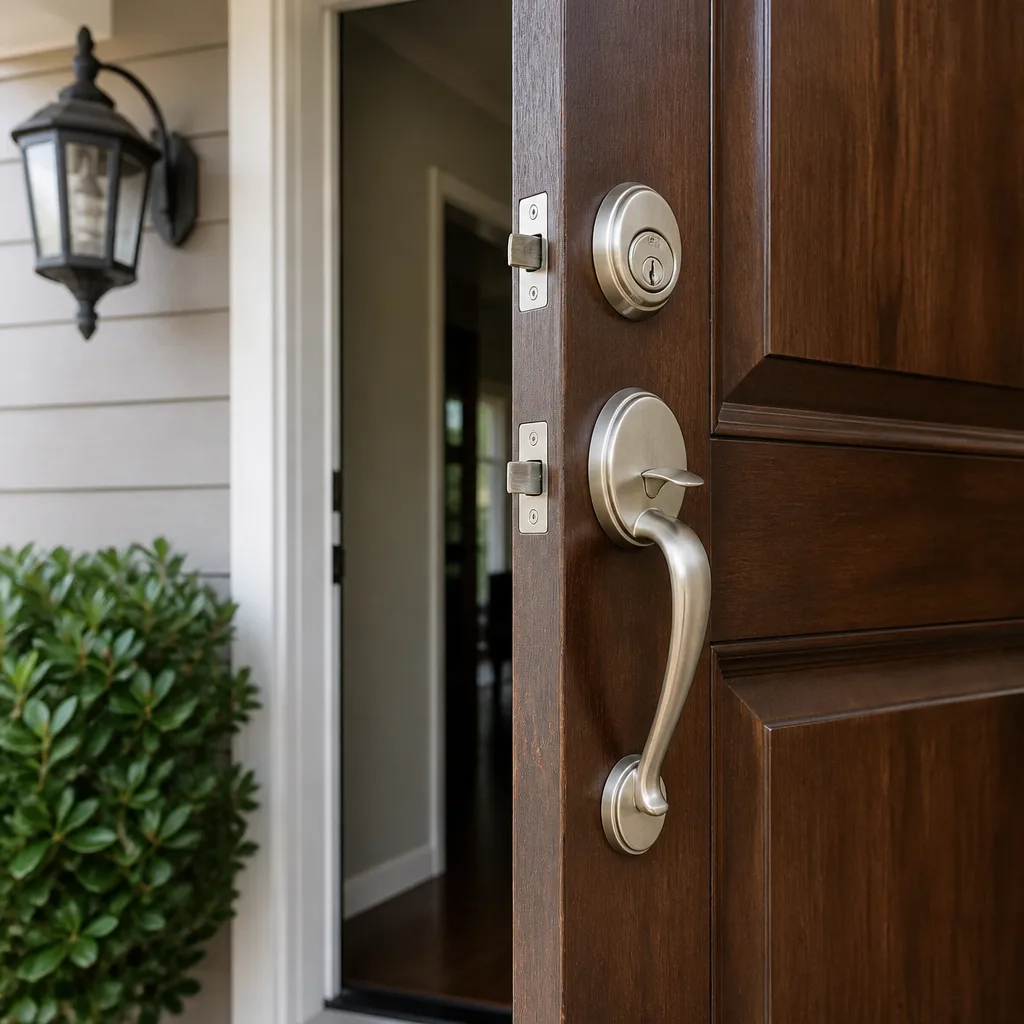
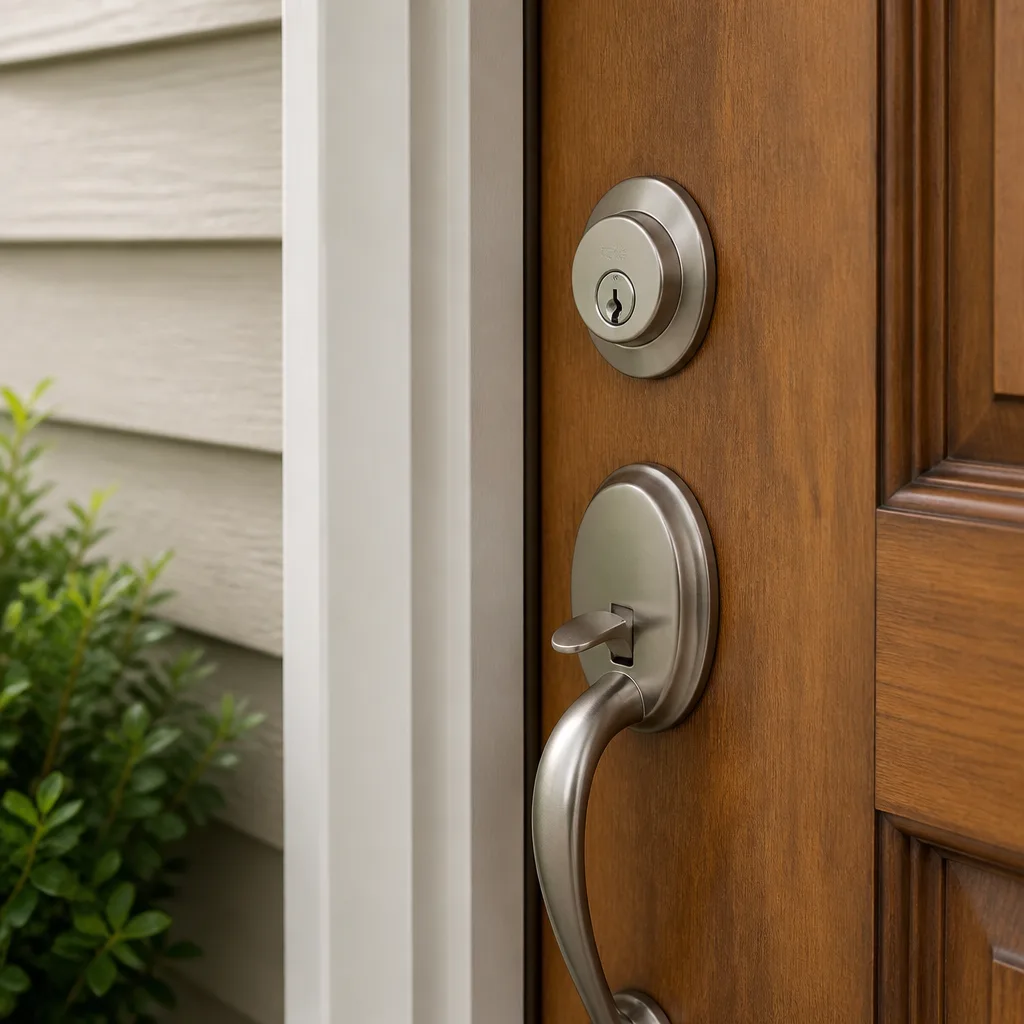
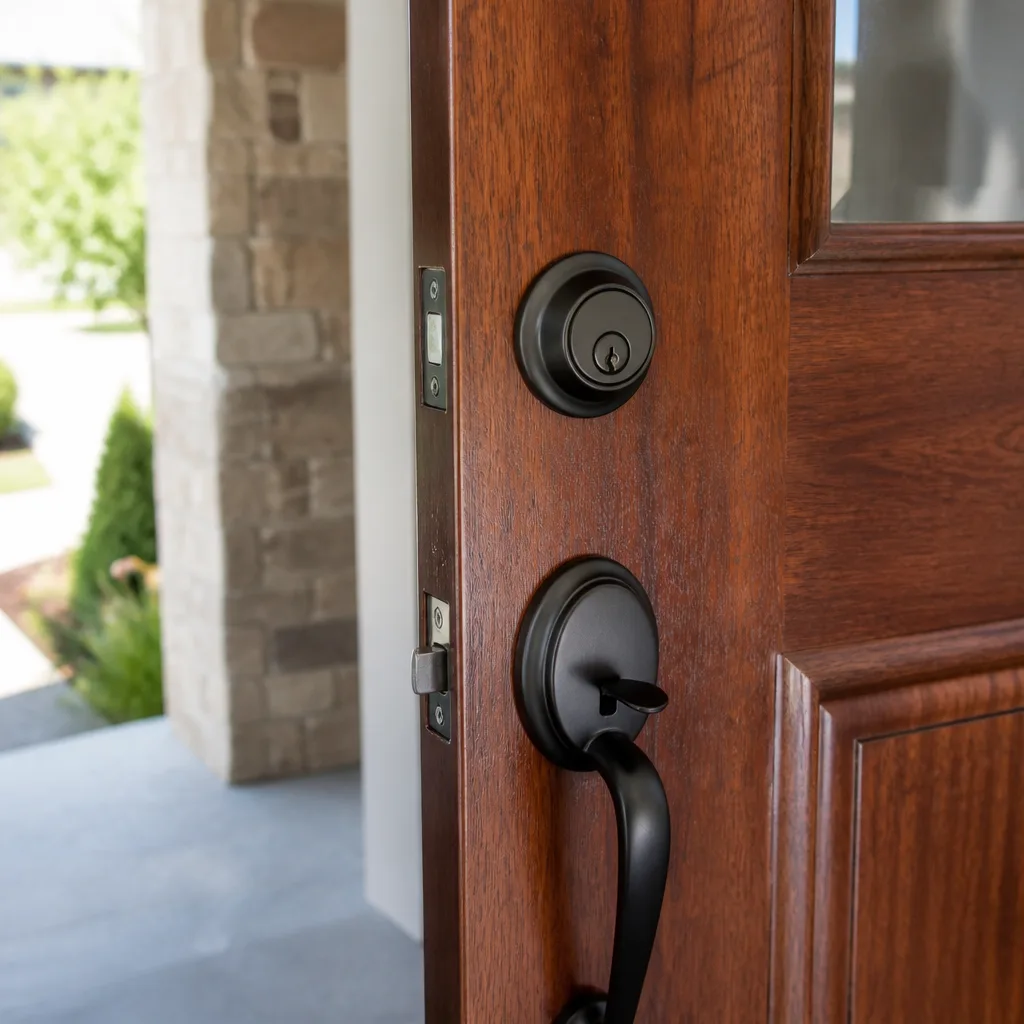
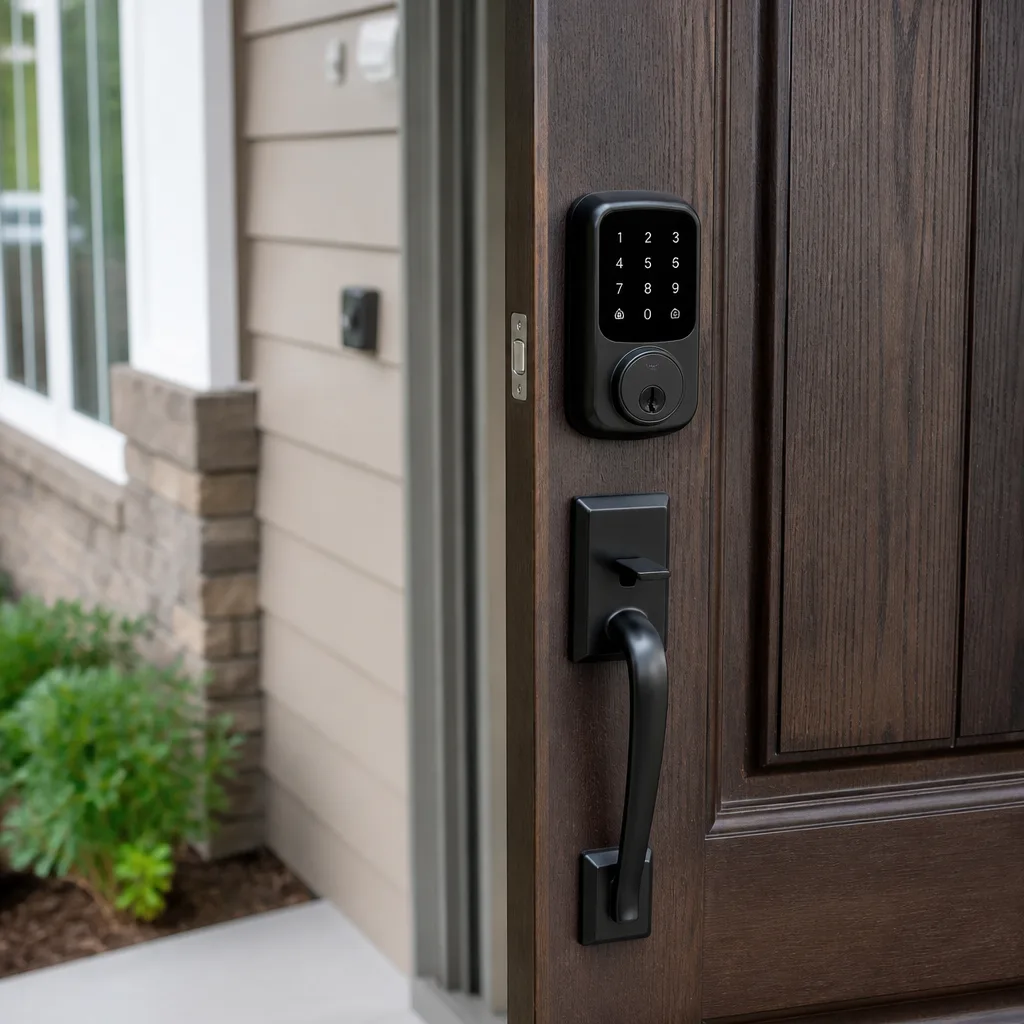
Commercial Locksmith Troubleshooting: Common Problems and How to Fix Them
A key that suddenly requires two hands to turn isn’t a worn lock. In our experience across Los Angeles commercial properties, that specific symptom is almost always a misaligned strike plate, and tightening two screws fixes it in four minutes without a service call. Most commercial lock failures are like that: they look catastrophic but trace back to one identifiable cause. This guide gives you the diagnostic language commercial locksmiths use, so you can either fix the problem yourself in ten minutes or describe it precisely enough over the phone that the technician arrives with the right parts the first time.
Quick Answer
Most commercial lock problems fall into five categories: a binding deadbolt caused by strike plate misalignment or frame expansion, a spinning cylinder caused by a broken tailpiece or set screw, an unresponsive keypad caused by dead batteries or lost programming, a door that won’t latch caused by sagging hinges or a shifted frame, and a broken key caused by key shear from worn cuts. Half of these are fixable in under ten minutes with a screwdriver. The rest need a trained commercial locksmith, and knowing how to name the failure cuts your service call time dramatically.
Table of Contents
- The Binding Deadbolt: Why Your Key Suddenly Needs Two Hands
- The Spinning Cylinder: When the Key Turns But Nothing Happens
- Keypad Not Responding: Battery, Wiring, or Programming?
- Door Won’t Latch: The Sagging Hinge Problem Nobody Checks
- Key Broke in the Cylinder: Key Shear vs. Cylinder Failure
- How Los Angeles Weather Causes Commercial Lock Binding in Spring and Fall
- What Information to Have Ready Before You Call a Locksmith
- Common Mistakes to Avoid
- When to Call a Professional
- Frequently Asked Questions
- The Bottom Line
The Binding Deadbolt: Why Your Key Suddenly Needs Two Hands
When a deadbolt starts binding, the key doesn’t slide in smoothly and turning it requires real effort. The cause is almost never the internal lock mechanism. It’s the relationship between the bolt and the strike plate on the door frame. If the door has settled even 1/16 of an inch, the bolt scrapes against the edge of the strike plate instead of sliding cleanly through it. In Los Angeles, where commercial buildings sit on varied soil types and older structures in neighborhoods like Koreatown and the Arts District shift with seasonal moisture cycles, this settlement happens gradually over years and then becomes noticeable all at once.
Here’s how to diagnose and fix it yourself:
- Open the door and look at the strike plate, the metal plate screwed into the frame where the bolt enters.
- Check for scrape marks or shiny wear on the inner edge of the plate opening. That tells you the bolt is hitting it.
- Tighten both screws on the strike plate. If they spin without catching, the screw holes are stripped.
- If tightening doesn’t work, use a metal file to enlarge the strike plate opening by about 1/16 inch on the side where the bolt scrapes.
- Test the lock with the door open and closed. If it works open but binds closed, the alignment is still off.
This repair takes about four minutes and costs nothing. We’ve walked commercial tenants through it on the phone dozens of times, and roughly a third of “emergency” binding deadbolt calls resolve without a dispatch. If the screws are stripped and the plate won’t hold, that’s a different story. The fix requires drilling out the old screw holes, filling them with a hardwood dowel or anchor, and remounting the plate, ideally with longer screws that reach into the frame stud behind the jamb. That’s a straightforward job for any commercial locksmith, typically running $85 to $150 in Los Angeles depending on the door condition.
The Spinning Cylinder: When the Key Turns But Nothing Happens
A spinning cylinder means the key goes in, turns freely in a full circle or nearly so, and the bolt never moves. The key isn’t engaging the lock mechanism at all. Two internal components cause this: the tailpiece or the set screw. The tailpiece is the flat metal bar connecting the back of the cylinder to the latch or bolt mechanism. When it snaps, the cylinder spins without transmitting any force. The set screw is what holds the cylinder in place inside the lock body. When it loosens or strips, the entire cylinder rotates independently.
This failure is particularly common on storefront aluminum doors and high-traffic commercial entries in Los Angeles, where doors get yanked, kicked, and slammed hundreds of times a day. The repeated impact stress fatigues the tailpiece metal until it shears. You cannot see this failure from the outside. The lock looks fine. The key turns. Nothing happens. That’s the signature.
The repair requires removing the cylinder from the lock body, extracting the broken tailpiece, and installing a new one matched to the specific lock brand. On a Schlage commercial deadbolt, a tailpiece replacement plus labor typically runs $95 to $140 in Los Angeles. On a Sargent mortise lock, which has a more complex internal assembly, expect $120 to $185. If the set screw is stripped, the cylinder itself usually needs replacement. That’s a $65 to $110 parts cost plus labor, which lands the total between $130 and $200 for most standard commercial hardware.
Here’s what you can check before calling:
- Does the key turn at all, or is it stuck in one position? A stuck key points to a different problem: a seized pin or foreign object in the keyway.
- Does the key turn 360 degrees or stop at the normal 90-degree point? Full rotation means the cylinder is disconnected internally.
- Does the deadbolt work from the inside thumb turn? If yes, the problem is isolated to the exterior cylinder. If no, the lock mechanism itself has failed.
Diagnostic information like this is exactly what a commercial locksmith in Los Angeles needs to identify which parts to bring. Our technicians stock tailpieces for Schlage, Kwikset, Sargent, and Abloy hardware on every truck, so a spinning cylinder is almost always a same-visit fix when we know the brand ahead of time.
Keypad Not Responding: Battery, Wiring, or Programming?
Electronic keypads fail for three reasons, and the order of likelihood is: batteries, wiring, then credential programming. The battery issue is the simplest to check. Most commercial keypads run on 4 to 8 AA batteries or a 9V, and they give warning signs before dying: sluggish response, dim or flickering indicator lights, or a beep that sounds weaker than usual. If the keypad is completely dead, no lights, no beeps, the batteries are probably already gone.
Here’s the troubleshooting sequence we use on service calls in Los Angeles:
- Replace the batteries with fresh alkaline, not rechargeable. Rechargeables run at lower voltage and cause erratic keypad behavior.
- Check the battery contacts for corrosion. Green or white residue on the terminals blocks current. Clean with a dry cloth or fine sandpaper.
- If the keypad lights up but won’t accept the code, the lock may have reset to factory defaults after a power loss. Try the default programming code from the manufacturer manual.
- If the keypad works intermittently, look for a loose wire connection behind the keypad housing. This requires removing the interior escutcheon plate, which we don’t recommend doing on a live powered lock without a professional.
- If nothing works, the control board or actuator motor may have failed. That’s a replacement part, not a repair.
- Open the door fully and support it from underneath with a wedge or a second person.
- Tighten every screw on every hinge with a screwdriver, not a drill. You need to feel whether each screw bites or spins.
- If a screw spins freely, the hole is stripped. Replace it with a screw one size longer, or pack the hole with a wooden matchstick or toothpick coated in wood glue, then retighten.
- Close the door and test the latch. It should click into place without lifting the handle.
- Key shear: The key broke cleanly at one of the cuts. The break surface looks granular or rough. Before it broke, the key was getting harder to turn, requiring more wiggle pressure, especially in cold weather when the metal contracted. The lock worked fine with a fresh duplicate key.
- Cylinder failure: The key broke at the shoulder or bow, the part outside the lock. Or the lock was already binding, grinding, or required unusual force before the break. A seized pin or debris inside the cylinder caused the extra resistance that snapped the key.
- The lock brand and model. Look at the face of the cylinder or the keyway. Most commercial locks have the brand name stamped on the face. Schlage, Kwikset, Sargent, Abloy, and Yale are the common ones. The model number is usually on the edge of the latch face or the interior escutcheon plate.
- A description of the failure in one sentence. Not “it’s broken.” Something like “key turns 360 degrees but bolt doesn’t move” or “keypad lights up but won’t accept the code” or “door closes but latch doesn’t line up with the strike plate.” This diagnostic sentence tells the dispatcher exactly which parts the technician needs.
- The door material and construction. Hollow metal, solid wood, or aluminum storefront. The door material determines which tools and fasteners the tech needs, and aluminum storefront doors require different cylinders and strike plates than wood or metal doors.
- Your access situation. Is there parking on site, a loading dock, a security desk, a building manager who needs to sign off? In downtown Los Angeles and other dense commercial districts, parking logistics alone can add 30 minutes to a service call. Knowing this upfront helps the tech plan the visit.
- Forcing a key that’s starting to bind. That extra torque is what snaps keys and strips set screws. If the key feels harder to turn than it did last month, address the alignment or lubrication now while the fix is cheap.
- Spraying WD-40 into a lock cylinder. WD-40 is a solvent, not a lubricant. It washes out the existing lubricant and leaves a residue that attracts dust and grit, which accelerates wear. Use a graphite powder or a Teflon-based lock lubricant instead.
- Replacing the entire lock when only the strike plate is misaligned. We see this at least once a week in Los Angeles: a building manager calls after replacing a $200 commercial deadbolt, and the new one binds exactly like the old one because the strike plate was never adjusted.
- Ignoring a slow keypad until it dies completely. Keypads almost always give warning signs: dim lights, weak beeps, intermittent response. Replacing the batteries during the warning phase costs $10 and takes two minutes. Waiting until the keypad is dead means a potential lockout and an emergency service call.
- Using a worn duplicate key as the master copy. Every time you duplicate a key from an existing key instead of the original, you copy the wear pattern. After three or four generations, the duplicate is so worn it barely engages the pins and eventually snaps. Always cut new keys from the original or a code-cut blank.
- Trying to extract a broken key with household tools. Tweezers, glue, and paperclips push the stump deeper and damage the keyway. The longer the stump sits in the cylinder, the harder it is to remove. Call a locksmith immediately rather than experimenting.
- Assuming a programming issue when the keypad won’t respond. Most dead keypads are dead batteries. The programming rarely fails spontaneously. If you’ve already checked the batteries and they’re fresh, then it’s time to call, but don’t skip the battery test.
Wiring issues are more common on hardwired commercial access control systems, the kind with a separate keypad, controller box, and electric strike. On those systems, a single loose terminal screw in the controller can make the entire door intermittent. In Los Angeles commercial buildings near the coast, like Santa Monica or Venice, salt air accelerates corrosion on exposed wire terminals. We see green-tinted connector blocks on access panels within five years of installation in those neighborhoods.
The programming issue is the least common cause of a dead keypad but the one building managers assume first. Unless someone recently attempted to change codes or the lock lost power for an extended period, the programming is almost certainly intact. Credential failures, where a fob or card stops working while the keypad still functions, point to either a demagnetized credential or a reader issue, not a lock failure. A rekey for a commercial property in Los Angeles that includes keypad reprogramming typically runs $65 to $95 per cylinder, and the programming itself takes under five minutes once the hardware is open.
Door Won’t Latch: The Sagging Hinge Problem Nobody Checks
When a commercial door won’t latch, the latch bolt doesn’t reach the strike plate opening, or it hits the plate edge instead of sliding in. The instinct is to blame the lock. The actual culprit in about 70% of the no-latch calls we handle across Los Angeles is sagging hinges. Over years of use, the top hinge screws loosen, the top of the door tilts away from the hinge side, and the latch bolt lands a quarter inch below the strike plate opening.
Here’s the test: stand on the hinge side of the open door and look at the gap between the door edge and the frame. The gap should be even from top to bottom. If it’s wider at the bottom, the door is sagging. Alternatively, lift the door by the handle. If it visibly moves upward, the hinge screws are loose.
The fix is simple and takes five minutes:
Wood-frame doors in Los Angeles commercial buildings are especially prone to this because the dry interior air from constant HVAC use shrinks the wood over time, loosening screw purchase. Metal frame doors sag differently. The hinges themselves bend or the welded hinge tabs fatigue. On metal frames, tightening screws rarely fixes a sag because the problem is the hinge geometry, not the fasteners. That’s a hinge replacement or hinge shimming job, which runs $120 to $220 on a standard commercial door in the LA market.
If the hinges are tight and the door still won’t latch, the next suspect is the strike plate position. A door that shuts but the latch bolt hits the plate edge instead of entering the opening needs the strike plate repositioned. Sometimes you can file the opening wider, as with the deadbolt fix. Other times the plate needs to be removed, the mortise deepened, and the plate remounted higher or lower. That’s a $65 to $110 adjustment for most door lock repair jobs in Los Angeles, and it’s almost always faster than replacing the entire lock.
Key Broke in the Cylinder: Key Shear vs. Cylinder Failure
A key snapping off inside the lock looks like a catastrophic failure, but the key itself is usually the weak point and the lock is often fine. The key breaks because of what’s called key shear: the brass key metal fatigues over years of twisting force against the internal pins, and the cuts, which are the weak points carved into the key blade, eventually crack through. When the key breaks, the stump remains in the keyway, but the cylinder internals are usually undamaged.
Here’s how to tell the difference between key shear and a genuine cylinder failure:
Getting confused here leads to unnecessary hardware replacement. If the cylinder is fine, extracting the broken key and cutting a new one costs $75 to $120 in Los Angeles, depending on the key type. If the cylinder is worn, rebuilding or replacing it adds $90 to $160. A good commercial locksmith will extract the broken piece, inspect the cylinder, and tell you which situation you’re in before recommending any replacement, as covered in our Commercial Locksmith Warning Signs Every Homeowner Should Know. We do this on every broken key call, and in more than half the cases the existing cylinder stays in service.
One caution: don’t try to extract a broken key with tweezers, superglue, or a paperclip. You’ll push the stump deeper into the keyway, and what was a $95 extraction becomes a $180 cylinder removal and replacement. And don’t keep using a key that’s visibly bent or shows hairline cracks at the cuts. That key is weeks away from snapping, and the best time to replace it is before it breaks off inside a door you need to secure tonight.
How Los Angeles Weather Causes Commercial Lock Binding in Spring and Fall
Los Angeles doesn’t freeze, but it does swing. The city’s temperature range runs from overnight lows in the 40s during winter months to daytime highs above 90 in the San Fernando Valley during summer. Wood commercial doors, especially older solid-core doors in buildings constructed before the 1980s, expand and contract with these temperature and humidity shifts. The movement is tiny, a few hundredths of an inch. But a deadbolt clearance is also tiny, so that movement matters.
In spring, when humidity rises and wood absorbs moisture, doors expand. The edge of the door moves closer to the frame, and the deadbolt or latch bolt starts scraping the strike plate edge. In fall, when the air dries out and temperatures drop, the wood contracts, and you get the opposite problem: the door shrinks away from the frame, creating a gap at the latch side that lets the latch bolt sit loosely in the strike plate opening. The lock works, but the door rattles, and the deadbolt doesn’t seat fully.
These are seasonal issues, not permanent failures. If your commercial door binds every spring and loosens every fall, you don’t need a new lock. You need a strike plate adjustment, and possibly hinge shimming to reset the door geometry to the seasonal midpoint. We see this pattern most often in Los Angeles neighborhoods with older building stock: Downtown LA’s brick and timber buildings, the pre-war storefronts in Highland Park and Lincoln Heights, and the mid-century commercial strips in the Mid-Wilshire corridor. Newer steel-frame construction with hollow metal doors doesn’t move the same way, which is why a 1980s building has seasonal lock issues while the 2015 building next door doesn’t.
The fix for seasonal binding is the same as the fix for permanent binding: adjust the strike plate to give the bolt a little more clearance, then tighten everything down. The difference is that seasonal binding responds to strike plate filing alone, while permanent binding from structural settlement usually needs the longer-screw treatment we described earlier. Either way, a commercial locksmith in Los Angeles can diagnose which situation you’re dealing with in about ten minutes, and the adjustment itself is a sub-$100 repair.
What Information to Have Ready Before You Call a Locksmith
The single biggest cause of two-trip commercial locksmith visits is missing information at dispatch. The technician arrives with standard parts, discovers a proprietary lock or an unusual failure mode, and has to return another day with the right piece. You can prevent this by having four pieces of information ready when you call:
When you call Preston Locksmith & Security home line, a live person answers 24/7 and walks through these details with you on the spot. The written price is confirmed before anyone is dispatched, and the technician arrives with the specific parts your door needs. For Kwikset and Schlage commercial hardware, our trucks carry tailpieces, cylinders, strike plates, and hinge hardware as standard stock. For Sargent and Abloy high-security locks, we verify the model on the call and bring matching components from our Los Angeles shop.
Common Mistakes to Avoid
When to Call a Professional
If the deadbolt binds and the strike plate is already tight, the door has settled beyond what a screwdriver can fix, and the frame likely needs professional adjustment. If the key spins 360 degrees, the tailpiece is broken and the cylinder must be removed from the lock body, which requires specialized tools and a replacement part. If the key snapped off in the cylinder, extraction should happen immediately, before metal fragments migrate deeper. If a keypad is dead with fresh batteries and clean contacts, the control board or actuator has failed and needs replacement. If any lock on an exterior door is failing, the security exposure justifies a professional visit the same day. Preston Locksmith & Security offers free estimates in Los Angeles, call (409) 405-4485 and you’ll get a live person, a written price before work starts, and a trackable arrival time with a background-checked technician in uniform.
Frequently Asked Questions
Commercial lock repair in Los Angeles typically runs $85 to $220 depending on the failure, as detailed in The Complete Commercial Locksmith Guide for Los Angeles Homeowners. Strike plate adjustments land at the low end at $65 to $110, tailpiece replacements on Schlage or Kwikset commercial deadbolts run $95 to $140, and cylinder replacement on higher-security hardware like Sargent mortise locks runs $130 to $200. Every price is quoted in writing before work starts, and the price on the quote is the price on the invoice. Call (409) 405-4485 for an exact quote on your specific lock, estimates are free.
Yes, same-day commercial lock repair is standard for most failures in Los Angeles. Binding deadbolts, spinning cylinders, broken key extraction, and keypad battery replacement are all same-visit fixes when the lock brand is known at dispatch. More specialized hardware, like Abloy high-security cylinders, may require a next-day visit if a specific component isn’t in truck stock. When you call, the dispatcher confirms the brand and failure mode so the technician arrives with the right parts the first time.
Intermittent operation points to temperature-related expansion and contraction of the door or frame, which is common in Los Angeles buildings with wood doors that respond to seasonal humidity shifts. The door jams in the morning when it’s cool and works fine by afternoon, or binds on damp days and frees up when the air dries. The fix is a strike plate adjustment to give the bolt enough clearance for the full range of seasonal movement. This is a sub-$100 repair and addresses the problem permanently rather than waiting for the next weather swing.
No, a broken key doesn’t automatically mean a broken lock. Key shear, where the key metal fatigues and snaps at a cut, leaves the cylinder undamaged in most cases. The broken stump is extracted, a new key is cut, and the existing lock stays in service. The only time a cylinder replacement is needed is when the cylinder itself caused the failure: seized pins, internal debris, or a stripped plug. A good locksmith will inspect the cylinder after extraction and recommend replacement only if the internals are actually worn.
Ask for the locksmith’s California state license number and verify it through the Bureau of Security and Investigative Services, which regulates locksmiths in California. Every locksmith operating legally in Los Angeles must hold a state license, and the license number should appear on their vehicle, invoice, and marketing materials. Preston Locksmith & Security is state-licensed and every technician is background-checked and arrives in uniform with company identification.
Rekeying changes the internal pins inside the existing lock cylinder so old keys no longer work. The lock hardware stays in place, and new keys are cut to match the new pin configuration. Replacing removes the entire lock mechanism and installs new hardware. Rekeying is faster and cheaper, typically $65 to $95 per cylinder in Los Angeles, while replacement runs $120 to $250 per lock depending on the hardware grade. Rekeying makes sense when the lock is in good mechanical condition and you simply need to control who has access. Replacement makes sense when the lock is worn, damaged, or you want to upgrade to higher-security hardware.
The Bottom Line
Most commercial lock failures have a specific, nameable cause: strike plate misalignment, a broken tailpiece, dead batteries, sagging hinges, or key shear. When you can identify the failure mode, you either fix it yourself in minutes or hand the technician a complete diagnosis that eliminates guesswork and second trips. The locks that fail most often in Los Angeles are the ones that never get adjusted: strike plates that were tight in 2019, batteries that were fresh two years ago, keys that were worn when they were cut. Ten minutes of inspection now prevents an emergency lockout later; see our more guides & resources for additional maintenance tips. And when the problem is beyond a screwdriver, call (409) 405-4485 for a written price before any work begins.
Written by Kevin Yoon, Owner at Preston Locksmith & Security, serving Los Angeles since 2008.