
Last updated October 9, 2026
Non-destructive entry first, always - and we re-key Schlage, Kwikset, and Baldwin locks on the spot while you watch
You get a price before we start. It does not change when we arrive. No surprises.
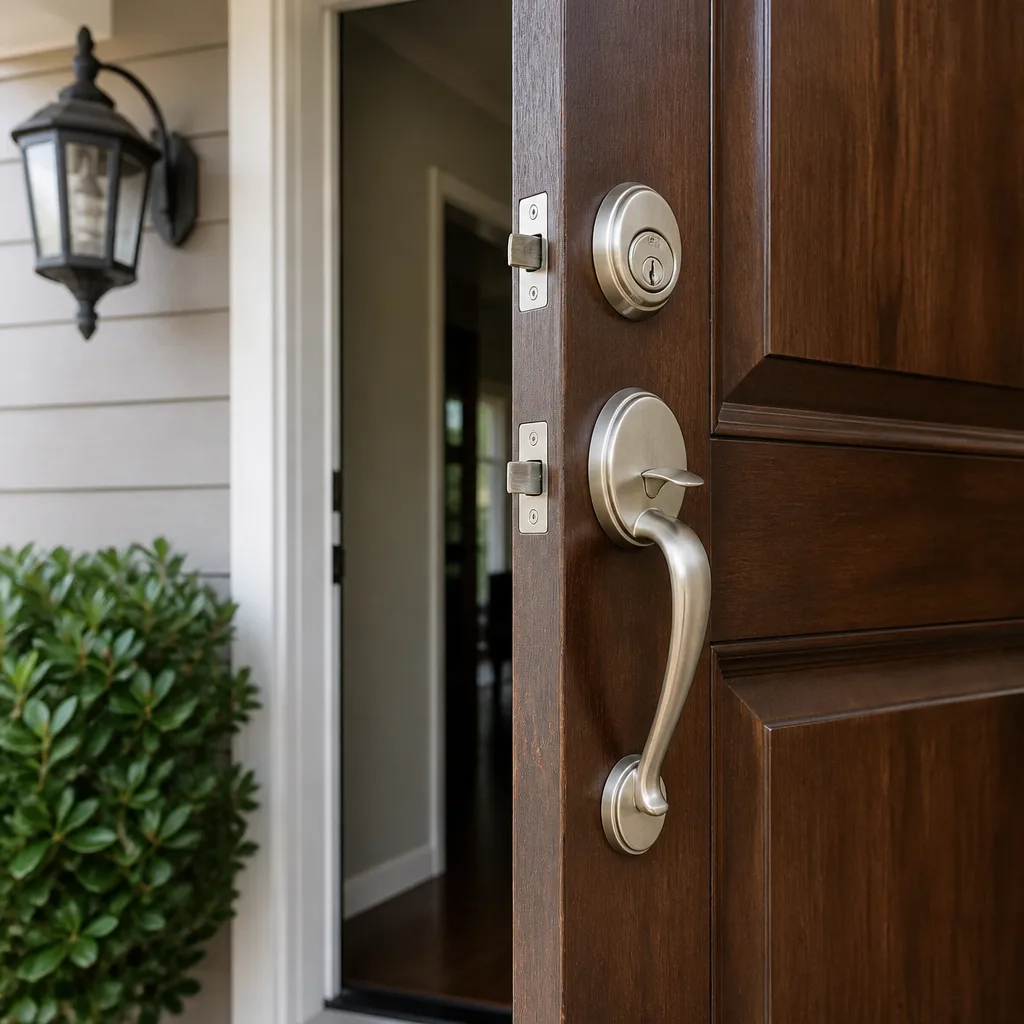
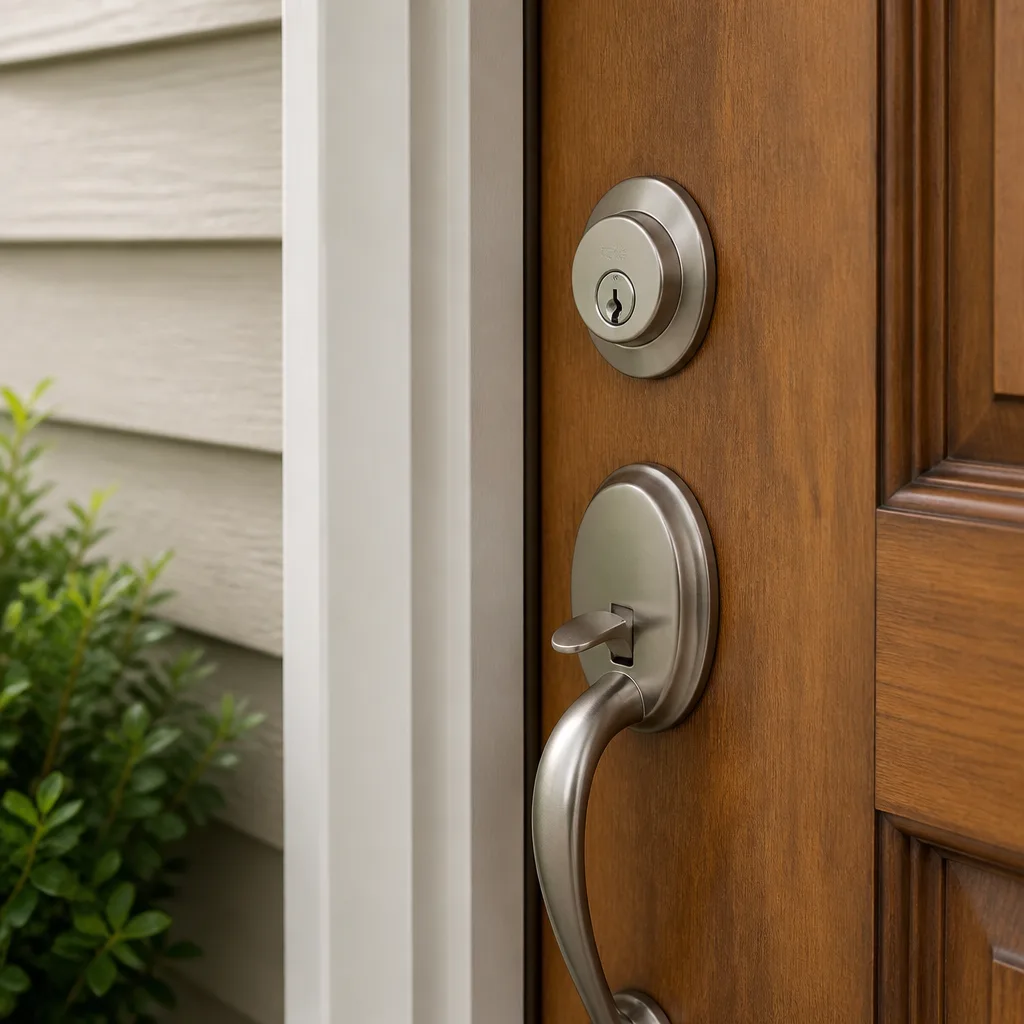
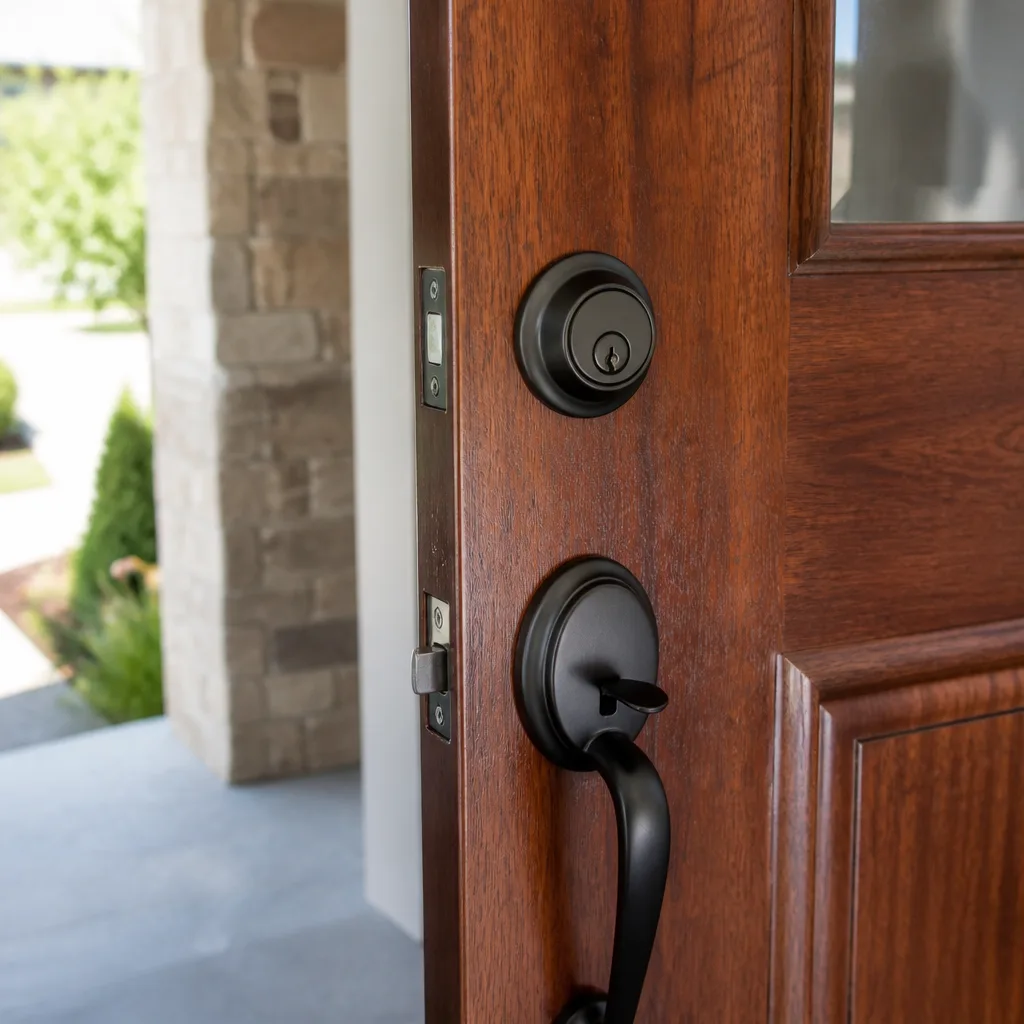
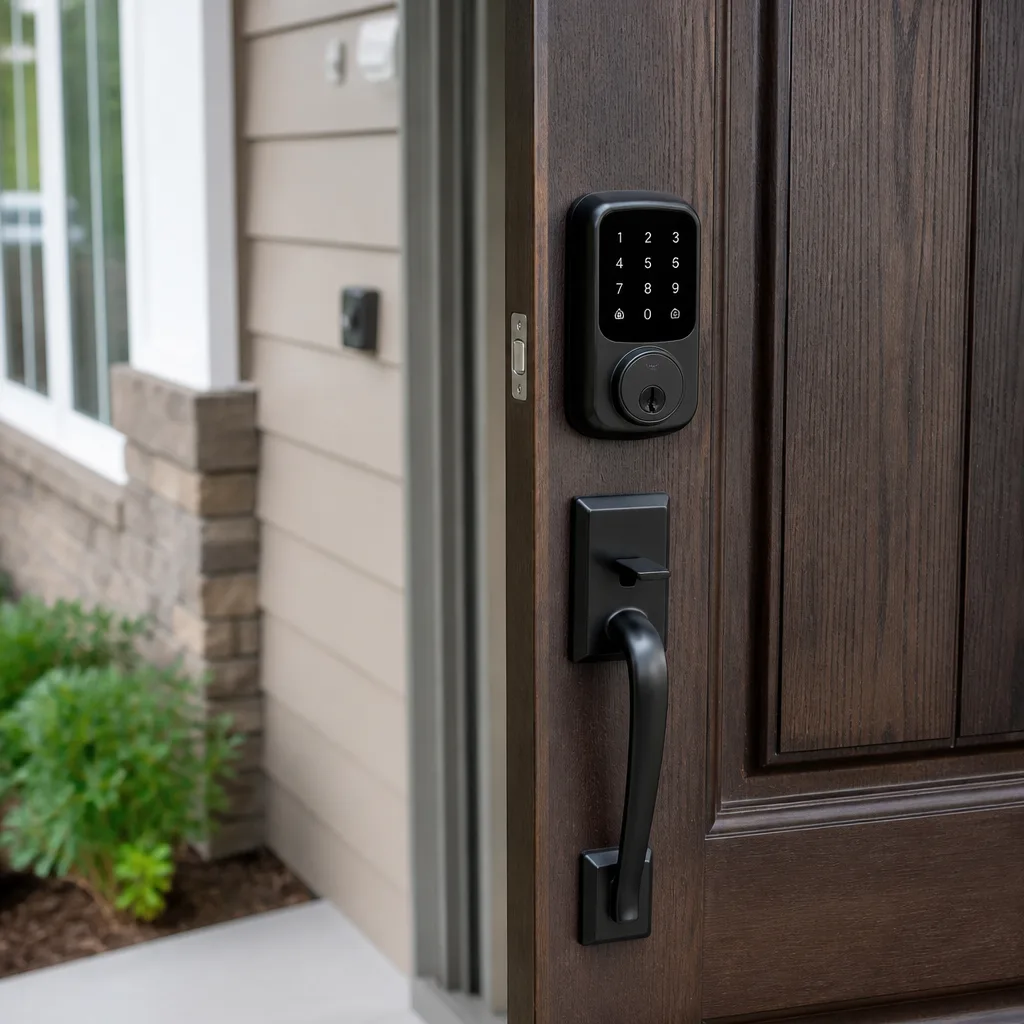
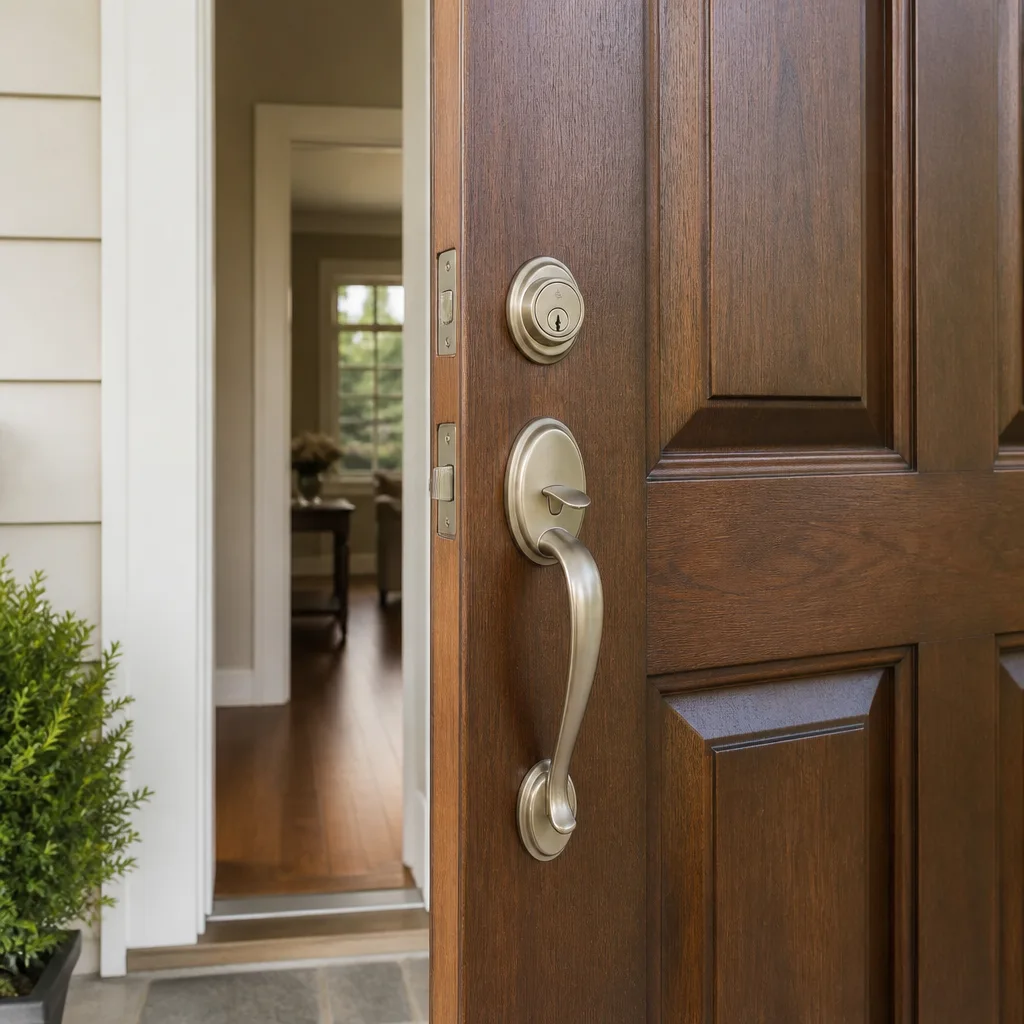
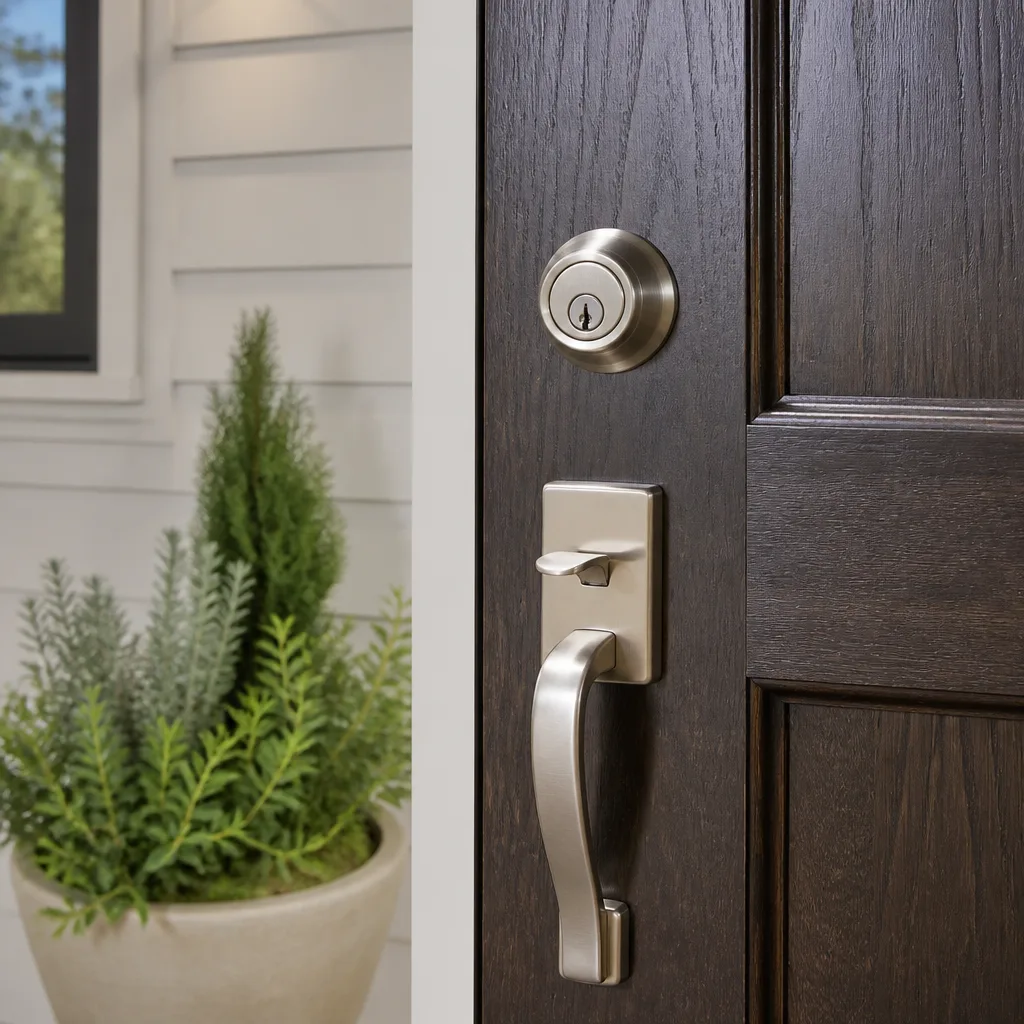
DIY vs Professional Commercial Locksmith: What’s Safe to Do Yourself
Replacing a commercial door knob with a residential-grade deadbolt is legal to do yourself. But if that door is a required egress path and the hardware isn’t UL-listed fire-rated, your property insurer can deny a fire claim. Most facilities managers in Los Angeles don’t discover this until after an incident. This guide draws a clear line between the five or six commercial locksmith tasks that are genuinely safe to handle in-house, and the ones that carry code violations, voided warranties, and insurance fallout when done wrong. You’ll learn what costs what, which brands punish non-certified installation, and how to tell a real commercial locksmith from a guy with a van and a drill.
Quick Answer
Safe DIY commercial lock work is limited to lubricating cylinders, tightening strike plates, replacing keypad batteries, and swapping identical hardware on non-egress interior doors. Anything on a fire-rated door, an egress path, a master key system, or access control wiring belongs with a professional. The line isn’t about skill level. It’s about which mistakes carry legal and liability consequences, and in Los Angeles, where commercial buildings mix 1920s hardware with modern access systems, guessing wrong costs far more than a service call. For a deeper look at this decision, see our guide on DIY vs Professional Locksmith: The Los Angeles Homeowner’s Decision Guide.
Table of Contents
- The 5 Tasks That Are Actually Safe to Do Yourself
- What Crosses Into Professional-Only Territory
- How DIY Installation Voids Commercial Hardware Warranties
- The Real Labor Cost Comparison: DIY vs Professional
- What ‘Professional’ Actually Means in California
- Los Angeles Commercial Building Context
- Common Mistakes to Avoid
- When to Call a Professional
- Frequently Asked Questions
- The Bottom Line
The 5 Tasks That Are Actually Safe to Do Yourself
A facilities manager can handle a handful of commercial lock maintenance tasks without creating liability. We’re talking about work that doesn’t involve removing the lock from the door, doesn’t touch fire-rating components, and doesn’t require reconfiguring how keys interact with the building. Here’s the short list, with what each task physically involves.
1. Lubricating cylinders. Sticky keyways are the most common service call we get, and most are solved with a graphite-based or PTFE dry lubricant. You insert the straw into the keyway, give it a short spray, and work the key in and out a few times. Never use WD-40 in a commercial lock. It’s a solvent that temporarily frees the mechanism, then attracts dust and gums the pins permanently. A $12 tube of dry graphite from a hardware store prevents most “the key won’t turn” calls.
2. Tightening strike plates and hinge screws. A sagging door pulls the latch out of alignment with the strike plate, which makes the lock bind. If the screws on the hinge or strike plate have loosened, tightening them often fixes the bind. This is a screwdriver job. Check the top hinge first; gravity pulls the door down and out of alignment most visibly there. If the door is still misaligned after screws are secure, the frame may have shifted, and that’s a professional repair.
3. Replacing keypad or electronic lock batteries. Most keypad commercial locks, including Schlage and Yale models, run on 4 AA or 9V batteries accessible from the interior side of the lock. The housing pops off, batteries swap out, codes are retained in memory. No reprogramming needed. If the lock loses codes every time you change batteries, the internal memory module is failing and you need replacement hardware, not another battery swap.
4. Swapping like-for-like hardware on non-egress interior doors. An office door with a standard Schlage passage or privacy knob can be replaced with the same model in a different finish in about 15 minutes with a Phillips screwdriver. The key words here are “same model” and “non-egress.” You’re not changing the prep holes, not changing the backset, not changing the function. If the new hardware has a different backset or requires a different hole diameter, stop. Drilling into a commercial door changes the fire rating.
5. Cleaning and adjusting door closers. Pneumatic door closers have adjustment valves for sweep speed and latch speed. A quarter-turn with an Allen wrench changes how fast the door closes. This is routine maintenance, not lock work, and it’s safe. Leave the spring tension alone. That’s the one adjustment where a slip can send a metal arm across someone’s face, and commercial door closers with improper spring tension are a known workers’ comp claim source in Los Angeles office buildings.
One more note on all five tasks: none of them change who can access the building. The moment the task involves changing what keys work, you’ve crossed out of maintenance and into security management. That’s the line we draw for clients on our Preston Locksmith & Security home service philosophy: maintenance is yours, access control is ours.
What Crosses Into Professional-Only Territory
Some commercial locksmith work isn’t a matter of difficulty. It’s a matter of whether a mistake creates a violation that shows up on an inspection report, an insurance claim, or a lawsuit. Four categories are firmly in professional territory, and in Los Angeles, the building department and fire marshal enforce them aggressively.
Egress door hardware. Any door on a required exit path, including the main entrance, stairwell doors, and exit doors from suites, must meet specific hardware requirements under the California Building Code. These doors need panic hardware or single-motion egress, fire-rated components if the door itself is rated, and hardware that functions without special knowledge. Installing a deadbolt that requires a key to exit is a code violation, plain and simple. In an emergency, that door gets people hurt, and the building owner carries the liability.
Fire-rated door lock replacement. Fire-rated commercial doors carry a label from a testing agency like UL or Intertek. The lock, hinges, and closer on that door are part of the rating. When you replace a lock on a fire-rated door, the new hardware must be listed for that door’s rating, and the installation must preserve the label. A non-certified installation technically voids the door’s rating, and your insurer can deny a fire claim because the path of egress wasn’t properly maintained. We’ve walked Los Angeles commercial clients through fire marshal citations for exactly this, and the fix always costs more than the original professional install would have.
Master key system changes. A master key system means multiple keys open different subsets of doors, with a master key opening everything. Changing this system isn’t about swapping cylinders; it’s about re-pinning every cylinder in the building to a new key math. Do it wrong and you create cross-keying, where a tenant key accidentally opens a neighboring suite, or you destroy the existing hierarchy so nobody’s keys work predictably. Rebuilding a master key system that was DIY-botched typically costs $1,200 to $3,000 in Los Angeles, depending on the number of doors, so a mistake here is expensive.
Access control wiring. Any lock tied to a card reader, keypad entry system, or central access control panel involves low-voltage wiring, relay logic, and integration with the building’s power supply. These systems fail in ways that are invisible until someone is locked out or, worse, locked inside a secure area. Wiring mistakes also create fire hazards when they involve the door release function tied to the fire alarm. This is never a DIY task, and a mistake here can leave a building uninsurable if a fire alarm fails to release a maglock during an evacuation.
For commercial clients dealing with any of these situations, our Commercial Locksmith in Los Angeles team handles the code and compliance side so the work doesn’t come back as a citation.
How DIY Installation Voids Commercial Hardware Warranties
Commercial lock brands aren’t shy about warranty language, and facilities managers routinely miss it. Schlage, Medeco, and ASSA ABLOY all publish installation requirements that specify certified or factory-trained installers for their commercial lines. If a non-certified person installs the hardware and the lock fails, the warranty claim gets denied. Here’s what that actually costs.
A Schlage L-Series commercial mortise lock runs $400 to $800 per unit depending on finish and function. A Medeco high-security cylinder runs $80 to $150 per cylinder, and a Medeco key control system adds another $50 to $75 per cylinder for restricted keyways. If the lock fails because it was installed with incorrect spacing or the wrong strike, the entire cost of replacement hardware comes out of the building’s operating budget, not a warranty claim. We’ve seen Los Angeles facilities teams eat $3,000 in replacement hardware because a well-meaning maintenance tech installed a mortise lock without the proper faceplate jig.
The warranty issue extends beyond the lock itself. On fire-rated door assemblies, the door, frame, and hardware are tested as a unit. Replacing hardware with a model that isn’t listed for that specific assembly voids the door manufacturer’s warranty and the fire-rating label. That’s a warranty problem and a code problem at the same time. Insurers in Los Angeles have gotten stricter about this since the 2010s, and they do ask for documentation on commercial fire door assemblies after a claim.
The point isn’t that DIY installation is always sloppy. It’s that commercial hardware manufacturers have written their warranty terms so that only certified installers can maintain the warranty, and fighting a denied claim is not a fight a facilities manager wants to have. The professional install cost, typically $150 to $300 per door for a mortise lock retrofit, is cheap insurance against a $600 uninsured hardware failure.
The Real Labor Cost Comparison: DIY vs Professional
The DIY vs Professional Door Lock Repair: What’s Safe to Do Yourself math looks different for commercial work than it does for residential, because the DIY tools don’t always fit the job. Here’s the breakdown for the most common commercial lock tasks in Los Angeles.
Rekeying a 10-cylinder suite. A professional commercial locksmith rekeys a standard 10-door office suite for $250 to $400, and the work takes about 45 minutes. That price includes the new key cuts, the pins, and the labor. A DIY rekeying kit from a hardware store costs $20 to $40 and works fine on Schlage C keyway cylinders, but most Los Angeles commercial buildings don’t run standard Schlage C keyways. Medeco, Mul-T-Lock, and Sargent use restricted or proprietary keyways that you can’t buy pins for at a hardware store, period. The kit doesn’t work, the pins don’t exist at retail, and you’re still calling a professional after spending an evening learning why.
Replacing a single commercial mortise lock. The hardware costs $400 to $800 for a Schlage or Baldwin commercial mortise body. Installation by a professional runs $150 to $300, including strike adjustment and proper faceplate fitting. DIY installation saves the $150 to $300 but risks a botched faceplate cut, a misaligned strike, or a warranty-voiding error that costs more than the savings.
Door closer replacement or adjustment. Professional door closer replacement runs $200 to $450 including the closer and labor. DIY closer adjustment is free if you own an Allen wrench. This is one of the few tasks where DIY genuinely wins on cost, provided you don’t touch the spring tension and you’re working on a standard interior door, not a fire-rated assembly.
Keypad lock installation on an exterior door. A professional install runs $200 to $350 including programming and wiring where needed. DIY installation can work if the manufacturer’s instructions are followed exactly, but exterior doors in Los Angeles commercial buildings often have non-standard preps from years of retrofits. If the new keypad doesn’t fit the existing holes, you’re drilling into a commercial door, and that’s where the trouble starts.
We offer Rekey Locks in Los Angeles service with written pricing before any work begins, so commercial clients know the full cost up front, not after the invoice arrives.
What ‘Professional’ Actually Means in California
Here’s a fact most commercial property managers don’t know: California does not license locksmiths at the state level. There’s no state board, no locksmith license number, no regulatory body that disciplines bad locksmiths. Anyone can print “locksmith” on a van and start taking calls. That changes how you have to evaluate who you hire.
In Los Angeles, the real bar is three things: background-checked technicians, proper insurance, and a written price before work starts. Background checks matter because locksmiths handle security hardware and often see the vulnerabilities in a building. Insurance matters because a locksmith working on a commercial door carries liability for damage to the door, frame, and surrounding finish, and an uninsured technician means the building eats the repair cost. Written pricing matters because the commercial locksmith trade has a documented problem with bait pricing, where a low quote becomes a much higher invoice after the work is done.
We’ve served Los Angeles commercial clients since 2008, and in that time we’ve repaired consistent damage from unvetted technicians: mortise locks installed upside down, strike plates mounted on top of the old one with wood screws, keypad locks wired in series with door closers. The common thread is that none of the work was documented in writing before it started, and none of the technicians could be identified after they left.
When you call a commercial locksmith in Los Angeles, ask three questions: Are your technicians background-checked and uniformed? Is the price in writing before you start? Do you carry liability insurance? If you don’t get a straight yes to all three, keep looking. Preston Locksmith & Security answers yes to all three on every call, and the price is committed to writing before a technician is dispatched.
Los Angeles Commercial Building Context
Los Angeles commercial real estate is not one market; it’s four or five overlapping ones, each with its own hardware reality. Downtown LA high-rises and converted lofts run modern access control systems tied to building management software. Mid-Wilshire and Koreatown office buildings from the 1960s and 1970s often still run original mortise hardware, some of it discontinued. The San Fernando Valley industrial corridor leans on warehouse roll-up doors and pedestrian doors with heavy-duty commercial hardware. Santa Monica and West LA buildings face salt air corrosion that eats lock internals faster than inland properties.
That variety means the DIY-versus-professional decision looks different depending on where your building sits. A 1970s Koreatown office suite with original Schlage mortise locks needs a locksmith who can source replacement parts for discontinued hardware or machine adapters. A newer Santa Monica building with Baldwin mortise locks needs corrosion-resistant finishes and regular lubrication to fight the marine layer. None of this shows up in a generic DIY guide, which is why we’ve written this one from our own Los Angeles service history rather than from a template. For more guides & resources, visit our blog.
The city’s fire code enforcement adds another layer. Los Angeles Fire Department inspectors review commercial egress doors during annual inspections, and they flag hardware that doesn’t meet code: missing panic bars, deadbolts on exit doors, door closers that don’t latch. A flagged violation means a correction notice and a follow-up inspection. The cost of a professional fix is lower than the cost of a citation and a re-inspection, and it’s lower than the insurance risk of leaving a known egress problem uncorrected.
Climate plays a role too. Los Angeles isn’t a humid city, but coastal fog and the seasonal shifts in temperature cause commercial doors to expand and contract enough that strike plates need seasonal adjustment. Facilities managers who handle that adjustment in-house save money. Those who ignore it end up paying for emergency service when a door won’t latch on a Friday night. We’ve seen both patterns repeat across Los Angeles commercial spaces for over 15 years.
For commercial door issues beyond locks, our Door Lock Repair in Los Angeles service handles everything from strike plate realignment to full mortise lock replacement, with the written price confirmed before work begins.
Common Mistakes to Avoid
- Using WD-40 on commercial lock cylinders. It frees the mechanism temporarily, then attracts dust and gums the pins permanently. Use dry graphite or PTFE lubricant instead.
- Installing residential hardware on a commercial egress door. Residential deadbolts aren’t rated for commercial traffic, violate egress code, and void fire-door labels. This is the most expensive DIY mistake we see in Los Angeles.
- Drilling new holes in a fire-rated door. Every new hole in a fire-rated door is a potential label violation, and the door loses its rating. If new hardware doesn’t fit the existing prep, call a professional.
- Assuming any locksmith is qualified because they showed up. California has no state locksmith licensing. Verify background checks, insurance, and written pricing before the work starts.
- Rekeying a master keyed building with a retail kit. Restricted keyways like Medeco, Mul-T-Lock, and Sargent don’t have pins at retail, and messing with a master key system creates cross-keying problems that cost thousands to fix.
- Replacing a keypad lock without checking the fire alarm integration. Some access control locks release on fire alarm signal. Bypassing that integration creates a life-safety hazard and an insurance problem.
- Ignoring seasonal strike plate adjustments in coastal Los Angeles buildings. Doors shift with temperature changes, and a misaligned strike plate leaves a door that doesn’t fully latch, which is a break-in risk and an energy cost.
When to Call a Professional
Call a professional when the work touches a fire-rated door, an egress path, a master key system, or any access control wiring. Also call when the hardware brand is Medeco, Mul-T-Lock, Baldwin, or any restricted keyway system, because those manufacturers require certified installation to maintain warranty coverage. If you’re not sure whether a door is fire-rated or whether a lock is part of a master system, call before you pick up a screwdriver. We’d rather answer a five-minute question than repair a $1,200 mistake. Preston Locksmith & Security offers free estimates in Los Angeles – call (409) 405-4485 and a live person answers, 24/7.
Frequently Asked Questions
The safe DIY list is short: lubricating cylinders with dry graphite, tightening strike plates and hinge screws, replacing keypad batteries, swapping identical hardware on non-egress interior doors, and adjusting door closer sweep speed. Nothing else should be attempted without professional help, because most other tasks touch fire-ratings, egress code, or access control systems.
Rekeying a standard 10-door office suite runs $250 to $400. Replacing a single mortise lock runs $150 to $300 in labor plus $400 to $800 in hardware. Keypad lock installation runs $200 to $350. These are the quoted ranges we provide to Los Angeles commercial clients, with the full price in writing before any work starts.
Yes, at Preston Locksmith & Security the price quoted before dispatch is the price on the invoice. There is no call-out surcharge added on arrival and no inflated hourly rate revealed after the work is done. The Relay Visibility Guarantee includes a written price before any work begins, and that’s the price you pay. Call (409) 405-4485 for a free estimate.
Yes, for commercial hardware from Schlage, Medeco, ASSA ABLOY, and most other major manufacturers, non-certified installation voids the warranty. If the lock fails and the manufacturer learns it was installed by an unverified party, the claim is denied and the full hardware replacement cost falls on the building.
Preston Locksmith & Security answers calls 24/7 with a live person, and commercial lockout response in Los Angeles typically runs 30 to 60 minutes depending on your neighborhood and traffic. The Relay Visibility Guarantee provides a live trackable arrival time so you know exactly when the technician pulls up. Call (409) 405-4485 and we’ll confirm the time on the phone.
Ask three questions: Are technicians background-checked and uniformed? Is the price in writing before work starts? Are you insured? California doesn’t license locksmiths at the state level, so these three checks are the real bar. If you don’t get straight answers, hire someone else.
For most Los Angeles commercial spaces, keypad locks from Schlage, Yale, or Baldwin are a solid upgrade over standard mechanical locks, provided they’re installed on doors that aren’t fire-rated egress paths. On egress doors, keypad locks must meet specific code requirements, and a professional should confirm the hardware is compliant before installation.
The Bottom Line
The DIY-versus-professional line for commercial locks has nothing to do with whether you can turn a screwdriver and everything to do with whether a mistake creates a legal, insurance, or code problem. Lubrication, battery swaps, and identical hardware swaps are safe in-house tasks. Everything on a fire-rated door, an egress path, or a master key system belongs with a background-checked, insured professional who puts the price in writing before work begins. In Los Angeles, where commercial buildings range from 1920s mortise hardware to modern access control, the cost of guessing wrong is a voided warranty, a fire marshal citation, or an uninsurable claim. Call (409) 405-4485 and we’ll tell you which side of the line your job falls on, free, before you touch a screwdriver.
Written by Kevin Yoon, Owner at Preston Locksmith & Security, serving Los Angeles since 2008.