
Last updated October 9, 2026
Non-destructive entry first, always - and we re-key Schlage, Kwikset, and Baldwin locks on the spot while you watch
You get a price before we start. It does not change when we arrive. No surprises.
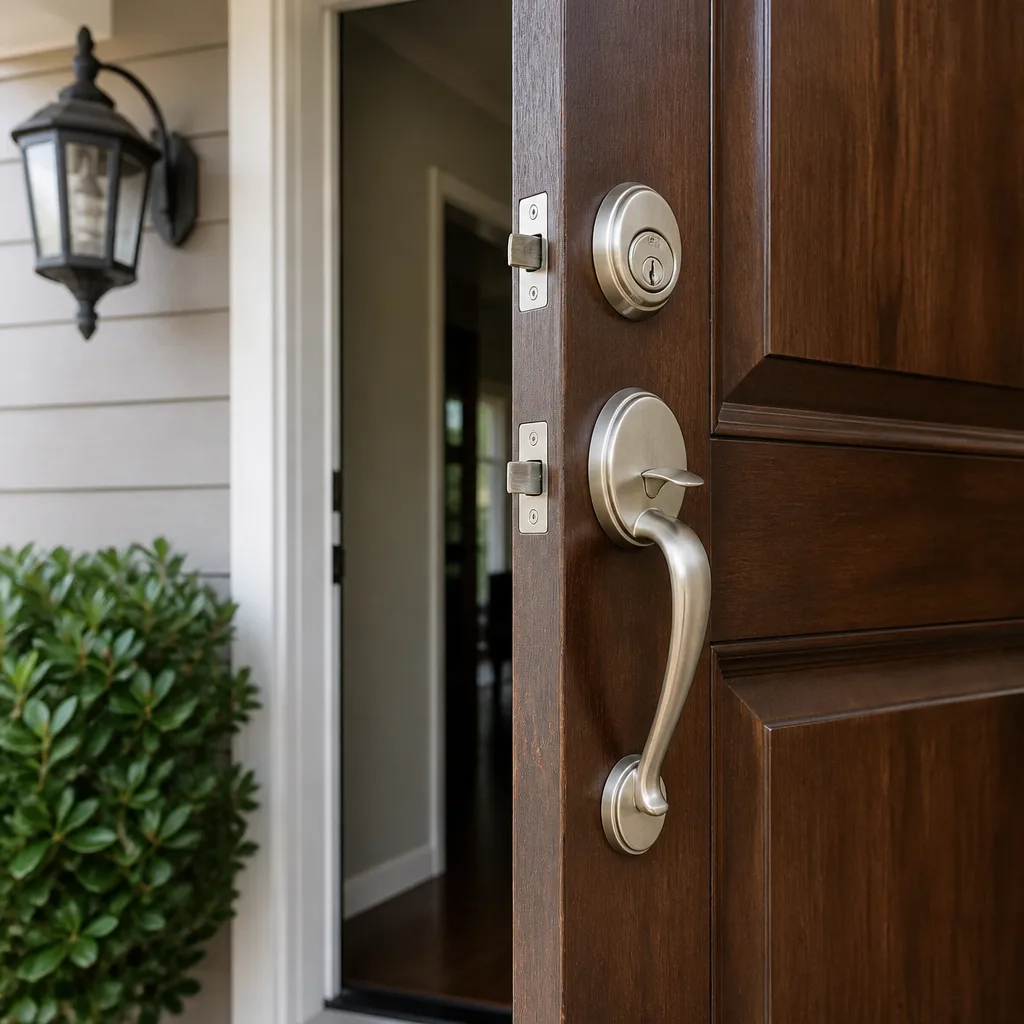
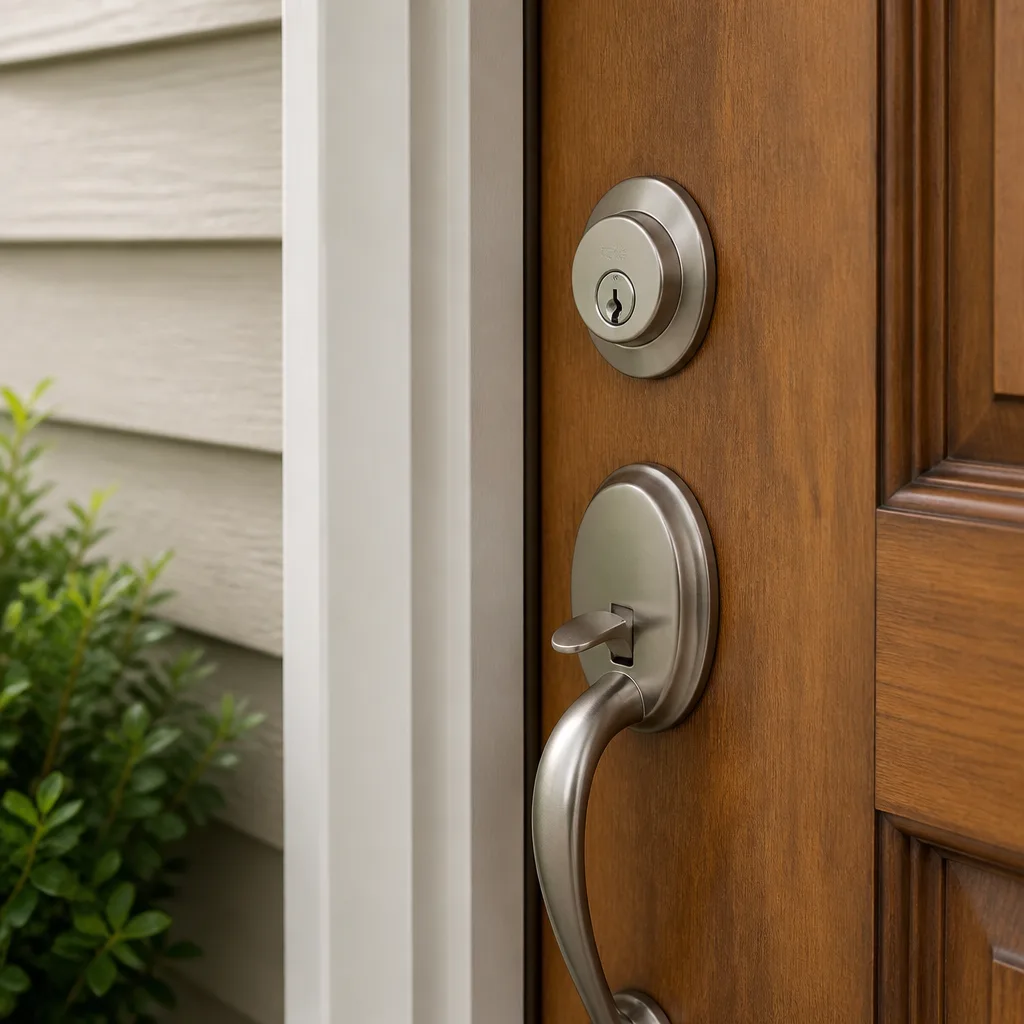
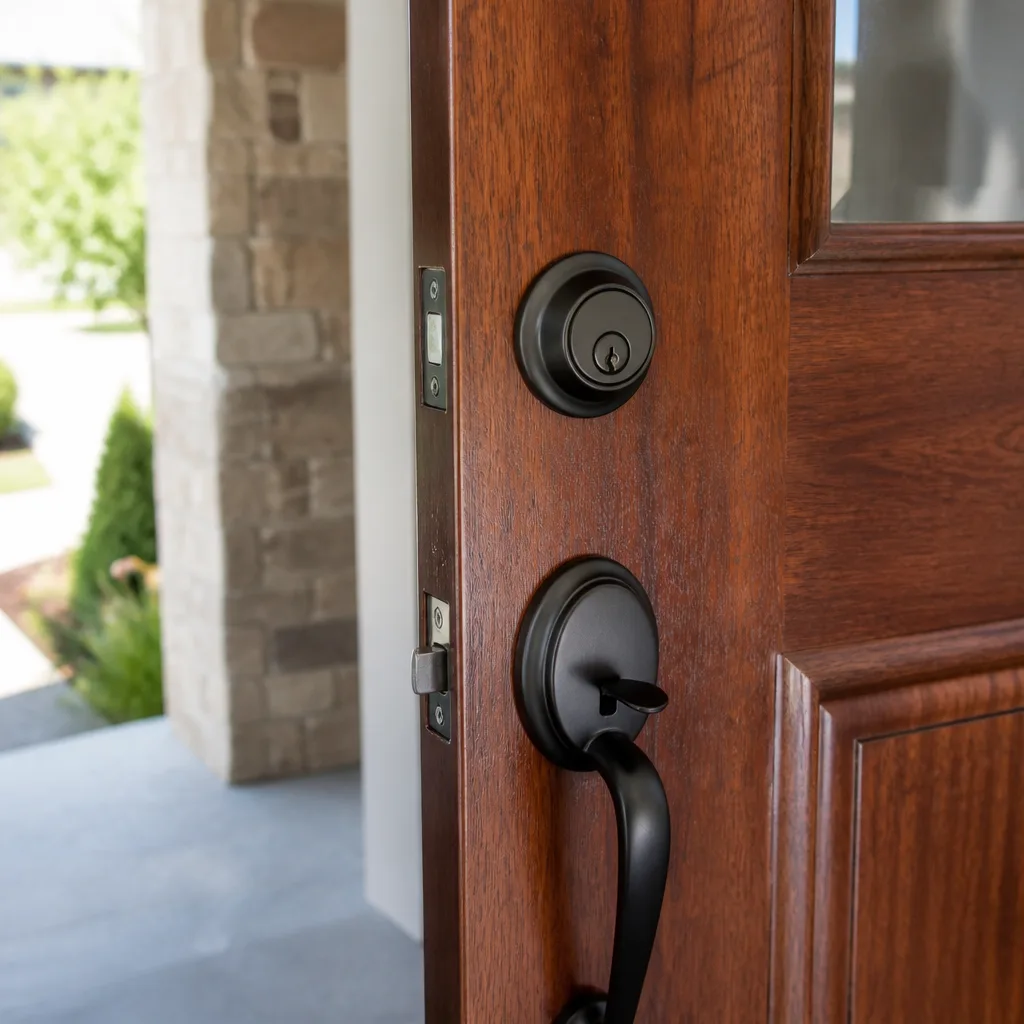
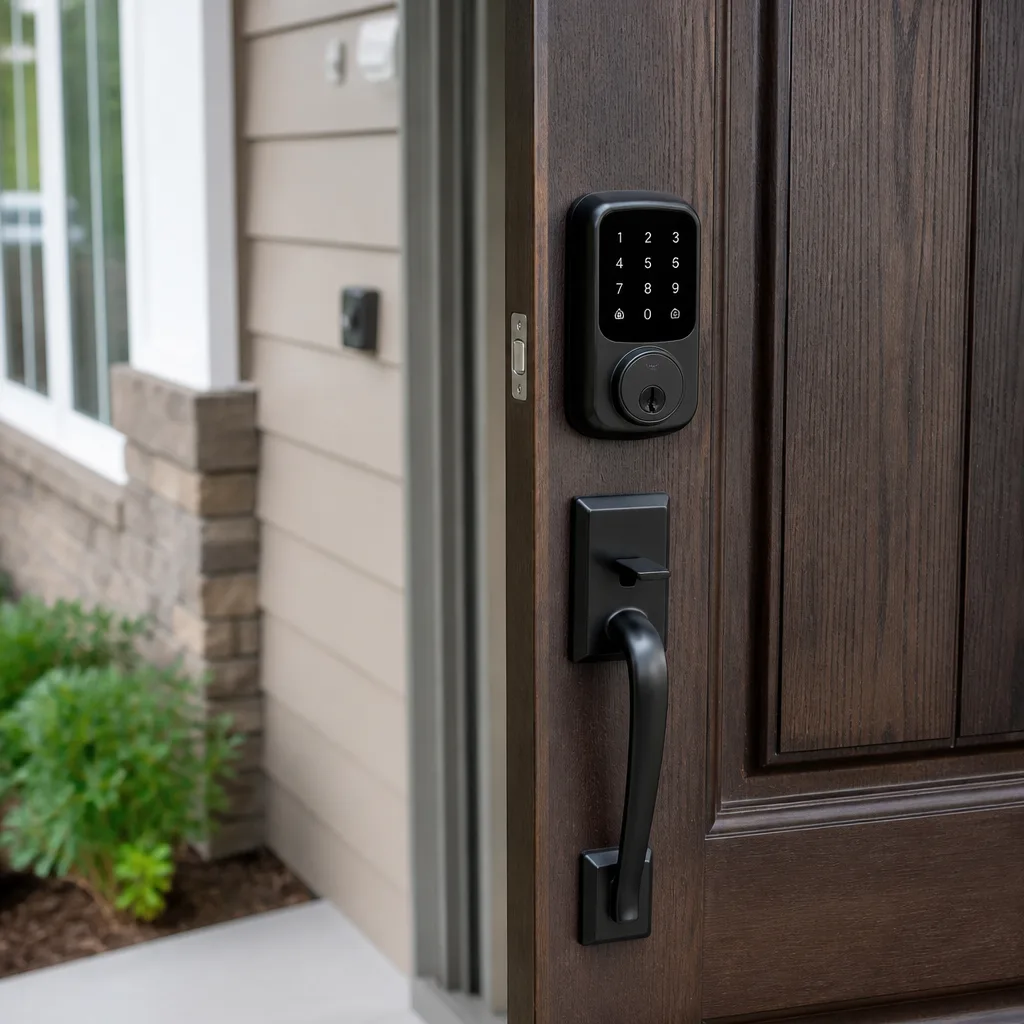
Commercial Locksmith Warning Signs Every Homeowner Should Know
Most people picture a commercial lock failure as a dramatic moment: a key snapping off in the cylinder, a door that won’t open at 6 a.m. on a Monday, a panic bar that jams during a fire drill. But after nearly two decades working on commercial hardware across Los Angeles, we can tell you the real story is quieter. Commercial locks almost never fail without warning. They telegraph their decline weeks in advance through small mechanical changes most people dismiss as quirks. This guide walks through those early signals, what they actually mean inside the lock, and how catching them early in a Los Angeles building saves you from a $400 Commercial Locksmith emergency call. You’ll learn what to watch, what to photograph, and when a maintenance visit is the smart move.
Quick Answer
Commercial locks rarely fail suddenly. The five early warning signs are increased turning resistance, a key that catches or sticks during retraction, a visible gap between the door edge and frame, delayed latch engagement, and cylinder wobble. If you notice any of these, the lock is telling you it needs attention now, not in three months.
Table of Contents
- Why Increased Turning Resistance Matters More Than You Think
- Key Sticking at Retraction: The Cylinder’s Cry for Help
- The Door Gap Test: Hardware Failure vs. Frame Failure
- Delayed Latch Engagement and What It Reveals
- Cylinder Wobble: The Loose Component You Shouldn’t Ignore
- Electronic Access Control: Warning Signs Most Building Owners Miss
- Reading Rust Patterns on Exterior Commercial Hardware
- How to Photograph and Document Warning Signs Before Calling
- Common Mistakes to Avoid
- When to Call a Professional
- Frequently Asked Questions
- The Bottom Line
Why Increased Turning Resistance Matters More Than You Think
If your commercial key requires noticeably more force to turn than it did six months ago, your cylinder has accumulated enough debris or misalignment to fail completely within 60 to 90 days. That’s not an estimate. It’s standard wear progression on a high-cycle lock. Commercial doors in Los Angeles get used far more than residential ones. A storefront on Beverly Boulevard might see 1,500 key turns a month. A medical office door in Westwood could see triple that. Every turn deposits microscopic dust, metal shavings, and grit into the cylinder. Most of it gets pushed out naturally. But over thousands of cycles, some of it stays behind.
The mechanism inside a commercial cylinder is precise. Pin tumblers need to rise and fall freely. Springs need to compress and release. When debris accumulates, the pins don’t move smoothly anymore. The key still works, but it works harder. That extra force you feel is the key fighting against friction that didn’t exist when the lock was new. Each forced turn accelerates wear on the key itself, which then sheds more metal into the cylinder. It compounds. Left unchecked, the cylinder eventually binds completely, or the key breaks off inside. Neither is a cheap fix at 7 p.m. on a Friday.
A $40 to $80 cylinder cleaning or replacement, done during regular business hours, solves the problem before it becomes an emergency. We clean and lubricate commercial cylinders with a dry graphite-based lubricant designed for high-cycle hardware. Oil-based sprays like WD-40 actually attract grit, making the problem worse over time. If we catch the wear early enough, cleaning is often all that’s needed. If the pins are too worn, replacing the cylinder with a new one from Baldwin, Sargent, or Abloy is straightforward and typically runs $90 to $180 per cylinder, parts and labor included, for standard commercial hardware.
Los Angeles adds its own layer to this problem. Our dry climate produces fine, airborne dust that finds its way into every opening. Buildings near construction zones, busy boulevards, or freeway on-ramps see accelerated cylinder contamination. We’ve serviced storefront locks on Figueroa Street that needed cleaning every six months simply because of the particulate load in the air. A building in a quieter residential pocket might go two years between cleanings. There’s no universal schedule. The lock tells you when it’s time. You just need to listen.
Key Sticking at Retraction: The Cylinder’s Cry for Help
A key that catches slightly as you pull it out is not normal. It means one of two things: the cylinder’s internal springs are weakening, or the key itself has worn down enough to sit slightly out of alignment. Both are early-stage failures that cost far less to address now than they will in three months.
When a key sticks at retraction, what’s actually happening is a pin that didn’t fully return to its rest position. Inside every pin-tumbler cylinder, the springs push the pins back down after the key passes. The key should slide out cleanly with zero resistance. A catch, even a tiny one, means a spring is fatigued or a pin is worn at an angle. It may feel like a small annoyance today. It becomes a broken key next week, or a cylinder that freezes entirely with the key half-inserted.
We see this pattern constantly in Los Angeles commercial buildings that are still running original hardware from the 2000s. A storefront in Koreatown might have a Schlage or Baldwin cylinder that’s seen 15 years of daily use. The springs inside have cycled hundreds of thousands of times. Metal fatigue is real. Springs lose their tension. Pins develop flat spots. The key, which is typically made of softer brass, also wears down. The combined effect is a lock that’s on borrowed time.
Here’s what to check in under two minutes:
- Insert your key fully and turn it to the locked position.
- Release your grip completely. The key should remain in place but not bind.
- Pull the key straight out slowly. Any hesitation, catch, or resistance is a warning sign.
- Repeat this three times. If the catch happens every time, the issue is in the cylinder, not the key.
- Try a second key if you have one. If the second key is smooth, the first key is worn and should be replaced. If both stick, it’s the cylinder.
A subtle catch at retraction typically means a $50 to $90 cylinder rebuild or replacement. A snapped key in a commercial cylinder after hours means a $150 to $250 extraction call, often plus the cost of a new cylinder on top. In Los Angeles, where many commercial leases require the tenant to return the space with all locks in working order, catching this early also protects your security deposit.
We recommend commercial properties keep spare keys in limited circulation. The more copies floating around, the more worn duplicates end up in the lock. Every key cut from a copy of a copy loses precision. A key cut from the original code, by contrast, matches the cylinder exactly. If you’re not sure whether your spare keys are code-cut or copy-cut, a quick look under magnification tells the story. Code-cut keys have crisp, clean edges. Copy-cut keys show slight rounding on every cut point. Those rounded edges hammer the pins with every turn. That’s a maintenance bill waiting to happen.
The Door Gap Test: Hardware Failure vs. Frame Failure
Before you replace a commercial lock, check the gap between the door edge and the frame, as detailed in The Complete Door Lock Repair Guide for Los Angeles Homeowners. If it’s wider at the top or bottom than in the middle, the problem isn’t the lock. It’s the door or the frame. Replacing a perfectly good lock when the actual issue is a sagging door is a $300 mistake that doesn’t even fix the problem.
Commercial doors are heavy. A solid-core wood door can weigh 80 pounds. A steel commercial door can weigh 150 or more. Over years of opening and closing, hinges wear, screws loosen, and the door begins to sag. When a door sags even a quarter inch, the latch no longer lines up with the strike plate. The result is a lock that feels stiff, a latch that hesitates, and a key that’s harder to turn. All of those symptoms look like lock failure. Most of the time, they’re door alignment failure.
Here’s the two-part diagnostic we use on service calls across Los Angeles:
- Check the gap visually. Stand on the hinge side and look at the gap between the door edge and frame. It should be even top to bottom. If it’s wider at the top, the door is sagging. If it’s wider at the bottom, the top hinge is pulling loose.
- Test the latch alignment. Open the door and look at the strike plate on the frame. The latch should sit centered in the strike opening. If it’s hitting the top or bottom edge of the strike plate, the door has shifted.
If the door is sagging, the fix is usually hinge work: tightening screws, replacing stripped screws with longer ones, or installing new commercial hinges. That typically runs $80 to $150 per hinge depending on the hardware grade. Compare that to replacing a commercial mortise lock body, which runs $200 to $400 or more. Now you understand why we diagnose before we replace.
Los Angeles has another factor: earthquakes. Even minor seismic activity, the kind that happens a dozen times a year without anyone noticing, can shift door frames and loosen hinge screws. Buildings in areas like Sherman Oaks or Pasadena, which sit closer to fault lines, tend to see more frame shift than coastal properties. If your commercial building has been through a noticeable quake in the last year and your locks suddenly feel different, check the door gap before you blame the hardware. The door lock repair work in Los Angeles we handle often starts with a hinge adjustment, not a lock replacement.
Delayed Latch Engagement and What It Reveals
When you close a commercial door, the latch should snap into the strike plate immediately. A delay, even a half-second one, means the latch mechanism is gummed up or the door alignment is off. Both are fixable. Both get worse if ignored.
Inside a commercial lockset, the latch is a spring-loaded bolt that extends when the door closes. When it’s working correctly, the spring tension drives it into the strike plate with a clean, audible click. When grease inside the latch body hardens, or dust accumulates, the spring can’t do its job. The latch retracts when you turn the key or handle, but it’s slow to extend when you release. You might notice the door doesn’t stay latched unless you push it firmly. Or you hear a soft, sluggish click instead of a sharp one.
That sluggishness is not cosmetic. A latch that doesn’t fully extend leaves your commercial space vulnerable. The door may appear closed but remain unlatched, meaning anyone can push it open. In a commercial setting, that’s a liability issue. In Los Angeles, where many buildings mix retail on the ground floor with offices above, an unlatched door is an open invitation to anyone walking by on Wilshire Boulevard or Hollywood Boulevard.
The repair path depends on what we find inside. Often it’s simple: disassemble the latch, clean out aged lubricant, apply fresh graphite or a dry commercial lubricant, and reassemble. That’s a $50 to $100 service. If the spring inside the latch has actually failed, replacement is the better option. A standard commercial latch body runs $75 to $150 installed, depending on brand. For hardware from Sargent or Abloy, parts tend to be more expensive but also last significantly longer; those latches are built for high-cycle abuse and rarely fail from anything short of decades of service.
One specific warning from our experience: if the latch delay only happens when the weather is cold or damp, that’s condensation interacting with old lubricant. It’s not imaginary. The cold makes the old grease inside the latch body stiffen. The lock works fine in the afternoon but hesitates at night. Los Angeles doesn’t get cold enough for this to be a nightly issue in most areas, but buildings near the coast in Santa Monica or Venice see enough evening temperature drops and marine moisture to trigger it. If your commercial door is sluggish on dewy mornings but fine by noon, the latch needs service. It won’t fix itself, and the first genuinely cold night of the year is when it fails entirely.
Cylinder Wobble: The Loose Component You Shouldn’t Ignore
Grab the face of your commercial lock’s cylinder, the part where the key goes in. It should feel rock solid. Any movement, side to side or up and down, means the set screws or retaining clips inside are failing. A wobbling cylinder is a lock on the verge of falling out of the door.
In a commercial mortise lock, the cylinder threads into the lock body and is secured by a set screw. If that set screw loosens, the cylinder develops a small amount of play. At first, it’s barely noticeable. You might feel a slight shift when you insert the key. Over months, the play increases. The cylinder threads wear against the lock body. Eventually, the cylinder can spin in place without engaging the mechanism at all. When that happens, the key turns but the lock doesn’t. Or worse, the entire cylinder pulls out with the key. We’ve replaced lock bodies in Los Angeles storefronts where the cylinder had been wobbling for a year and nobody flagged it until the door wouldn’t lock one night.
The fix for early wobble is simple: disassemble, inspect the threads, replace the set screw if necessary, and re-secure. That’s a $40 to $60 maintenance call. If the threads are stripped, the cylinder usually needs replacing, which runs $65 to $120 for standard commercial cylinders. If the wobble has been present long enough to damage the body, the full mortise lock body replacement is a $250 to $400 job, plus labor.
This is a warning sign we see most often on high-traffic entries: restaurant back doors, alley-facing service doors, and delivery entrances. Those doors get slammed. Not closed, slammed. Every impact sends vibration through the hardware. Set screws are the first casualty. In Los Angeles restaurant corridors like Arts District or Highland Park, we regularly see commercial locks with visible cylinder wobble that the owner has simply learned to live with. It’s not something to live with. It’s a $40 problem today and a $400 problem later.
Electronic Access Control: Warning Signs Most Building Owners Miss
Electronic access systems fail differently than mechanical locks. The warning signs are quieter: intermittent credential rejection, a keypad that responds to the first press two seconds late, error codes that appear and clear themselves. All three indicate controller board degradation. None of them should be ignored.
An electronic lock on a commercial door is a miniature computer. The controller board processes every credential: key cards, fobs, PIN codes, mobile credentials. Over time, power fluctuations, heat, and component aging degrade the board’s performance. The first symptom is almost always intermittent behavior. A card that works fine in the morning but rejects at night. A keypad that requires a second press occasionally. A lock that beeps twice as if unlocking, then doesn’t retract the latch. These are not random gremlins. They’re early-stage board failure.
Here’s a diagnostic sequence for electronic access issues:
- Track the frequency. Does the problem happen every time, or occasionally? Occasional problems point to the controller board. Consistent problems point to a wiring or power issue.
- Try a second credential. If a different card or fob works consistently, the first credential may be cracked or demagnetized. If multiple credentials show the same intermittent behavior, the board is the culprit.
- Listen to the lock. A healthy electronic lock responds instantly: beep, click, open. A delayed beep or a click without a beep indicates the board is processing slowly.
- Check the error codes. Many commercial access systems log error codes that clear themselves after a reboot or after the next successful entry. Those codes are still stored in the system memory. A locksmith with access control experience can pull and interpret them.
Replacing a controller board is not a locksmith-only job, but it is a job we handle regularly for Los Angeles commercial clients. It’s typically cheaper than people expect: $150 to $350 for the board plus installation, depending on the system brand and complexity. Compare that to a full electronic lock replacement, which runs $500 to $1,200 per door for commercial-grade hardware. Catching board failure early is the difference between a board swap and a full hardware replacement.
One Los Angeles-specific note: power quality matters. Older buildings in areas like Downtown Los Angeles and Chinatown often have electrical systems that predate modern electronics. Voltage fluctuations, especially in summer when the grid strains under air conditioning load, accelerate controller board wear. If your electronic access system has been in service for five or more years and you’re seeing intermittent issues, schedule an inspection before the heat of August. The boards don’t recover from heat damage. They degrade further.
Reading Rust Patterns on Exterior Commercial Hardware
Not all rust is the same. Surface rust on commercial lock hardware is cosmetic and generally harmless. Deep pitting is structural and means the lock body’s integrity is compromised. Learning to tell the difference saves you from unnecessary replacements and from ignoring a lock that’s about to fail.
Surface rust appears as a light, even discoloration, often orange or brown, across the hardware face. You can wipe it off with a cloth and a little fine steel wool, and the metal underneath remains smooth. It happens when the protective finish wears thin and moisture reaches the surface layer. In Los Angeles, surface rust is most common within a few miles of the coast. The salt air in Venice, Santa Monica, and Marina del Rey accelerates finish wear on exterior hardware. A deadbolt that would stay clean for a decade in Silver Lake might show surface rust in five years in Venice.
Deep pitting is different. It appears as small craters or rough, uneven patches that don’t smooth out when you clean them. The metal itself is corroding from the surface downward. On a lock body or cylinder, deep pitting means the structural integrity is compromised. The threaded areas may no longer hold. The internal chambers may have corroded enough to disrupt pin movement. This is the point where replacement is the only responsible option.
Here’s the test: run a fingernail over the rusted area. If it catches in small craters, that’s pitting. If the surface feels smooth despite the discoloration, it’s surface rust. Surface rust can often be addressed with cleaning and re-finishing, typically a $30 to $50 cosmetic service. Deep pitting on a commercial lock body means replacement, usually $180 to $380 depending on the hardware grade and brand.
We also look at rust as a diagnostic clue. Rust forming around the bottom of a cylinder or where the lock body meets the door often means water is wicking into the hardware from somewhere. That could be a failed door sweep, a missing gasket, or a weather seal that’s no longer doing its job. In Los Angeles, where many commercial buildings have outward-opening doors with minimal weather protection, water intrusion is more common than people assume. Fix the hardware without fixing the water source, and the new lock starts rusting within months. Brands like Mul-T-Lock and Abloy offer hardware with marine-grade finishes for coastal properties; the extra cost is modest and the service life is significantly longer in salt air.
How to Photograph and Document Warning Signs Before Calling
A clear photo saves you time and money. We can assess most commercial lock issues from photographs before we ever dispatch a technician, and we give a written price before anyone rolls a truck. Here’s how to document what you’re seeing.
First, take broad context photos. Stand far enough back to capture the entire door, including the frame on both sides. This shows us the door gap, the general hardware condition, and the surrounding wall. Then take close-up photos of the specific issue: the cylinder face, the latch, the strike plate, any rusted areas, and any gap you’ve identified. Use your phone’s macro mode if you have it. Good lighting matters. Natural daylight is best. If you’re in a dim hallway, use the flash.
Here’s the documentation checklist we recommend to clients across Los Angeles:
- Full door and frame, both sides. Stand back and capture the entire opening.
- Cylinder face, straight on. Fill the frame with the lock. In focus.
- Latch and strike plate. Open the door and photograph both.
- Any rust or pitting areas. Close up, with good light.
- The gap between door edge and frame. Frame the gap against a contrasting background if possible.
- Any keys you’re using. Lay them flat on a table and photograph both sides. Worn keys tell their own story.
If you have a video-capable phone, a 10-second clip that shows the key insertion, turning, and retraction is more useful than ten still photos. We can see the resistance, the wobble, the latch delay. Send the photos and video to a locksmith before you call; many companies, including ours, provide free estimates based on clear documentation. For more guides & resources on documenting lock issues, see our blog. That’s why we built The Relay Visibility Guarantee around written pricing: the price we quote from your photos is the price on the invoice, delivered before a single tool leaves the bag.
For commercial locksmith work in Los Angeles, documentation is especially useful because of traffic. A technician driving across town from the Valley to the Westside or from Downtown to the South Bay is committing real drive time. The more accurately we can diagnose from your photos, the more likely we are to have the right parts on the truck the first time. That gets your lock fixed in a single visit instead of a diagnosis visit followed by a parts trip.
Common Mistakes to Avoid
- Lubricating with WD-40 or household oil. Wet lubricants attract dust and grit, which accelerates cylinder wear. Use a dry graphite or PTFE-based lubricant designed for locks. If you’re not sure which, ask before you spray.
- Forcing a stiff key. Increased resistance means something is wrong inside the cylinder. Forcing the key risks breaking it off in the lock, which turns a $50 maintenance job into a $200 extraction.
- Replacing the lock when the door is sagging. If the door gap is uneven, the new lock will feel exactly like the old one. Fix the hinges first, then evaluate the hardware. This is the single most common $300 mistake we undo in Los Angeles commercial buildings.
- Ignoring intermittent electronic issues. A card reader that works most of the time is a controller board in decline. The board doesn’t heal. Waiting until it fails completely means after-hours emergency rates and a door that won’t open for staff.
- Copying keys from worn copies. Each copy-generation loses precision. Copies of copies produce keys with rounded cuts that hammer the pins inside the cylinder. Have spare keys cut from the original code, not from another key.
- Painting over hardware. We see this constantly in Los Angeles storefronts where a fresh coat of paint somehow ended up on the lock face. Paint seeps into the cylinder and the latch body, gumming up the works. Mask your hardware before painting. If paint gets in the lock, it needs a full disassembly and cleaning, typically $50 to $90.
- Waiting until the lease-end inspection. Commercial tenants in Los Angeles are typically responsible for returning the space with locks in working order. Deferring maintenance means paying for it during the panic of move-out, often at emergency rates. Fix issues when they appear.
When to Call a Professional
Call a locksmith when any of the warning signs above persists for more than a few days. A stiff key that’s still stiff after you’ve tried a second key. A latch that hesitates. A cylinder that wobbles. An access system that rejects credentials intermittently. These are not self-correcting problems. They are mechanical declines that end in failure.
The threshold for professional help is honestly low. If you’ve noticed a change in how your commercial lock feels, and you can’t attribute it to something obvious like a new key, call. The cost of a diagnostic visit, typically $50 to $90 in Los Angeles, is a fraction of what an after-hours emergency runs. Preston Locksmith & Security offers free estimates in Los Angeles; call (409) 405-4485, describe what you’re seeing, and get a written price before we dispatch anyone.
Frequently Asked Questions
Commercial lock repair in Los Angeles typically runs $50 to $400 depending on what’s actually wrong. A cylinder cleaning or minor adjustment is $50 to $90. A cylinder replacement runs $90 to $180 for standard commercial hardware. A full mortise lock body replacement runs $250 to $400. Electronic access board replacement runs $150 to $350. The written price you get before work starts is the price on the invoice, with no call-out surcharge added on arrival. Call (409) 405-4485 for an exact quote; estimates are free.
Yes. At Preston Locksmith & Security, we provide a written price before any work begins, and that written price is the final invoice amount. This is the core of The Relay Visibility Guarantee: no bill that grows between the estimate and the invoice, no surprise fees, no call-out surcharge. The trade has a widely reported bait-pricing problem where a low quote over the phone turns into something much higher on site. We’ve built our entire service model around eliminating that.
Check the gap between the door edge and the frame. If it’s wider at the top or bottom than in the middle, the door is sagging and the frame is the issue. If the gap is even but the key is stiff or the latch hesitates, the hardware is the issue. This two-minute test saves you from replacing a perfectly good lock when the real problem is worn hinges. A hinge adjustment typically runs $80 to $150 per hinge, while a lock replacement costs two to three times that.
No. WD-40 and other wet lubricants attract dust and grit, which makes cylinder wear worse over time. Use a dry graphite or PTFE-based lubricant specifically designed for locks. If the lock remains stiff after proper lubrication, the issue is internal wear or misalignment, and it needs professional attention. That’s a $50 to $90 service call in most Los Angeles commercial buildings.
Most commercial locksmith calls in Los Angeles can be handled same-day if you call during business hours. Preston Locksmith & Security operates with a live trackable arrival time, so you know exactly when the technician will arrive, not a four-hour window. Phones are answered by a live person 24/7 at (409) 405-4485. For non-emergency work like diagnostics or rekeying locks in Los Angeles, we schedule at your convenience.
A well-maintained commercial lock in Los Angeles lasts 15 to 25 years, depending on cycle count and environmental exposure. High-traffic storefronts on busy boulevards may need cylinder replacement every five to seven years. Coastal properties in Santa Monica or Venice see accelerated finish wear from salt air. Interior office doors with moderate use often go 20-plus years with nothing more than periodic cleaning and lubrication. The lock tells you when it’s wearing out. The warning signs in this guide are how you hear it.
Rekeying is almost always the better option. Rekeying means swapping the internal pins so old keys no longer work, no new hardware needed. It typically runs $15 to $35 per cylinder in Los Angeles, or $65 to $95 for a standard single-door commercial lockset. Replacement costs two to four times that. Unless the hardware is physically failing, rekey and keep the good lock. We handle both residential and commercial rekeying across Los Angeles, and we cut new keys from code to avoid the copy-of-a-copy problem.
The Bottom Line
Commercial locks fail in stages. The early warning signs are subtle: a key that needs more force, a latch that hesitates, a cylinder with a little play, a door gap that wasn’t there before. Each one is a mechanical voice telling you something is wearing out. Listen early, and the fix is a $50 maintenance call. Ignore it for a few months, and you’re looking at a $400 emergency, possibly after hours, possibly with a broken key in the cylinder. The smart move is documentation: photograph what you see, call a locksmith you can verify, get a written price, and make the decision with real numbers. That’s how commercial property maintenance should work, and it’s how we’ve been doing it in Los Angeles since 2008. For a free estimate and a written price before any work begins, call (409) 405-4485. Our Preston Locksmith & Security home page has full details on our services and coverage area.
Written by Kevin Yoon, Owner at Preston Locksmith & Security, serving Los Angeles since 2008.