
Last updated October 9, 2026
Non-destructive entry first, always - and we re-key Schlage, Kwikset, and Baldwin locks on the spot while you watch
You get a price before we start. It does not change when we arrive. No surprises.
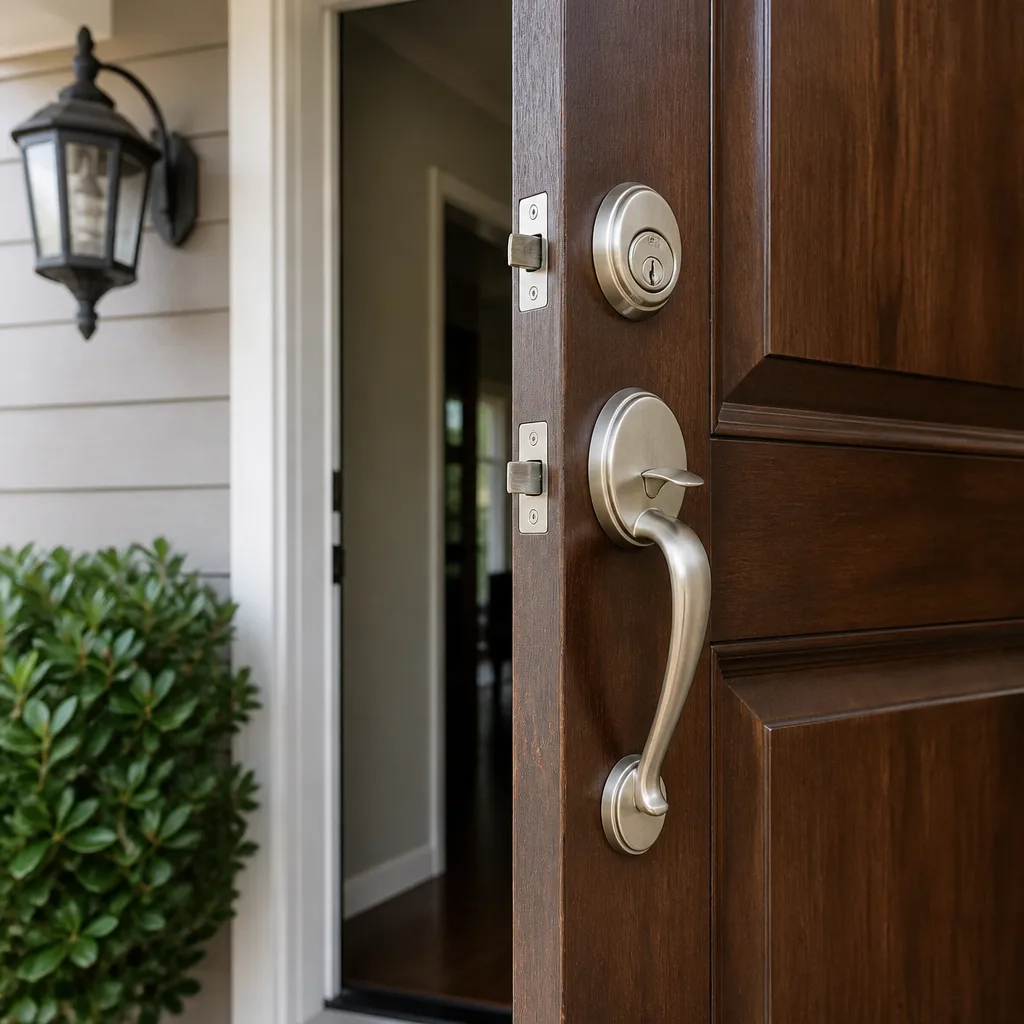
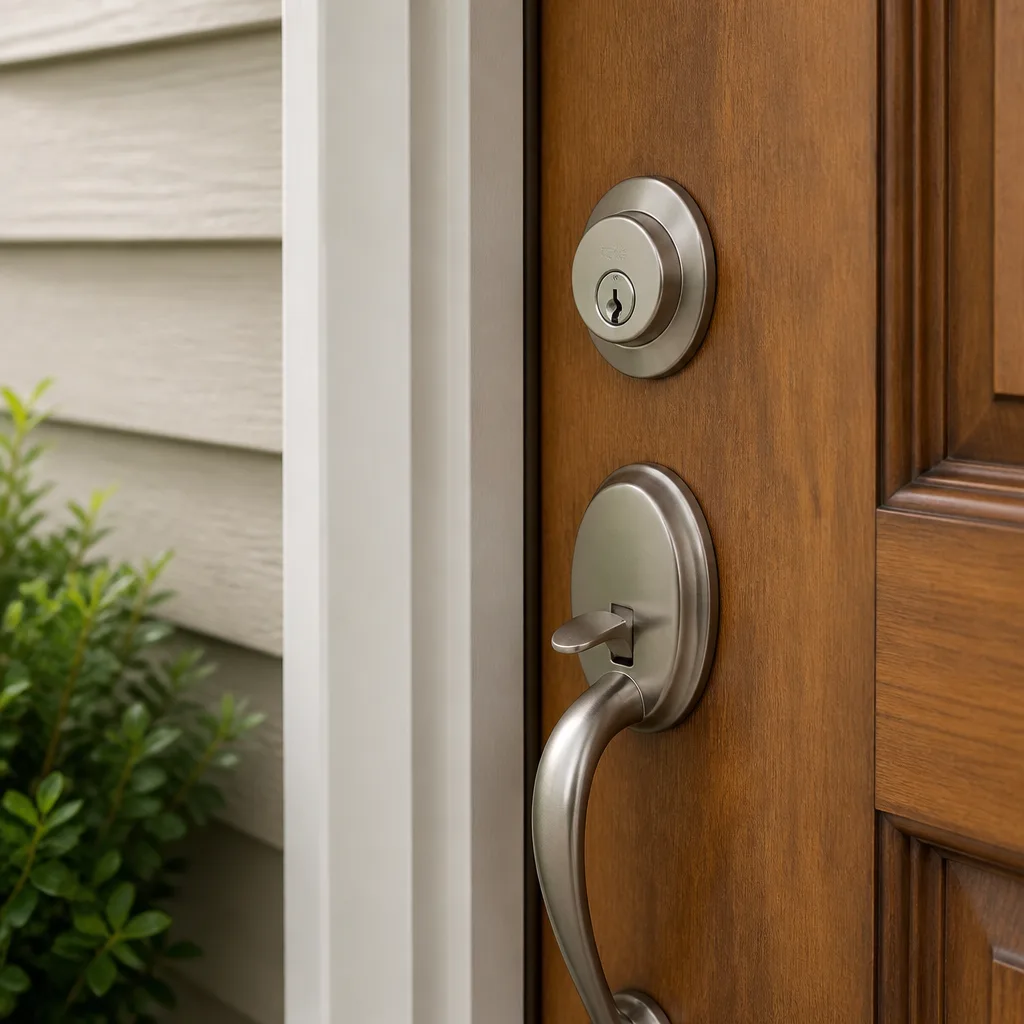
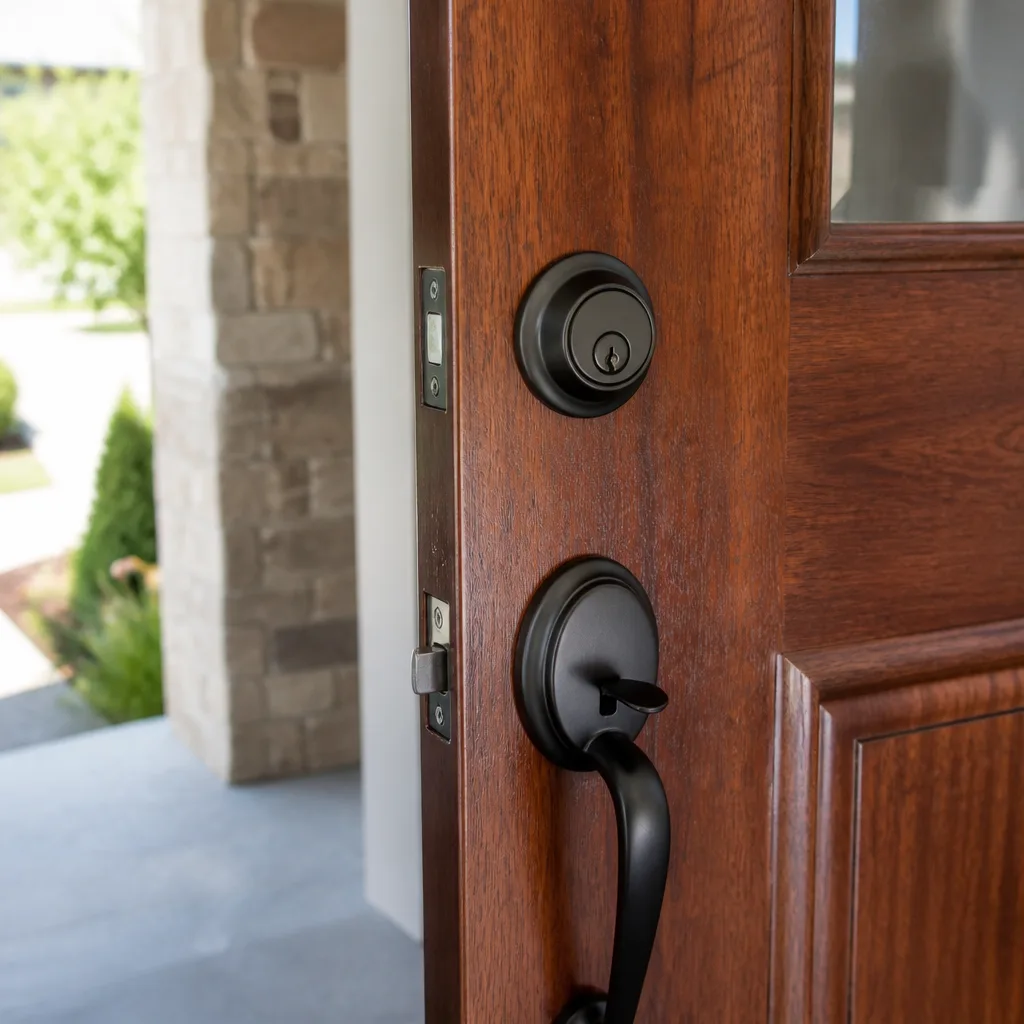
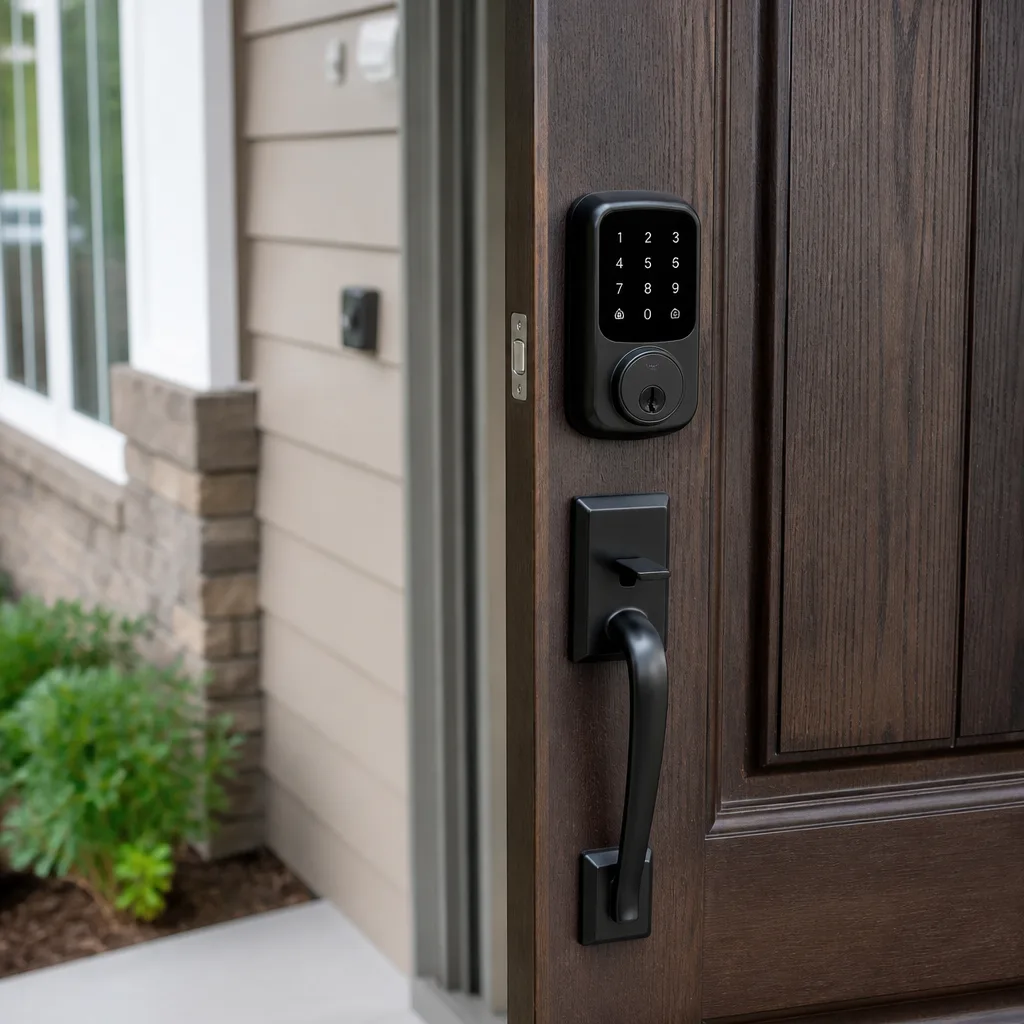
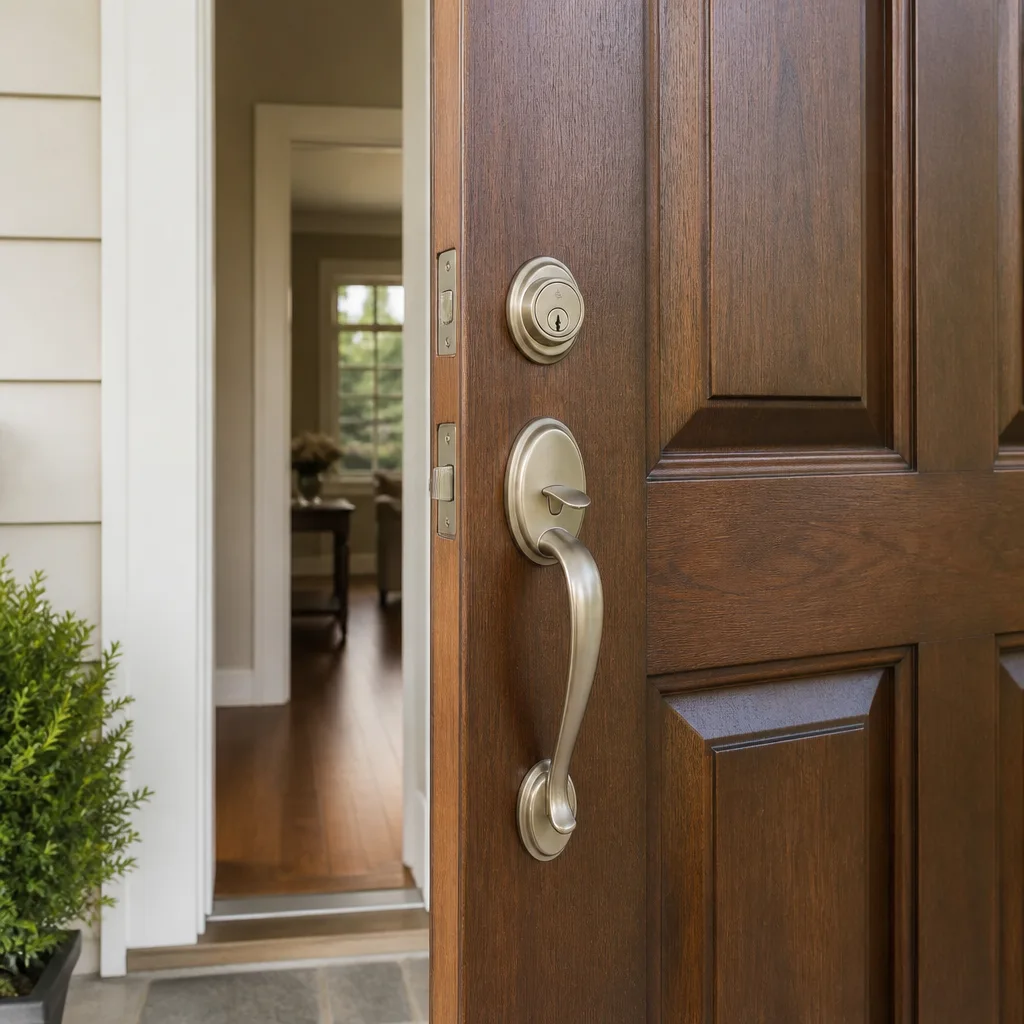
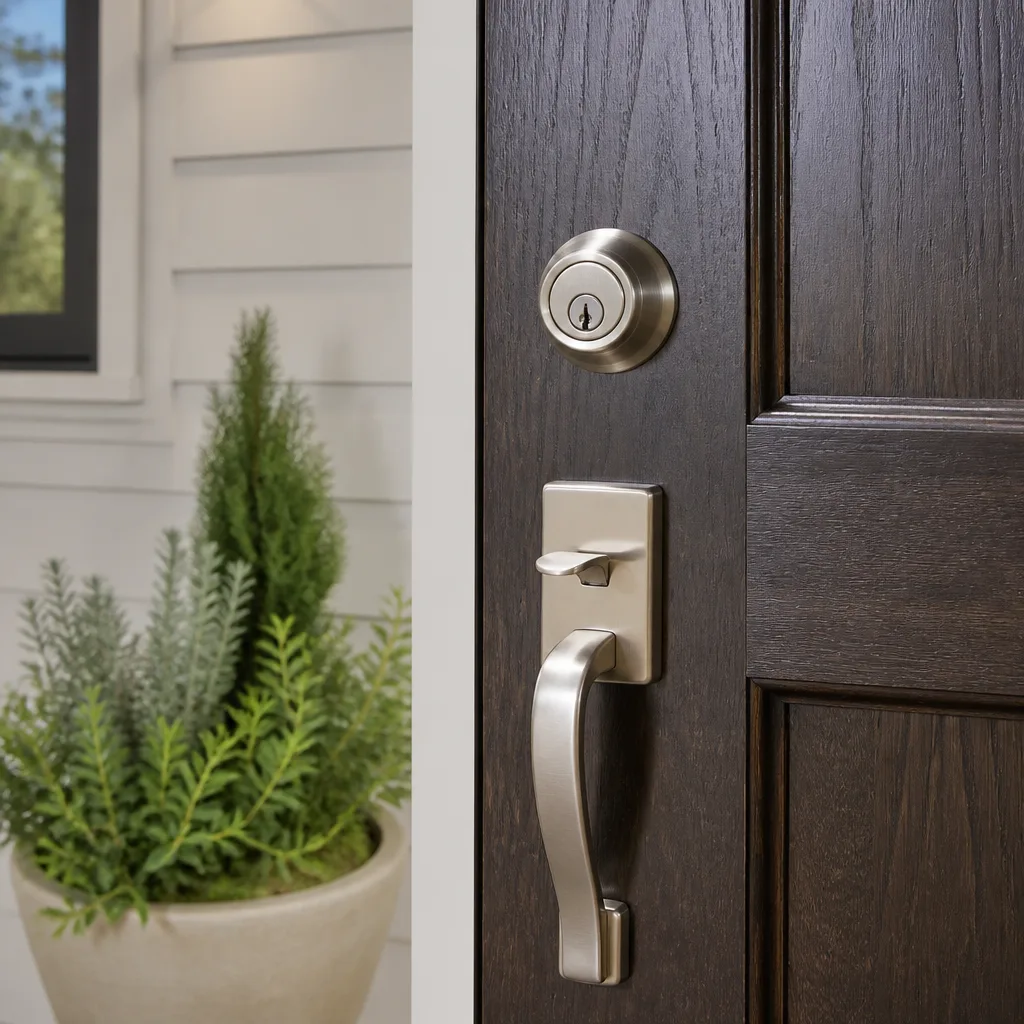
Residential Locksmith Troubleshooting: Common Problems and How to Fix Them
Sixty percent of residential locksmith calls in the U.S. are for problems homeowners could have diagnosed, if not fixed, themselves in under 10 minutes. That’s a lot of service fees spent on a loose screw or a misaligned strike plate. In Los Angeles, where a house call can run anywhere from $75 to $150 just to show up, knowing the difference between a DIY fix and a genuine hardware failure is money in your pocket. This guide gives you the exact diagnostic sequence to follow, in the right order, so you know what you’re dealing with before you ever pick up the phone. By the end, you’ll know whether you’re looking at a $0 fix, a $75 repair, or a $200-plus replacement, and what information to have ready if you do need a pro.
Quick Answer
Residential locksmith troubleshooting starts with identifying which category your problem falls into: lockout, mechanical malfunction, or security concern. From there, a simple decision tree based on symptoms like a sticking key, a spinning cylinder, or a door that won’t latch tells you whether you need a $5 can of lubricant, a $75 professional adjustment, or a $200-plus lock replacement. Most homeowners can diagnose the issue in under 10 minutes using the step-by-step guide below.
Table of Contents
- Lockout vs. Malfunction: The First Branch in Your Decision Tree
- Key Won’t Turn or Is Hard to Turn
- Door Won’t Latch or Deadbolt Won’t Extend
- Key Turns but the Lock Won’t Open
- Key Broke Off in the Lock
- Security Concerns: When a Lock Works but Shouldn’t
- What to Have Ready Before You Call a Locksmith
- Questions a Trustworthy Locksmith Asks Before Quoting
- Common Mistakes to Avoid
- When to Call a Professional
- Frequently Asked Questions
- The Bottom Line
Lockout vs. Malfunction: The First Branch in Your Decision Tree
The first question to ask yourself is simple: did the problem happen all at once, or has it been building gradually? A lockout, where you’re standing outside with your keys on the kitchen counter, is a different animal than a lock that’s been sticking for weeks. In Los Angeles, where many older homes in neighborhoods like Echo Park and Silver Lake still have original hardware from the 1960s or earlier, gradual wear is a common culprit. For seasonal locksmith care in Los Angeles, check our year-round homeowner’s guide. Here’s the decision tree we use when we pick up the phone:
- Are you locked out right now? If yes, your options are: call a locksmith, get a spare key from someone you trust, or if you rent, call your property manager. Don’t try to force the door. You’ll cost yourself more in damage than the service call would have been.
- Is the lock working but not smoothly? Sticking, grinding, or resistance usually points to dirt, lack of lubrication, or a worn key. This is the most common call we get in Los Angeles, and half the time it’s fixable with a $6 can of dry lubricant.
- Is the lock not working at all? A key that won’t turn, a cylinder that spins freely, or a latch that won’t retract points to broken internal components. This is replacement territory.
- Is it a security question, not a function question? Maybe the lock works fine, but you just moved into a new place in Los Angeles, or a roommate moved out, or you had a falling out with someone who has a key. That’s a rekey job, not a repair job.
Once you’ve answered these questions, you’re ready for the specific diagnostics below. Each section tells you the symptom, the likely cause, the fix, and what it costs in the Los Angeles market.
Key Won’t Turn or Is Hard to Turn
The most common residential locksmith call in Los Angeles is a key that won’t turn or takes serious muscle to rotate. Before you assume the lock is dead, run through these checks in order. It’s the same sequence we walk through on the phone, because most of the time we can save you a service call entirely.
Step 1: Is the Key the Problem?
Keys wear down. A key that’s been on your ring for five years, used multiple times a day, has lost some of its profile height. The cuts get shallower, the edges get rounded, and eventually the key doesn’t push the pins to the right positions anymore. Take a close look at your key. Do the peaks still look sharp? If you have a spare key you rarely use, try it first. If the spare works and the daily key doesn’t, you’ve found your answer. Rekeying in Los Angeles typically runs $18 to $30 per cylinder including labor, but a fresh key cut from a worn one costs under $5 at most hardware stores. Try the cheap fix first.
Step 2: Is the Lock Dirty?
Los Angeles has dry, dusty air much of the year, and that dust works its way into keyholes and cylinders. Combined with the graphite or oil some homeowners use, which turns into gummy paste over time. The fix is a dry lubricant, specifically PTFE or Teflon-based. Spray a short burst into the keyhole, insert the key, and work it back and forth a dozen times. Wipe the key clean, repeat once. If the key now turns smoothly, you’re done. Do not use WD-40. It’s a penetrating oil and a solvent, not a lubricant, and it leaves a residue that attracts more dust. In our experience, WD-40 is the single biggest cause of repeat service calls we see in Los Angeles.
Step 3: Is the Cylinder Actually Failing?
If a fresh key and dry lubricant don’t fix it, the internal pins or springs are worn to the point of failure. You might notice the key feels gritty, or it catches midway through rotation. This is a replacement, not a repair. A new standard cylinder for a Schlage or Kwikset lock runs $25 to $50 for the part, and installed in Los Angeles you’re looking at $120 to $220 total depending on the lock grade and finish. If you’re replacing, it’s often worth stepping up to a Grade 1 deadbolt like a Medeco or Baldwin, which uses harder internal components and lasts decades rather than years.
Door Won’t Latch or Deadbolt Won’t Extend
A door that won’t close properly, or a deadbolt that won’t extend without lifting or pulling on the door, is almost never a lock problem. It’s an alignment problem. The door has shifted, the frame has settled, or the weather stripping has changed how the door sits. In Los Angeles, where the soil can shift seasonally with rain and drought, this is especially common in older homes. Here’s the diagnostic order.
First, check the strike plate. The strike plate is the metal plate on the door frame that the latch or deadbolt slides into. Close the door slowly and watch where the latch meets the plate. If the latch hits above, below, or to the side of the hole in the strike plate, that’s your problem. The door has sagged or the frame has moved. Fixing this can be as simple as filing the strike plate opening wider, or as involved as adjusting the door hinges. If you’re handy, this is a $0 to $20 fix with a metal file or a strike plate replacement.
Second, check the hinges. On a sagging door, the top hinge screws have usually pulled loose from the frame. Tighten them. If they spin without catching, replace them with longer screws, 3-inch ones that reach into the door framing behind the jamb. That’s a $5 fix at your local hardware store in Los Angeles, and it often solves the latching problem permanently.
Third, check the weather stripping. Newer weather stripping or a thicker door sweep can make the door sit proud of the frame, meaning the latch doesn’t reach far enough into the strike plate. This is common in Los Angeles homes built in the last 15 to 20 years, where builders installed tighter weather sealing. Adjust or replace the stripping before you touch the lock.
If none of that works, the latch itself may be worn or damaged internally. A replacement latch assembly for a standard residential lock costs $15 to $40, and door lock repair in Los Angeles typically runs $75 to $150 for a latch replacement including labor. It’s a quick job when the problem is accurately diagnosed before the technician arrives.
Key Turns but the Lock Won’t Open
This is the one that makes people panic. The key rotates, but the door stays locked. Usually this is one of three things, and two of them are relatively benign.
Cause 1: The Tailpiece Broke or Disconnected
Inside the lock, a flat metal bar called the tailpiece connects the cylinder to the latch mechanism. When you turn the key, you’re turning the tailpiece, which retracts the latch. If the tailpiece snaps or slips out of its slot, the key turns freely while the latch never moves. This is a physical failure inside the lock and requires replacing the cylinder or the tailpiece. On a standard residential lock, expect this to run $120 to $200 installed in Los Angeles. Kwikset and Schlage both sell replacement tailpieces separately, but by the time a tailpiece has snapped, the rest of the cylinder has usually seen enough wear that replacement makes more sense.
Cause 2: The Latch Is Jammed Against the Strike Plate
If the door is warped or the frame has shifted, the latch can bind against the strike plate with enough pressure that even the correct key won’t retract it. Try pushing or pulling on the door while turning the key. If it opens with some pressure, the lock is fine and you have an alignment issue. Go back to the hinge and strike plate checks in the previous section.
Cause 3: A Misaligned Deadbolt
If the deadbolt rotates but won’t fully retract, check whether the bolt is hitting the edge of the strike plate opening. You can usually see where the bolt has been scraping, leaving shiny metal or wood shavings inside the opening. If you can get the door open by pulling toward you while retracting the bolt, the fix is alignment, not lock replacement.
Key Broke Off in the Lock
Keys break. It’s not a sign of a cheap lock or a bad key, it’s just cumulative metal fatigue, especially on keys that have been cut multiple times or used on a ring with heavy car keys and remote fobs. In Los Angeles, where many older buildings still have original locks with original keys, we see this regularly in neighborhoods like Koreatown and Westlake.
What not to do: Don’t try to glue something to the broken piece and pull it out. Don’t force another key in behind it. Don’t push the broken piece deeper into the cylinder. You’ll turn a simple extraction into a cylinder replacement.
What to do: If enough of the key is protruding, you can sometimes grip it with needle-nose pliers and pull it straight out. If it’s flush with the keyhole, you need a locksmith. We use a specialized extraction tool that slides in alongside the broken key and hooks the teeth, pulling it out without damaging the cylinder. In most cases, the lock is fine afterward and you just need a new key cut.
Key extraction in Los Angeles typically runs $75 to $150 including the service call, depending on travel distance and lock type. If the key has been broken off in a high-security cylinder like a Medeco, the extraction can be more involved because those cylinders have tighter tolerances. Either way, a professional extraction is almost always cheaper than a new cylinder, so resist the urge to drill it out yourself. Drilling converts a simple job into a $200-plus replacement.
Security Concerns: When a Lock Works but Shouldn’t
Some of the most important calls we take in Los Angeles are from people whose locks work perfectly. These are the residential locksmith warning signs every homeowner should know. The problem isn’t function, it’s trust. You moved into a new place. A roommate moved out. A contractor had a key during a renovation. You lost a key somewhere in the city, or you think you dropped it at work, or someone close to you shouldn’t have access anymore. These are rekey calls, not repair calls, and they’re handled differently.
Rekeying vs. Replacing: What’s the Difference?
Rekeying means changing the internal pins in the cylinder so the old keys no longer work. The hardware stays in place. You get new keys, the lock goes back on the door, and anyone with the old key is out of luck. Rekeying a standard lock in Los Angeles runs $18 to $30 per cylinder when a locksmith is already on site for other work, or $75 to $150 per lock as a standalone job including the service call. Replacing means new hardware entirely, which makes sense if the existing lock is damaged, worn, or you want a higher security grade.
Commercial locksmith work in Los Angeles often involves rekeying an entire office or retail space to a master key system, which is a more involved process. For residential, the question is usually simpler: do you just need the old keys dead, or do you want better hardware too? If your existing lock is a builder-grade Kwikset or Schlage and you’ve been thinking about upgrading, a security concern is a good reason to do both at once. A high-security cylinder from Medeco or Baldwin starts around $100 for the hardware alone and goes up from there, but you’re getting drill resistance, pick resistance, and key control that standard cylinders don’t offer.
What to Have Ready Before You Call a Locksmith
The more information you can give us on the phone, the more accurate your quote will be. In Los Angeles, where a service call can mean 45 minutes of traffic between neighborhoods, we’d rather spend that time understanding your actual problem than guessing at it. Here’s what we ask for, and why it matters for your price.
- Your lock brand, if you know it. Schlage, Kwikset, Yale, Baldwin, or something stamped on the face of the lock. Different brands take different parts, and some are harder to service than others. A Yale lever is not the same job as a Kwikset deadbolt, and the price reflects that.
- The type of door. Front door, bedroom door, garage door, gate, or something else. Fire-rated doors, metal doors, and pocket doors all affect the labor involved.
- The exact symptom, in plain words. “The key won’t turn” is vague. “The key turns but the latch doesn’t retract” is specific. “The key is hard to turn and the spare works fine” is even better. Specific symptoms narrow the problem before we even arrive.
- Whether the door is locked or unlocked right now. If you’re locked out, that changes the approach and sometimes the cost. If the door is open and you can operate the lock from inside, we have more options.
- Your location in Los Angeles. Not just your address, but any access notes: gate codes, parking, whether you’re in a building with a doorman or a single-family home in the Valley. It helps us give you an accurate arrival window.
Having this information ready takes five minutes and can change your quote from a range to a firm number. It also tells you something about the locksmith you’re calling. A shop that asks these questions is doing diagnostic work, not just dispatching a truck. A shop that quotes a price without asking anything is quoting a teaser rate, and in our industry that usually means the price goes up when the technician arrives. Ask us anything on the phone, we’d rather answer it now than surprise you later.
Questions a Trustworthy Locksmith Asks Before Quoting
Here’s the flip side of the previous section. When you call a locksmith for a residential job in Los Angeles, pay attention to what they ask you. The questions we just listed are the ones a legitimate shop will ask every time. If they don’t ask at least a few of them, be wary. Specifically consider whether they ask:
- “Can you describe what the lock is doing?” This is basic triage. If they don’t ask, they’re not planning to diagnose anything. They’re planning to sell a replacement.
- “What brand is the lock?” If they quote a flat rate without knowing whether you have a standard Schlage or a high-security Medeco, that price is going to change when they see the lock.
- “Is the door open or are you locked out?” This changes the technician’s approach. A shop that doesn’t ask is assuming the simplest, cheapest outcome and will adjust upward on arrival.
- “When you say it’s broken, can you tell me what it’s doing or not doing?” This forces a real conversation. If they wave it off with “doesn’t matter, we’ll fix it when we get there,” that’s fine, but don’t expect the original quote to hold.
- “What’s the nearest cross street?” In a city the size of Los Angeles, this is a travel time question, and it materially affects your quote. A shop that doesn’t ask is probably going to hit you with a travel fee later.
You should also expect the reverse: we encourage you to ask us questions. What’s your license number? Do you do background checks on your technicians? Is the price you’re giving me the final price? Is there a service call fee on top of the labor? We answer all of these, every time, without hesitation. In fact, we write the price down before any work starts, with a Preston Locksmith & Security job sheet that has the total on it, signed and dated, before the technician picks up a tool. If a locksmith won’t put the price in writing, call someone else.
Common Mistakes to Avoid
- Using WD-40 on a sticky lock. It works for a week and then attracts dust that makes the problem worse. Use a dry PTFE lubricant instead. You’ll find it at any hardware store in Los Angeles for about $6.
- Drilling out a cylinder because a key broke off. A broken key extraction costs $75 to $150. The cylinder replacement you’ll need after drilling it yourself starts at $120 and often runs higher. You’re paying more to do it the destructive way.
- Forcing a key that won’t turn. Every bit of extra force you apply bends the key and damages the pins. When the key finally snaps, you’ve turned a lubrication job into a key extraction plus possibly a cylinder replacement.
- Ignoring a door that won’t latch for months. A misaligned strike plate is a $20 fix. A door that’s been slamming against a misaligned latch for a year has likely damaged the latch assembly too, which is a $100-plus fix.
- Rekeying one lock when you need to do them all. If you’re rekeying for security reasons, do every exterior door at once. A single rekeyed door with an un-rekeyed back door is not a security improvement. Rekeying all locks in a Los Angeles home is usually done in one visit for a flat per-cylinder rate.
- Calling a door contractor when you need a locksmith, or vice versa. A sagging door with hinge problems is a carpenter’s job. A latch that won’t retract is a locksmith’s job. They overlap, but triage right and you’ll pay the right trade for the right fix.
- Accepting a quote without asking if it’s the final price. In Los Angeles, the bait-and-switch locksmith is a known problem. If the phone quote and the on-site price don’t match, send them away. A shop that’s honest about the price on the phone will have no problem putting it in writing.
When to Call a Professional
Some of this guide is about what you can do yourself, and some of it is about recognizing when DIY becomes a demolition project. Call a professional when the key has snapped off flush with the cylinder and you can’t grip it. Call when the key turns but the latch won’t retract and you’ve ruled out alignment. Call when the cylinder spins freely in its housing, which means the tailpiece or the cylinder itself has failed. Call when you’ve just moved into a new place in Los Angeles and can’t account for every key that was ever cut for the exterior doors. Call when you’ve already tried the cheap fixes and the problem is persistent, because continuing to force a failing lock only damages the surrounding hardware too. Preston Locksmith & Security offers free estimates in Los Angeles, call (409) 405-4485 and we’ll give you a written price before any work starts.
Frequently Asked Questions
For a standard service call in Los Angeles, expect $75 to $150 for the visit, with most repairs falling between $100 and $250 total depending on the work. Rekeying runs $18 to $30 per cylinder, a standard cylinder replacement runs $120 to $220 installed, and a full lock replacement on a front door typically runs $200 to $400 depending on hardware grade. Call (409) 405-4485 for a written estimate on your specific job, because this range is a starting point, not a quote.
It should be. A locksmith who quotes a price on the phone and then inflates it on arrival is using a bait-and-switch model that’s unfortunately common in Los Angeles. We put our price in writing before any work starts, with the total on a job sheet that you sign and date before the technician picks up a tool. If the price changes, it’s because you approved additional work after seeing the written estimate for it, never a surprise.
Los Angeles travel times vary wildly by time of day and neighborhood. In our experience, most residential calls can be reached within 45 to 90 minutes from dispatch, though traffic in the Sepulveda Pass or downtown at rush hour can push that further. We give you a live trackable arrival time when you book, so you’re not sitting at home with your hands tied waiting for a four-hour window.
Ask for their license number and verify it. In California, locksmiths are required to be licensed by the Bureau of Security and Investigative Services. Ask about background checks on technicians, ask for a written price before work starts, and ask whether the company has a physical address, not just a dispatched phone line. We’re happy to answer all of these questions on the phone, every time.
Rekeying is same-day work in most cases. It’s a 15 to 30 minute job per lock once the technician is on site, and we typically carry the pin kits needed for Schlage, Kwikset, Yale, and Baldwin cylinders on every truck. If you’re rekeying multiple locks, it’s still a single visit in nearly every case.
Probably not. Most sticking locks in Los Angeles are a lubrication issue or an alignment issue, both of which are cheap to fix. Try a dry PTFE lubricant first, then check whether the door latches smoothly when you push or pull on it while turning the key. If those don’t resolve it, the cylinder may be worn, and that’s when replacement makes sense. Start with the $6 fix before you pay for the $200 one.
The Bottom Line
Most residential locksmith calls in Los Angeles are diagnosable in under 10 minutes by answering three questions: are you locked out, is the lock misbehaving, or is this a security issue? From there, the symptoms point clearly to one of a handful of causes, and the fixes range from a $6 can of dry lubricant to a $200-plus lock replacement. Knowing the difference before you call saves you money, whether you fix it yourself or hire a pro. If the problem is beyond a quick fix, you want a locksmith who asks detailed questions, quotes a written price, and arrives when they say they will. That’s the baseline. For more guides & resources, visit our blog. If you’re in Los Angeles and need a hand, we’re at (409) 405-4485, and we answer the phone with a live person every time.
Written by Kevin Yoon, Owner at Preston Locksmith & Security, serving Los Angeles since 2008.