
Last updated October 9, 2026
Non-destructive entry first, always - and we re-key Schlage, Kwikset, and Baldwin locks on the spot while you watch
You get a price before we start. It does not change when we arrive. No surprises.
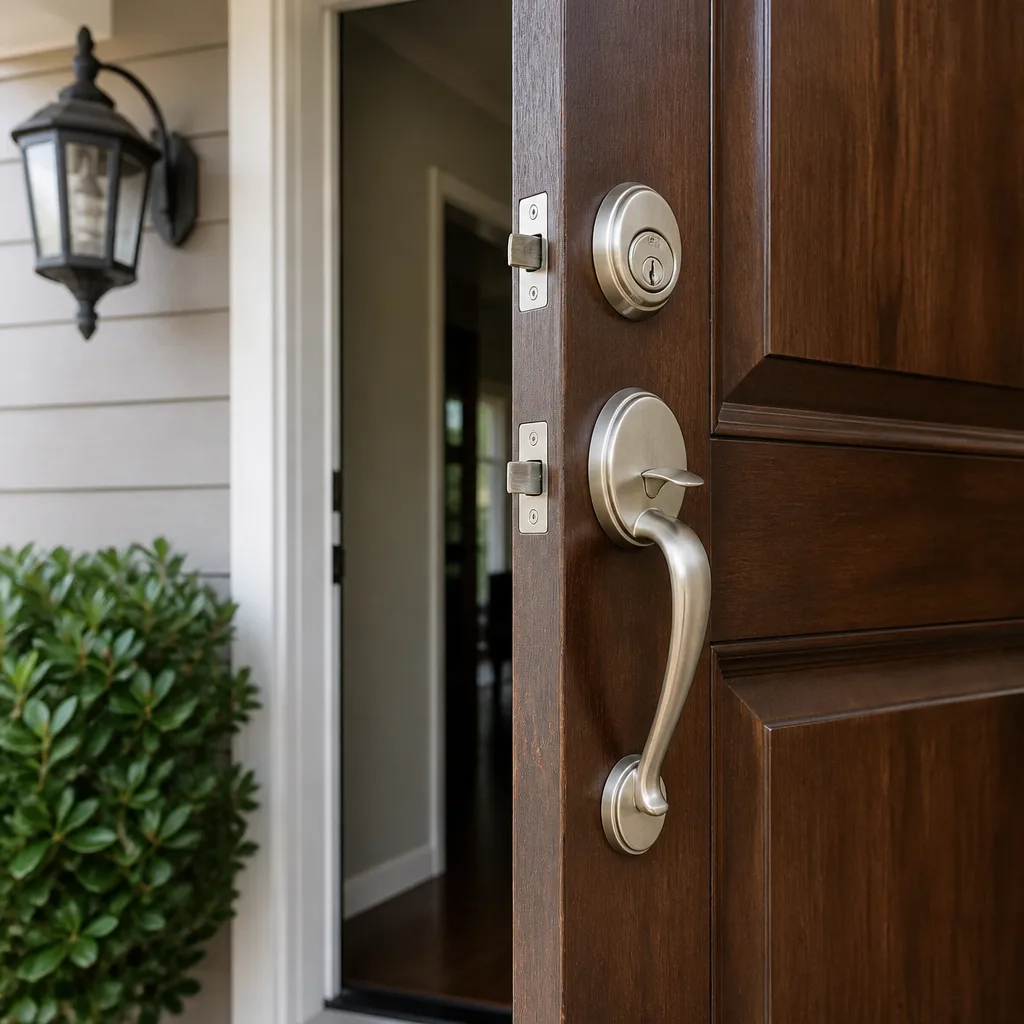
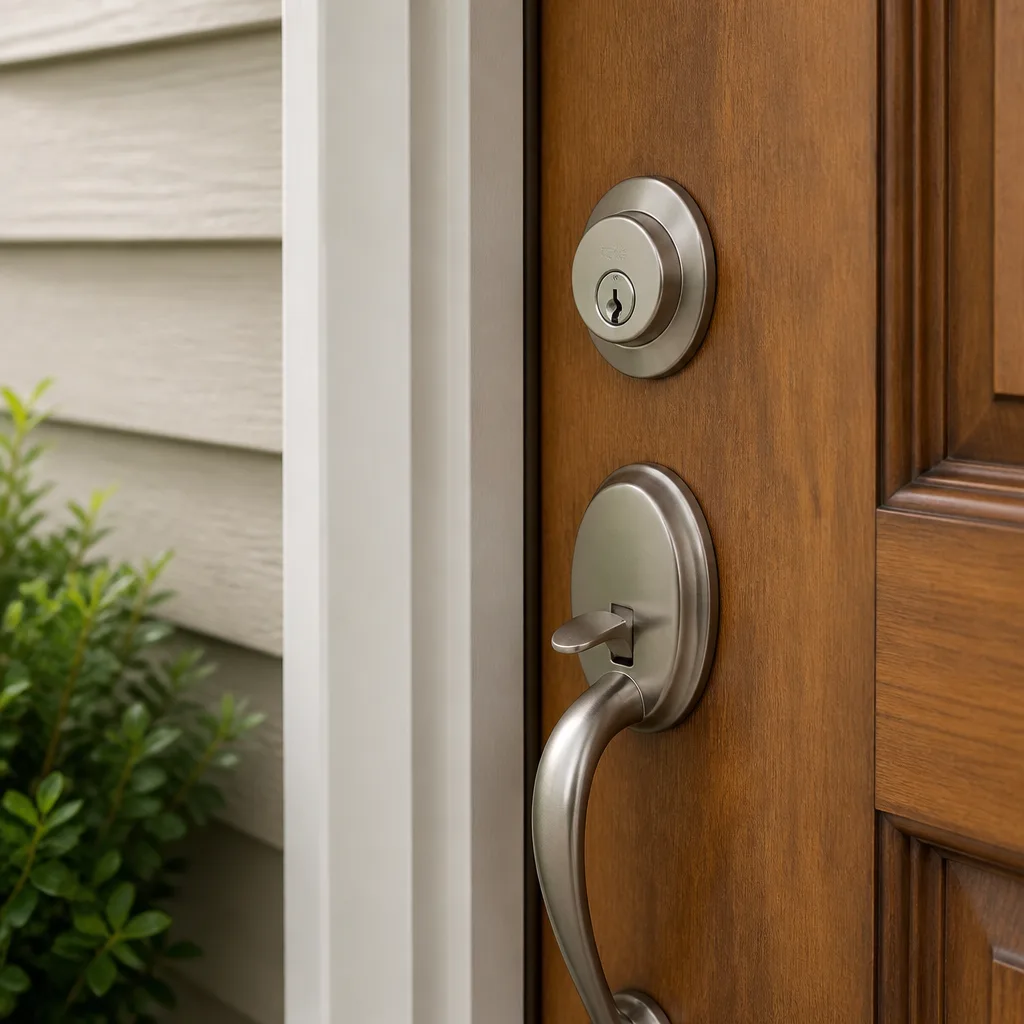
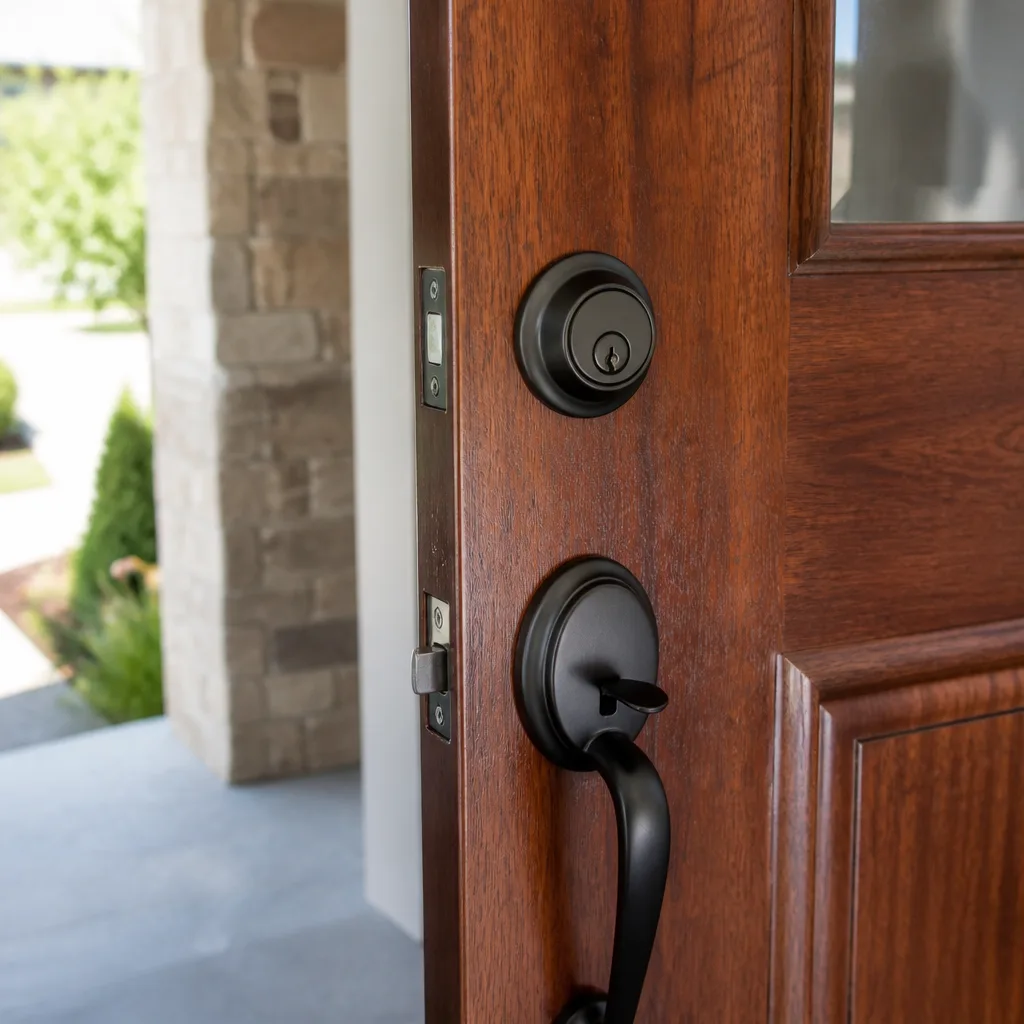
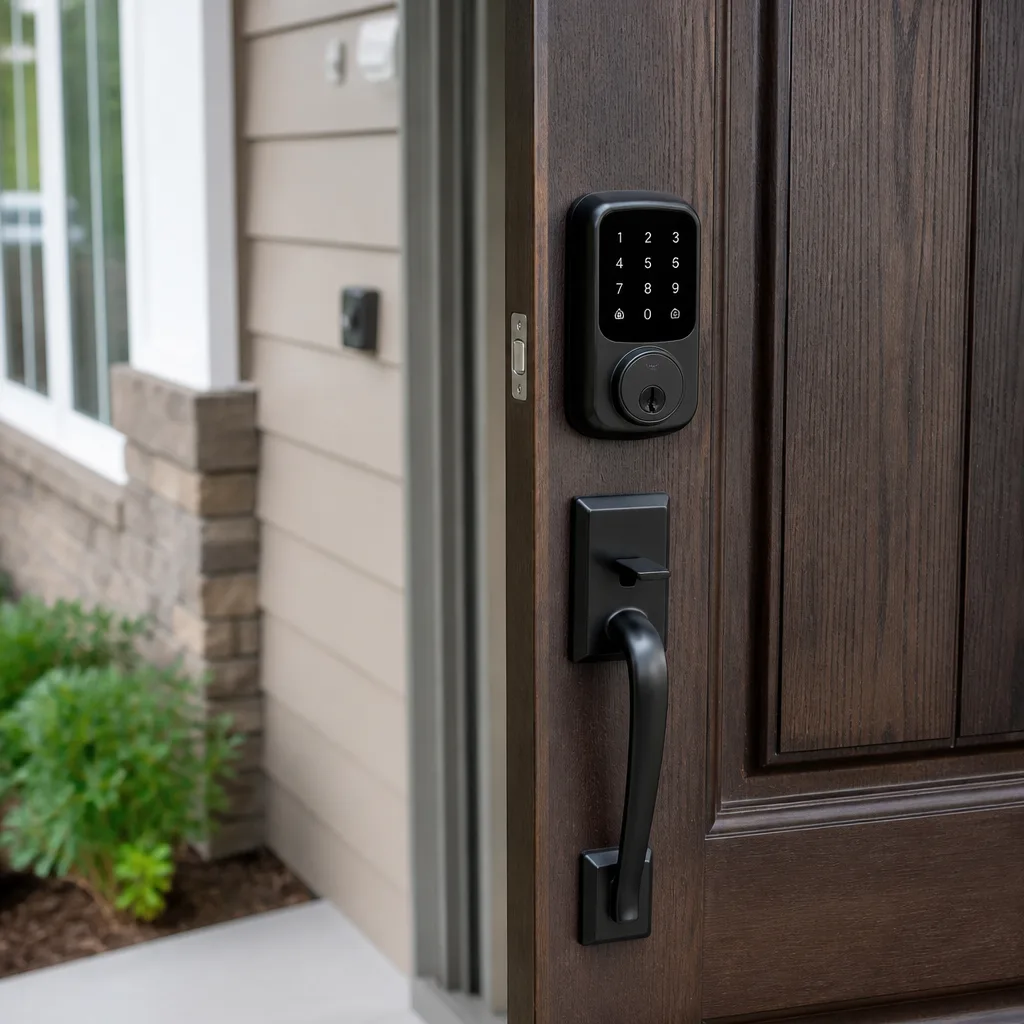
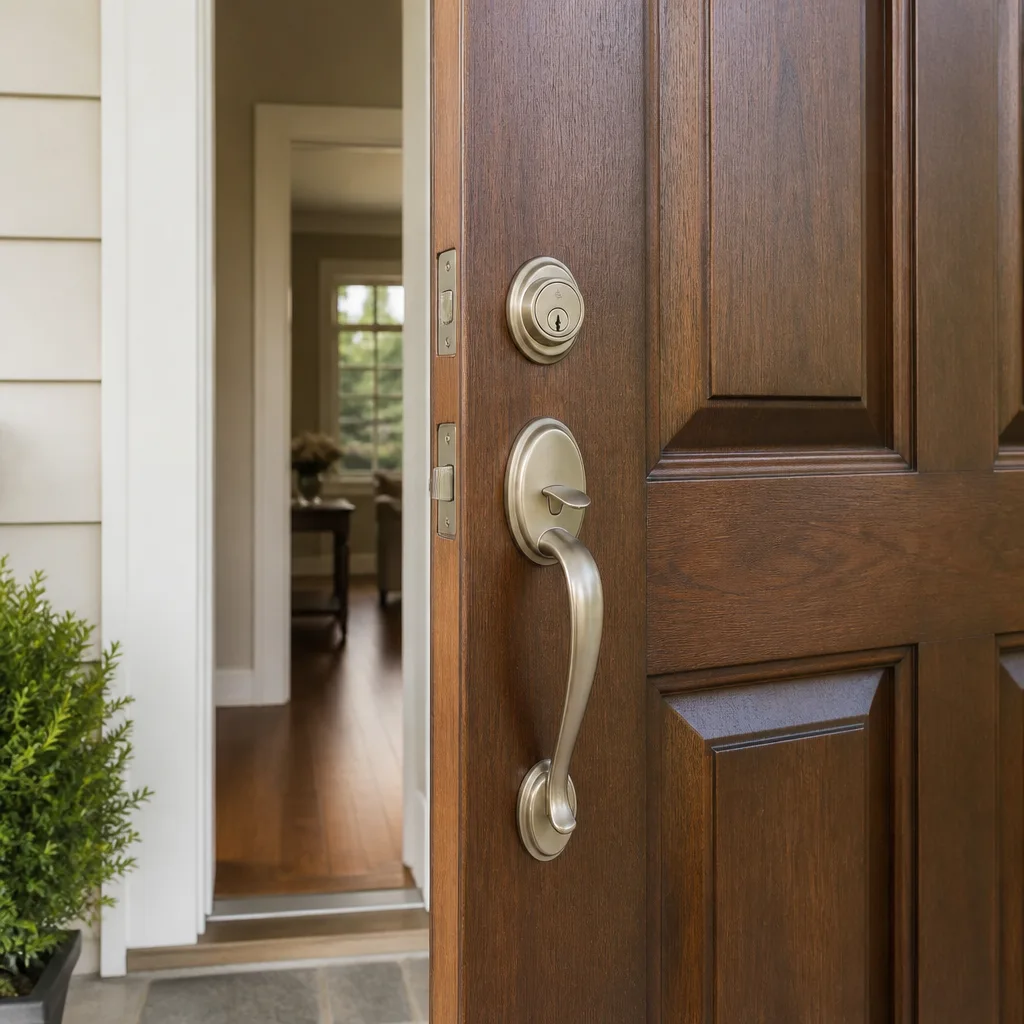
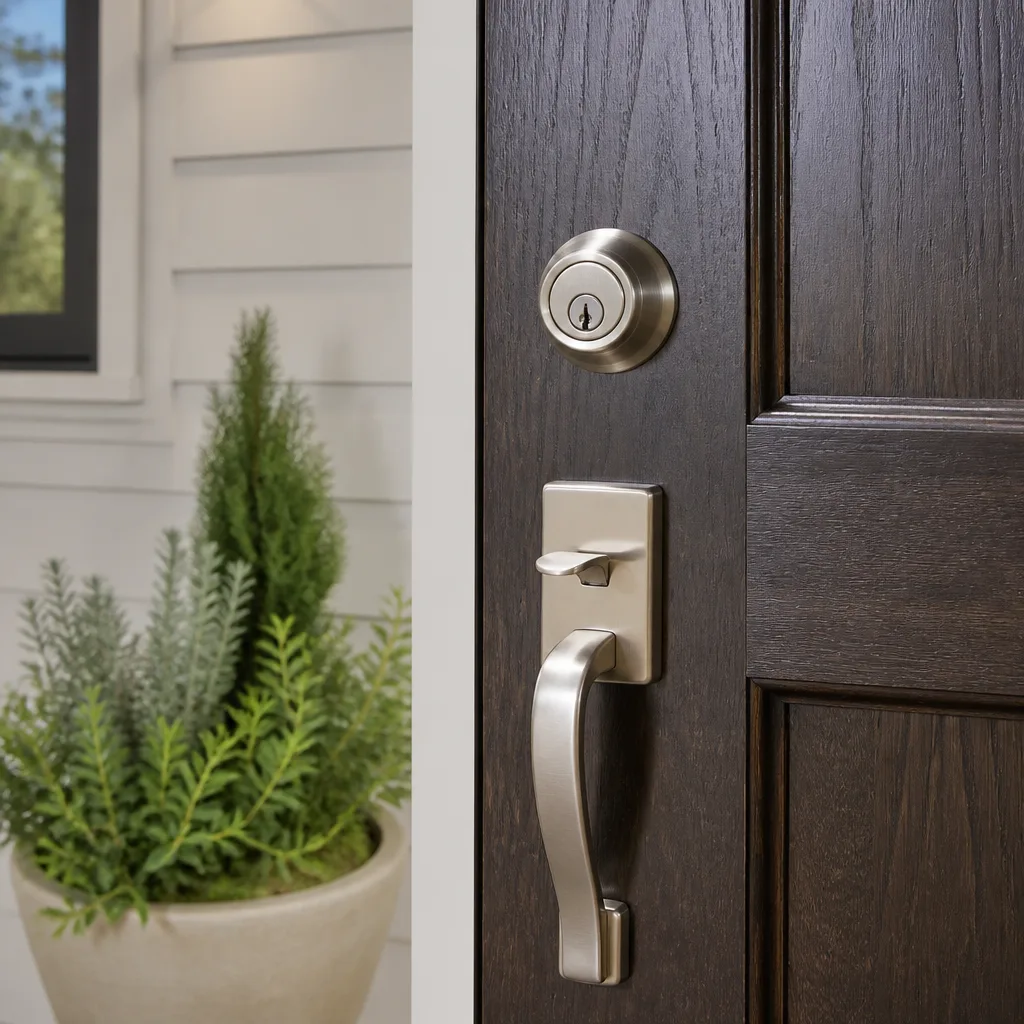
Residential Locksmith Warning Signs Every Homeowner Should Know
A deadbolt that “just feels a little stiff lately” is not a minor annoyance. It’s the lock telling you a pin or driver spring is worn, and a worn lock is measurably easier to pick or bump than a new one. Most residential break-ins across Los Angeles aren’t random acts of chaos. They’re preceded by detectable warning signs in the lock hardware itself, signs homeowners walk past every single day without a second thought. This guide names the physical red flags that mean your lock is already losing the fight, and it tells you exactly what to do about each one. You’ll learn the five tactile warnings your fingers can feel, the visual clues on your strike plate that suggest someone already tried to force entry, and the cost math that tells you when a repair is smarter than a replacement.
Quick Answer
The clearest signs your home lock needs attention are: a key that requires lifting or jiggling to turn, a bolt that doesn’t fully extend into the strike plate, a cylinder that spins without catching, visible rust or corrosion around the keyway, and a lock that feels loose when the door is closed. Any one of these means the lock is compromised and should be inspected by a locksmith through our Residential Locksmith services. In Los Angeles, a professional inspection and repair typically runs $75 to $190, while a full deadbolt replacement with a quality Schlage or Kwikset lock usually lands between $140 and $340 installed.
Table of Contents
- The Five Tactile Warning Signs Your Fingers Can Feel
- Visual Warning Signs on the Strike Plate and Door Frame
- Renter-Specific Warning Signs: Was the Lock Actually Rekeyed?
- Why Your Sticky Lock in Los Angeles Might Not Be the Lock at All
- The Cost Threshold: $75 Service Call vs. $140 Replacement
- What a Quality Lock Actually Costs (and What Cheap Locks Tell You)
- What You Can Safely Check Yourself vs. What Needs a Pro
- Common Mistakes to Avoid
- When to Call a Professional
- Frequently Asked Questions
The Five Tactile Warning Signs Your Fingers Can Feel
Your hands know more about your lock than your eyes ever will. Every time you turn that key, you’re running a diagnostic test. The problem is that most people ignore the results. Here are the five tactile warnings that mean your lock hardware is degrading, in the order of how commonly we see them in Los Angeles homes.
1. The Key Requires Lifting or Jiggling to Turn
When a key only works if you lift it slightly while turning, or pull it back a millimeter, you’re feeling worn key pins. Inside every cylinder, a series of spring-loaded pins must align perfectly with the cuts on your key. As those pins wear down from thousands of insertions, they no longer sit at the exact height they should. You’re compensating by lifting or jiggling. This is not a quirk. It’s a mechanical failure in progress. The same wear that forces you to jiggle also makes the lock dramatically easier to pick, because the pins are already sitting closer to the shear line than they were designed to.
2. The Bolt Doesn’t Fully Extend
A deadbolt bolt should travel its full distance into the strike plate with a solid, decisive throw. If yours stops short, or you have to push the door in to get the bolt to extend, something is out of alignment. In some Los Angeles homes, this is a door frame issue caused by seasonal expansion. In others, it’s a bent or sagging bolt assembly. Either way, a bolt that only extends halfway is doing half its job. Forced-entry resistance drops significantly when the bolt isn’t seated fully because the strike plate can’t distribute force the way it was designed to.
3. The Cylinder Spins Without Catching
Insert your key and turn. In a healthy lock, the plug catches and the bolt moves. In a failing lock, the entire cylinder spins freely with no engagement. This typically means the tailpiece, the small metal bar connecting the cylinder to the bolt mechanism, has broken or disconnected. The lock is now functionally useless from a security standpoint. Anyone who tests the handle can feel that the cylinder isn’t connected to anything. This is a replacement-level failure, not a repair-level annoyance.
4. Visible Rust or Corrosion Around the Keyway
Los Angeles isn’t famous for rain, but coastal neighborhoods like Venice, Playa del Rey, and San Pedro deal with salt air that accelerates corrosion on unprotected hardware. Rust around the keyway or on the cylinder face means moisture is inside the lock body. That moisture is degrading the springs that push pins back into place. Corroded springs don’t reset properly, which means pins can get stuck in the unlocked position. You won’t know until someone tries the door. If you see rust on the outside, assume there’s more on the inside.
5. The Lock Feels Loose When the Door Is Closed
Close your door and lock it. Now press on the door. If the lock assembly shifts, rattles, or has visible play, the screws holding the lock and strike plate have loosened or the wood around them has compressed. A loose lock is easier to force, not because the lock itself is weak, but because the entire assembly moves under pressure and the door can flex more than it should. In wood-framed Los Angeles homes, especially older builds in neighborhoods like Echo Park and Highland Park, this looseness develops gradually over years of thermal cycling.
Visual Warning Signs on the Strike Plate and Door Frame
This section is not about paranoia. It’s about pattern recognition. A strike plate and door frame tell a story if you know how to read them. The following marks are the kind of thing a locksmith notices instantly during a service call, and now you’ll know to look for them too.
Paint Gouges and Chips Around the Latch Area
A door that’s been locked thousands of times will show minor paint wear around the latch. But deep gouges, splintered wood, or fresh chips on the strike plate edge suggest something was inserted between the door and the frame with force. Common household tools like screwdrivers and pry bars leave specific marks: a wide wedge-shaped indentation, or parallel scratches where the tool slipped. If you didn’t make these marks, someone else may have.
Bent or Warped Strike Plate Corners
The strike plate, the metal plate attached to the door frame where the bolt enters, should sit perfectly flat. If the corners are bent outward, even slightly, that’s a sign someone leveraged against it. A bent strike plate also creates a functional problem: the bolt may not seat fully, which makes the door easier to kick open. In Los Angeles, where many apartments and condo units have hollow metal frames or thin wood jambs, a bent strike plate is one of the most common findings after an attempted break-in.
Fresh Screw Marks or Different-Colored Screws
Door hardware uses specific screw sizes and finishes. If you notice screws that don’t match, or fresh screw holes that don’t align with your current hardware, that’s worth a second look. It could mean a previous resident or a landlord swapped hardware in a hurry. In a rental context, mismatched screws often signal an amateur rekey job, which brings us to the next section.
Small Dimples or Drill Marks Near the Cylinder
Modern locks on quality Schlage and Kwikset hardware are built to resist drilling, but they can’t make a drill attempt invisible. Small circular grooves, tiny metal shavings, or a dimple near the keyway indicate someone tried to drill the cylinder to bypass the pin stack. If you see this, the lock may still function, but the cylinder’s integrity has been compromised. Drill-resistant pin stacks slow attackers down, but a partially drilled cylinder should be replaced, not admired for surviving.
Renter-Specific Warning Signs: Was the Lock Actually Rekeyed?
If you rent in Los Angeles, here’s a fact that doesn’t get talked about enough: state law requires landlords to rekey or replace locks between tenants, but enforcement is rare and compliance is spotty. You may be the fourth tenant using a lock that was rekeyed once in 2016, if ever. Here’s how to tell whether your move-in lock is as fresh as the lease agreement implied.
1. The Key Looks Worn but the Lock Looks New
A freshly cut key has crisp, bright cuts along the blade. A key that’s been duplicated from a duplicate shows softer edges and a duller finish. If the lock cylinder looks new but the key you received is heavily used, you may have a new lock face over an old cylinder. That’s not rekeying. That’s cosmetic work.
2. The Key Works in Other Units’ Common Areas or Vice Versa
In smaller Los Angeles buildings, especially duplexes and fourplexes, landlords sometimes use a master-key system without telling tenants. If your key opens the laundry room, the gate, or the garage, that’s normal for a master system. But if your key works in a neighbor’s unit, that’s a serious problem. It means the lock was either never rekeyed, or it was pinned incorrectly. A proper rekey, which typically costs $45 to $95 per cylinder in Los Angeles, ensures your key operates only your assigned lock.
3. The Landlord’s Maintenance Person “Fixes” the Lock Without Changing the Key
A maintenance person who lubricates a noisy lock has not rekeyed it. A handyman who tightens loose screws has not rekeyed it. The only legitimate proof that a lock was rekeyed between tenants is a fresh key set paired with a visibly clean cylinder and a receipt from a licensed locksmith. If you’re not sure, you can request the rekey receipt from your landlord. You’re entitled to it under California tenant protections.
At Preston Locksmith & Security, we rekey locks in Los Angeles every week for renters who’d rather not wait on a landlord’s timeline. Our rekey service in Los Angeles runs a written price per cylinder, done on the spot, with a new key issued before we leave. You’ll know exactly what was pinned and why.
Why Your Sticky Lock in Los Angeles Might Not Be the Lock at All
Here’s a counterintuitive piece of local knowledge: a sticky lock in LA is frequently not a lock problem. It’s a door alignment problem. Los Angeles experiences extreme thermal swings between inland and coastal zones. A door that fits perfectly in January can bind in August because the wood frame has absorbed moisture from coastal humidity or dried out in Santa Ana conditions. The San Fernando Valley sees daytime temperature swings of 30 degrees or more, and wooden doors and frames expand and contract accordingly, which is why we recommend Seasonal Locksmith Care for Los Angeles: Year-Round Homeowner’s Guide.
Before you spend money on a new lock, try this sequence:
- Open the door. Does the key turn smoothly with the door open? If yes, the lock mechanism is probably fine.
- Close the door without locking it. Does the latch bind or stick? If yes, the door and frame are out of alignment.
- Press the door firmly while locking. Does the bolt extend more smoothly with pressure applied? If yes, the strike plate position is the issue, not the cylinder.
This distinction matters because a $75 service call to realign a strike plate is a far better investment than a $200 cylinder replacement you didn’t need. A trained locksmith can identify weatherstripping or frame expansion in about 90 seconds. In our experience serving homes across Los Angeles, from Koreatown apartments to Sherman Oaks single-family houses, roughly one in four “sticky lock” calls turns out to be a door alignment issue, not a failing cylinder.
For door-specific issues, our door lock repair service in Los Angeles covers everything from strike plate realignment to full deadbolt repositioning, with the written price confirmed before any work starts.
The Cost Threshold: $75 Service Call vs. $140 Replacement
Every homeowner eventually faces the same question: should I repair this lock or replace it? The honest answer depends on the age of the hardware, the failure mode, and the long-term math. Here’s the framework we use when advising Los Angeles customers.
When a Repair (Typically $75 to $190) Is the Right Call
- The lock is under five years old and made by a quality brand like Schlage or Kwikset. These cylinders are designed to be serviced.
- The failure is isolated: one worn pin, one misaligned strike plate, one loose screw set. A targeted fix restores full function.
- The issue is clearly environmental, such as door frame expansion from humidity or a weatherstripping problem that’s pushing the door out of position.
- The key still inserts and turns smoothly with the door open. This means the cylinder’s internal mechanics are largely intact.
When a Replacement (Typically $140 to $340 Installed) Is Smarter
- The lock is over seven years old and showing rust, wobble, or intermittent sticking. Multiple small failures usually signal a cylinder nearing the end of its service life.
- The cylinder spins without engaging, meaning the tailpiece has broken. This is not repairable on most residential hardware.
- You see drill marks or evidence of tampering. A compromised cylinder should never be patched.
- You recently bought the home and can’t confirm whether the locks were rekeyed. A fresh deadbolt with a brand-new key set eliminates the unknown.
- The lock is a no-name brand that came with the house. Cheap import cylinders often cost more to repair than they’re worth because replacement parts are unavailable, and the metal tolerances degrade quickly.
Here’s the pricing table we share with every Los Angeles customer before quoting a job:
| Service | Typical Los Angeles Price Range |
|---|---|
| Service call + minor adjustment (strike plate, screw tightening) | $75 – $120 |
| Rekey one cylinder, including new keys | $45 – $95 per cylinder |
| Deadbolt replacement with quality Schlage or Kwikset hardware | $140 – $260 |
| High-security cylinder replacement (Mul-T-Lock or Medeco) | $280 – $450 |
| Full door lock repair with frame reinforcement | $190 – $340 |
These are honest ranges, not bait prices. At Preston Locksmith & Security, the price we quote on the phone is the price on your invoice. There is no call-out surcharge added when the technician arrives, and no “discovery fee” once the work starts. Every estimate is a written price, confirmed before a single tool leaves the bag.
What a Quality Lock Actually Costs (and What Cheap Locks Tell You)
Homeowners often ask us whether an $18 lock from a big-box store is “just as good” as a $60 lock. The answer is no, and the difference is visible in under a minute. Cheap lock bodies are made from pot metal or zinc alloy that deforms under prying force. Quality locks from Schlage and Kwikset use solid brass or steel cylinders with hardened steel pins, as detailed in our guide on Choosing the Right Locksmith Brand: A Buyer’s Guide for Los Angeles. That’s not marketing. It’s metallurgy.
Here’s what we tell Los Angeles homeowners who are shopping for new hardware:
- A solid Schlage B60 deadbolt runs about $45 to $70 for the hardware alone. Installation from a licensed locksmith adds $95 to $150. Total: $140 to $220. This lock will typically last 15 to 25 years with normal use.
- A Kwikset SmartKey deadbolt, which allows DIY rekeying without removing the lock, runs $35 to $55 for hardware. It’s a solid choice for renters or homeowners who want flexibility.
- Entry-level big-box locks in the $15 to $25 range are built for volume, not security. Their cylinders are frequently made from materials that wear visibly within two to three years. We replace more of these than any other type.
- High-security options from Mul-T-Lock and Medeco, which use patented key control and drill-resistant pin stacks, start around $180 for hardware and $280 installed. These are overkill for most single-family homes, but worth considering for ground-floor units in higher-crime neighborhoods or for anyone who’s already experienced a break-in attempt.
One Los Angeles-specific note: if you live in a neighborhood with frequent break-in attempts, your strike plate matters as much as your cylinder. A $15 reinforced strike plate with three-inch screws that reach into the door frame stud can turn a 10-second kick-in into a 60-second failure. For the price, it’s the single most cost-effective security upgrade available.
What You Can Safely Check Yourself vs. What Needs a Pro
There’s a line between being a responsible homeowner and creating a bigger problem. Here’s where that line sits for residential locks.
Safe to Check Yourself
- Inspect the strike plate screws. If they’re shorter than one inch, replace them with three-inch screws that bite into the frame stud. This takes five minutes with a screwdriver.
- Test the bolt throw. With the door open, lock the deadbolt. The bolt should extend fully and stop firmly. It should not wobble or sag.
- Visually inspect the keyway for rust, debris, or drill marks. You don’t need to take anything apart. A flashlight and a careful look will tell you plenty.
- Clean the keyway with a dry lubricant designed for locks, such as a Teflon-based spray. Never use WD-40 or oil-based products. They attract dust and gum up the pins over time.
Leave to a Professional
Do not disassemble a cylinder yourself. The pins are spring-loaded, and if one launches across the room, you’re now paying for a new lock, not a repair. Do not attempt to drill out a stuck cylinder. Do not try to rekey a lock you’ve never opened before. The risk isn’t just a broken lock. It’s a partially assembled door you can’t lock overnight. A trained locksmith can diagnose and fix most residential cylinder issues in under an hour, with the job covered by a written guarantee.
Safety note: a deadbolt that fails while you’re out means an unlocked door. If you’re leaving town, test every lock the day before. If anything feels off, call before you pack.
Common Mistakes to Avoid
- Lubricating a failing lock instead of diagnosing it. A spray of graphite might quiet the symptoms for a week, but a worn pin stack keeps wearing. You’re masking a security problem, not solving it.
- Assuming a new house means new locks. Builders often install contractor-grade hardware and may key every home in a Los Angeles development from the same master set. Rekey on closing day.
- Ignoring a loose doorknob for months. Loose hardware shifts the latch alignment, which accelerates wear on the cylinder. A five-minute screw tightening saves you a $200 replacement later.
- Rekeying a damaged lock instead of replacing it. Rekeying changes the pins. It does not fix a bent tailpiece, a cracked cylinder housing, or a corroded spring stack. A good locksmith will tell you when rekeying would be wasted money.
- Buying a smart lock for the security rather than the convenience. Smart locks are convenient, but the security still comes from the deadbolt and strike plate. A $200 smart lock on a weak strike plate is a weak door with a video feed.
- Skipping the strike plate upgrade. In Los Angeles, most residential forced entries are brute-force, not lockpicking. The strike plate is where the door actually fails. Reinforce it.
- Waiting until a lock fully seizes before calling. By the time a lock won’t turn at all, you’ve usually got multiple compounding failures. The repair is more expensive, and you’re locked out. Call at the first sign of stiffness.
When to Call a Professional
Call a locksmith when the key requires jiggling every single time, when the bolt doesn’t fully extend, when the cylinder spins freely, when you see rust or drill marks, or when you’ve just moved into a new home and can’t verify a rekey happened. These are not cosmetic issues. They’re functional warning signs that the hardware is failing or has already been attacked. Preston Locksmith & Security home service covers all of Los Angeles, with live trackable arrival, a written price before work begins, and a 365-Day Done Right Promise on every job. Call (409) 405-4485 for a free estimate.
Frequently Asked Questions
If the lock is under five years old and the issue is isolated, such as one loose screw or a misaligned strike plate, a repair typically costs $75 to $190 in Los Angeles. If the lock is over seven years old, rusted, or the cylinder spins without engaging, replacement is the smarter investment at $140 to $340 installed. A locksmith can diagnose the difference on the phone before dispatching anyone.
Most Los Angeles residential locksmith calls run between $75 and $340 total, depending on whether the issue requires a service call, a repair, a rekey, or a full deadbolt replacement. The written price is quoted before anyone is dispatched, and at Preston Locksmith & Security, that price is the invoice price, no surcharges added on arrival. Call (409) 405-4485 for an exact quote.
No. A key that requires lifting, jiggling, or pulling to turn is a sign of worn key pins or a degraded spring stack inside the cylinder. The lock is failing mechanically and is also easier to pick because the pins are no longer seating at their design height. Get it inspected before it fails completely.
LA’s hot, dry summers cause wooden door frames to expand and contract, especially in areas with wide temperature swings like the San Fernando Valley. If the lock only sticks when the door is closed but works smoothly when open, you likely have a door alignment issue, not a lock problem. A $75 to $120 strike plate realignment usually fixes it.
You can, but the risk is a cylinder that ends up disassembled with pins scattered across the floor. Professional rekeying costs $45 to $95 per cylinder in Los Angeles, takes about 15 minutes, and includes new keys. For the price, it’s usually not worth the frustration of a DIY attempt. Our commercial locksmith services also cover multi-unit rekey projects for property managers who need a single call to handle multiple doors.
Test every exterior door: the key should turn smoothly with no jiggling, the bolt should extend fully, and the strike plate screws should be tight and at least one inch long. If anything feels off, those three-inch screws are the single most cost-effective security upgrade available. Call (409) 405-4485 for a pre-trip lock check, done while you wait.
The Bottom Line
Your locks talk. Most people just aren’t listening. A key that needs jiggling, a bolt that stops short, a cylinder that spins, rust around the keyway, or a loose assembly are all early warning signals that the hardware is degrading or has already been attacked. In Los Angeles, where rental turnover is high and door frames shift with the climate, these signs get missed more often than they should. The fix is usually straightforward and costs less than a dinner out: $75 to $190 for a targeted repair, $140 to $340 for a full replacement, with the written price locked in before the technician arrives. For more guides & resources, explore our blog. Check your locks this week. Your fingers already know if something’s wrong.
Written by Kevin Yoon, Owner at Preston Locksmith & Security, serving Los Angeles since 2008.